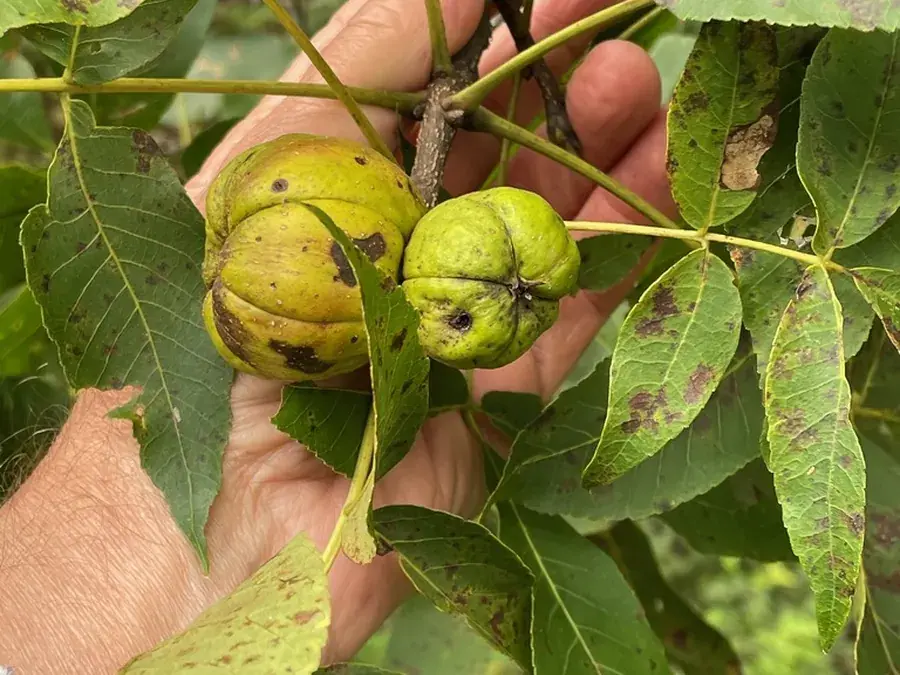
Shagbark hickory nuts
Carya ovata
- When
- Typically September – October — September, October. Earlier in the south, later in the north.
- Where it grows
- Mature hardwood forest and old fence lines.
- How to know it
- Unmistakable bark peeling off in long vertical shaggy plates; husks split cleanly into four to release a pale, sweet nut.
- Look-alikes
- Bitternut hickory looks similar but the nut is bitter; shagbark's shaggy bark is the tell.
- Harvest and use
- The best-flavoured wild nut in the east. Crack, pick, and use anywhere pecans go.
Found in these regions
Is it ready near you?
Get this week's foraging guide for your area
Enter a town, postal code or ZIP and we'll tell you what's in season right there this week — from your local climate, this week's weather and your ecological region.
Also ready in September
 FruitAugust – September
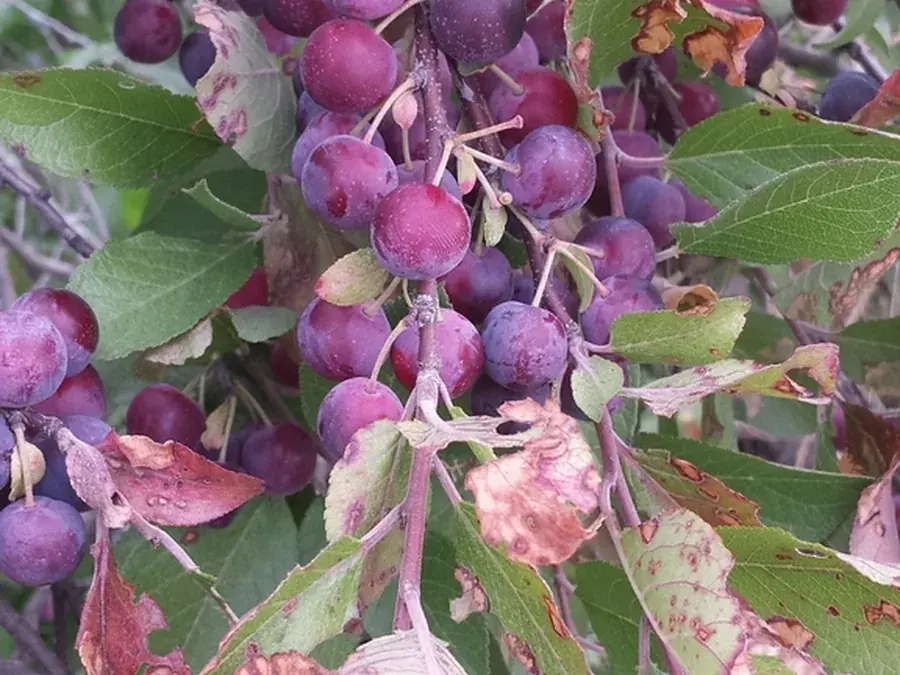
Beach plum
Prunus maritima
Low sprawling shrub in the sand, with dusty purple plums about the size of a marble.
How to know it & its look-alikes →Photo: Tom Norton · CC BY 4.0
 NutSeptember – October
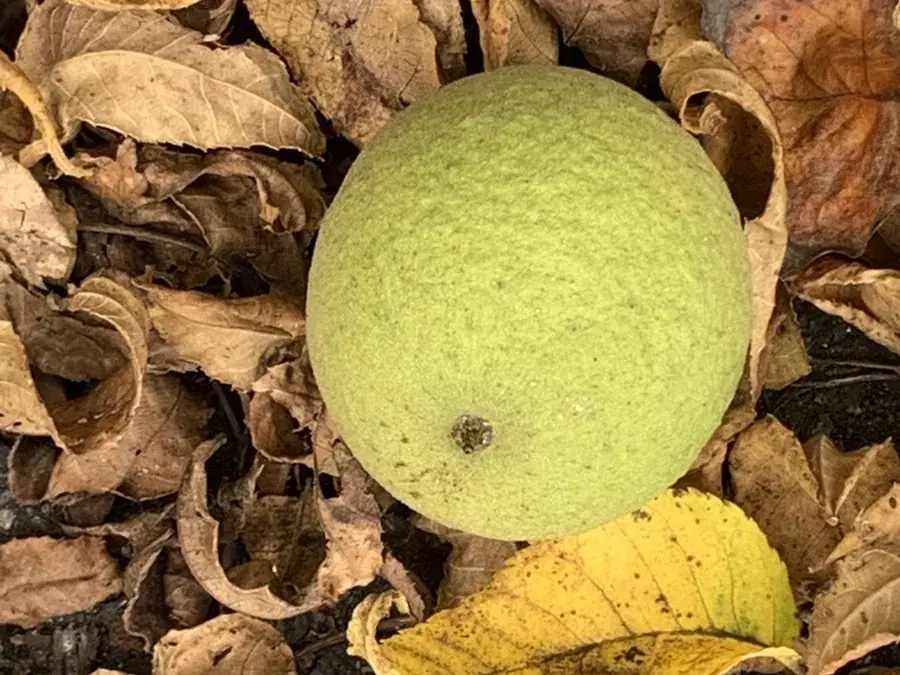
Black walnut
Juglans nigra
Tennis-ball green husks lying under a tall tree with long compound leaves; the husk stains everything it touches brown.
How to know it & its look-alikes →Photo: Sandy Wolkenberg · CC BY 4.0
 FruitAugust – September
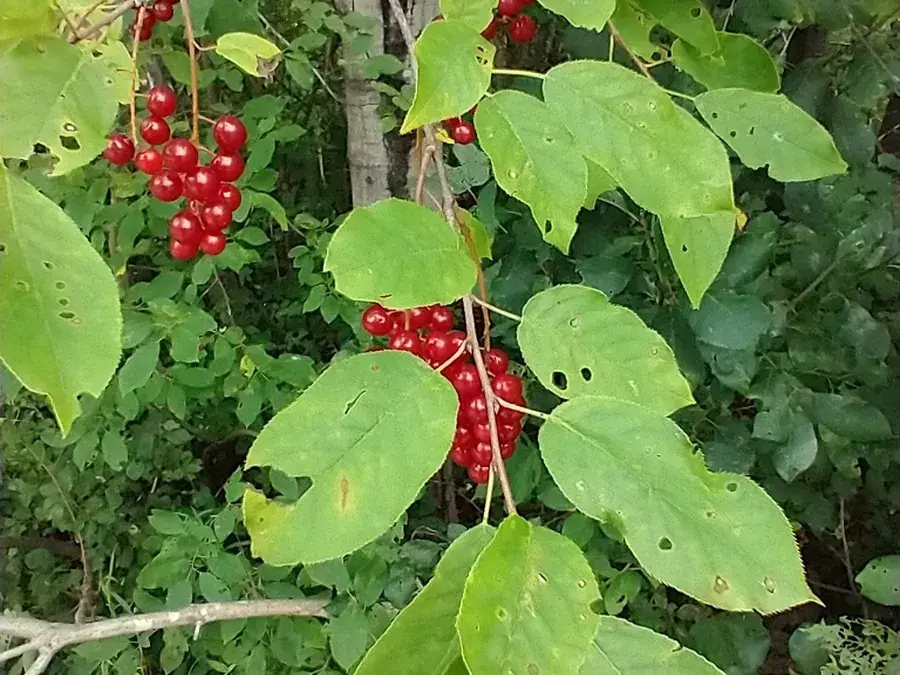
Chokecherry
Prunus virginiana
Long drooping clusters of dark red-to-black cherries on a small tree with finely toothed oval leaves.
How to know it & its look-alikes →Photo: Tom Norton · CC BY 4.0
Educational information only. Never eat a wild plant or mushroom identified from a single photograph or description — confirm with a regional field guide or an experienced forager, and know the poisonous species in your area first.