Canada & United States
Grow, fish and forage where you live.
Enter your postal code or ZIP. We place you in your climate zone and ecological region and write this week's field guide for it.
Or use the location button to let your browser find you. How it works
Gardening
Your zone, frost dates and today's soil temperature — and what to sow, start and harvest this week.
About gardening guides →Fishing
What's biting near you, the best windows by sun and moon, nearby waters and the official regulations.
About fishing guides →Foraging
Wild edibles in season right now, where they grow, how to know them, and their dangerous look-alikes.
About foraging guides →By zone
Nine hardiness zones
What survives your winter, and how long your season runs.
By region
Sixteen ecological regions
The forest, prairie, coast or desert you actually live in.
- Boreal North & Taiga
- Boreal Forest & Shield
- Acadian Forest & Atlantic Coast
- Great Lakes & St. Lawrence Lowlands
- Northeast Atlantic Coast & Piedmont
- Appalachian Highlands
- Central Hardwoods & Interior Plateaus
- Southeastern Piedmont & Coastal Plain
- Gulf Coast & Mississippi Lowlands
- Florida Peninsula
- Prairies & Great Plains
- Western Mountains & Interior Plateaus
- Pacific Maritime
- Mediterranean California
- Deserts & Dry Basins
- Hawaiʻi & the Tropics
In season now · September
What you can pick right now
42 wild edibles typically ready in September across Canada and the US. Seasons shift a week or two with the weather — check each one before you go.
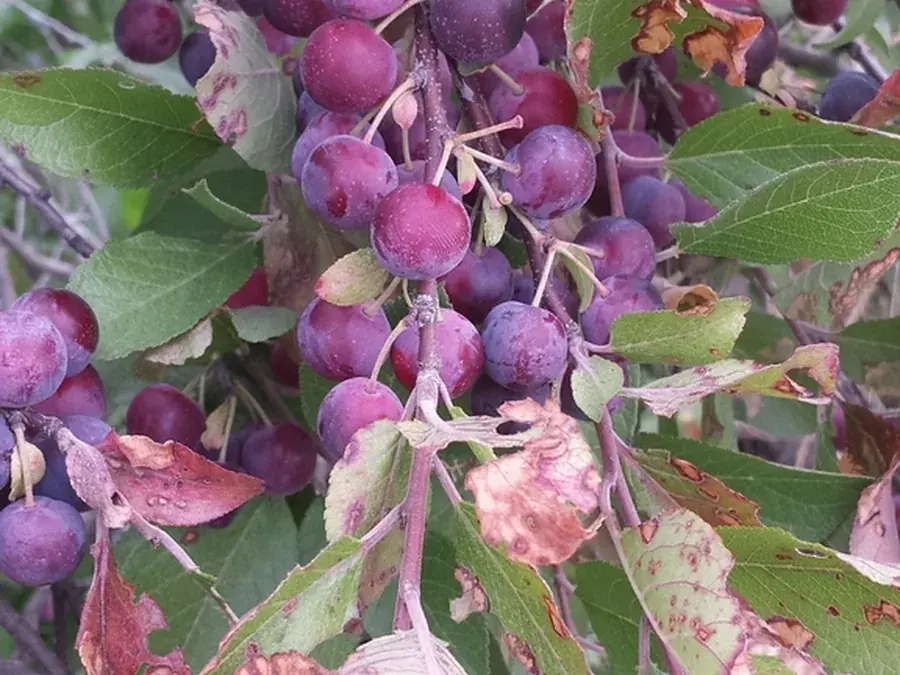 FruitAugust – September
Beach plum
Prunus maritima
Low sprawling shrub in the sand, with dusty purple plums about the size of a marble.
How to know it & its look-alikes →Photo: Tom Norton · CC BY 4.0
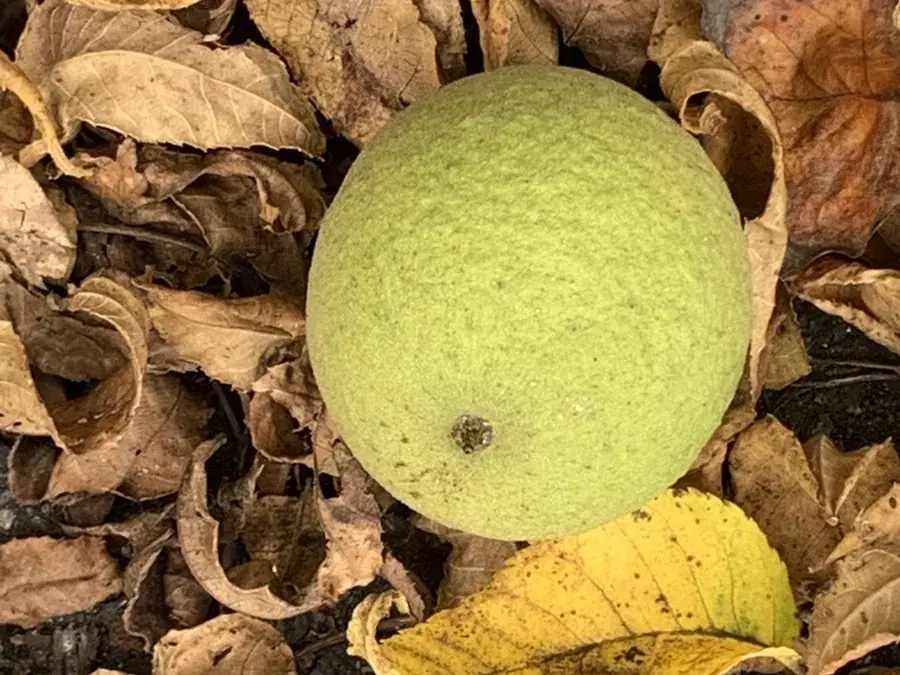 NutSeptember – October
Black walnut
Juglans nigra
Tennis-ball green husks lying under a tall tree with long compound leaves; the husk stains everything it touches brown.
How to know it & its look-alikes →Photo: Sandy Wolkenberg · CC BY 4.0
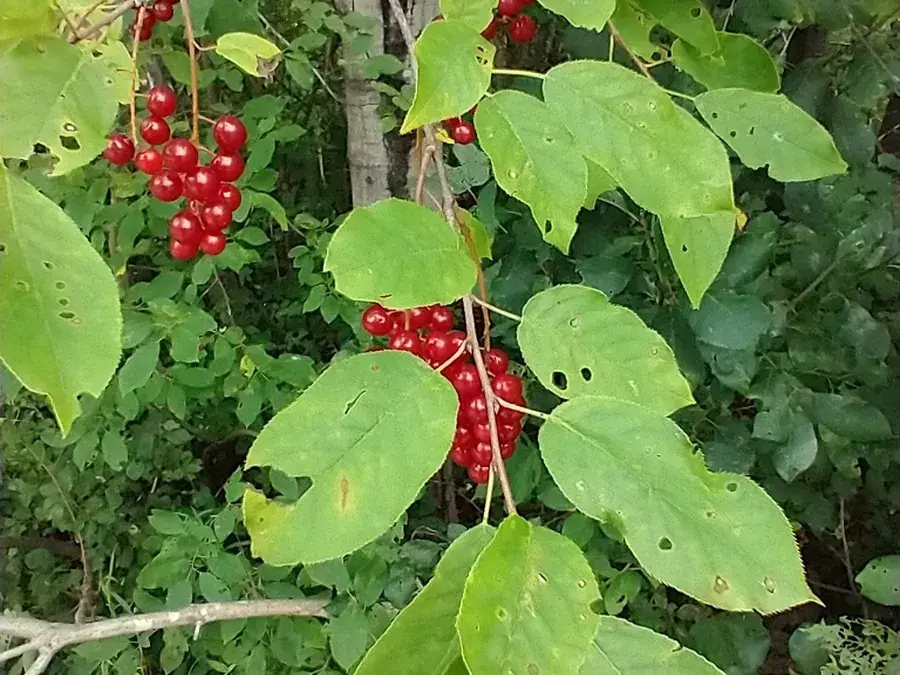 FruitAugust – September
Chokecherry
Prunus virginiana
Long drooping clusters of dark red-to-black cherries on a small tree with finely toothed oval leaves.
How to know it & its look-alikes →Photo: Tom Norton · CC BY 4.0
39 more in season — see the full foraging calendar →
Photographs are research-grade observations from iNaturalist, each credited to its photographer. They show a typical specimen, not every variation — never identify from a photo alone. Confirm with a regional field guide or an experienced forager before you eat anything wild.
In the water now · September
What's biting
The sport fish active in September — where they hold, how to know one on the line, and the tactic that usually works. Check your licence and the current limits before you go.
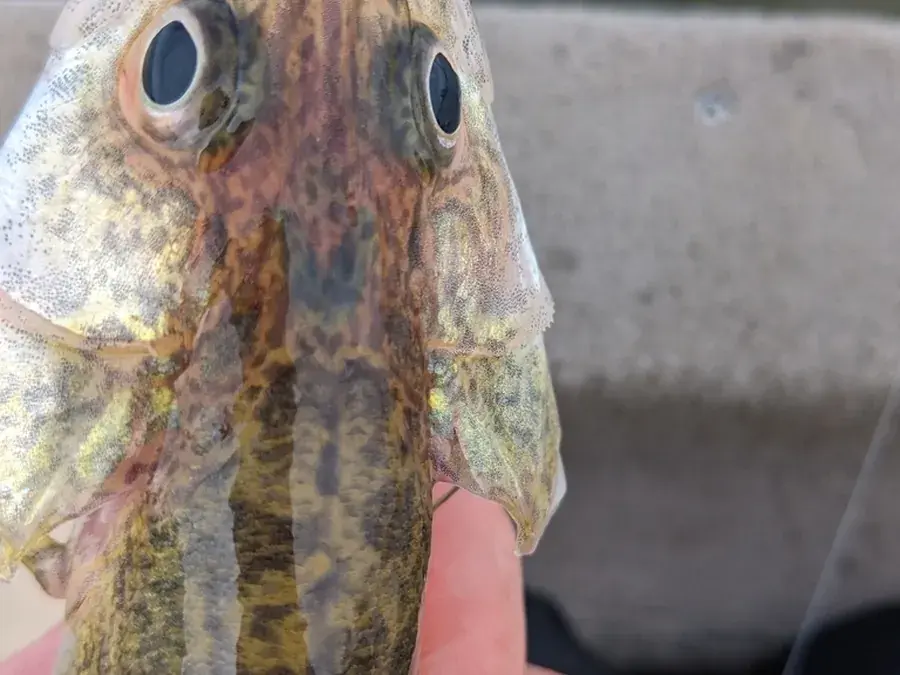 FishYear-round
Walleye
Sander vitreus
Olive-gold flanks, a spiny first dorsal, and the big glassy eye that gives it the name and lets it hunt in low light.
Where and how to catch it →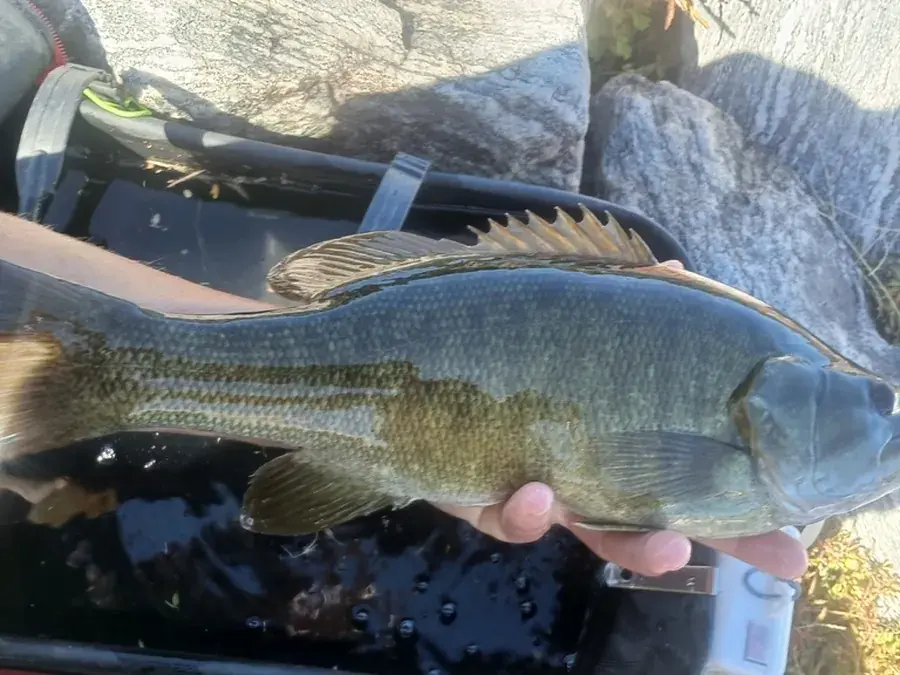 FishMay–Oct
Smallmouth bass
Micropterus dolomieu
Bronze-brown with vertical bars, red eye, and a jaw that ends level with the eye — not past it.
Where and how to catch it →Photo: Joshua Johnson · CC BY 4.0
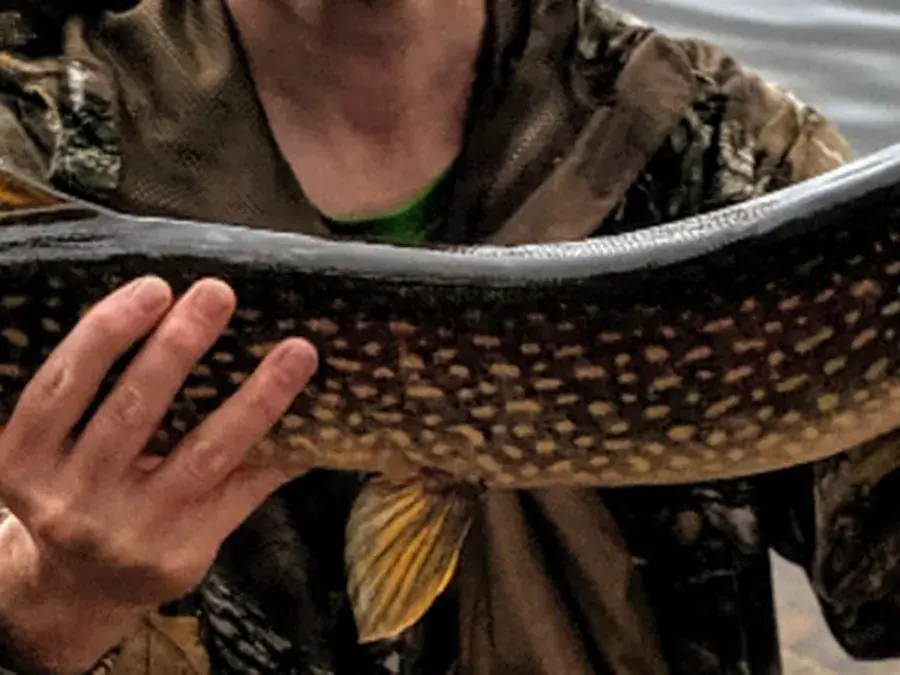 FishJan–Jun
Northern pike
Esox lucius
Long torpedo body, duck-like jaws, light bean-shaped spots on a dark green flank.
Where and how to catch it →Photo: Daughter Dad · CC BY 4.0
Photographs are research-grade observations from iNaturalist, each credited to its photographer. Ranges and timing are typical, not guaranteed — 54 species are covered across Canada and the US.
In the garden now · September
Who else is working the garden
The insects and soil life out in September. Most of them are on your side — learn the few that aren't before you reach for anything.
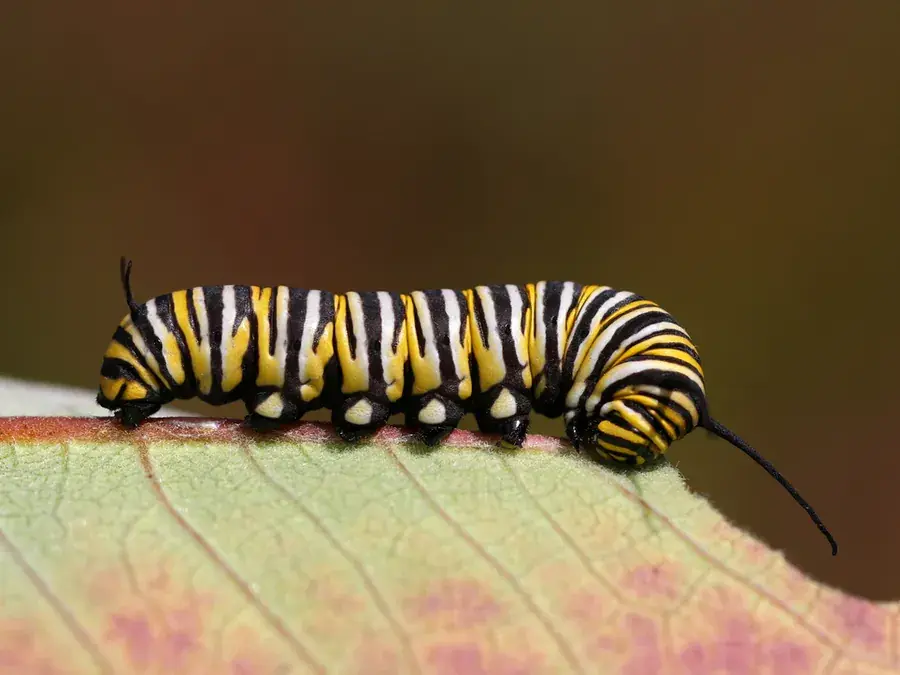 PollinatorMay–Oct
Monarch butterfly
Danaus plexippus
Orange with heavy black veins and a white-spotted black border. The caterpillar is banded yellow, white and black.
What it does in the garden →Photo: Christine Young · CC BY 4.0
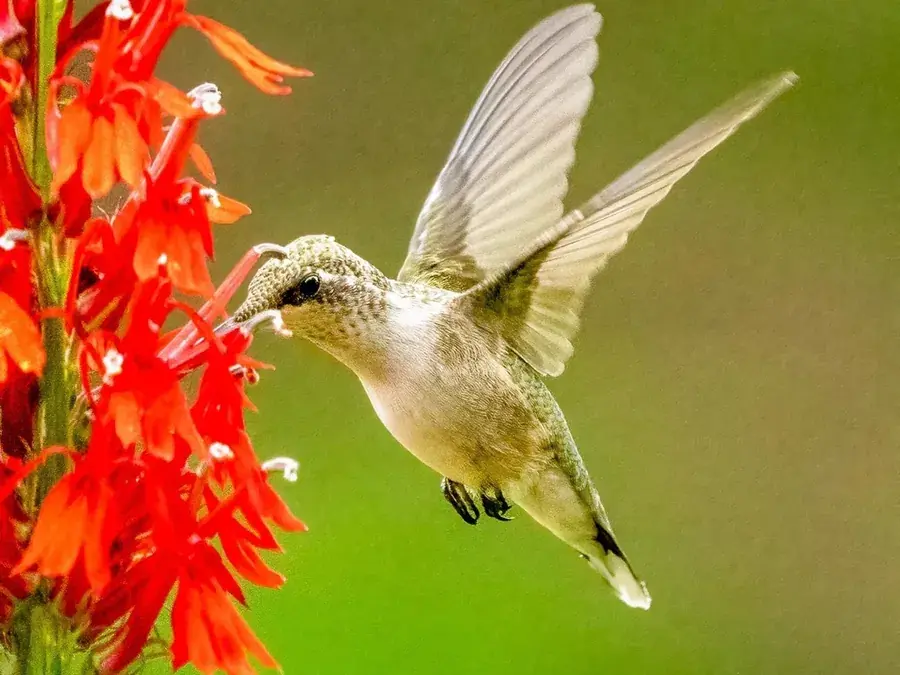 PollinatorMay–Sep
Ruby-throated hummingbird
Archilochus colubris
Tiny, iridescent green above; the male has a black-looking throat that flares ruby in the right light.
What it does in the garden →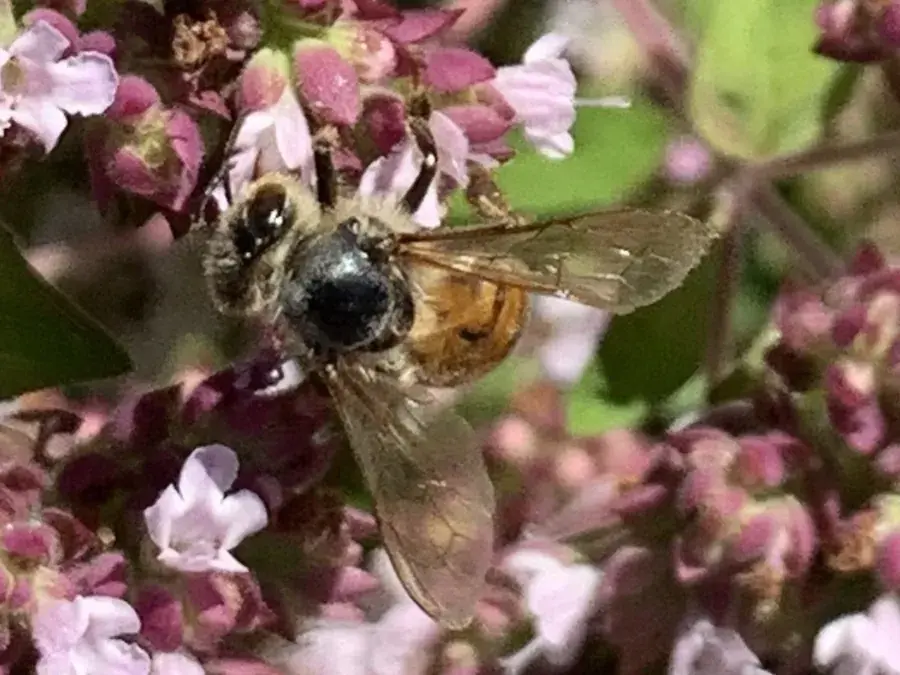 PollinatorMar–Oct
Honey bee
Apis mellifera
Golden-brown, banded, furry thorax, and pollen packed onto the hind legs in visible baskets.
What it does in the garden →
Photographs are research-grade observations from iNaturalist, each credited to its photographer. Ranges and timing are typical, not guaranteed — 54 species are covered across Canada and the US.
Popular areas
Jump straight to a guide
The Weekly Field Note
One short email on Sunday evening: what to plant, what's biting and what's ripening near you. See a sample.