Foraging · traditional medicine
What people have used these plants for.
Every culture that has lived on this land has had a plant medicine, and much of it is still growing in the ditch and the dooryard. This is a record of 30 of those plants — what the tradition is, which part was used, what has actually been tested, and what can go wrong.
Read this part first
This is a record of traditional use, not medical advice, and nothing here is a treatment for any condition. Wild plants interact with prescription medicines and several are unsafe in pregnancy or with kidney, liver or heart conditions. Talk to a doctor or pharmacist before using any of them — especially if you take regular medication — and never delay real medical care.
- Identification comes first, always. Several plants here have look-alikes that will kill you. Confirm with a regional field guide or an experienced forager before anything else.
- Natural does not mean safe. The plants that do something are the ones that can also do harm — at the wrong dose, over too long, or alongside the wrong medicine.
- Some situations are not for experimenting. Pregnancy or breastfeeding, children, kidney, liver or heart conditions, upcoming surgery, or any regular prescription — ask a pharmacist first. They will tell you for free.
We deliberately do not offer a “what should I take for this?” lookup. That is prescribing, and this is a field guide. What follows is organised by plant.
Digestion & appetite
Bitters, carminatives and gentle laxatives — the oldest and best-documented corner of folk medicine.
 Some evidence, mixed
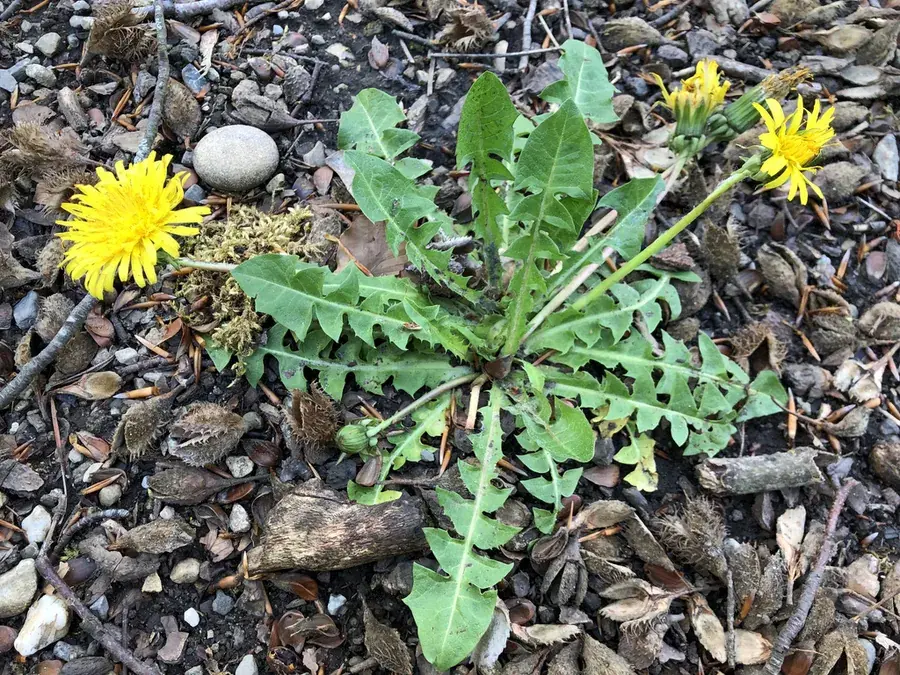
Dandelion
Taraxacum officinale
A bitter tonic taken before meals to encourage appetite and digestion, and as a spring diuretic — the old French name pissenlit is not subtle about it.
Caution: A real diuretic — it can add to the effect of prescription diuretics and affect potassium and lithium levels.
Full entry and all cautions →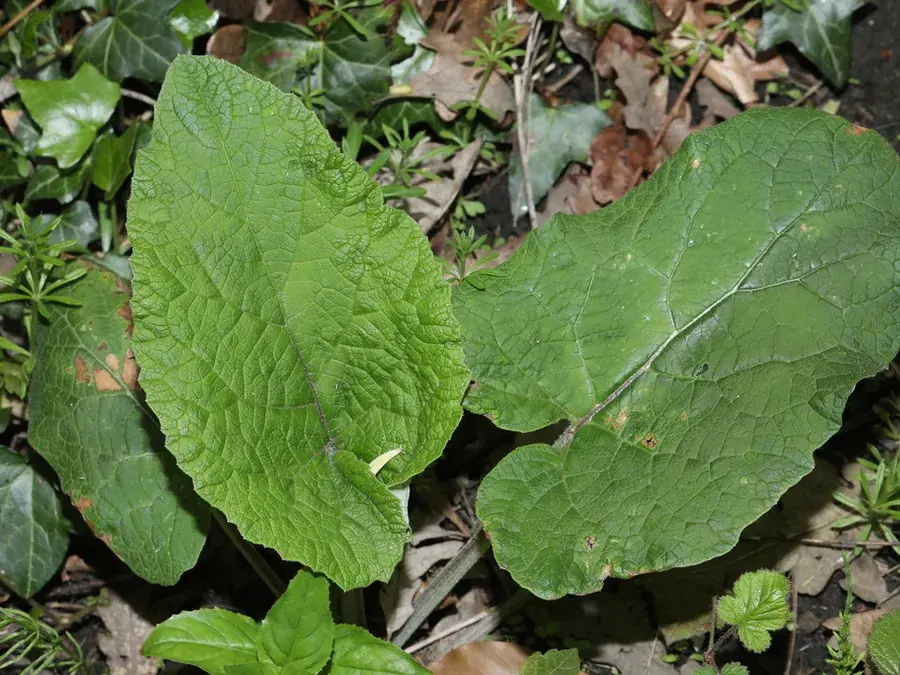 Has a dangerous look-alikeTraditional use only
Burdock root
Arctium minus
A long-standing tonic for stubborn skin complaints in both European and Chinese tradition, and eaten as gobo in Japan.
Caution: Easily confused with deadly nightshade root when dug — burdock leaves are huge, heart-shaped and woolly-white underneath. Be certain before you dig.
Full entry and all cautions →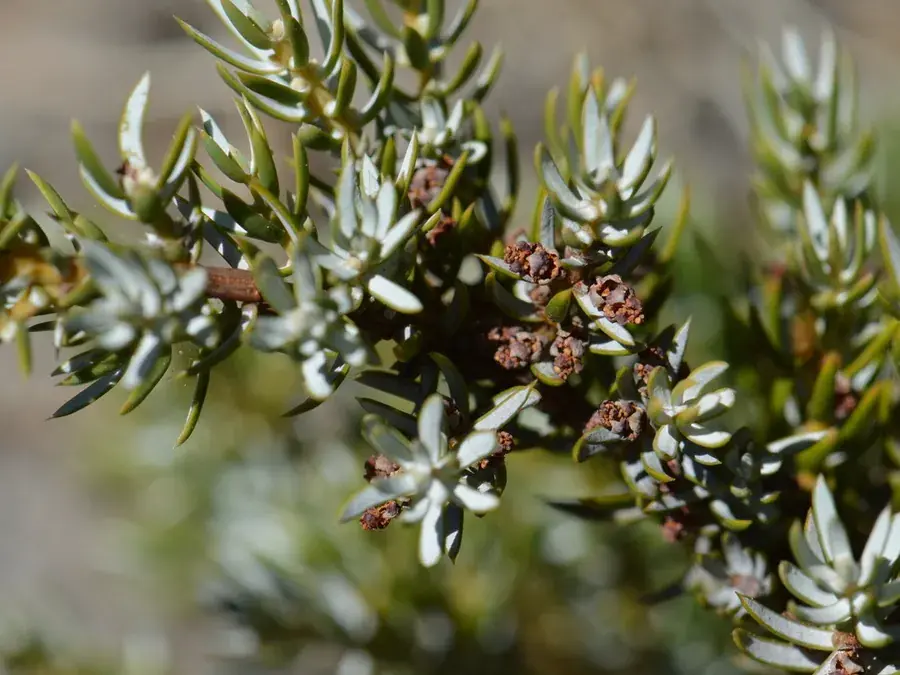 Has a dangerous look-alikeTraditional use only
Juniper berries
Juniperus communis
A digestive and urinary remedy across northern Europe, and the flavour of gin.
Caution: Avoid entirely in pregnancy — a documented uterine stimulant with a long history as an abortifacient.
Full entry and all cautions →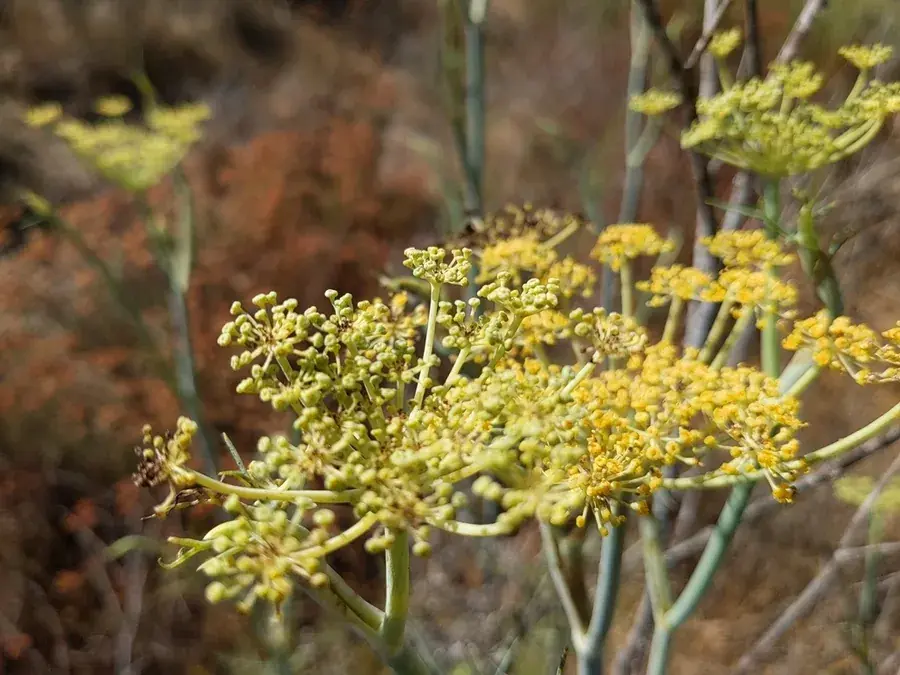 Has a dangerous look-alikeSome evidence, mixed
Wild fennel
Foeniculum vulgare
Chewed after meals for wind and bloating from the Mediterranean to South Asia, and given as a weak tea for infant colic in many traditions.
Caution: Poison hemlock looks very like fennel and is lethal. Fennel smells strongly of aniseed when crushed and hemlock smells foul — but do not rely on smell alone, and never pick it unless you are certain.
Full entry and all cautions →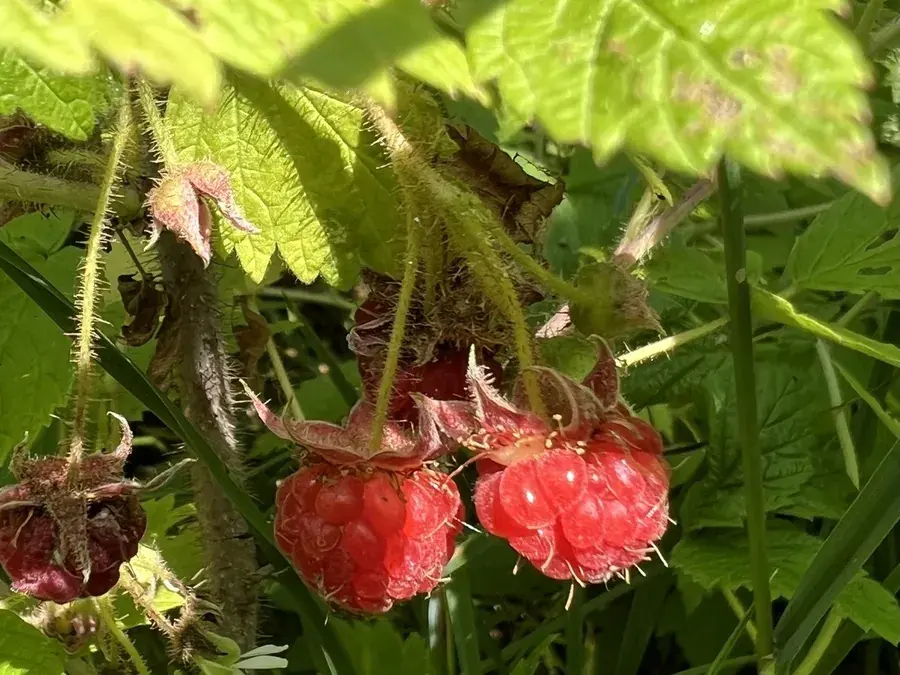 Some evidence, mixed
Wild raspberries
Rubus idaeus
Raspberry leaf tea has a long tradition in late pregnancy and as a mild astringent for upset stomachs.
Caution: Despite the tradition, do not use raspberry leaf in pregnancy without your midwife or doctor's agreement.
Full entry and all cautions →
Skin & wounds
Poultices, washes and salves for scrapes, stings, burns and rashes, applied to the skin rather than swallowed.
- Has a dangerous look-alikeTraditional use only
Burdock root
Arctium minus
A long-standing tonic for stubborn skin complaints in both European and Chinese tradition, and eaten as gobo in Japan.
Caution: Easily confused with deadly nightshade root when dug — burdock leaves are huge, heart-shaped and woolly-white underneath. Be certain before you dig.
Full entry and all cautions → 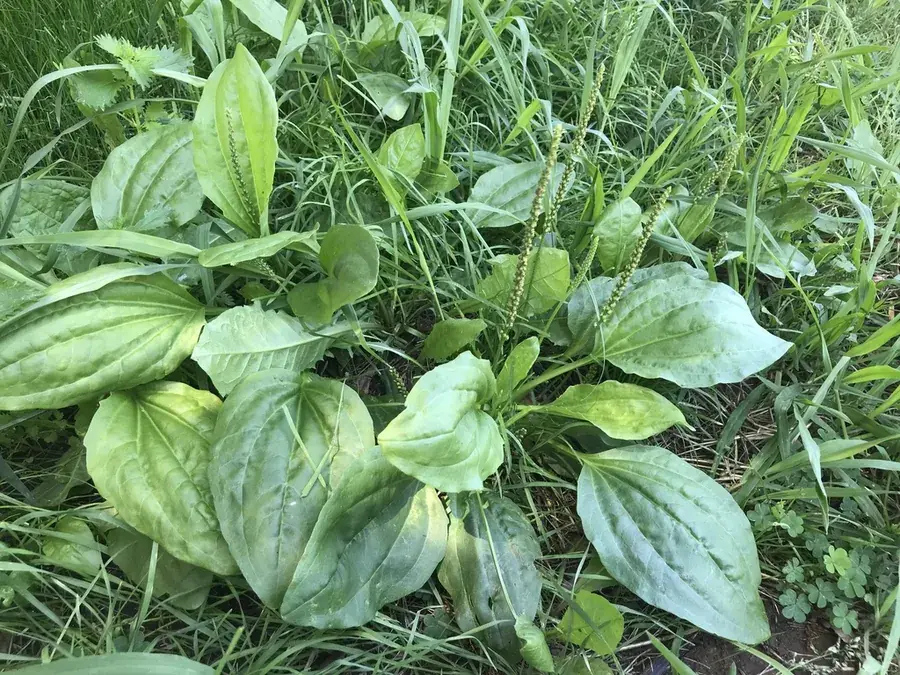 Traditional use only
Broadleaf plantain
Plantago major
The classic field poultice across Europe and North America for stings, bites, nettle rash and small cuts — the first thing many people learn.
Caution: External use on small, clean injuries only. A deep, dirty or spreading wound needs proper care.
Full entry and all cautions →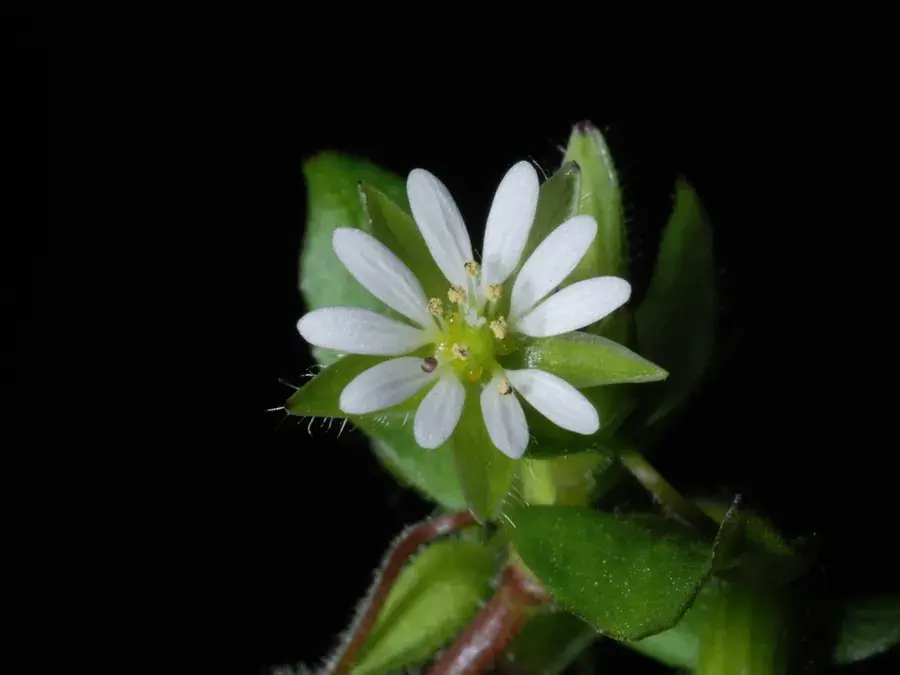 Traditional use only
Chickweed
Stellaria media
A cooling salve for itchy, irritated skin in European folk practice, and a mild spring green.
Caution: Contains saponins — eating large quantities can upset the stomach.
Full entry and all cautions →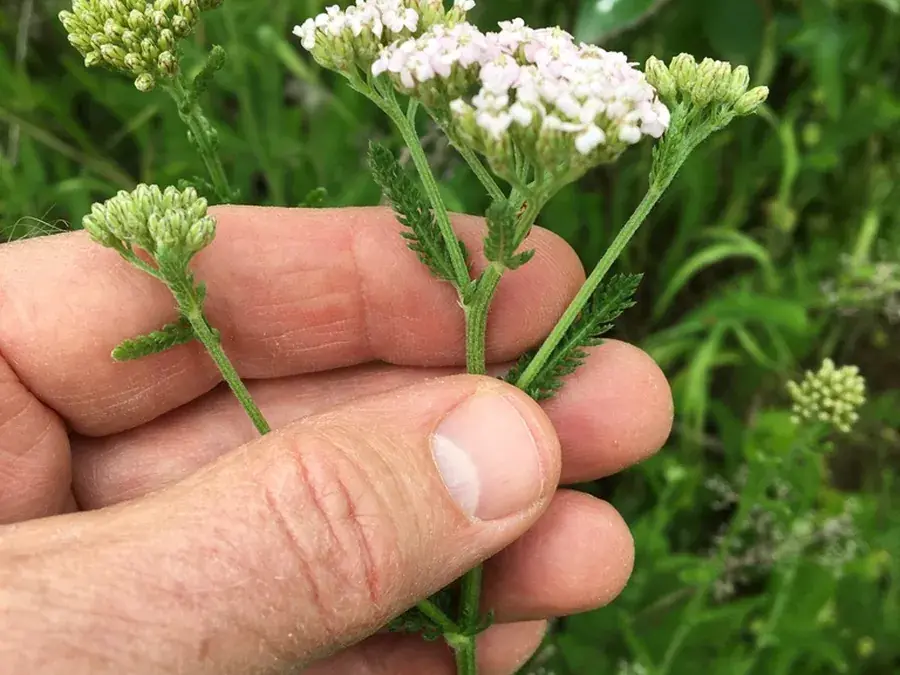 Has a dangerous look-alikeTraditional use only
Yarrow
Achillea millefolium
The battlefield wound herb of European tradition, named for Achilles, and a hot tea for feverish colds.
Caution: Poison hemlock and water hemlock have similar feathery foliage and are lethal. Yarrow's leaves are flat, soft and strongly aromatic; hemlock's stems are smooth and often purple-blotched. If you are not certain, do not pick it.
Full entry and all cautions →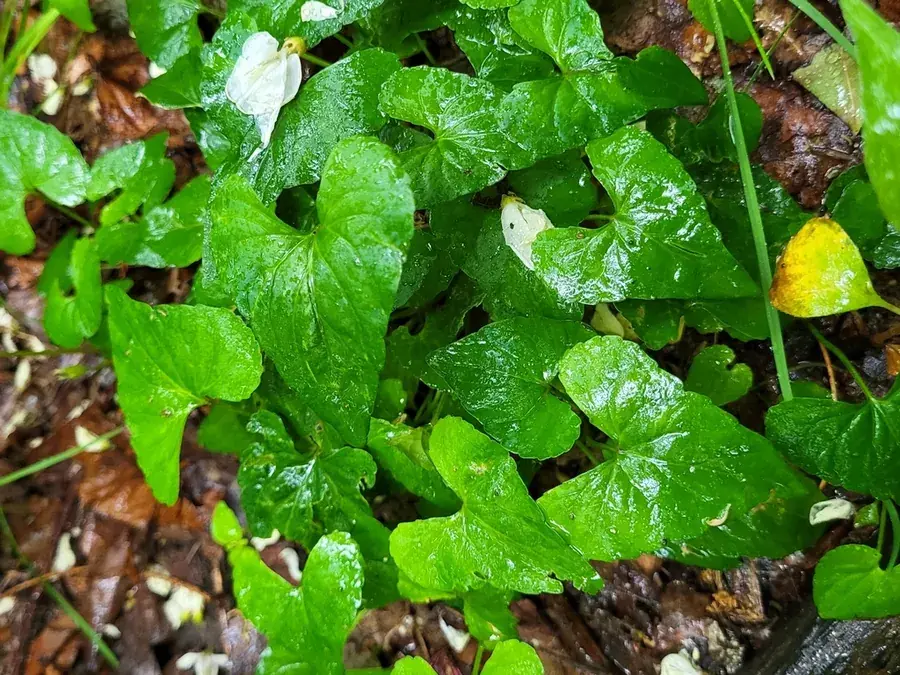 Traditional use only
Wild violets
Viola sororia
A gentle demulcent tea for dry coughs and a cooling application for irritated skin.
Caution: The root causes vomiting — leaves and flowers only.
Full entry and all cautions →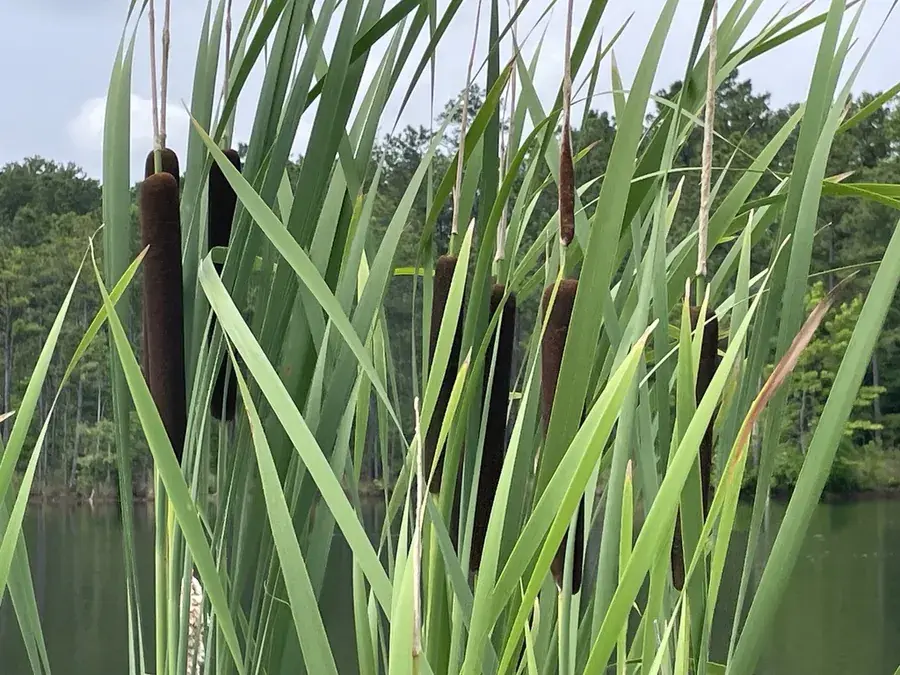 Has a dangerous look-alikeTraditional use only
Cattail shoots
Typha latifolia
Used across many North American First Nations on small burns, cuts and stings.
Caution: Cattail absorbs what is in its water. Never take it from a ditch, a roadside or downstream of farmland or industry.
Full entry and all cautions →
Coughs & colds
Demulcent and expectorant plants used in teas and syrups for winter coughs and sore throats.
 Studied in people
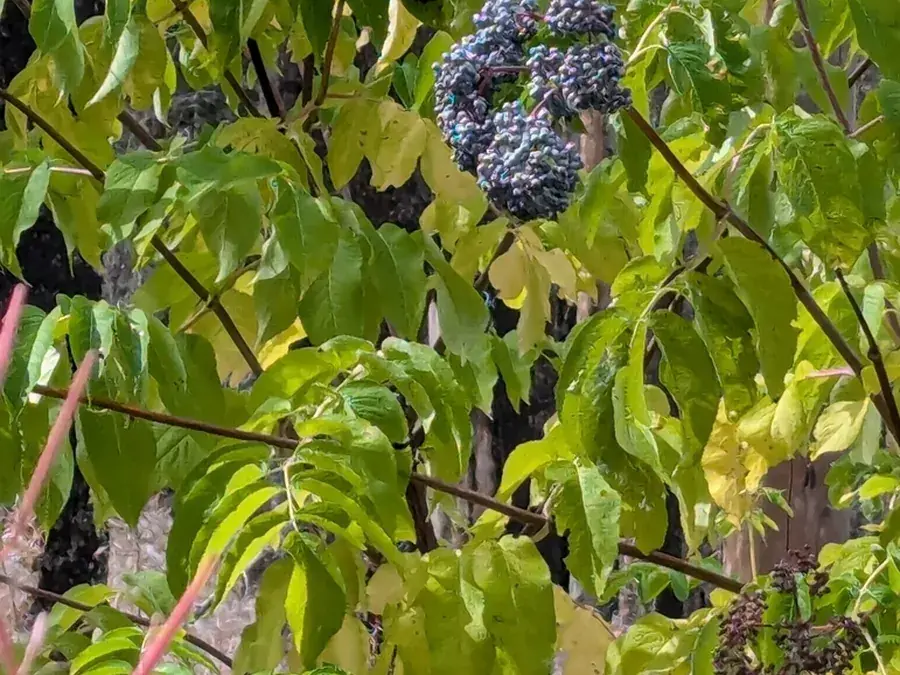
Elderberries
Sambucus canadensis
The best-known winter cold and flu preparation in European and North American folk medicine, taken as a syrup at the first sign of a cold.
Caution: Raw berries, leaves, bark and stems contain a cyanide-forming compound and cause vomiting and diarrhoea. Cook the berries and strip every bit of stem.
Full entry and all cautions →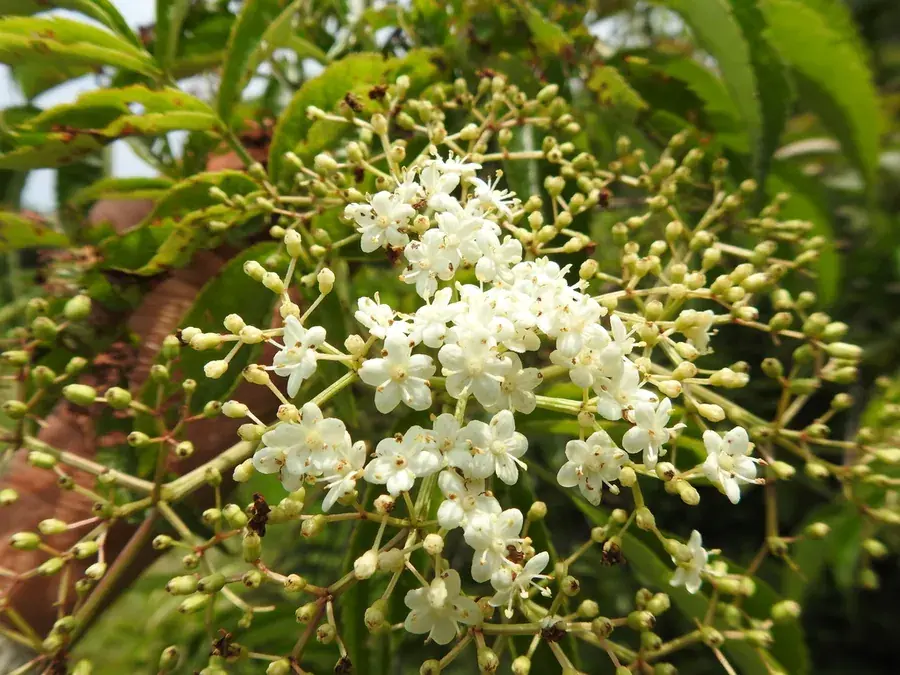 Has a dangerous look-alikeTraditional use only
Elderflower
Sambucus canadensis
A traditional tea for feverish colds and blocked sinuses, usually combined with peppermint and yarrow.
Caution: Strip the flowers from the green stems, which carry the same toxic compounds as the rest of the plant.
Full entry and all cautions →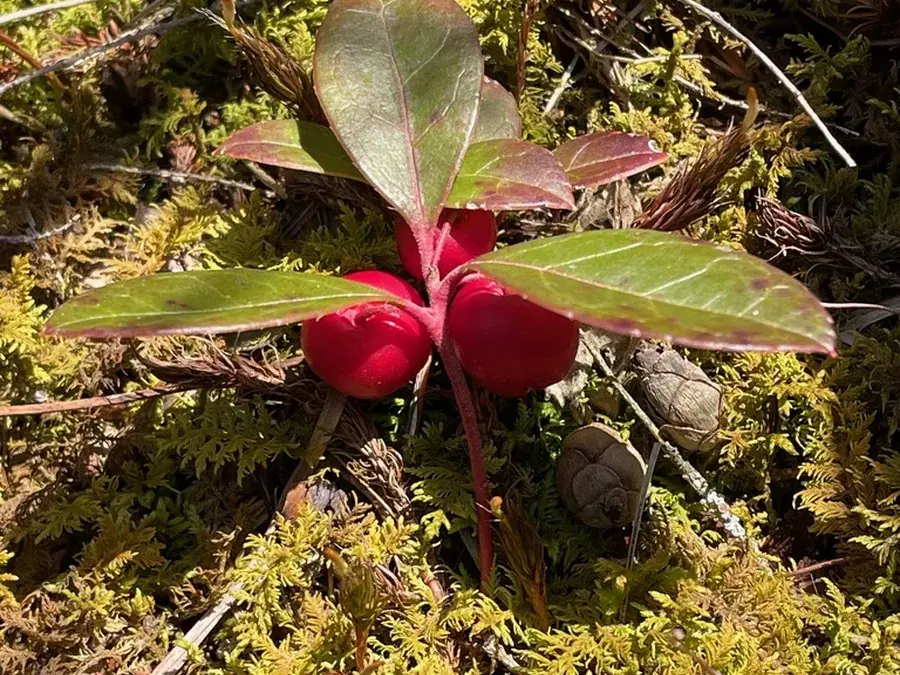 Traditional use only
Wintergreen (teaberry)
Gaultheria procumbens
Chewed and brewed by many North American First Nations for aching muscles and joints and for sore throats; the source of the flavour and of methyl salicylate, the compound aspirin was developed from.
Caution: Wintergreen essential oil is genuinely dangerous — a teaspoon can kill a child. Never take the oil internally and keep it away from children.
Full entry and all cautions →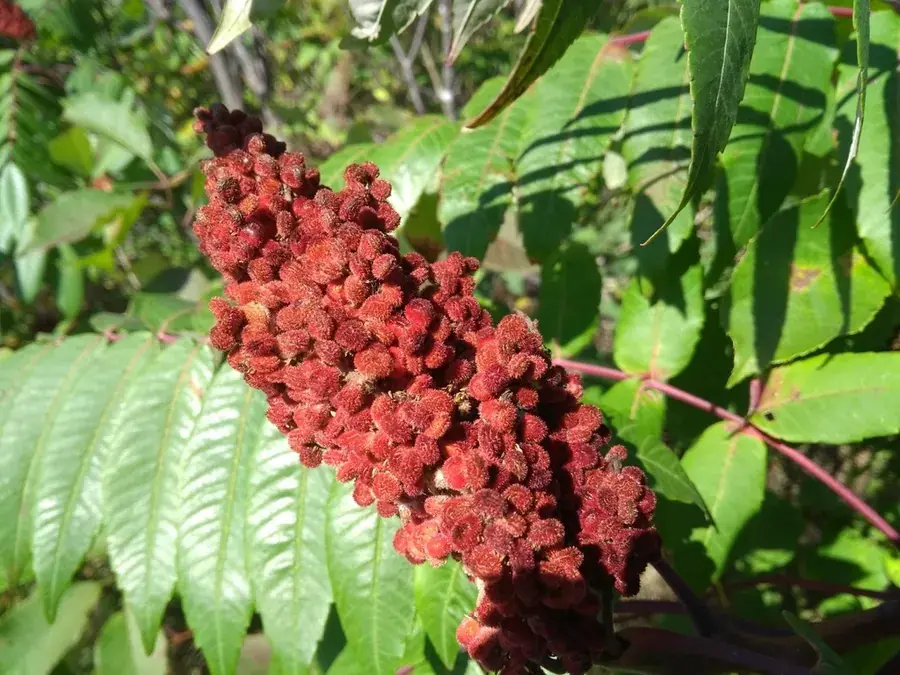 Traditional use only
Staghorn sumac
Rhus typhina
A sharp vitamin-C drink used across eastern North America, and gargled for sore throats.
Caution: Red upright fruit clusters only. Poison sumac has drooping white berries and grows in wet ground — it causes a severe rash.
Full entry and all cautions →- Has a dangerous look-alikeTraditional use only
Yarrow
Achillea millefolium
The battlefield wound herb of European tradition, named for Achilles, and a hot tea for feverish colds.
Caution: Poison hemlock and water hemlock have similar feathery foliage and are lethal. Yarrow's leaves are flat, soft and strongly aromatic; hemlock's stems are smooth and often purple-blotched. If you are not certain, do not pick it.
Full entry and all cautions → - Traditional use only
Wild violets
Viola sororia
A gentle demulcent tea for dry coughs and a cooling application for irritated skin.
Caution: The root causes vomiting — leaves and flowers only.
Full entry and all cautions → - Has a dangerous look-alikeSome evidence, mixed
Wild fennel
Foeniculum vulgare
Chewed after meals for wind and bloating from the Mediterranean to South Asia, and given as a weak tea for infant colic in many traditions.
Caution: Poison hemlock looks very like fennel and is lethal. Fennel smells strongly of aniseed when crushed and hemlock smells foul — but do not rely on smell alone, and never pick it unless you are certain.
Full entry and all cautions → 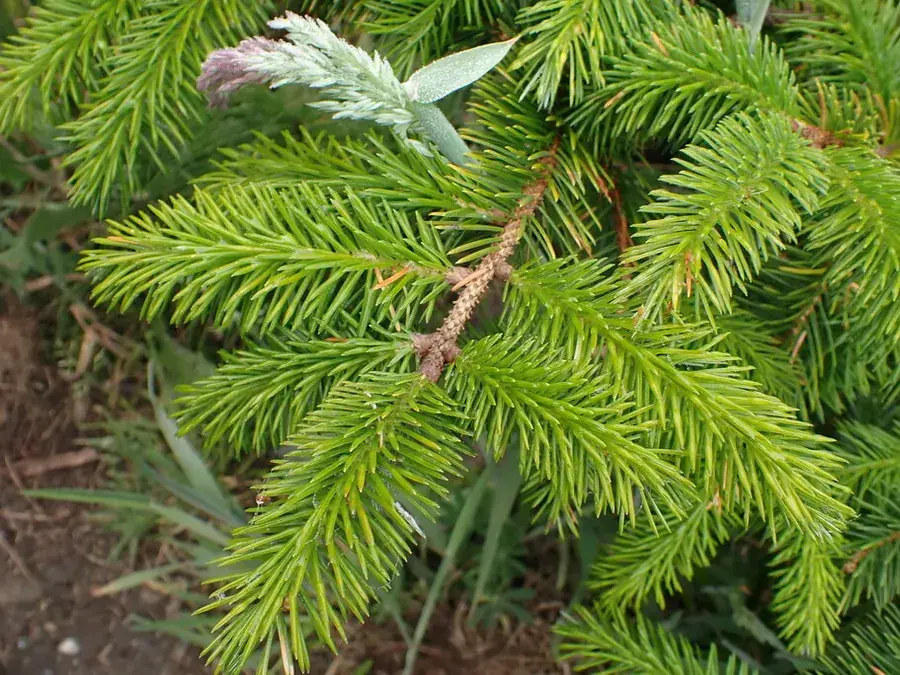 Has a dangerous look-alikeTraditional use only
Spruce and fir tips
Picea spp.
A vitamin C tea across the boreal north — the drink credited with saving Cartier's crew from scurvy at Stadacona in 1536 — and a syrup for winter coughs.
Caution: Yew is deadly and has flat, soft, dark needles with no woody peg where they join the twig. Spruce needles are square, sharp and sit on little pegs. Be certain.
Full entry and all cautions →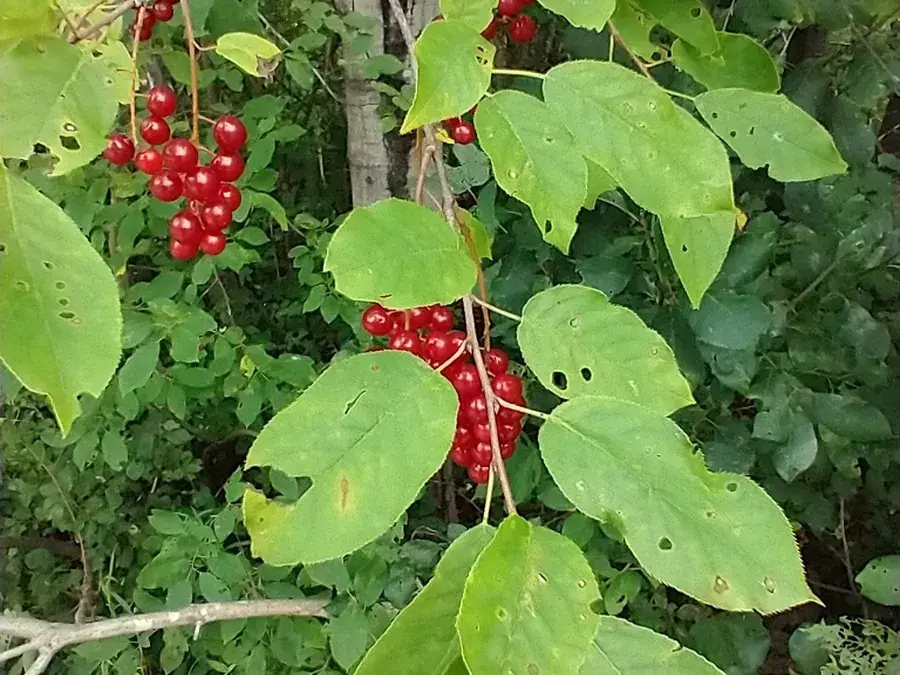 Traditional use only
Chokecherry
Prunus virginiana
Wild cherry bark syrups are an old cough preparation; the fruit was dried into pemmican across the plains.
Caution: The stones, leaves and bark contain cyanide-forming compounds. Never crush the stones, and keep children away from the raw plant.
Full entry and all cautions →
Immune support
Plants taken at the first sign of a cold, or as a winter tonic. Evidence here is thin and much overstated.
- Studied in people
Elderberries
Sambucus canadensis
The best-known winter cold and flu preparation in European and North American folk medicine, taken as a syrup at the first sign of a cold.
Caution: Raw berries, leaves, bark and stems contain a cyanide-forming compound and cause vomiting and diarrhoea. Cook the berries and strip every bit of stem.
Full entry and all cautions → - Has a dangerous look-alikeTraditional use only
Elderflower
Sambucus canadensis
A traditional tea for feverish colds and blocked sinuses, usually combined with peppermint and yarrow.
Caution: Strip the flowers from the green stems, which carry the same toxic compounds as the rest of the plant.
Full entry and all cautions → 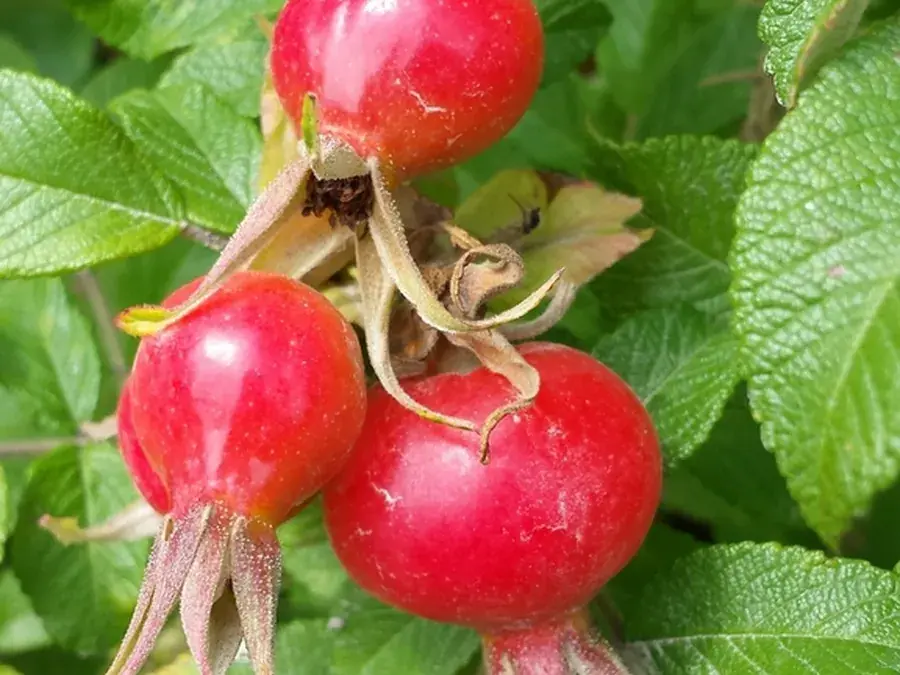 Studied in people
Rose hips
Rosa rugosa
A winter source of vitamin C — Britain harvested them nationally during the Second World War — and taken in Scandinavia as a powder for stiff joints.
Caution: The hairs around the seeds are a mechanical irritant — the old itching-powder — so strain thoroughly.
Full entry and all cautions →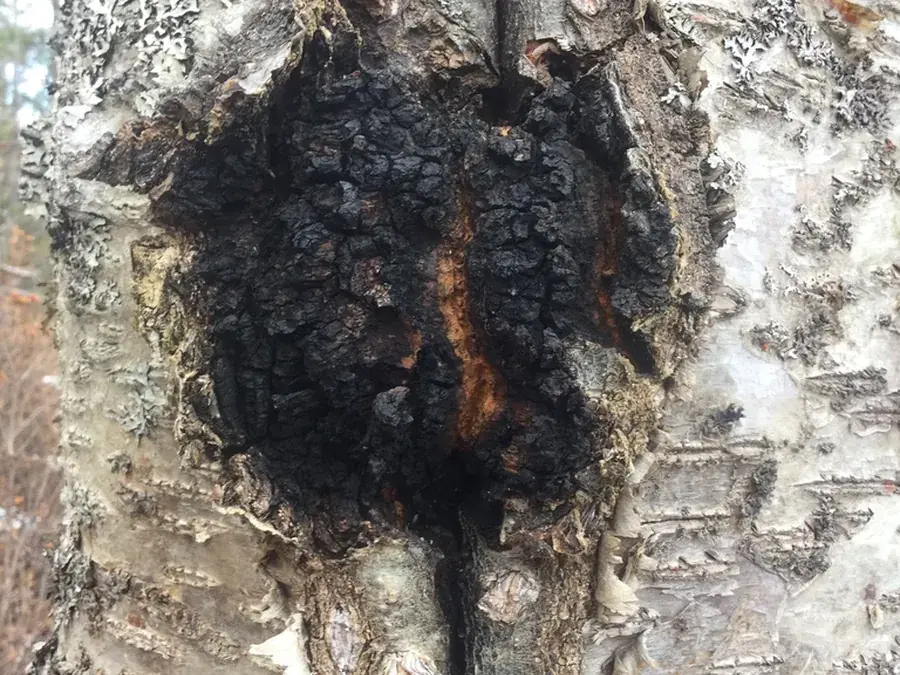 Traditional use only
Chaga
Inonotus obliquus
A tea across Siberia, Scandinavia and the northern First Nations, drunk as a daily winter tonic.
Caution: High in oxalates — linked to kidney damage in case reports of heavy long-term use, and a real risk if you have any kidney disease.
Full entry and all cautions →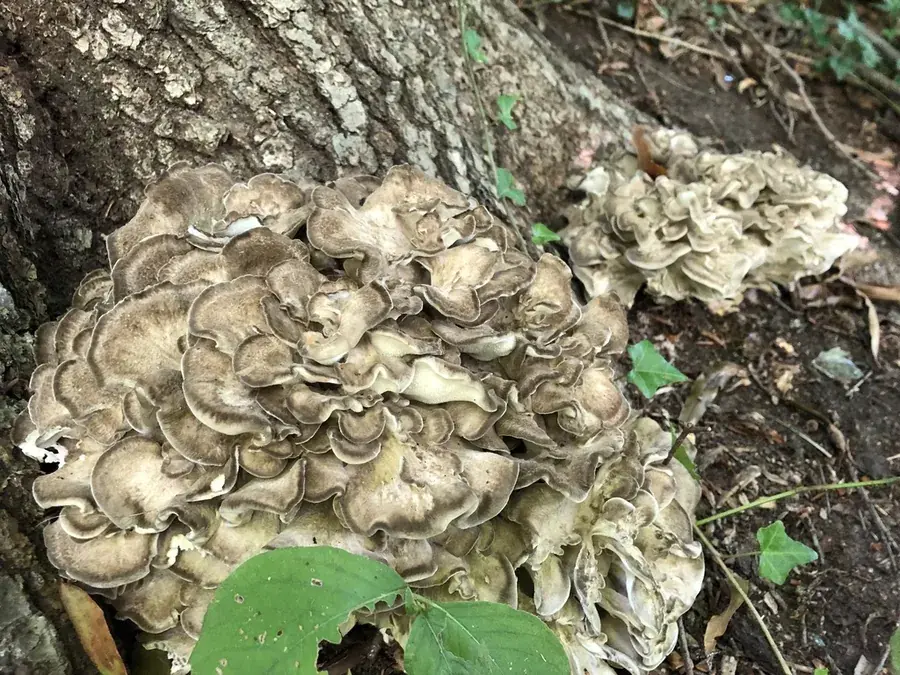 Some evidence, mixed
Hen of the woods (maitake)
Grifola frondosa
Eaten as food; sold widely as maitake on immune and blood-sugar claims.
Caution: May lower blood sugar and blood pressure, adding to medication for either.
Full entry and all cautions →
Heart & circulation
Long-standing cardiac and vascular traditions. This is the category where self-treatment is most dangerous.
 Studied in people
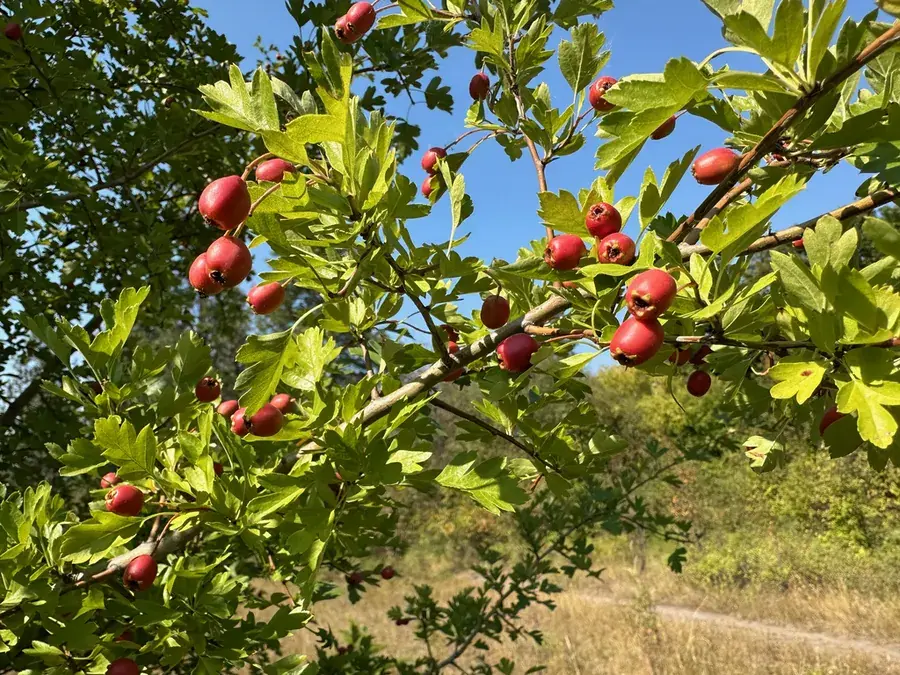
Hawthorn berries
Crataegus spp.
The central heart plant of European herbal tradition, used over long periods as a tonic for the ageing heart and circulation.
Caution: This is the category where self-treatment does real harm. If you have any heart condition, speak to your doctor before taking hawthorn at all.
Full entry and all cautions →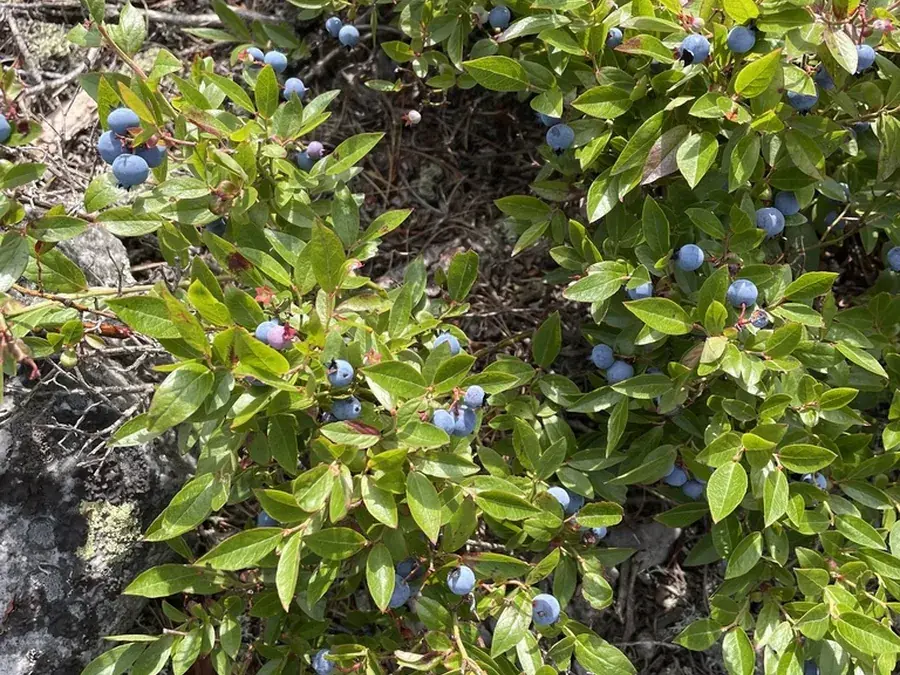 Some evidence, mixed
Wild blueberries
Vaccinium angustifolium
Eaten as food; the fruit's pigments are the basis of a great many circulatory and eyesight claims.
Caution: Do not make tea from the leaves — prolonged use has been associated with toxicity.
Full entry and all cautions →
Joints & muscles
Anti-inflammatory traditions, mostly applied externally as liniments and compresses.
 Some evidence, mixed
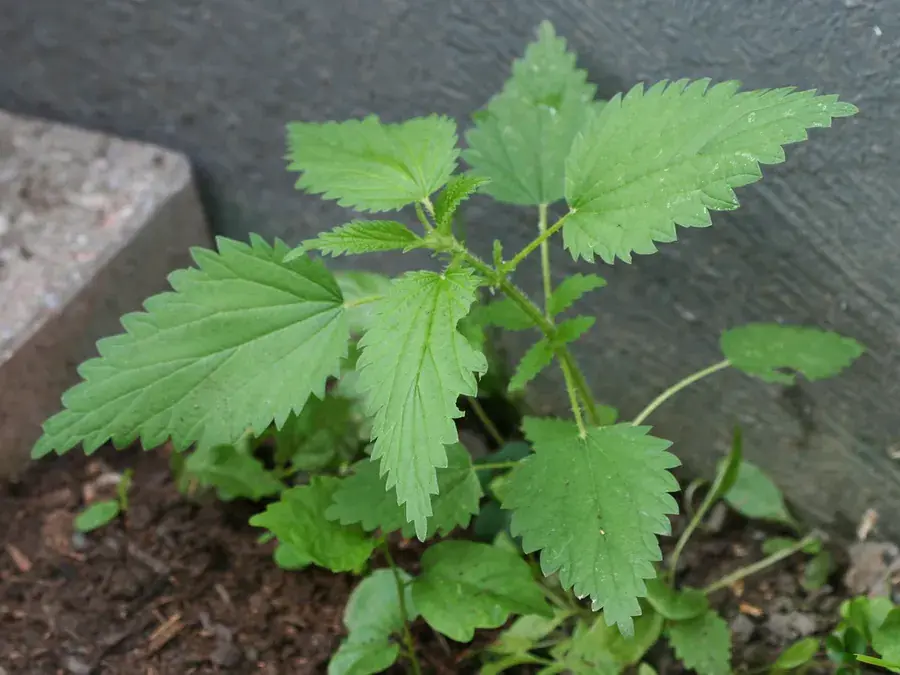
Stinging nettle
Urtica dioica
Taken as a spring tonic for its iron, calcium and vitamin content, and long used as a tea for aching joints and as a mild diuretic.
Caution: Diuretic — care alongside prescription diuretics or lithium.
Full entry and all cautions →- Studied in people
Rose hips
Rosa rugosa
A winter source of vitamin C — Britain harvested them nationally during the Second World War — and taken in Scandinavia as a powder for stiff joints.
Caution: The hairs around the seeds are a mechanical irritant — the old itching-powder — so strain thoroughly.
Full entry and all cautions → - Traditional use only
Wintergreen (teaberry)
Gaultheria procumbens
Chewed and brewed by many North American First Nations for aching muscles and joints and for sore throats; the source of the flavour and of methyl salicylate, the compound aspirin was developed from.
Caution: Wintergreen essential oil is genuinely dangerous — a teaspoon can kill a child. Never take the oil internally and keep it away from children.
Full entry and all cautions →
Nourishment
Not medicine so much as food that happens to be dense in vitamins, minerals and fibre.
- Some evidence, mixed
Dandelion
Taraxacum officinale
A bitter tonic taken before meals to encourage appetite and digestion, and as a spring diuretic — the old French name pissenlit is not subtle about it.
Caution: A real diuretic — it can add to the effect of prescription diuretics and affect potassium and lithium levels.
Full entry and all cautions → - Some evidence, mixed
Stinging nettle
Urtica dioica
Taken as a spring tonic for its iron, calcium and vitamin content, and long used as a tea for aching joints and as a mild diuretic.
Caution: Diuretic — care alongside prescription diuretics or lithium.
Full entry and all cautions → - Studied in people
Rose hips
Rosa rugosa
A winter source of vitamin C — Britain harvested them nationally during the Second World War — and taken in Scandinavia as a powder for stiff joints.
Caution: The hairs around the seeds are a mechanical irritant — the old itching-powder — so strain thoroughly.
Full entry and all cautions → 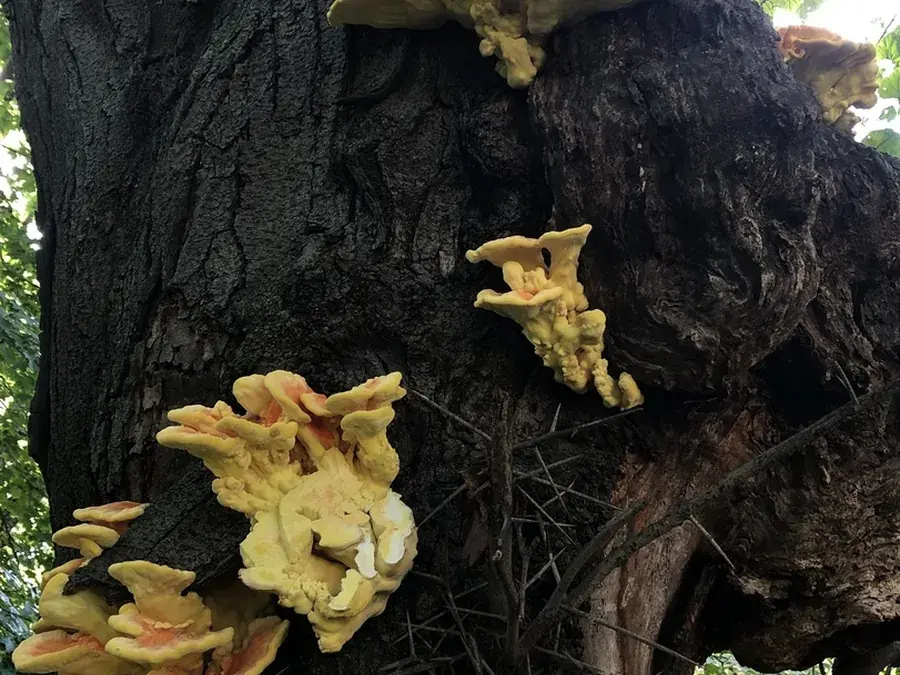 Traditional use only
Chicken of the woods
Laetiporus sulphureus
Eaten as food rather than medicine, though it appears in folk practice as a strengthening food during recovery.
Caution: A significant minority of people react badly to it — nausea, swollen lips, dizziness — even when it is correctly identified and well cooked.
Full entry and all cautions →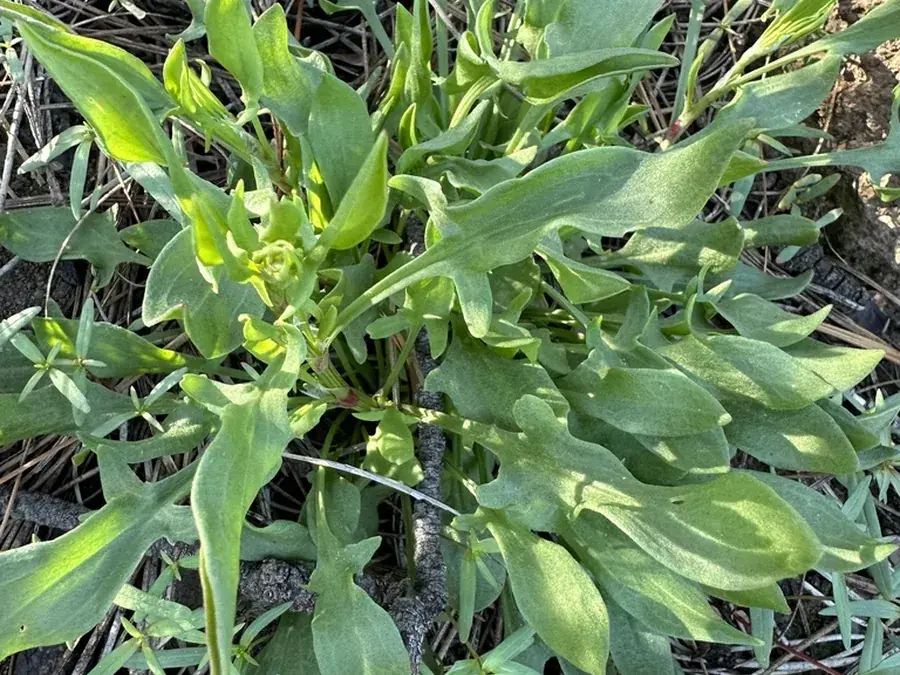 Traditional use only
Sheep sorrel
Rumex acetosella
Chewed on the trail as a thirst-quencher, and a component of several traditional tonic mixtures.
Caution: High in oxalic acid: keep to small amounts, and avoid if you have kidney stones, gout or rheumatoid arthritis.
Full entry and all cautions →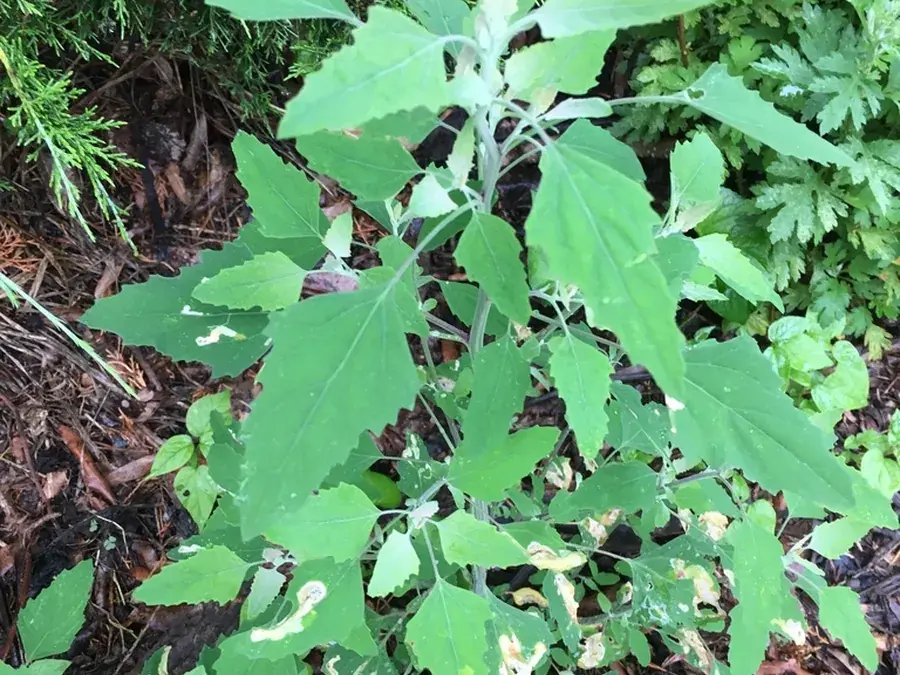 Traditional use only
Lamb's quarters
Chenopodium album
One of the most nutritious wild greens on the continent, eaten as a strengthening food rather than as a remedy.
Caution: Contains oxalates like spinach — cook it, and go easy if you are prone to kidney stones.
Full entry and all cautions →- Traditional use only
Chickweed
Stellaria media
A cooling salve for itchy, irritated skin in European folk practice, and a mild spring green.
Caution: Contains saponins — eating large quantities can upset the stomach.
Full entry and all cautions → - Traditional use only
Staghorn sumac
Rhus typhina
A sharp vitamin-C drink used across eastern North America, and gargled for sore throats.
Caution: Red upright fruit clusters only. Poison sumac has drooping white berries and grows in wet ground — it causes a severe rash.
Full entry and all cautions → 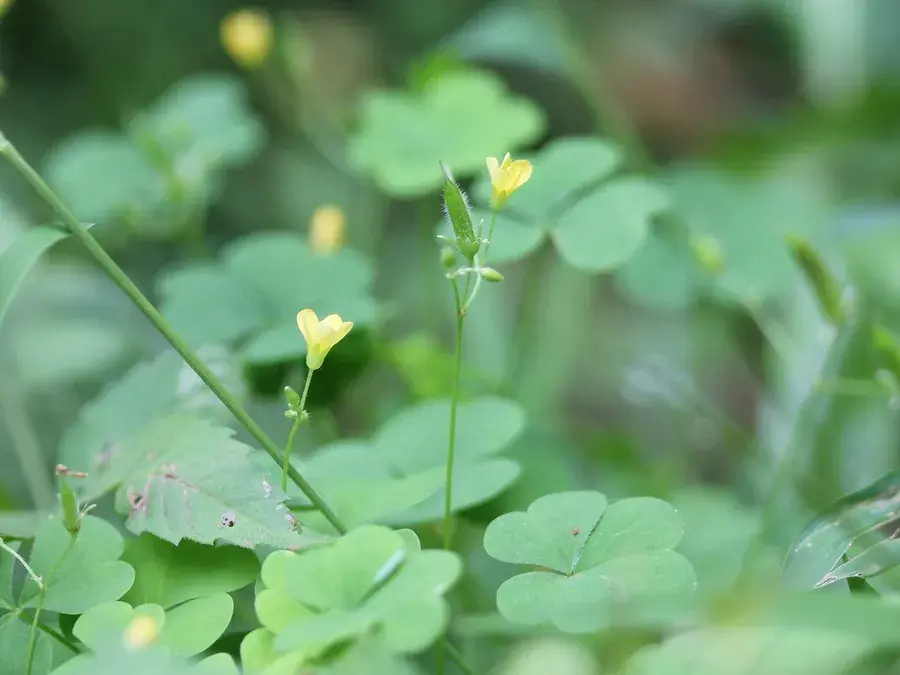 Traditional use only
Wood sorrel
Oxalis stricta
A sharp trailside nibble, traditionally chewed for thirst.
Caution: Oxalic acid again — small amounts only, and avoid with kidney stones or gout.
Full entry and all cautions →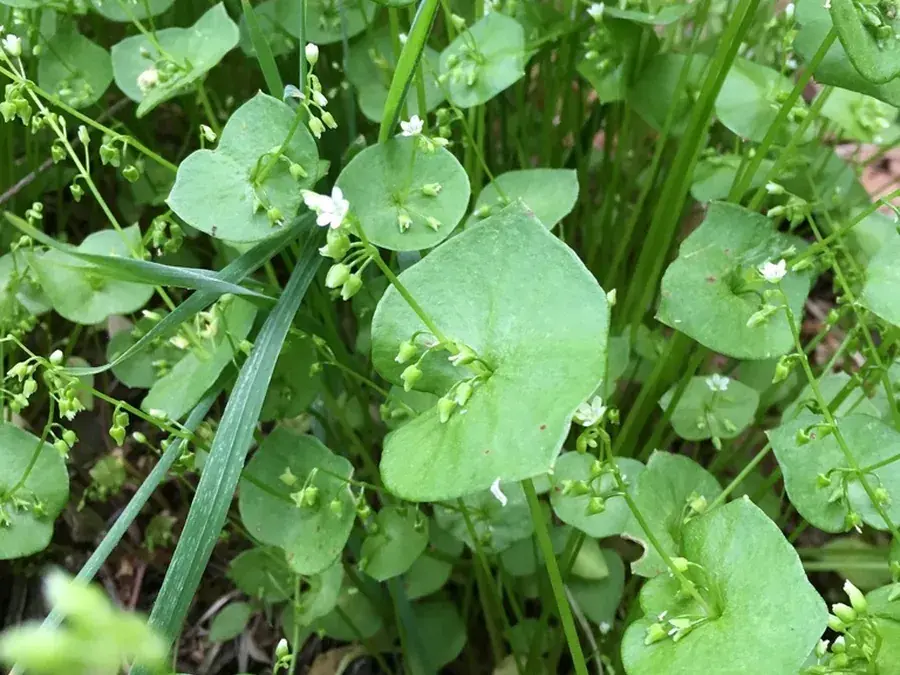 Some evidence, mixed
Miner's lettuce
Claytonia perfoliata
Eaten by gold-rush miners for its vitamin C, as a scurvy preventative — one of the few genuinely medicinal uses of a wild green in North American history.
Caution: No significant cautions as a food. Wash it — it grows low and in damp ground.
Full entry and all cautions →- Has a dangerous look-alikeTraditional use only
Spruce and fir tips
Picea spp.
A vitamin C tea across the boreal north — the drink credited with saving Cartier's crew from scurvy at Stadacona in 1536 — and a syrup for winter coughs.
Caution: Yew is deadly and has flat, soft, dark needles with no woody peg where they join the twig. Spruce needles are square, sharp and sit on little pegs. Be certain.
Full entry and all cautions → - Some evidence, mixed
Wild raspberries
Rubus idaeus
Raspberry leaf tea has a long tradition in late pregnancy and as a mild astringent for upset stomachs.
Caution: Despite the tradition, do not use raspberry leaf in pregnancy without your midwife or doctor's agreement.
Full entry and all cautions → - Some evidence, mixed
Wild blueberries
Vaccinium angustifolium
Eaten as food; the fruit's pigments are the basis of a great many circulatory and eyesight claims.
Caution: Do not make tea from the leaves — prolonged use has been associated with toxicity.
Full entry and all cautions → - Some evidence, mixed
Hen of the woods (maitake)
Grifola frondosa
Eaten as food; sold widely as maitake on immune and blood-sugar claims.
Caution: May lower blood sugar and blood pressure, adding to medication for either.
Full entry and all cautions → 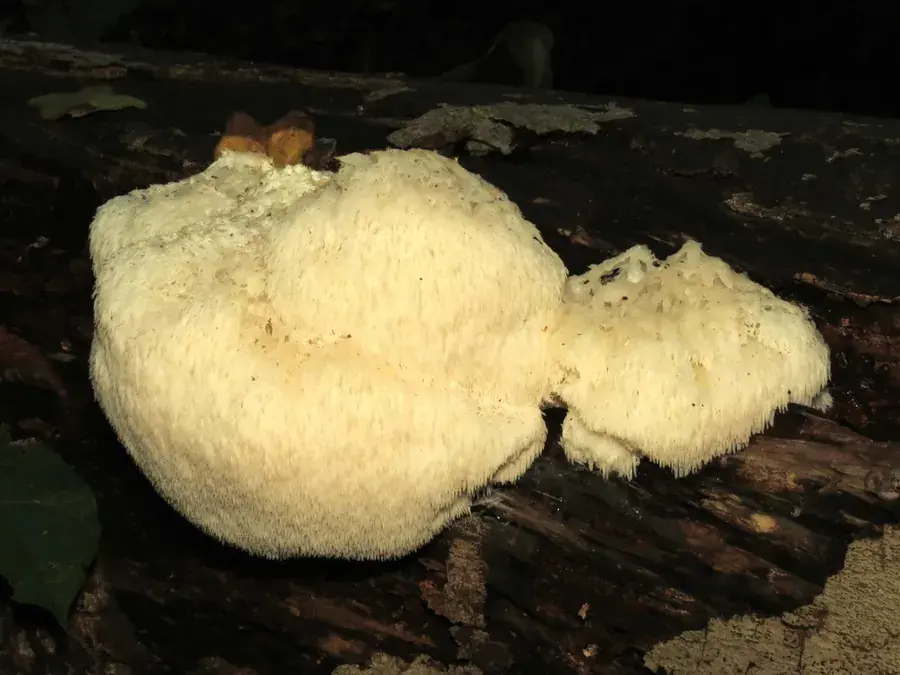 Some evidence, mixed
Lion's mane
Hericium erinaceus
Eaten as food; heavily marketed on memory and nerve claims.
Caution: Skin rashes and breathing difficulty have been reported by a few people.
Full entry and all cautions →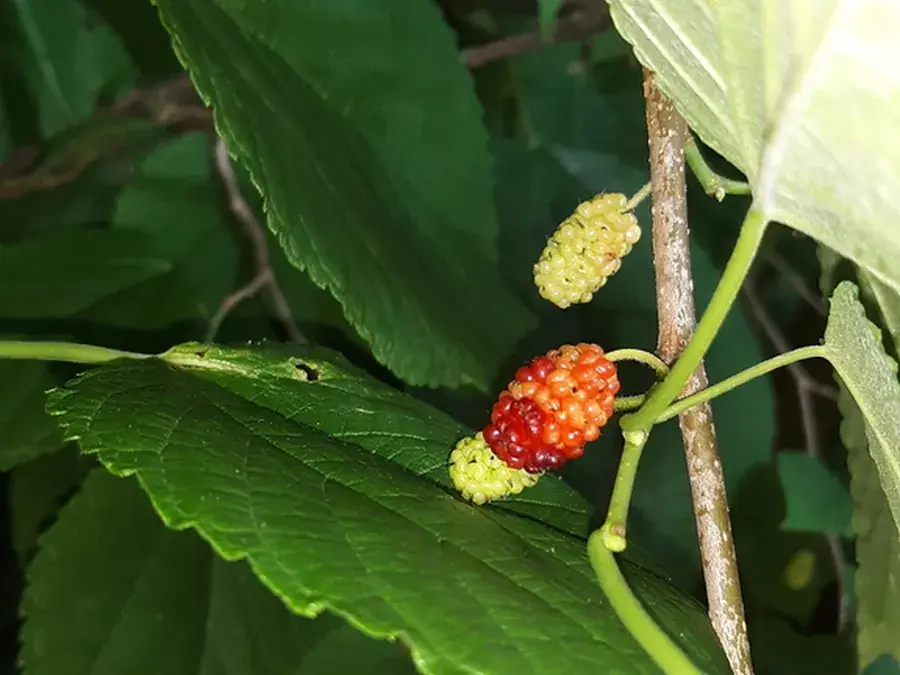 Some evidence, mixed
Mulberries
Morus rubra
Eaten as food; the leaf has a separate blood-sugar tradition in Asia.
Caution: Unripe fruit and the milky sap cause stomach upset and can be mildly hallucinogenic.
Full entry and all cautions →
Kidneys & urinary
Diuretics and soothing plants for the urinary tract.
- Some evidence, mixed
Dandelion
Taraxacum officinale
A bitter tonic taken before meals to encourage appetite and digestion, and as a spring diuretic — the old French name pissenlit is not subtle about it.
Caution: A real diuretic — it can add to the effect of prescription diuretics and affect potassium and lithium levels.
Full entry and all cautions → - Some evidence, mixed
Stinging nettle
Urtica dioica
Taken as a spring tonic for its iron, calcium and vitamin content, and long used as a tea for aching joints and as a mild diuretic.
Caution: Diuretic — care alongside prescription diuretics or lithium.
Full entry and all cautions → - Has a dangerous look-alikeTraditional use only
Juniper berries
Juniperus communis
A digestive and urinary remedy across northern Europe, and the flavour of gin.
Caution: Avoid entirely in pregnancy — a documented uterine stimulant with a long history as an abortifacient.
Full entry and all cautions → 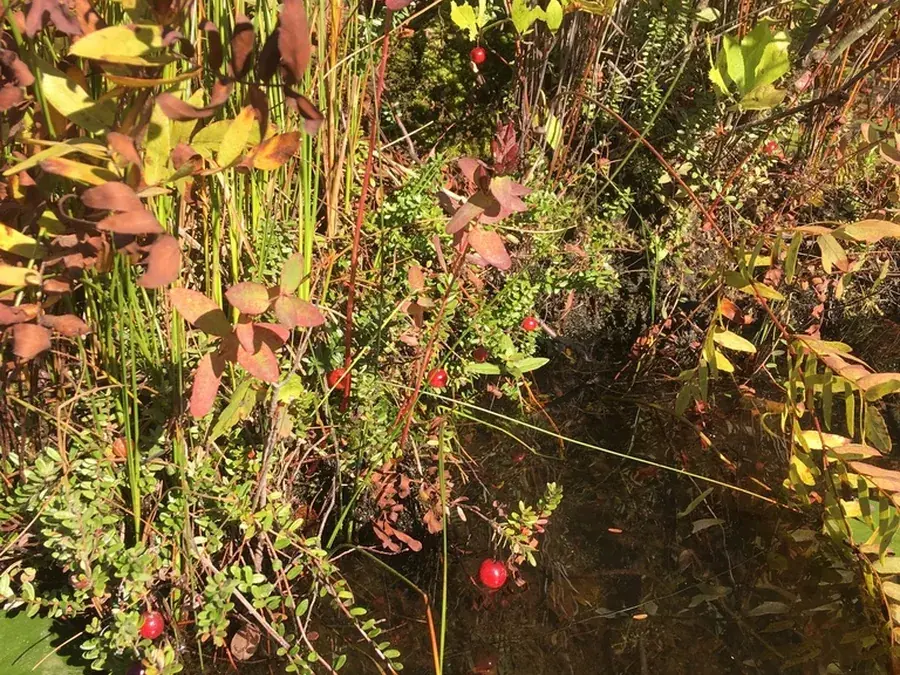 Studied in people
Wild cranberry
Vaccinium macrocarpon
The best-known folk approach to recurrent urinary infections in North America.
Caution: A urinary infection needs antibiotics. Fever, back pain or blood means see a doctor today.
Full entry and all cautions →
Find them near you
Which of these grow where you live
Enter a town, postal code or ZIP and the foraging guide narrows to your ecological region and this month — including which of these plants are up and findable right now.
Educational information only, and no part of it is a substitute for professional medical advice, diagnosis or treatment. If you are unwell, see a doctor. If you think you have been poisoned, contact your local poison centre immediately — in Canada and the United States they answer around the clock and the call is free.