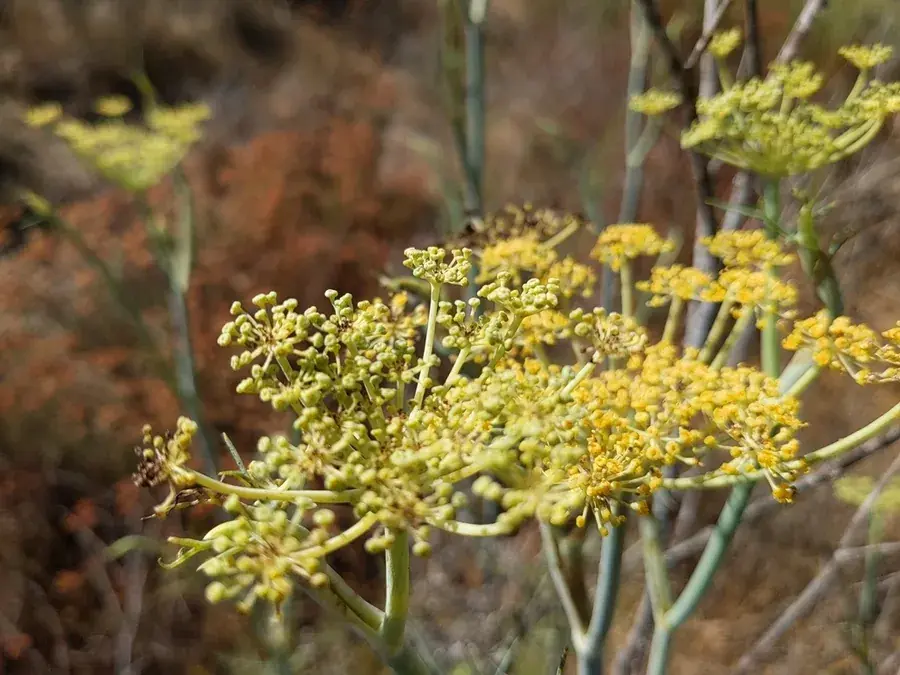
Photo by Public domain (iNaturalist) on iNaturalist · CC0 (public domain)
Wild fennel
Foeniculum vulgare
This one has a dangerous look-alike
Poison hemlock grows in the same lots, has purple-blotched hollow stems, ferny leaves and a foul musty smell. Fennel smells of liquorice; hemlock kills.
- When
- Typically May – October — May, June, July, August, September, October. Earlier in the south, later in the north.
- Where it grows
- Roadsides, vacant lots and coastal scrub through California and the Pacific coast.
- How to know it
- Tall feathery blue-green plant with an unmistakable anise smell; ribbed, solid green stems and yellow umbels.
- Harvest and use
- Fronds, pollen and seeds. The pollen is worth more per gram than saffron.
- Caution
- Smell it. Every time. If it does not smell strongly of anise, walk away.
Found in these regions
Is it ready near you?
Get this week's foraging guide for your area
Enter a town, postal code or ZIP and we'll tell you what's in season right there this week — from your local climate, this week's weather and your ecological region.
Also ready in September
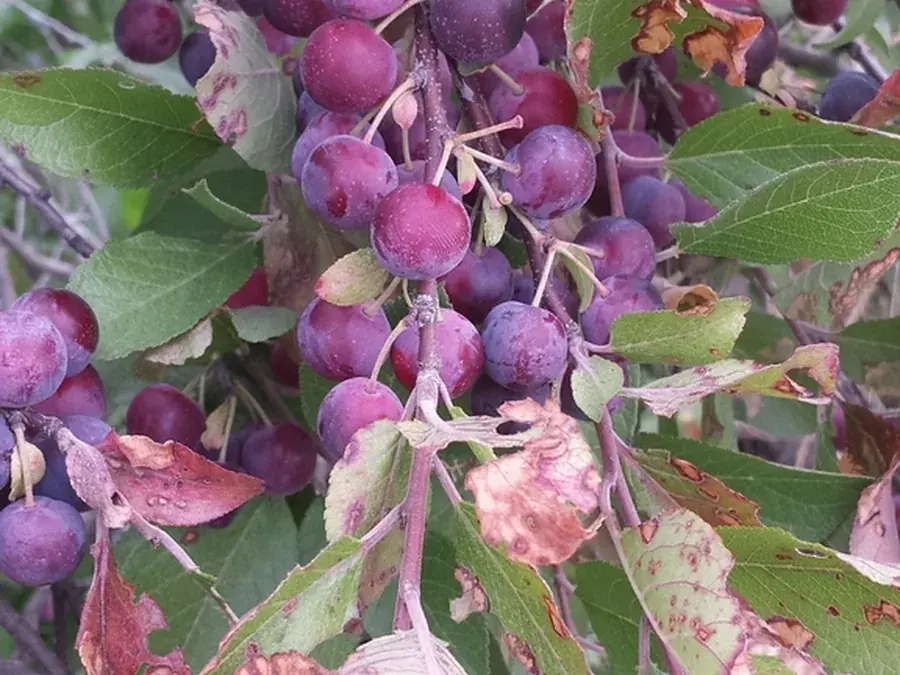 FruitAugust – September
Beach plum
Prunus maritima
Low sprawling shrub in the sand, with dusty purple plums about the size of a marble.
How to know it & its look-alikes →Photo: Tom Norton · CC BY 4.0
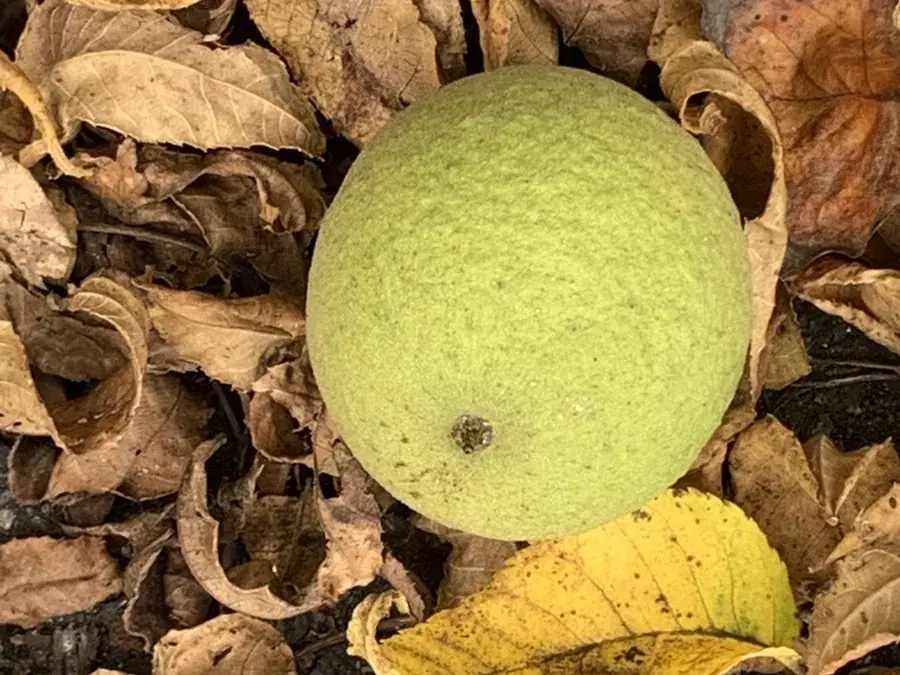 NutSeptember – October
Black walnut
Juglans nigra
Tennis-ball green husks lying under a tall tree with long compound leaves; the husk stains everything it touches brown.
How to know it & its look-alikes →Photo: Sandy Wolkenberg · CC BY 4.0
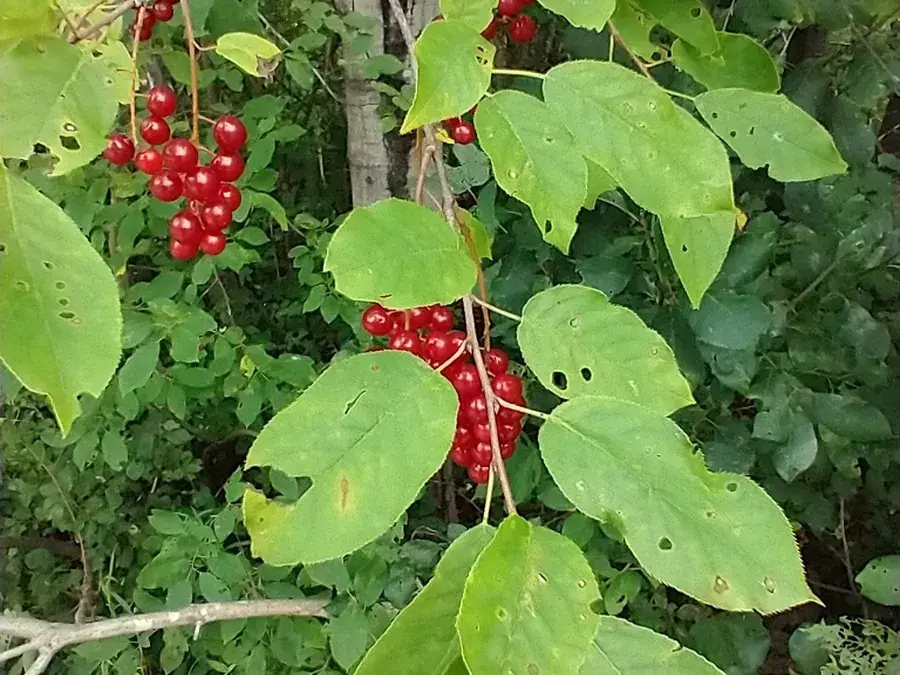 FruitAugust – September
Chokecherry
Prunus virginiana
Long drooping clusters of dark red-to-black cherries on a small tree with finely toothed oval leaves.
How to know it & its look-alikes →Photo: Tom Norton · CC BY 4.0
Educational information only. Never eat a wild plant or mushroom identified from a single photograph or description — confirm with a regional field guide or an experienced forager, and know the poisonous species in your area first.