The field guide
Everything else out there working
54 fish, insects and soil creatures across Canada and the United States — 27 sport fish and 27 of the garden's own workforce, photographed and described plainly. In September, 44 of them are active.
See what's active where you are
Enter a town, postal code or ZIP and every page narrows to your ecological region and this week's weather.
Fish
Where they hold, how to know one, and the tactic that usually works.
 FishYear-round
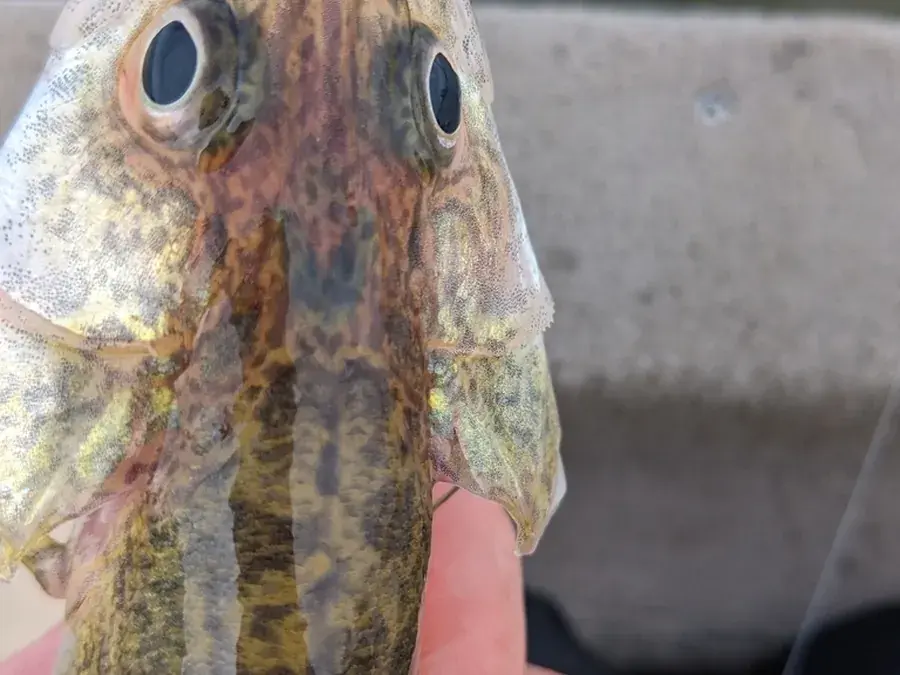
Walleye
Sander vitreus
Olive-gold flanks, a spiny first dorsal, and the big glassy eye that gives it the name and lets it hunt in low light.
Where and how to catch it →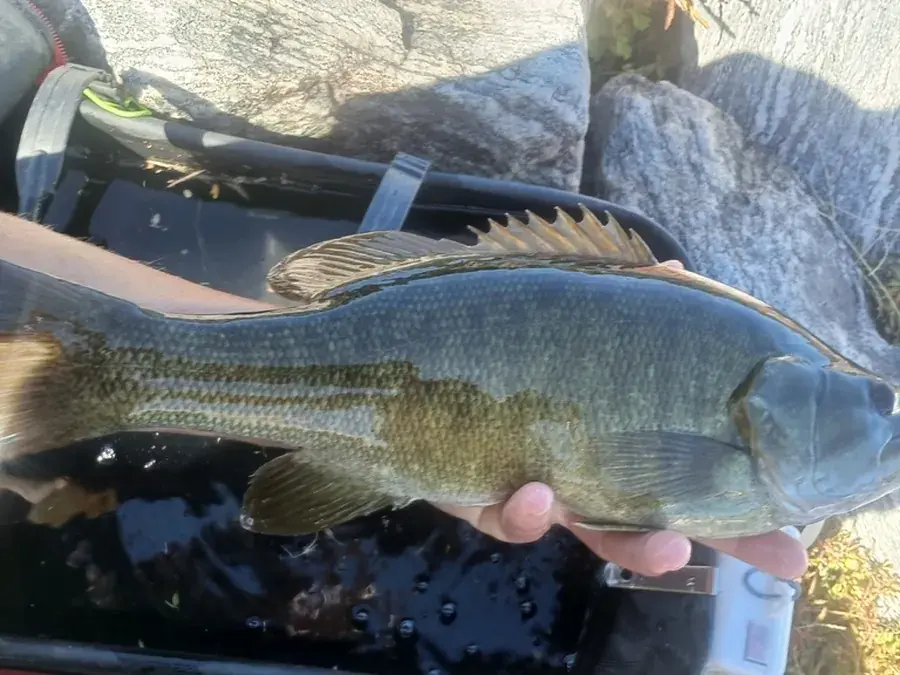 FishMay–Oct
Smallmouth bass
Micropterus dolomieu
Bronze-brown with vertical bars, red eye, and a jaw that ends level with the eye — not past it.
Where and how to catch it →Photo: Joshua Johnson · CC BY 4.0
 FishApr–Oct
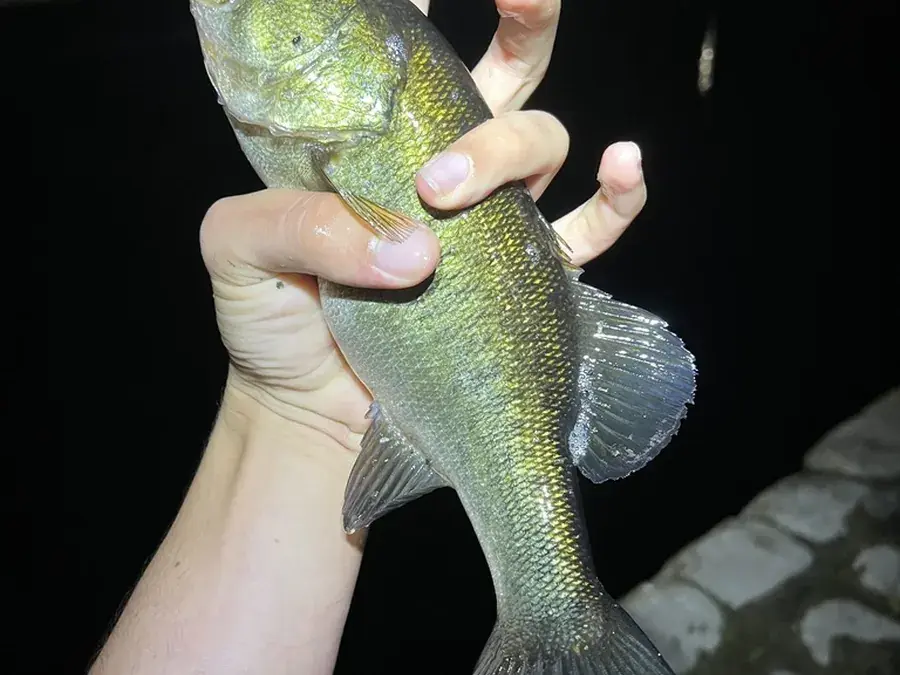
Largemouth bass
Micropterus salmoides
Green with a dark lateral stripe, and an upper jaw that extends past the back of the eye.
Where and how to catch it →Photo: Nick Tobler (Cowturtle) · CC BY 4.0
 FishJan–Jun
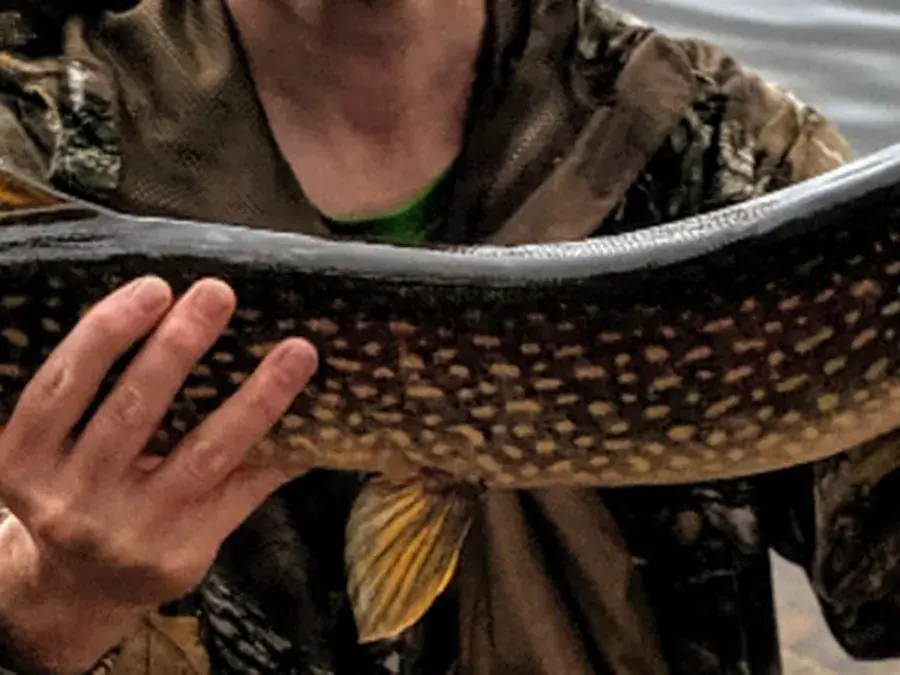
Northern pike
Esox lucius
Long torpedo body, duck-like jaws, light bean-shaped spots on a dark green flank.
Where and how to catch it →Photo: Daughter Dad · CC BY 4.0
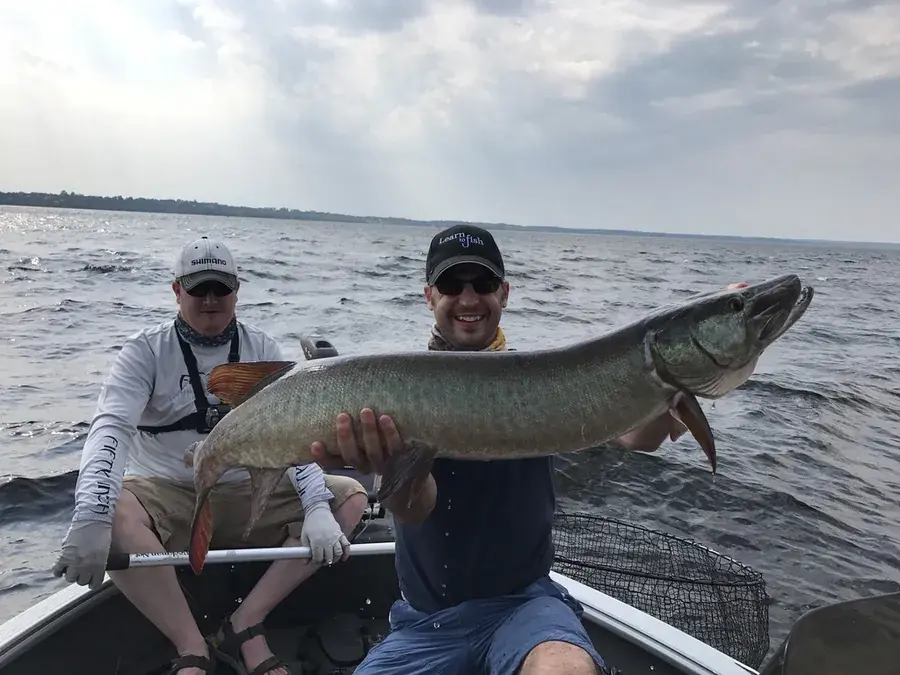 FishJun–Nov
Muskellunge
Esox masquinongy
Like a pike but with dark bars on a light flank — the reverse pattern — and pointed tail lobes.
Where and how to catch it →Photo: Matt Garvin · CC BY-SA 4.0
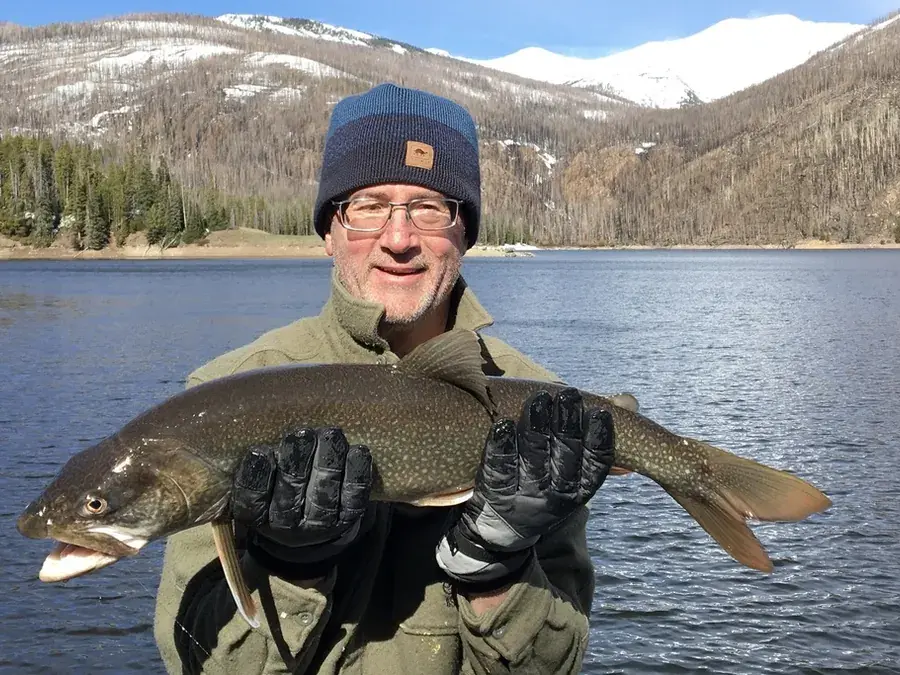 FishSep–May
Lake trout
Salvelinus namaycush
Pale cream spots on a dark green-grey body, and a deeply forked tail.
Where and how to catch it →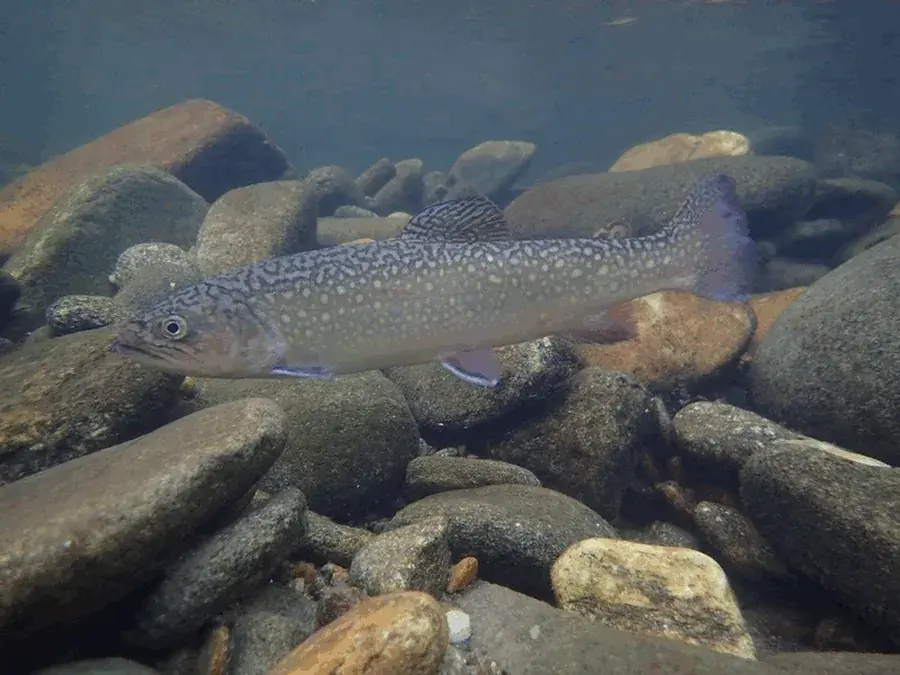 FishApr–Sep
Brook trout
Salvelinus fontinalis
Worm-like pale vermiculations on a dark green back, red spots ringed in blue, and white-edged lower fins.
Where and how to catch it →Photo: Evan M. Raskin · CC BY 4.0
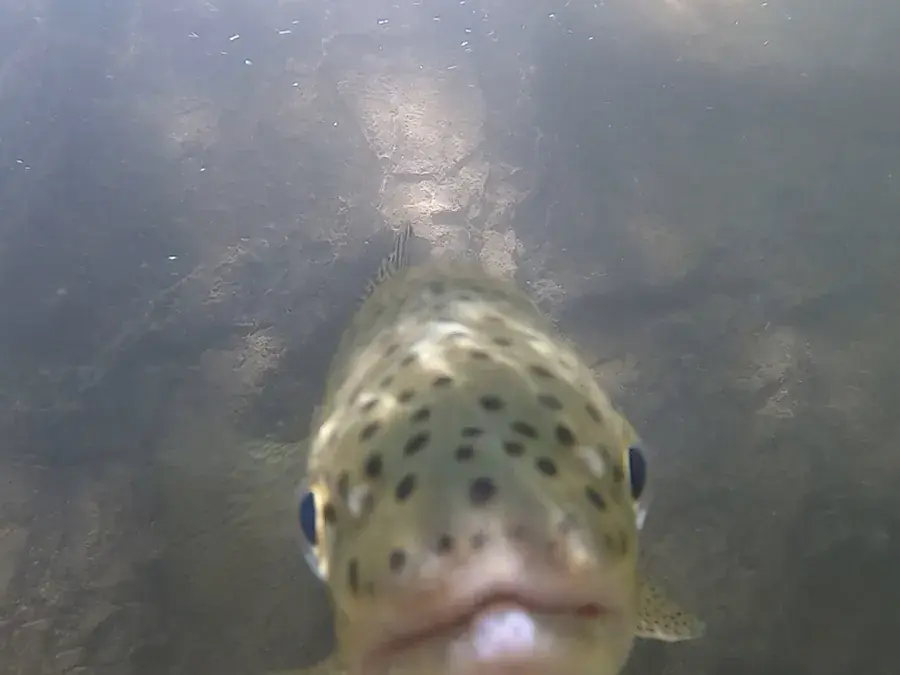 FishMar–Jun
Rainbow trout
Oncorhynchus mykiss
A pink-red band down the flank, small black spots over the whole body and tail.
Where and how to catch it →Photo: Mike Heine · CC BY 4.0
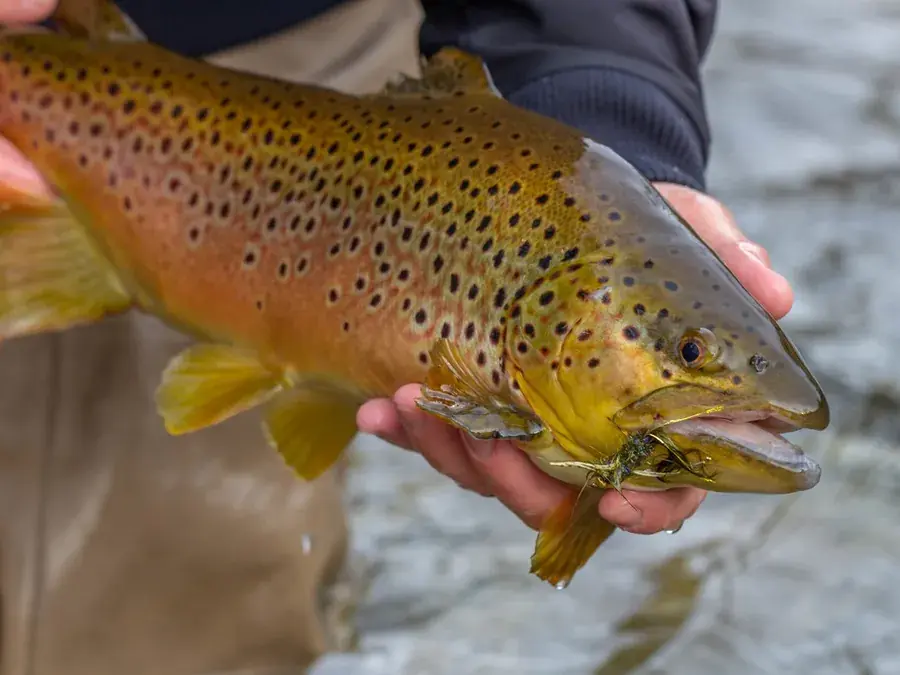 FishApr–Jun
Brown trout
Salmo trutta
Butter-brown flanks with black and red spots ringed in pale halos; few or no spots on the tail.
Where and how to catch it →Photo: kirk gardner · CC BY 4.0
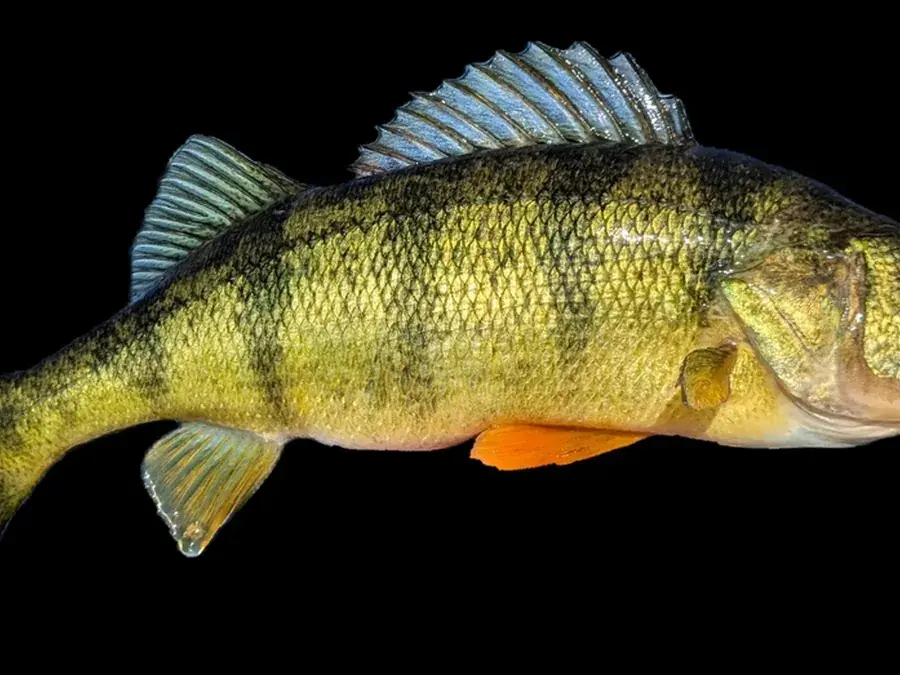 FishSep–Jun
Yellow perch
Perca flavescens
Golden-yellow with six to eight dark vertical bars and orange lower fins.
Where and how to catch it →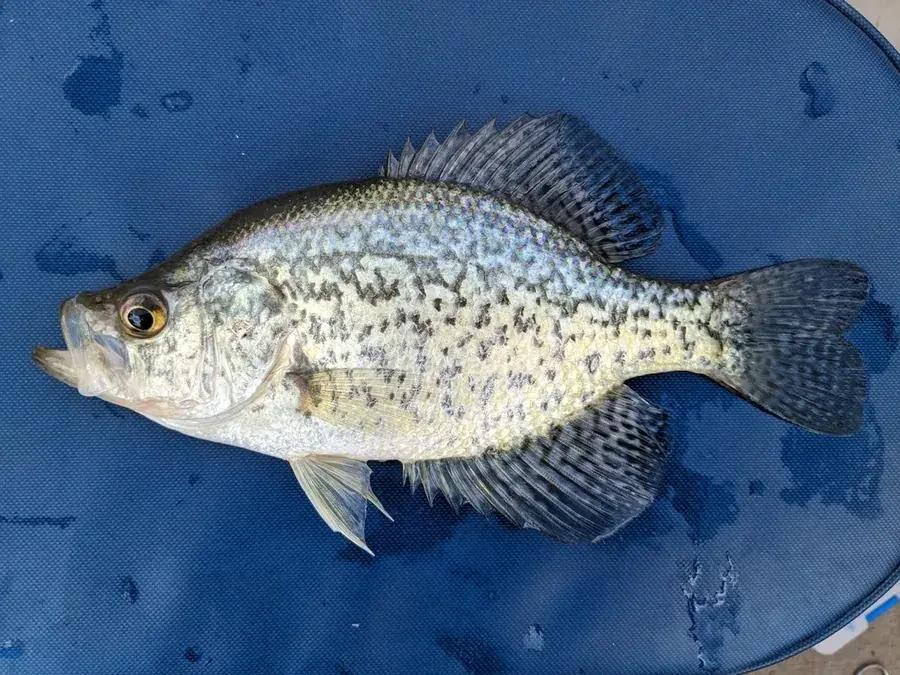 FishSep–Jun
Black crappie
Pomoxis nigromaculatus
Silvery with irregular black speckling, a deep flat body and seven or eight dorsal spines.
Where and how to catch it →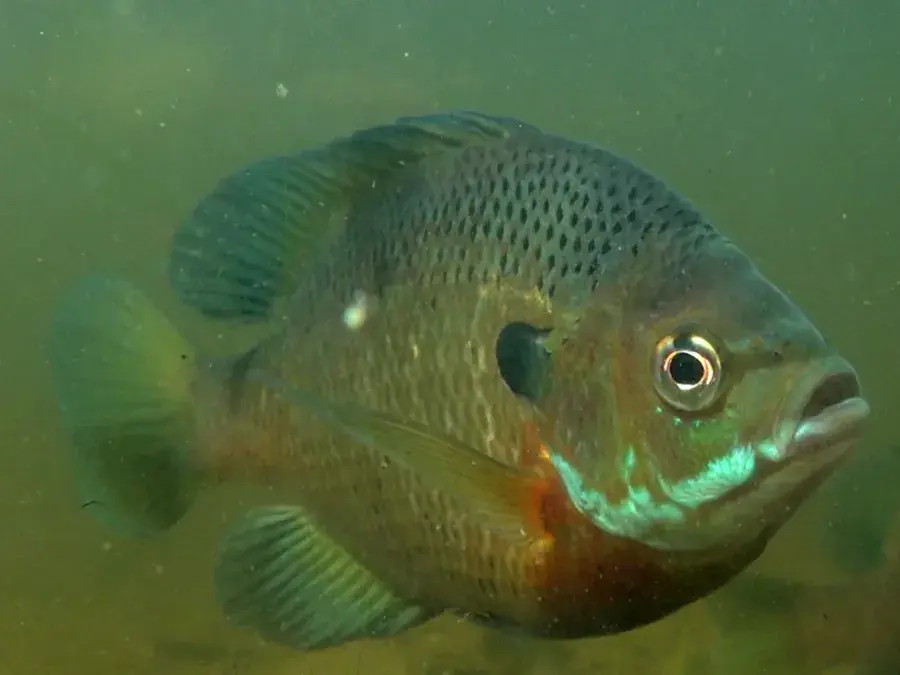 FishApr–Sep
Bluegill
Lepomis macrochirus
Deep round body, a solid black ear flap, and a small mouth.
Where and how to catch it →Photo: Kristiina Hurme · CC BY 4.0
 FishMay–Oct
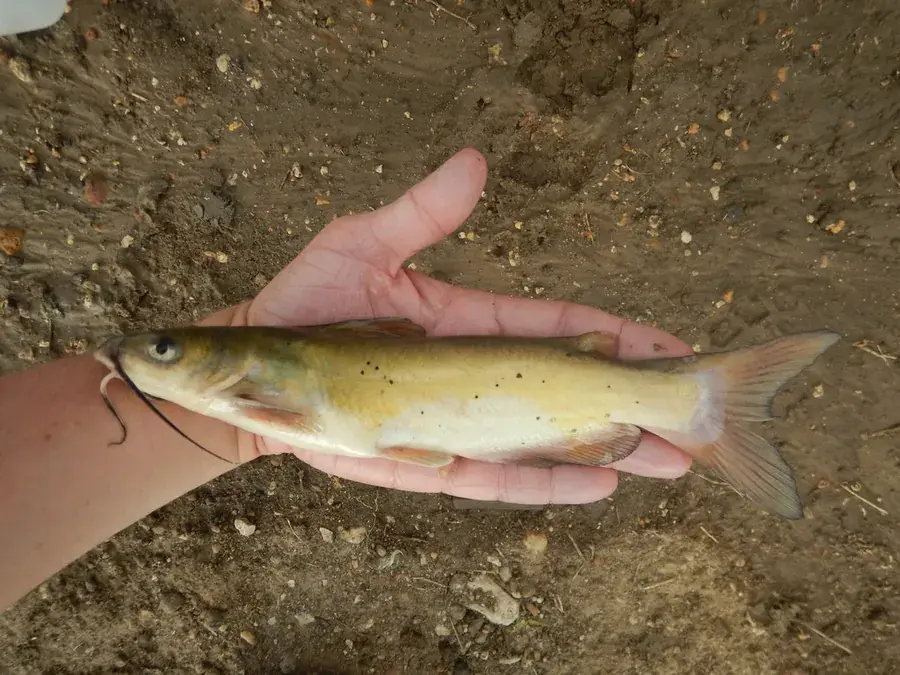
Channel catfish
Ictalurus punctatus
Deeply forked tail, scattered dark spots on young fish, and long whiskers.
Where and how to catch it →Photo: Fishes of Texas team · CC BY-SA 4.0
 FishJul–Oct
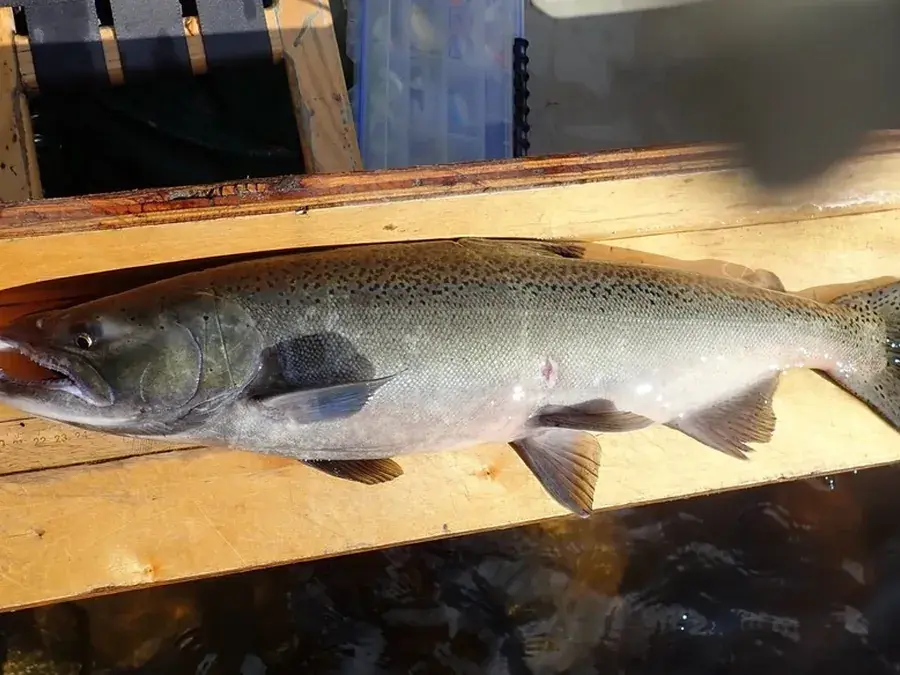
Chinook salmon
Oncorhynchus tshawytscha
Black gums at the base of the teeth, small black spots on both tail lobes, and real size — often over 10 kg.
Where and how to catch it →Photo: Rob Foster · CC BY 4.0
 FishAug–Nov
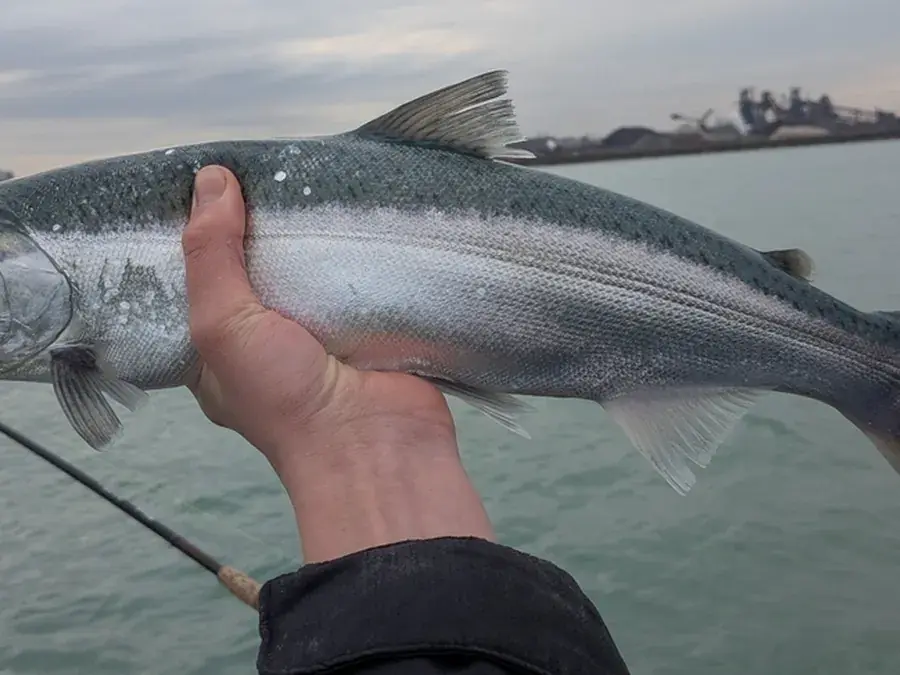
Coho salmon
Oncorhynchus kisutch
White gums, spots only on the upper tail lobe, and a bright silver body turning deep red in the river.
Where and how to catch it →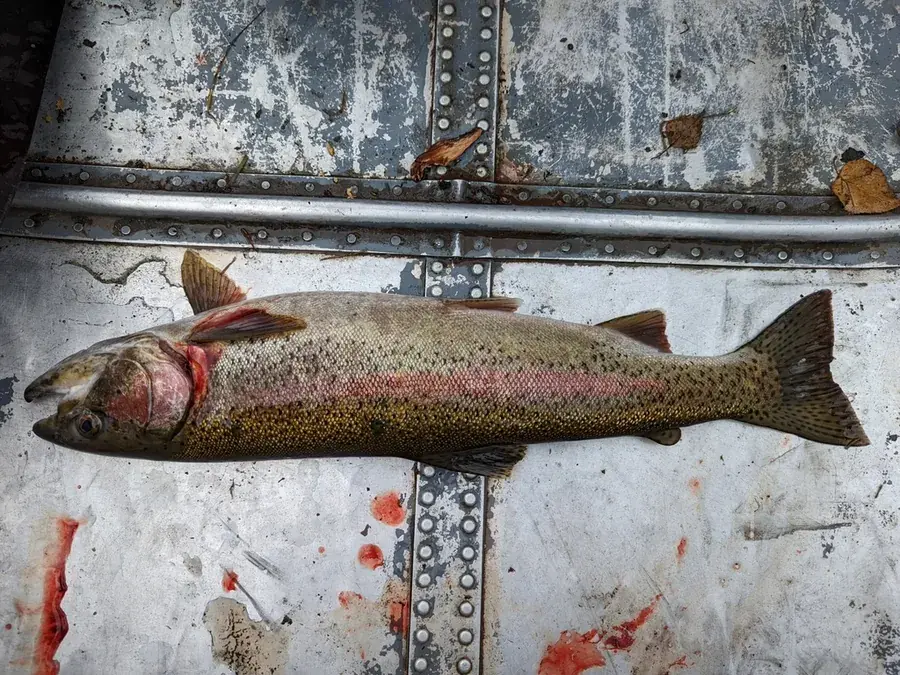 FishOct–Apr
Steelhead
Oncorhynchus mykiss
A sea-run or lake-run rainbow: chrome-bright, small black spots, a faint pink stripe that brightens in the river.
Where and how to catch it →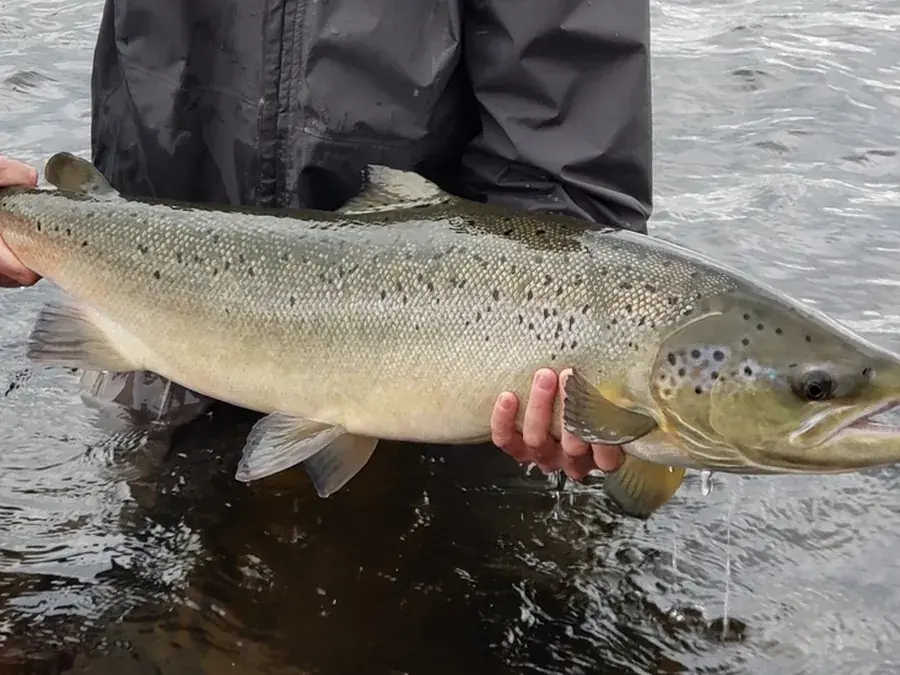 FishJun–Sep
Atlantic salmon
Salmo salar
Sparse X-shaped black spots above the lateral line, a slim wrist to the tail, and no spots on the tail.
Where and how to catch it →Photo: Fyn Kynd · CC BY-SA 4.0
 FishMay–Nov
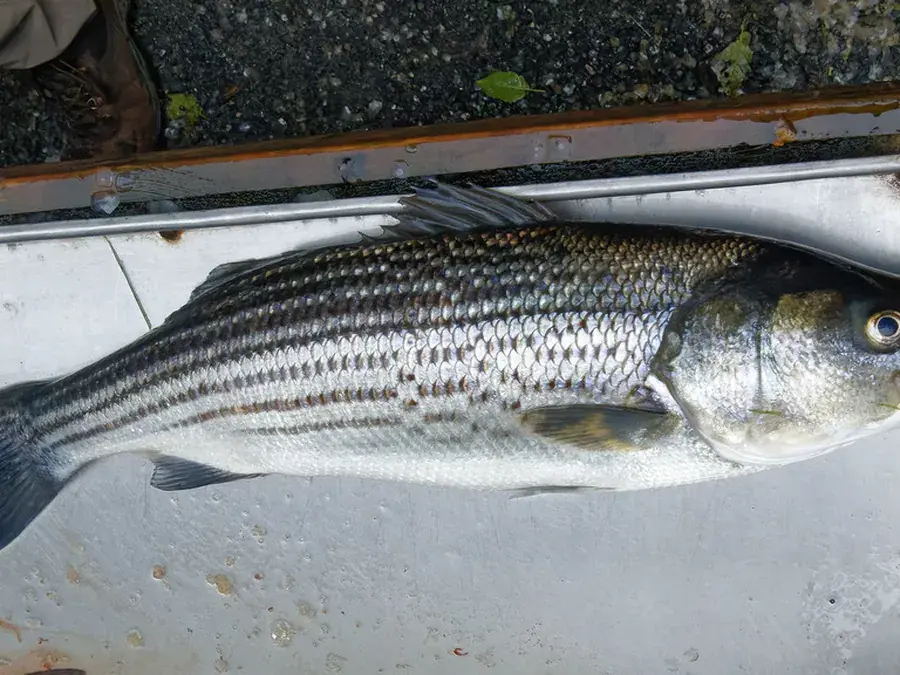
Striped bass
Morone saxatilis
Silver with seven or eight unbroken horizontal black stripes, and a large mouth.
Where and how to catch it →Photo: Christian Back · CC BY 4.0
 FishJun–Sep
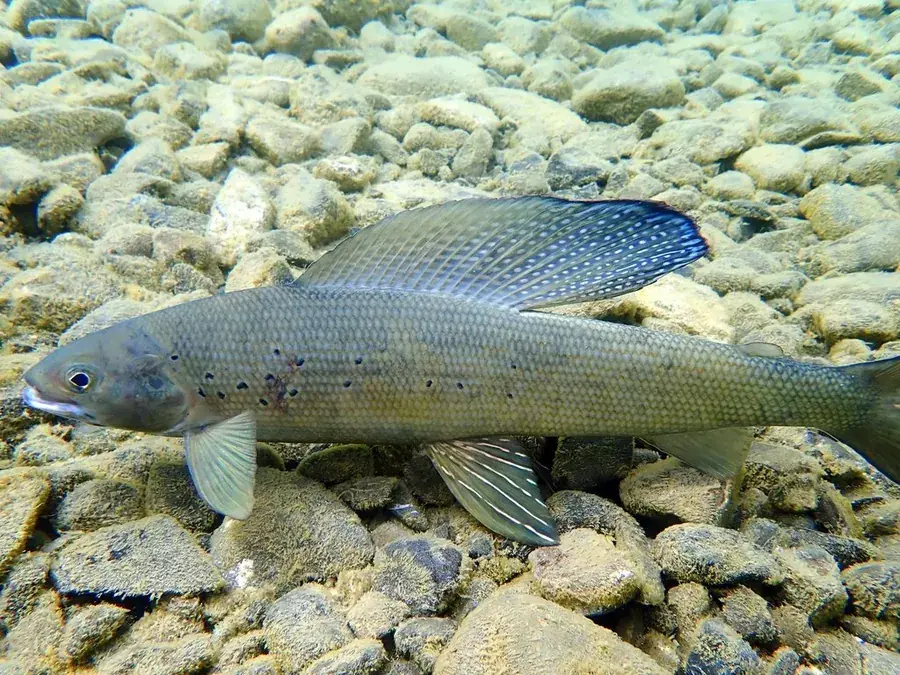
Arctic grayling
Thymallus arcticus
An enormous sail-like dorsal fin flecked with turquoise and red, over a silver-purple body.
Where and how to catch it →Photo: Bruce Deagle · CC BY 4.0
 FishNov–Mar
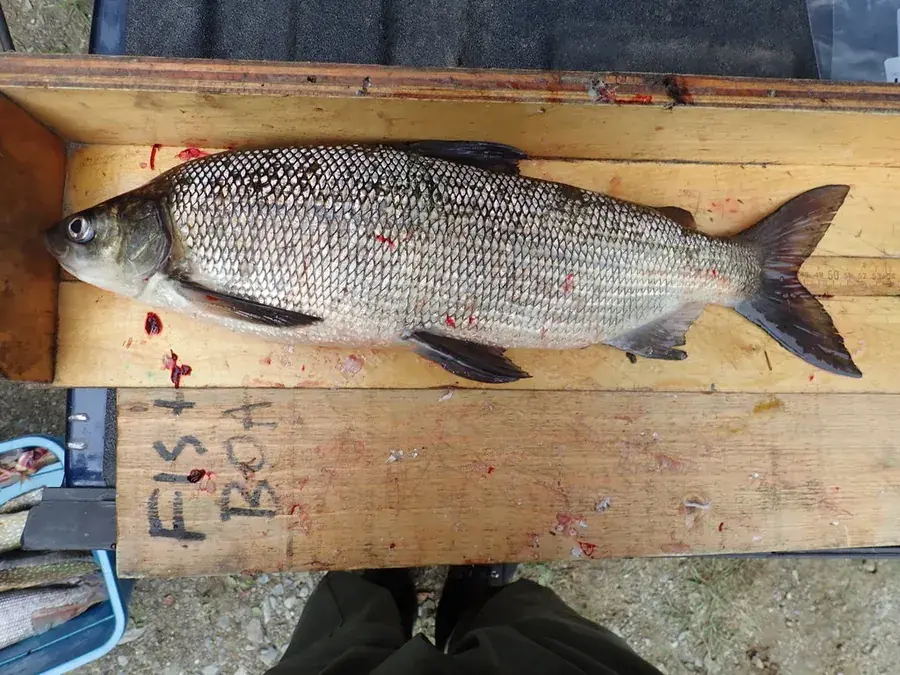
Lake whitefish
Coregonus clupeaformis
Small, blunt, overhanging snout above a small mouth; silver body, deeply forked tail.
Where and how to catch it →Photo: Rob Foster · CC BY 4.0
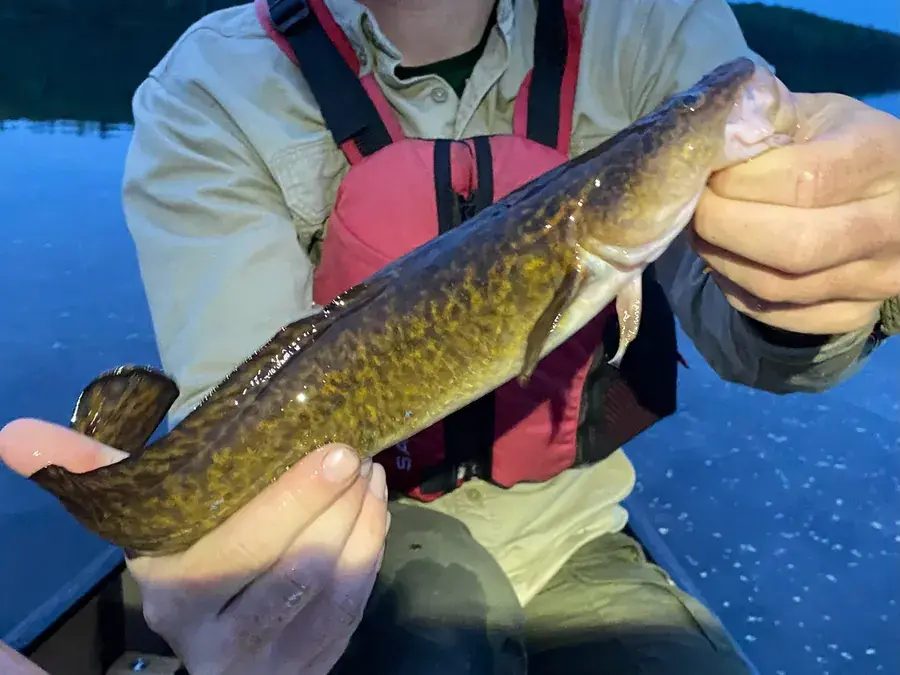 FishDec–Mar
Burbot
Lota lota
Eel-like tail, mottled brown-yellow skin, and a single barbel on the chin.
Where and how to catch it →Photo: Quinten Wiegersma · CC BY 4.0
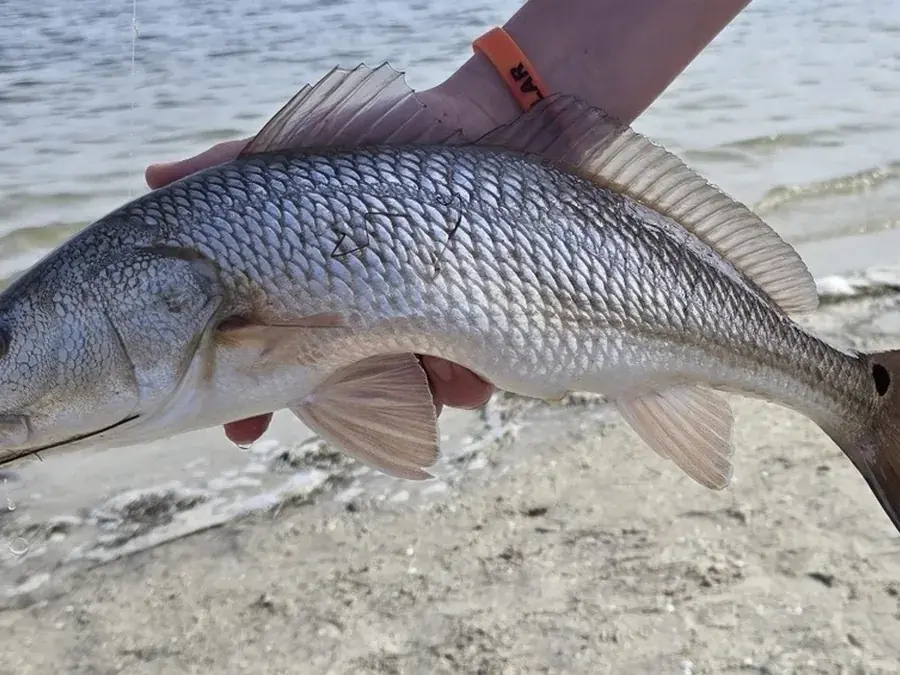 FishMar–Nov
Redfish (red drum)
Sciaenops ocellatus
Copper-bronze with at least one black spot at the base of the tail, and an underslung mouth.
Where and how to catch it →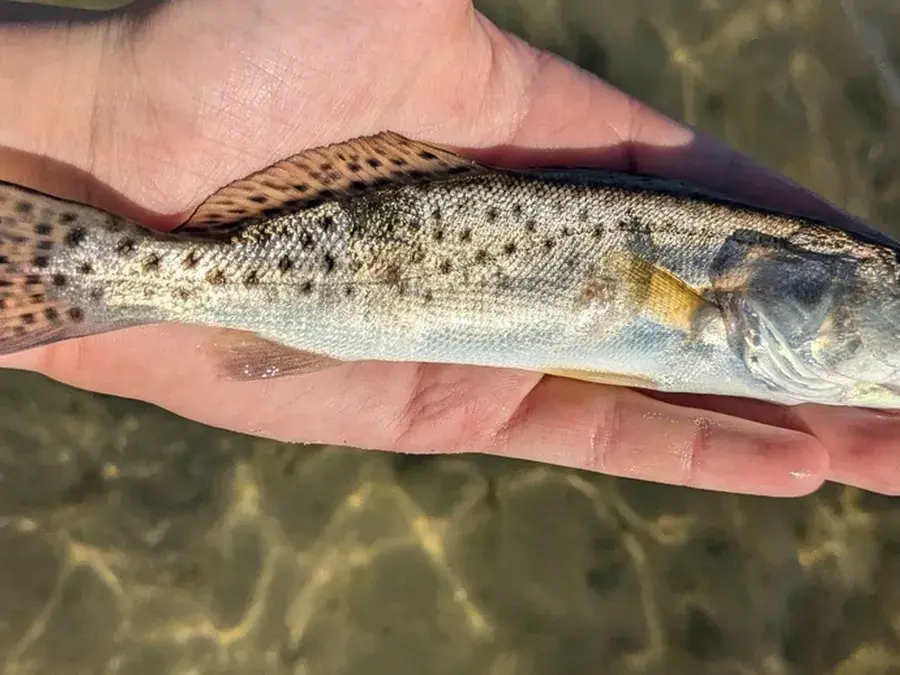 FishMar–Jun
Speckled trout (spotted seatrout)
Cynoscion nebulosus
Silver-grey with distinct round black spots on the back and tail, and two prominent canine teeth.
Where and how to catch it →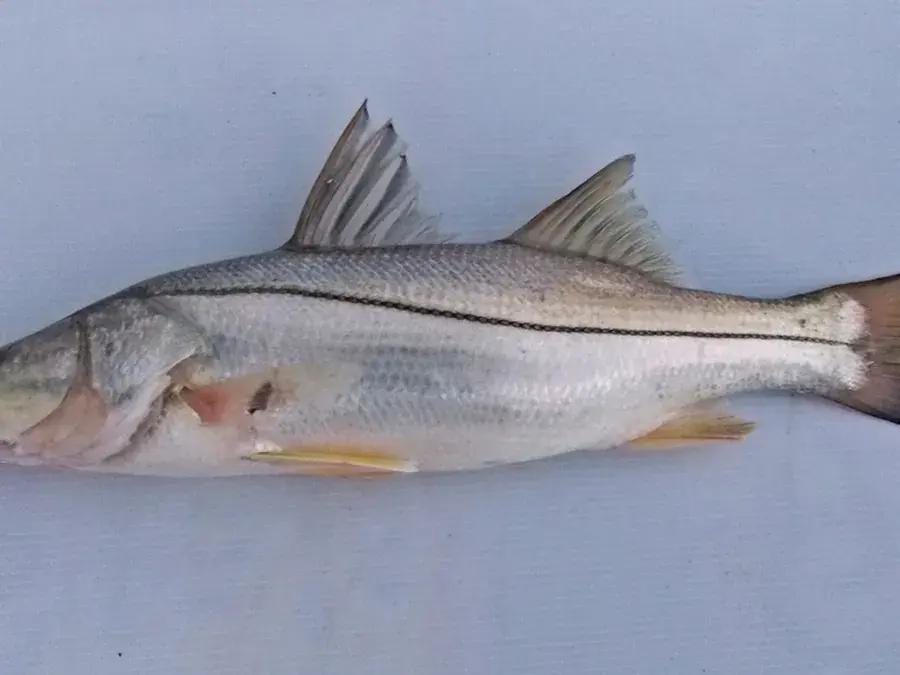 FishApr–Oct
Snook
Centropomus undecimalis
A sharp black lateral line running right through the tail, and a sloped forehead over an underslung jaw.
Where and how to catch it →Photo: José Francisco Colorado-Dapa · CC BY-SA 4.0
 FishMay–Sep
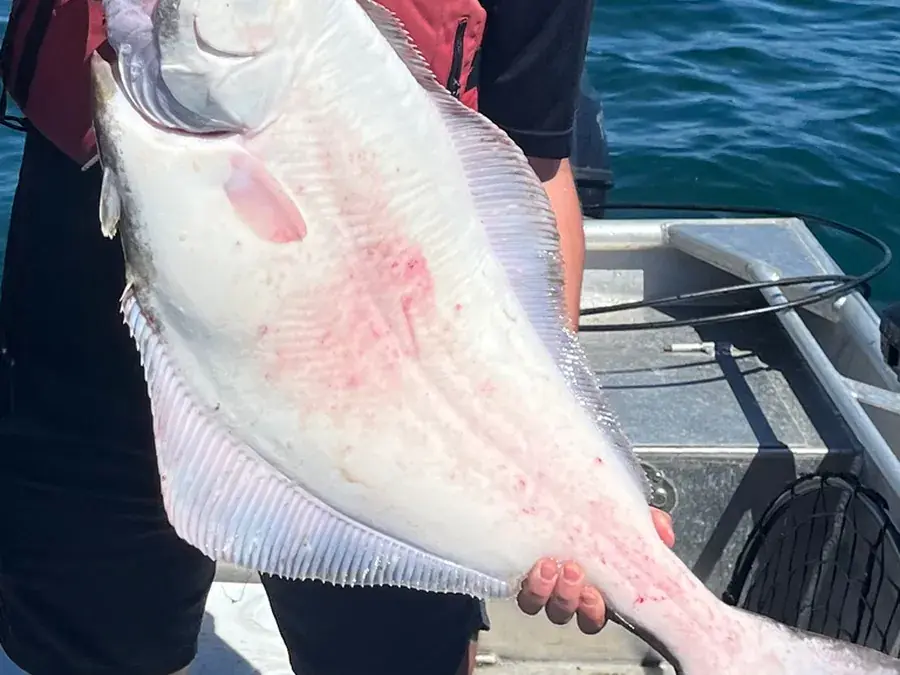
Pacific halibut
Hippoglossus stenolepis
A huge diamond-shaped flatfish, both eyes on the dark right side, with a slightly forked tail.
Where and how to catch it →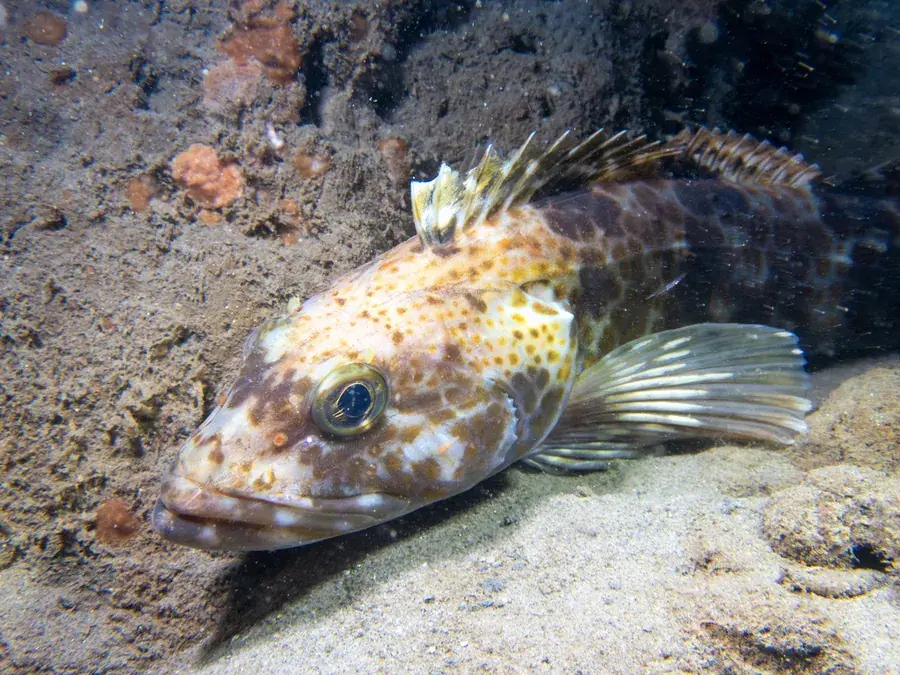 FishMay–Oct
Lingcod
Ophiodon elongatus
A big mottled head full of teeth, long body, and flesh that is sometimes bright blue-green (harmless — it cooks white).
Where and how to catch it →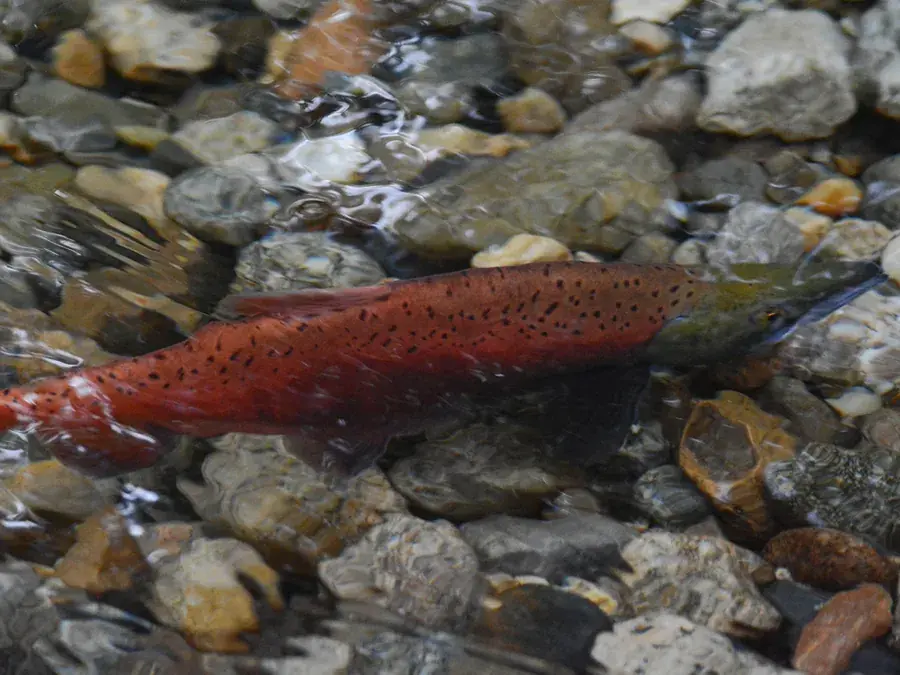 FishMay–Sep
Kokanee
Oncorhynchus nerka
A landlocked sockeye: bright silver in summer, turning brilliant red with a green head to spawn.
Where and how to catch it →
Pollinator
Nothing sets fruit without them. Learn who is doing the work.
 PollinatorMar–Oct
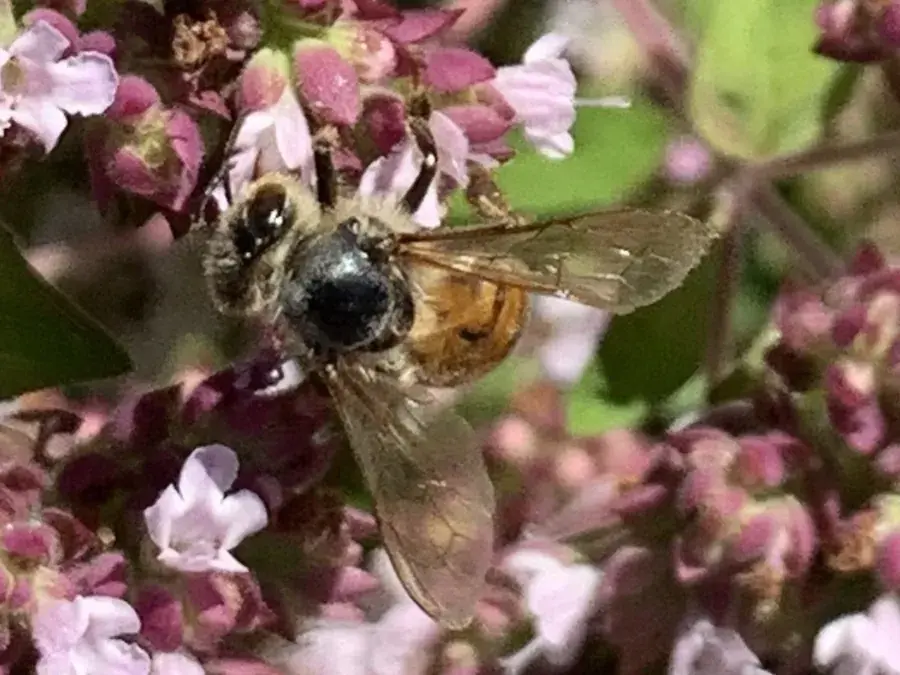
Honey bee
Apis mellifera
Golden-brown, banded, furry thorax, and pollen packed onto the hind legs in visible baskets.
What it does in the garden →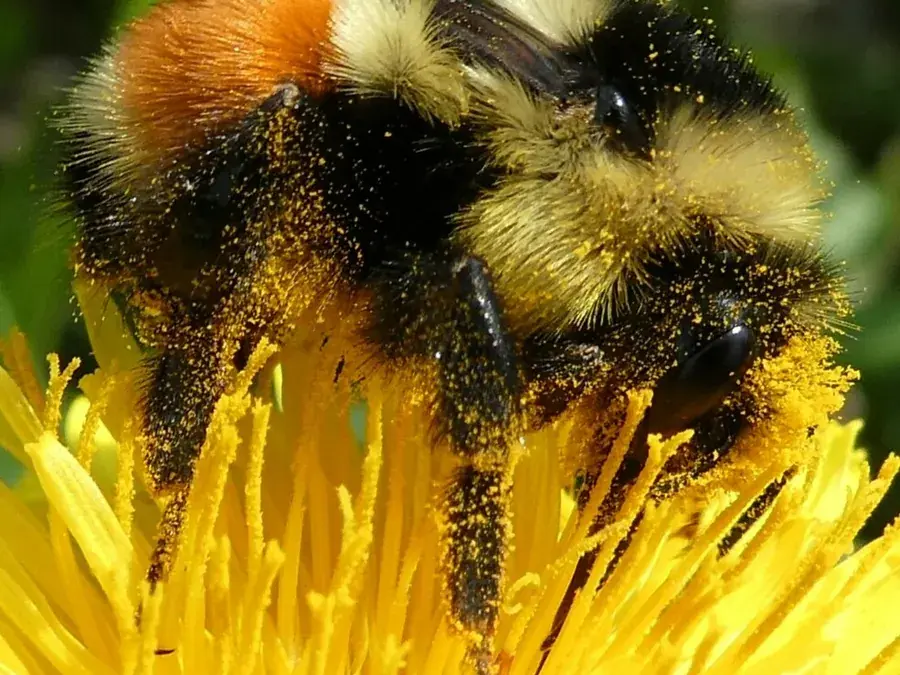 PollinatorMar–Oct
Bumble bees
Bombus spp.
Big, round and very furry, in black with yellow, orange or white bands.
What it does in the garden →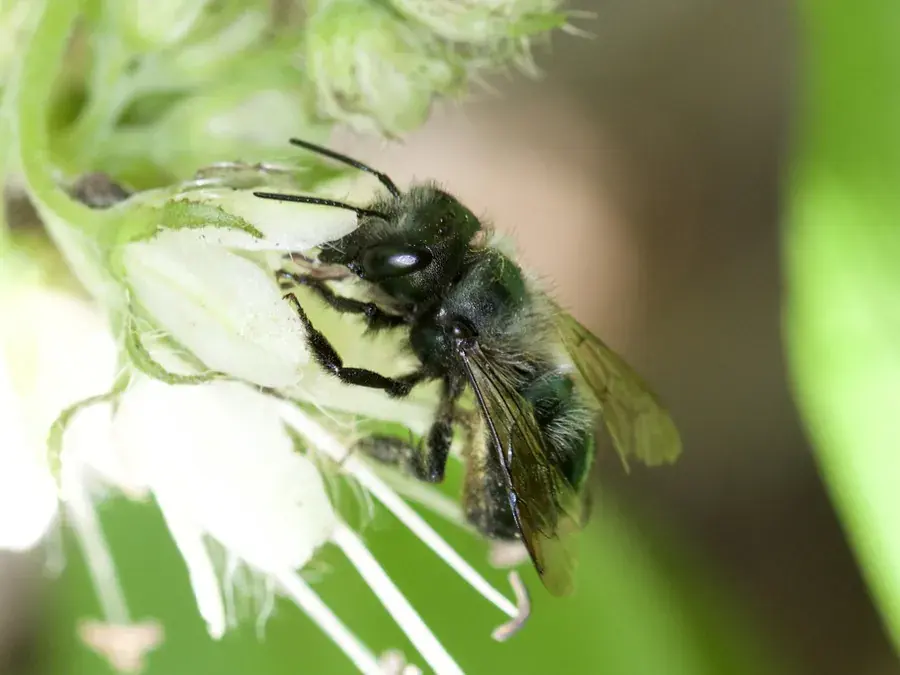 PollinatorMar–Jun
Mason bee
Osmia spp.
Small, dark metallic blue-black, carrying pollen dry on the underside of the abdomen rather than on the legs.
What it does in the garden →Photo: Owen Strickland · CC BY 4.0
 PollinatorApr–Sep
Hoverfly
Syrphidae
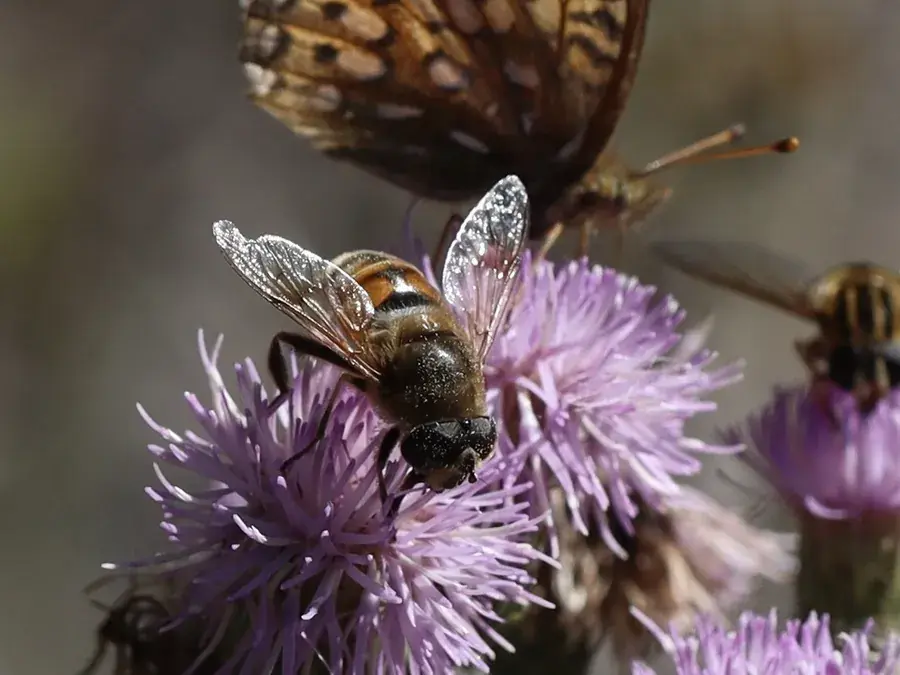
Wasp-striped but a true fly: two wings not four, huge eyes, and it hovers dead still in mid-air.
What it does in the garden →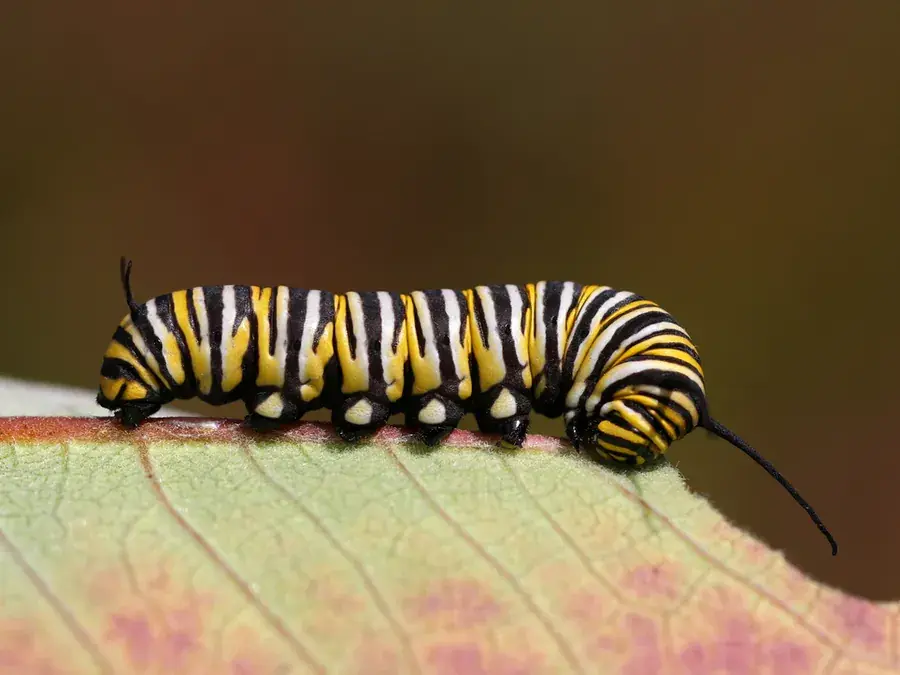 PollinatorMay–Oct
Monarch butterfly
Danaus plexippus
Orange with heavy black veins and a white-spotted black border. The caterpillar is banded yellow, white and black.
What it does in the garden →Photo: Christine Young · CC BY 4.0
 PollinatorMay–Sep
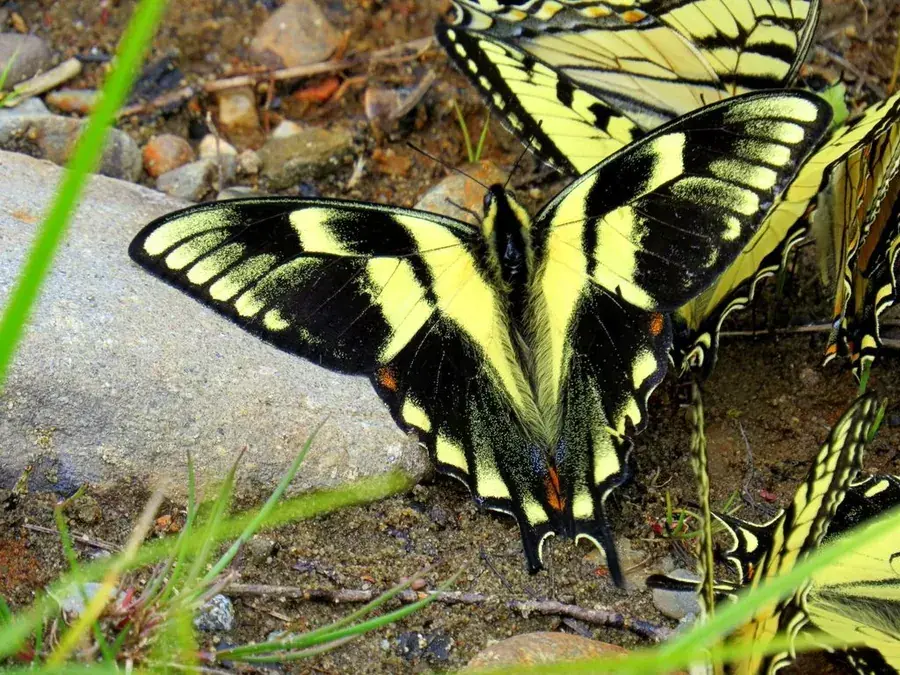
Swallowtail butterflies
Papilio spp.
Large, with tails on the hindwings; black-and-yellow tiger stripes, or black with blue and orange spots.
What it does in the garden →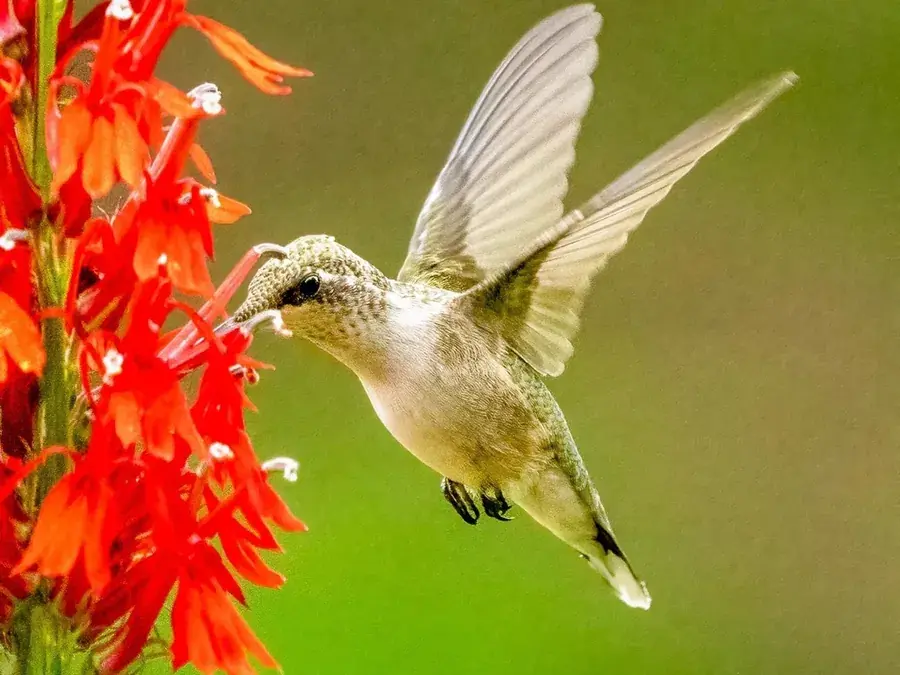 PollinatorMay–Sep
Ruby-throated hummingbird
Archilochus colubris
Tiny, iridescent green above; the male has a black-looking throat that flares ruby in the right light.
What it does in the garden →
Beneficial
Free pest control that arrives on its own — if you don't spray it away.
 BeneficialApr–Oct
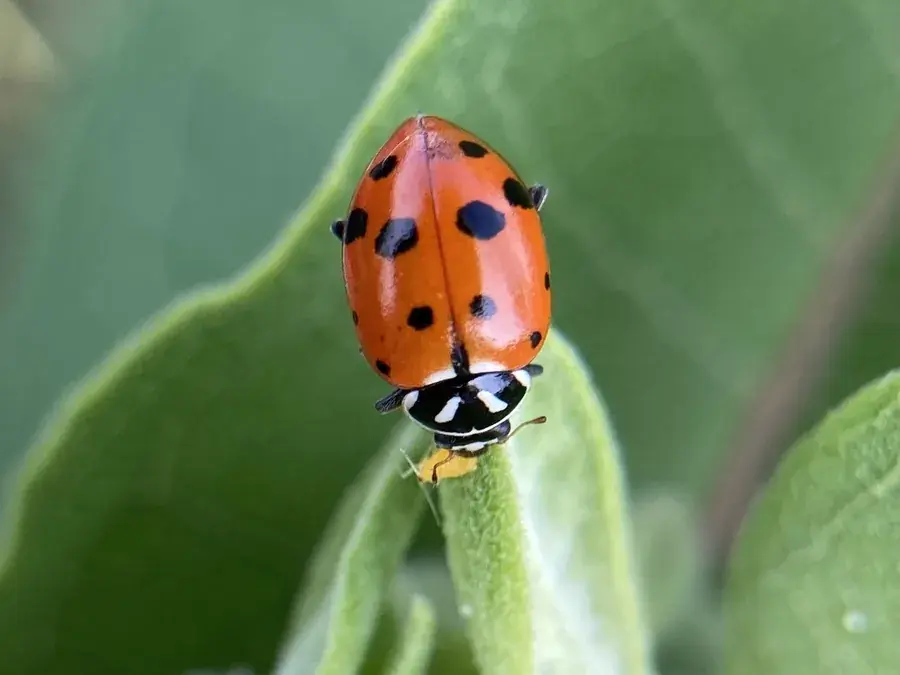
Lady beetle
Coccinellidae
The adult everyone knows; the larva is the useful one — a spiky, alligator-shaped grey-and-orange creature that looks like a pest.
What it does in the garden →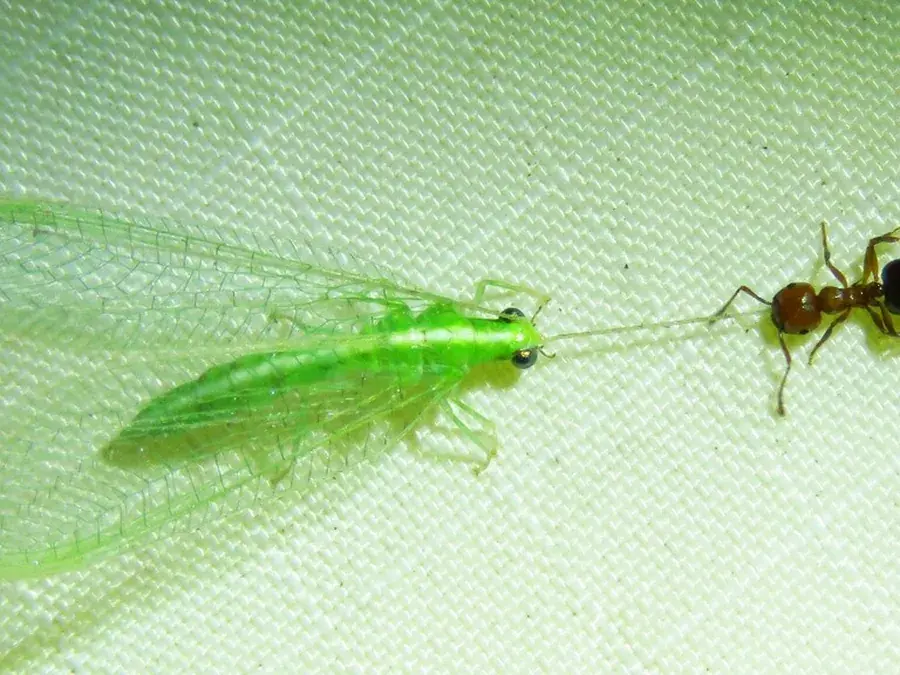 BeneficialMay–Sep
Green lacewing
Chrysoperla spp.
Delicate pale green adult with lacy wings and gold eyes. Eggs sit singly on the ends of hair-thin stalks.
What it does in the garden →Photo: Annika Lindqvist · CC BY 4.0
 BeneficialJul–Oct
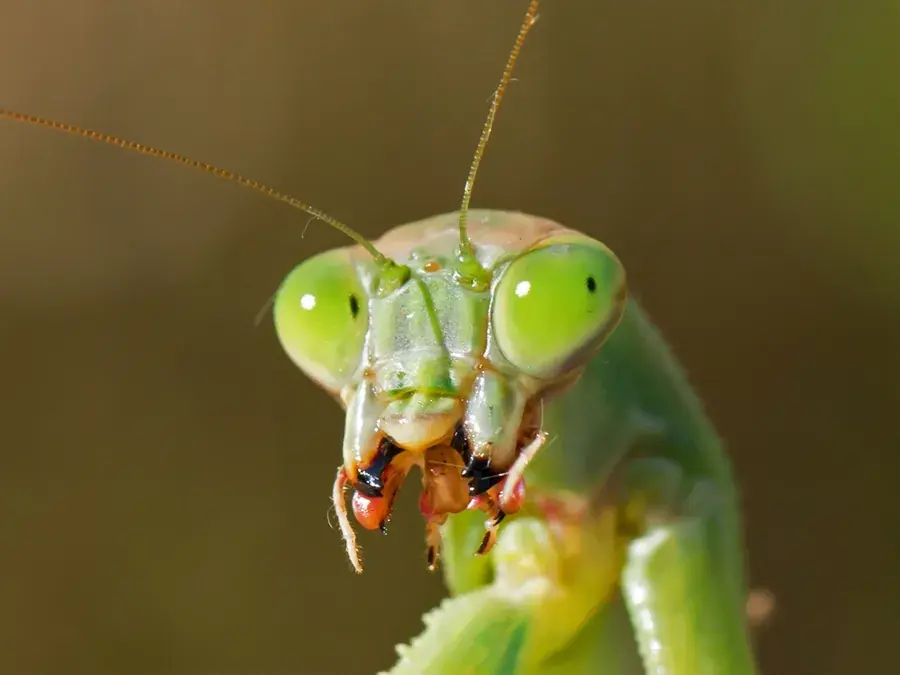
Praying mantis
Mantidae
Long green or brown body, triangular head that swivels, and folded raptorial front legs.
What it does in the garden →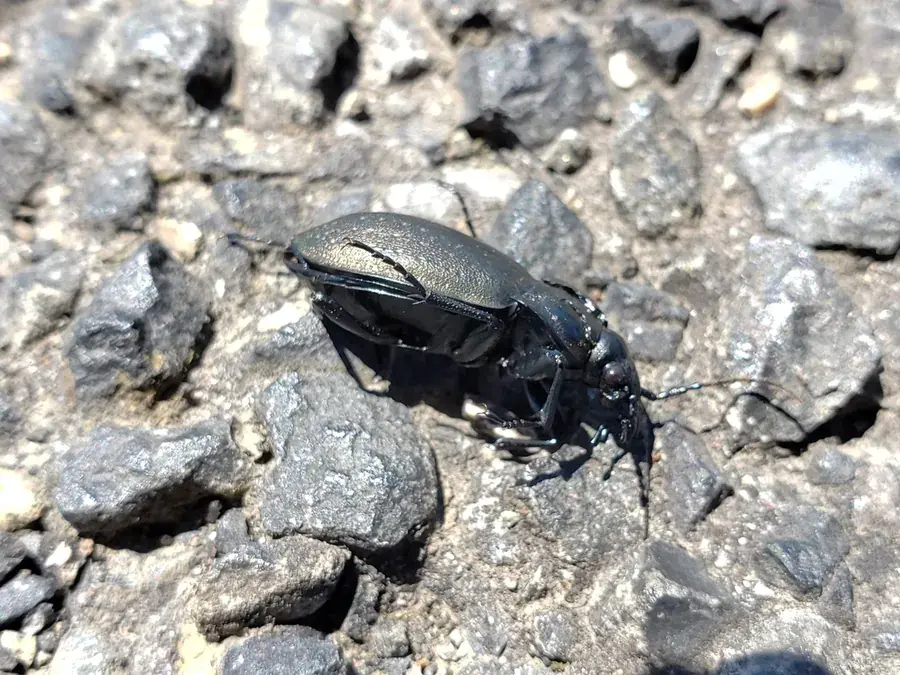 BeneficialApr–Oct
Ground beetle
Carabidae
Shiny black or bronze, fast-running, with grooved wing covers and long legs.
What it does in the garden →Photo: Gavin Slater · CC BY 4.0
 BeneficialJun–Sep
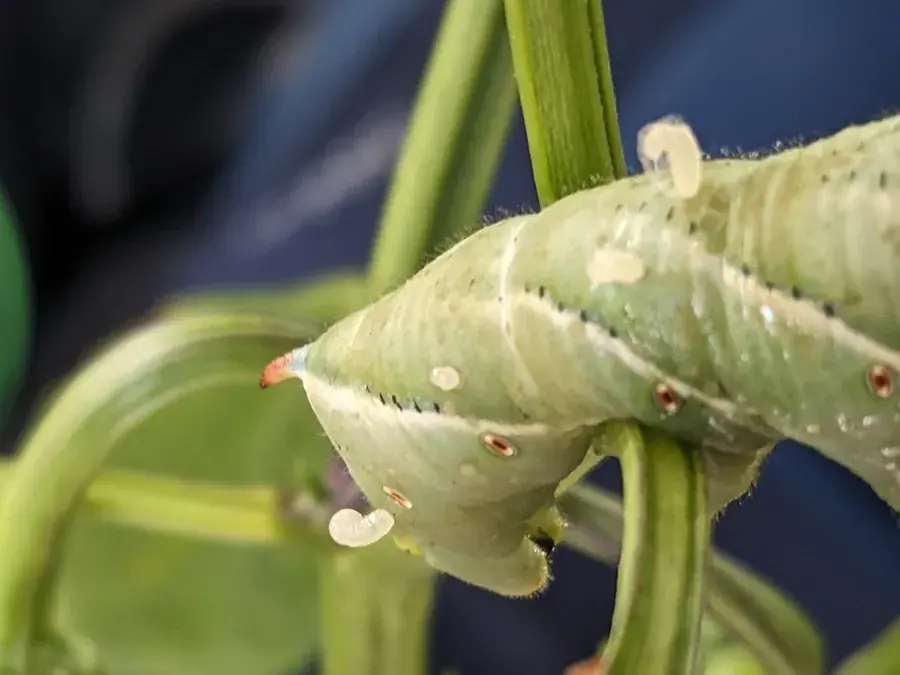
Braconid wasp
Braconidae
A tiny, harmless, thread-waisted wasp. The cocoons on a caterpillar's back are the unmistakable sign.
What it does in the garden →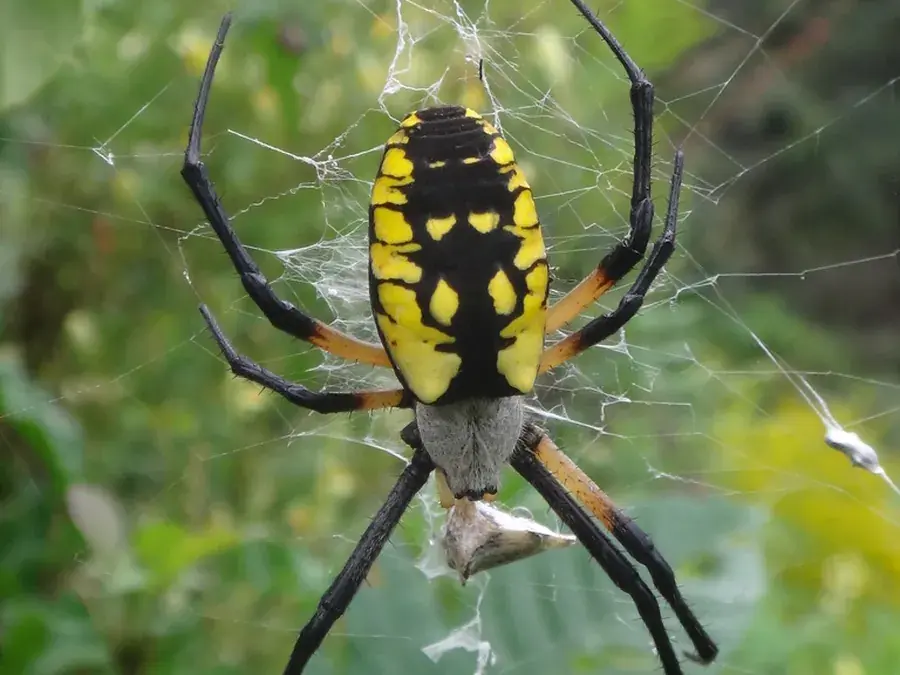 BeneficialJul–Oct
Garden orb weaver
Argiope aurantia
Striking black and yellow, with a heavy zig-zag band of silk down the middle of the web.
What it does in the garden →Photo: Alie / C.A. Kratzer · CC BY-SA 4.0
Soil life
The engine underneath everything else in the bed.
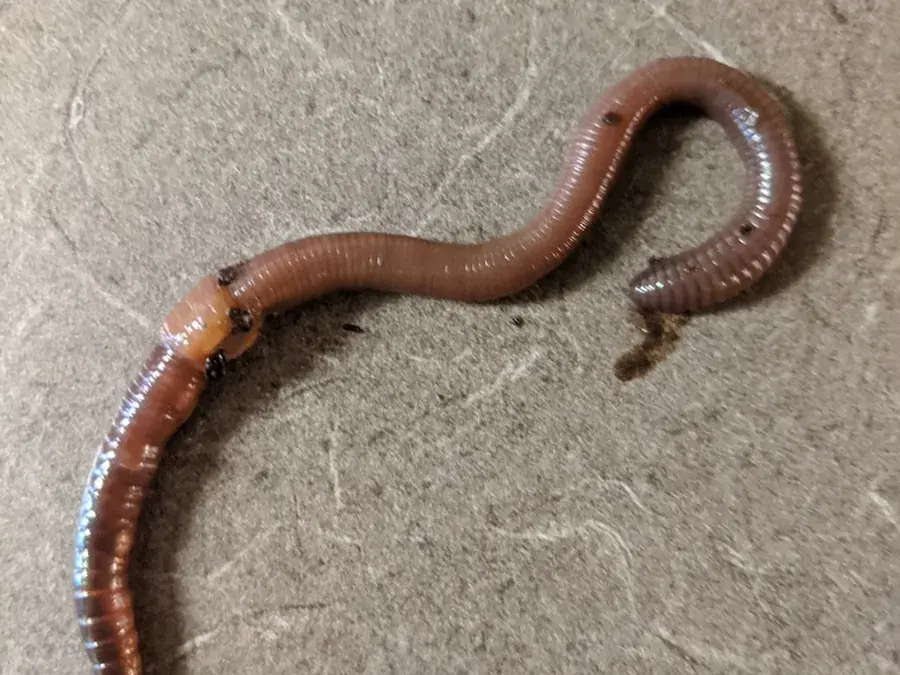 Soil lifeMar–Jun
Earthworm
Lumbricus terrestris
Familiar; look for the saddle-like clitellum a third of the way down a mature worm.
What it does in the garden →Photo: José Garrido · CC BY 4.0
Pest
The short list actually worth acting on, and what to do that isn't a broad-spectrum spray.
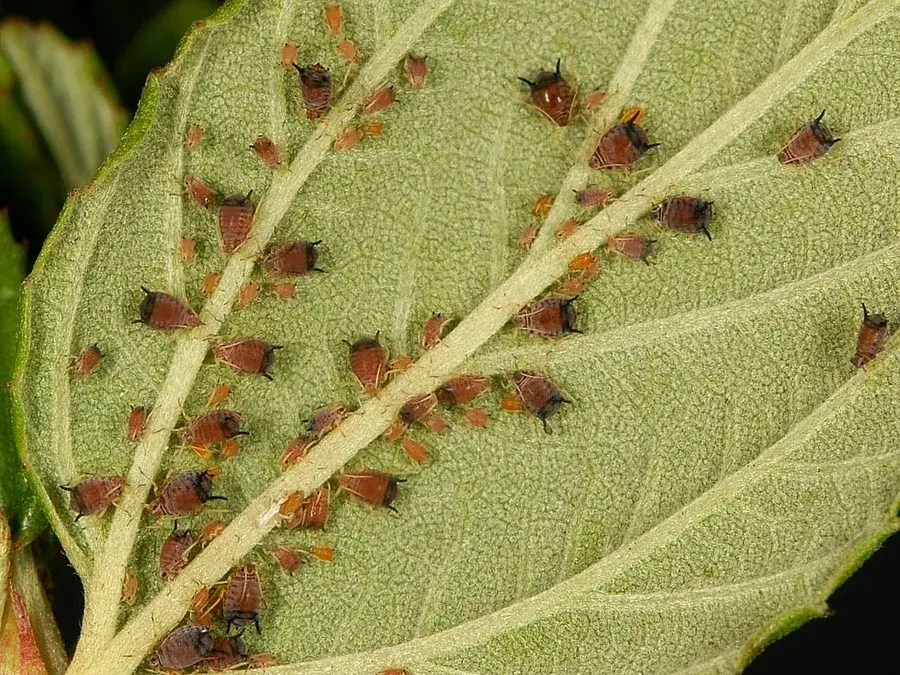 PestApr–Sep
Aphids
Aphidoidea
Tiny pear-shaped insects, green, black or pink, with two little tailpipes at the rear. Sticky honeydew and ants tending them are the giveaway.
What it does in the garden →Photo: Eddie Dunbar · CC BY-SA 4.0
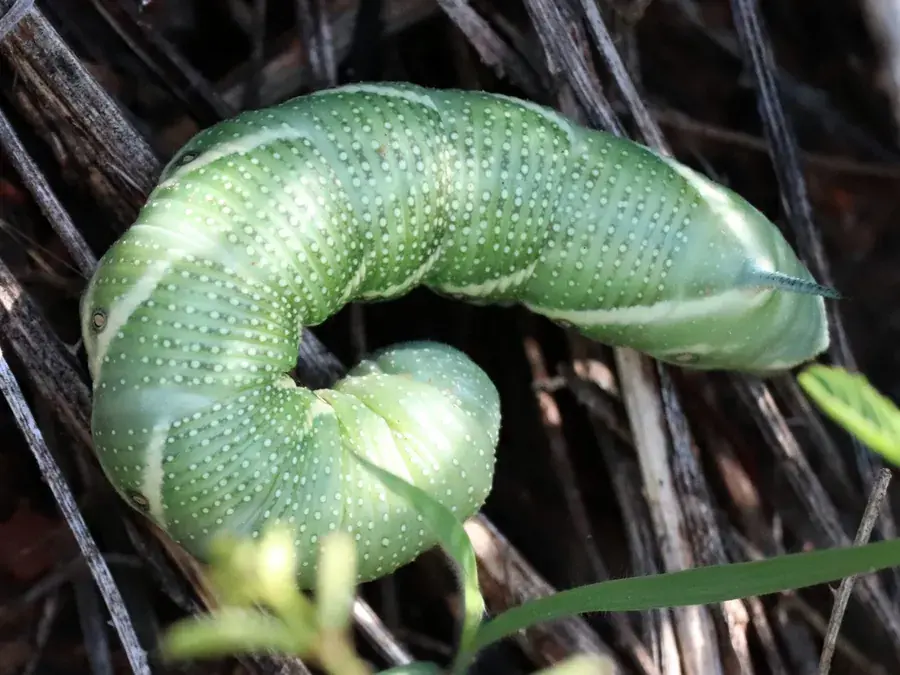 PestJun–Sep
Tomato hornworm
Manduca quinquemaculata
A very large green caterpillar with white chevrons and a stiff horn at the rear. It hides in plain sight.
What it does in the garden →Photo: Catherine C. Galley · CC BY 4.0
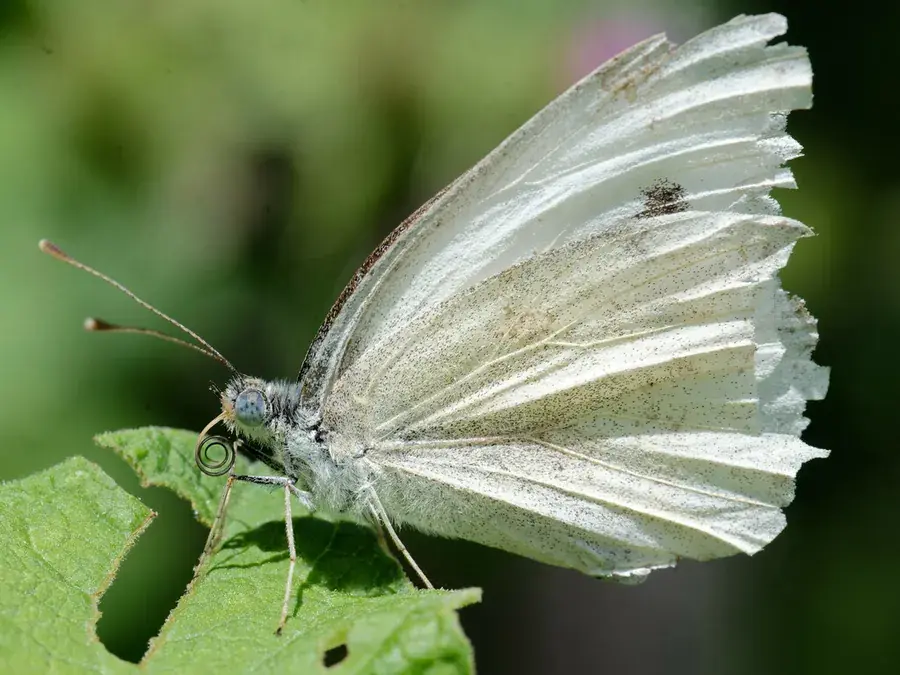 PestApr–Oct
Cabbage white
Pieris rapae
A plain white butterfly with one or two black wing spots. The caterpillar is velvety green and lies along a leaf vein.
What it does in the garden →Photo: Corey Farwell · CC BY 4.0
 PestMay–Aug
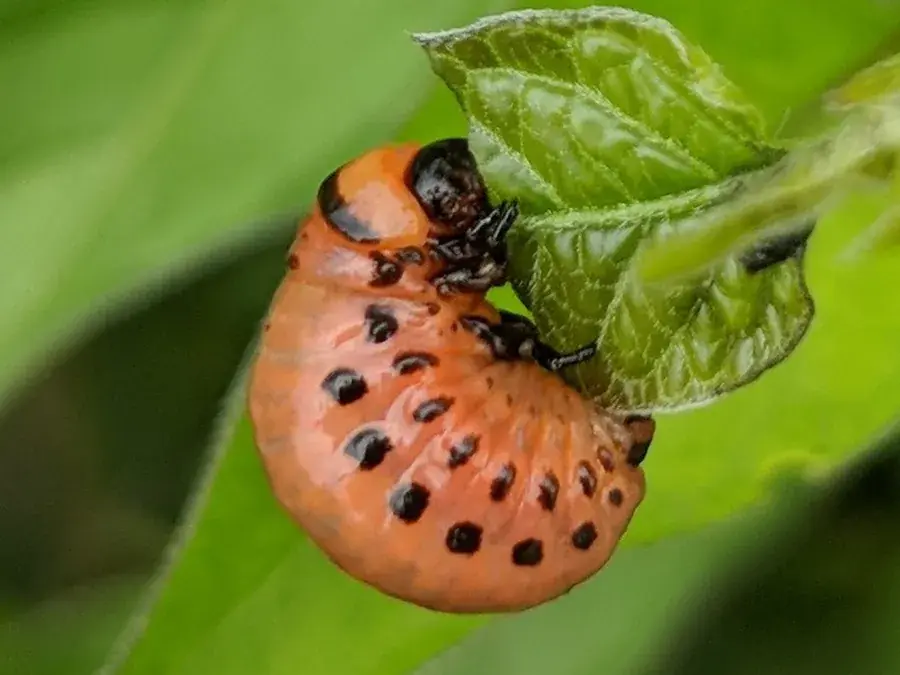
Colorado potato beetle
Leptinotarsa decemlineata
A round beetle with ten black stripes on a cream back; orange egg clusters and fat pink humpbacked larvae underneath the leaves.
What it does in the garden →Photo: Trevor Edmonson · CC BY 4.0
 PestJun–Sep
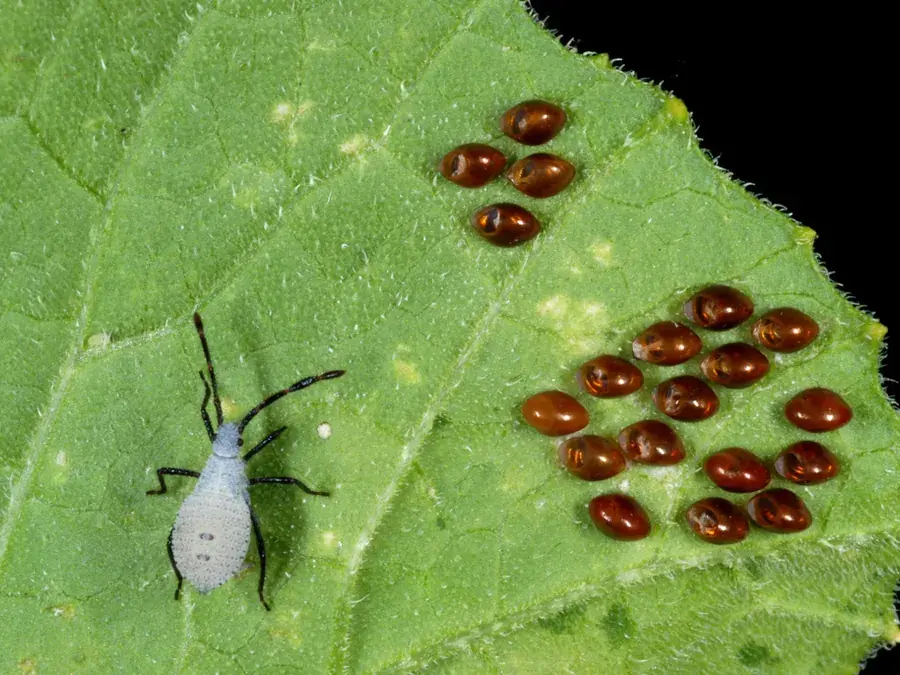
Squash bug
Anasa tristis
A flat grey-brown shield-shaped bug; bronze egg clusters laid in neat V patterns in the angle of leaf veins.
What it does in the garden →Photo: Douglas Goldman · CC BY-SA 4.0
 PestJun–Aug
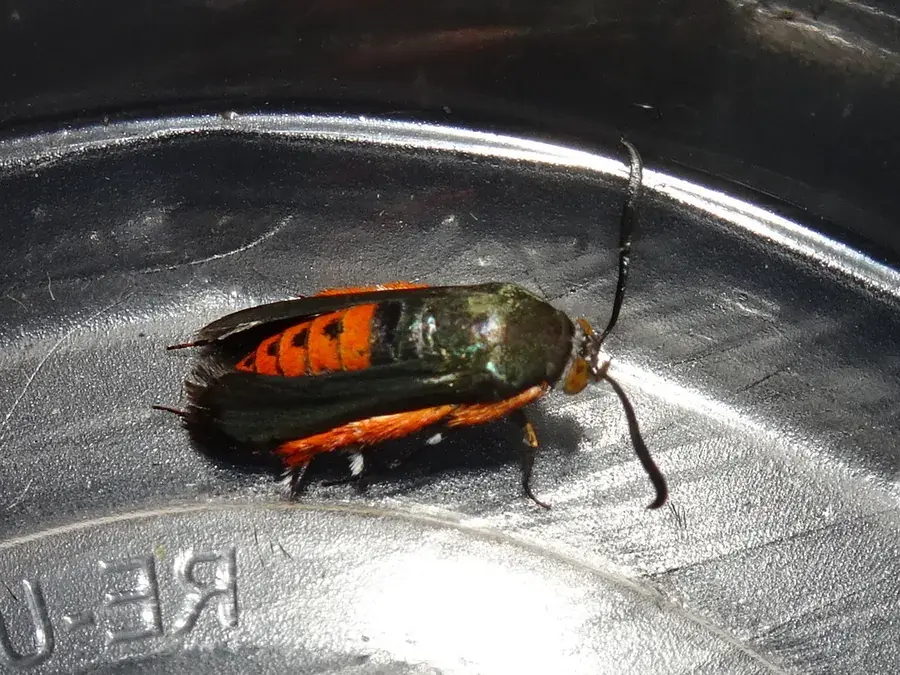
Squash vine borer
Melittia cucurbitae
The adult is a day-flying orange-and-black moth that looks like a wasp. The damage is sudden wilting plus sawdust-like frass at the stem base.
What it does in the garden →Photo: Thomas Koffel · CC BY 4.0
 PestJun–Aug
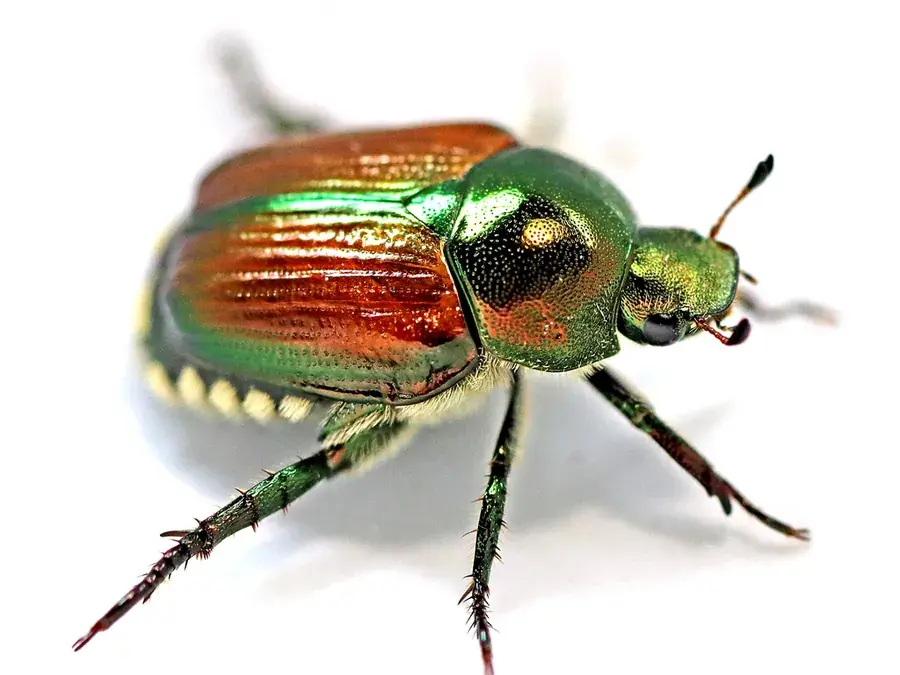
Japanese beetle
Popillia japonica
Metallic green body with copper wing covers and small white tufts along the sides. Leaves are skeletonised to lace.
What it does in the garden →Photo: softie · CC BY-SA 4.0
 PestApr–Jun
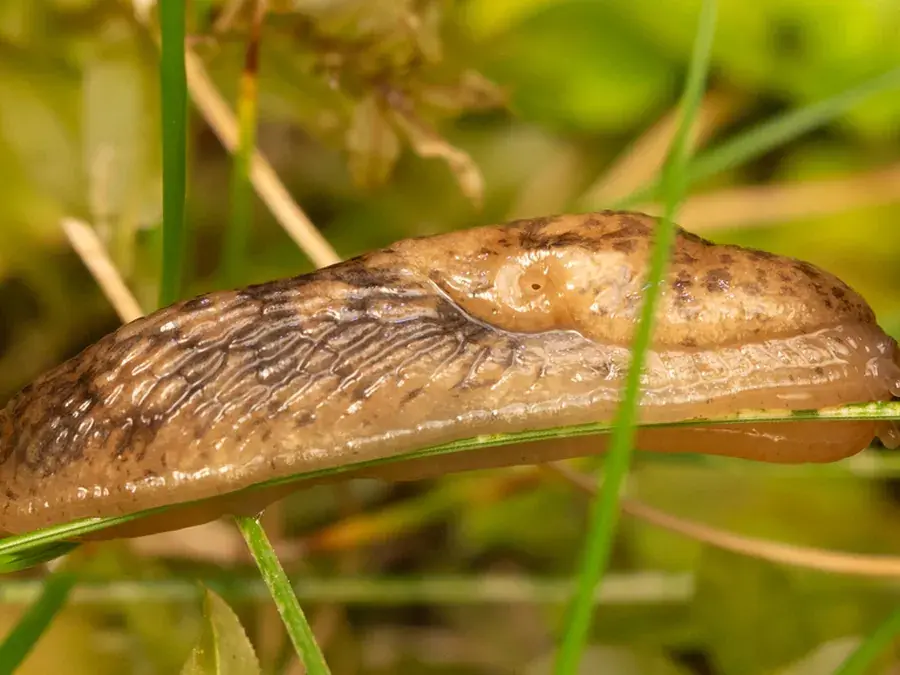
Slugs
Gastropoda
The silvery slime trail and ragged holes in the middle of leaves, not at the edges.
What it does in the garden →Photo: Casey H. Richart · CC BY 4.0
 PestMay–Aug
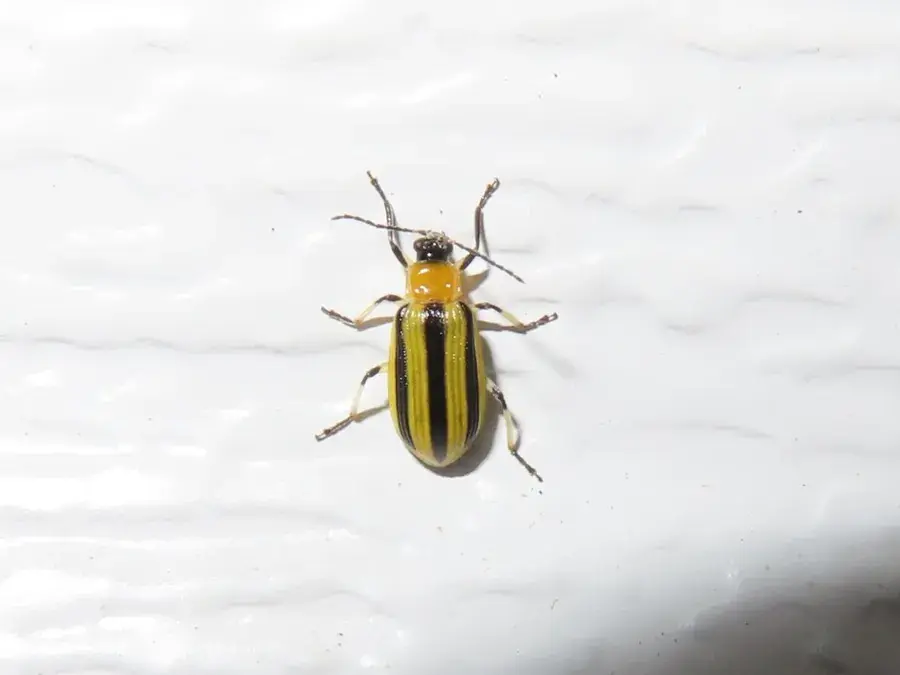
Cucumber beetle
Acalymma vittatum
Small and yellow with three black stripes down the back, or with twelve spots.
What it does in the garden →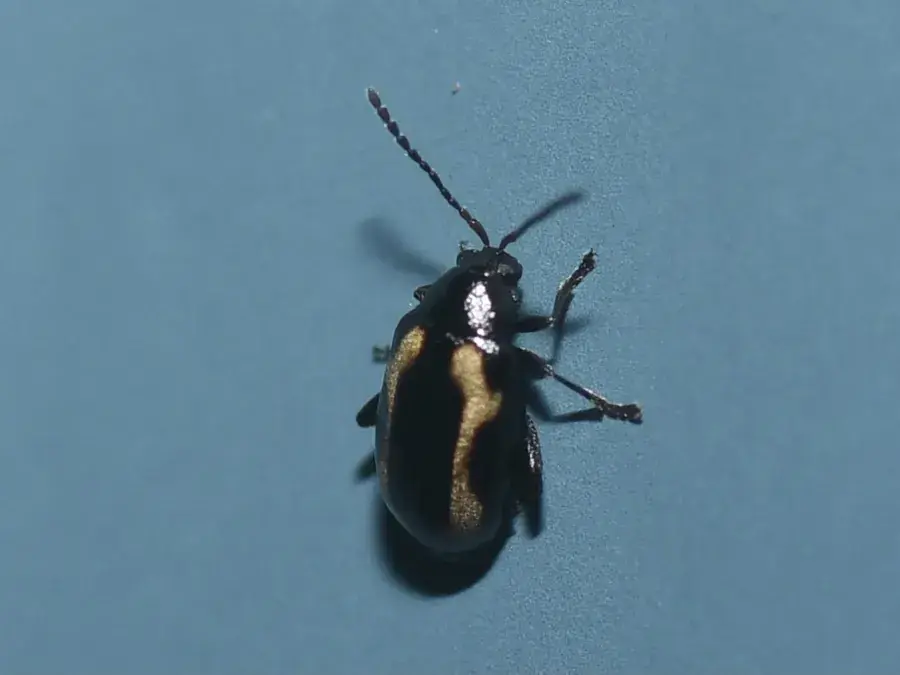 PestApr–Jul
Flea beetle
Alticini
Tiny shiny black beetles that jump like fleas when disturbed, leaving leaves peppered with shot-holes.
What it does in the garden →Photo: Henrique Pacheco · CC BY 4.0
 PestJun–Sep
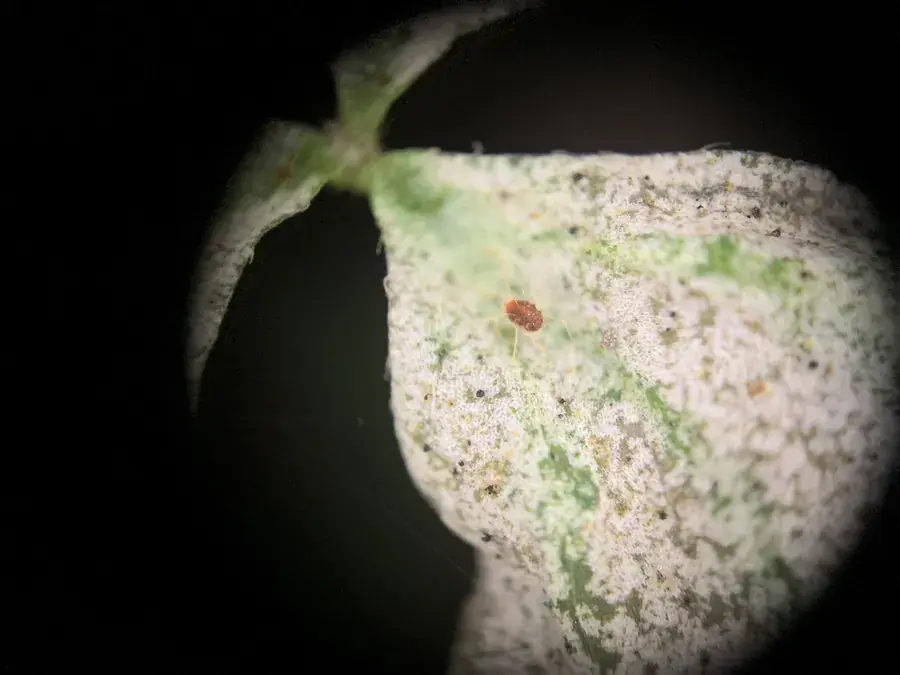
Spider mites
Tetranychus urticae
Leaves take on a fine bronze stippling; fine webbing appears in the leaf axils. Tap a leaf over white paper to see the moving specks.
What it does in the garden →Photo: Senna Bryce Robeson · CC BY 4.0
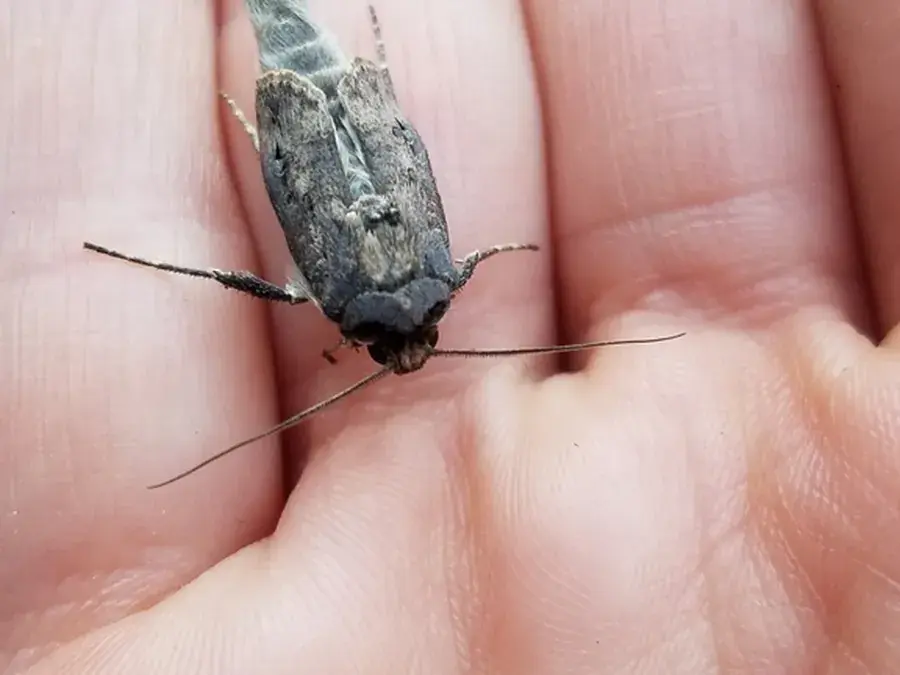 PestApr–Jun
Cutworms
Noctuidae
Fat grey-brown caterpillars that curl into a tight C when you dig them up. A seedling severed cleanly at ground level is the sign.
What it does in the garden →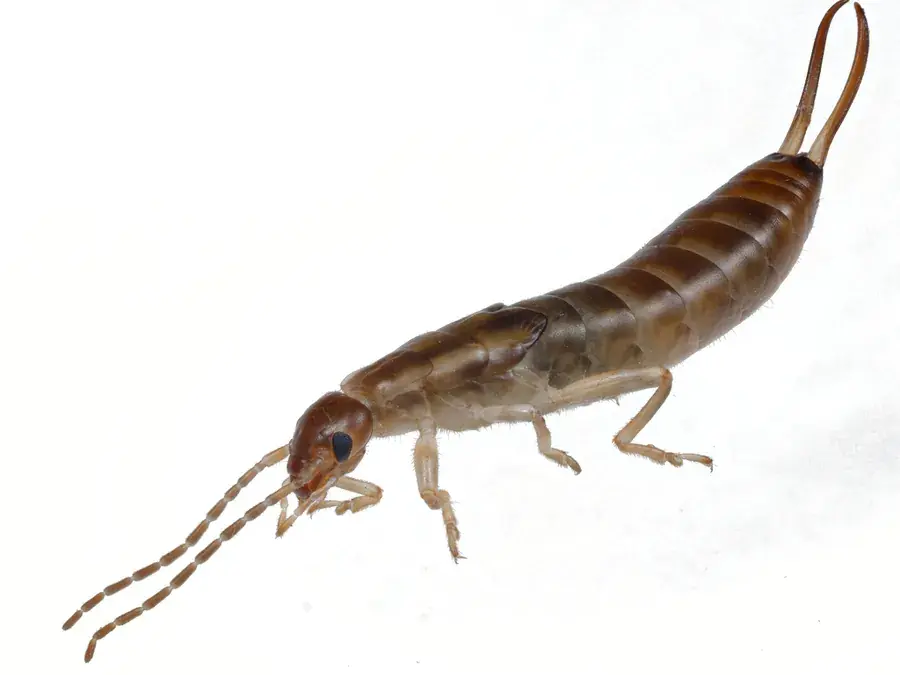 PestMay–Sep
Earwig
Forficula auricularia
Slim brown insect with a pair of pincers at the rear.
What it does in the garden →Photo: Christian Back · CC BY 4.0
And the forces they all answer to
Frost, soil warmth, day length, rain and the moon set the pace for every one of these. Set your location and every page reads them live for where you are.