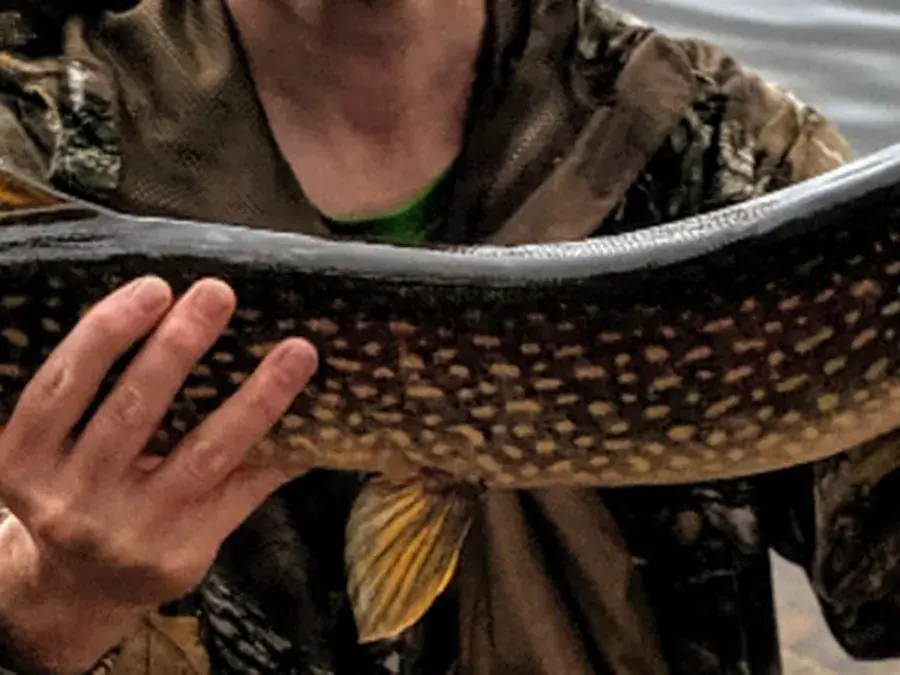
Photo by Daughter Dad on iNaturalist · CC BY 4.0
Northern pike
Esox lucius
- When
- Jan–Jun — January, February, March, April, May, June, September, October, November. Earlier in the south, later in the north.
- Where it holds
- Shallow weedy bays in spring and fall; deep weed edges in the heat of summer.
- How to know it
- Long torpedo body, duck-like jaws, light bean-shaped spots on a dark green flank.
- What to know
- Aggressive and abundant. Handle with a jaw grip and long pliers — the teeth are serious.
- The tactic
- Large spoon, spinnerbait or a suspended jerkbait over weed tops.
- Caution
- Use a wire or heavy fluorocarbon leader, and cradle big fish horizontally.
Seasons, size limits and catch limits change every year and differ by water body. Check the current regulations for your province or state before you fish.
Found in these regions
Is it active near you?
Get this week's guide for your area
Enter a town, postal code or ZIP and we'll tell you what's happening right there this week — from your local climate, this week's weather and your ecological region.
Also active in September
 FishYear-round
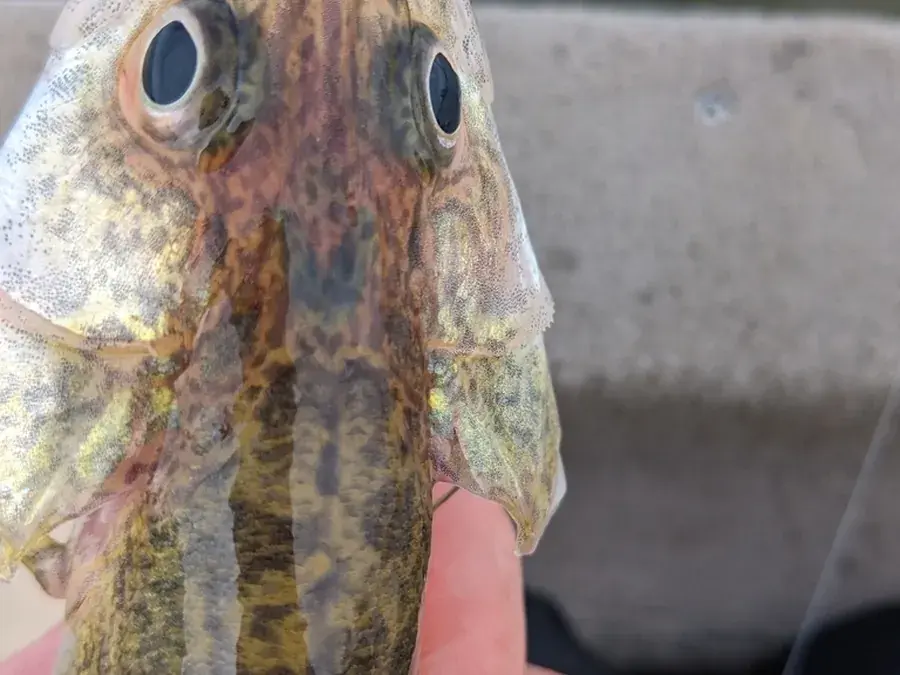
Walleye
Sander vitreus
Olive-gold flanks, a spiny first dorsal, and the big glassy eye that gives it the name and lets it hunt in low light.
Where and how to catch it →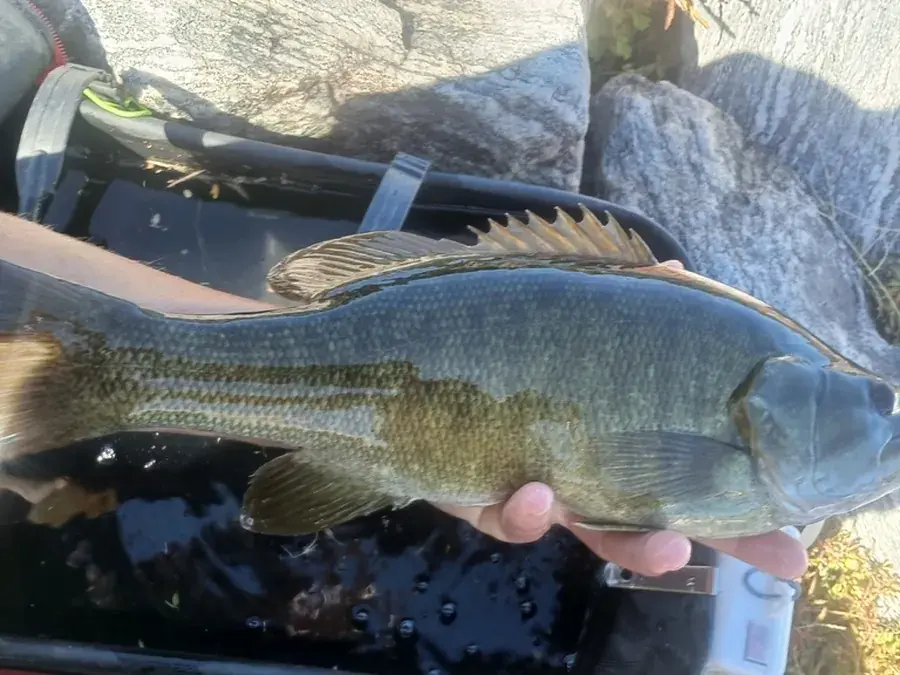 FishMay–Oct
Smallmouth bass
Micropterus dolomieu
Bronze-brown with vertical bars, red eye, and a jaw that ends level with the eye — not past it.
Where and how to catch it →Photo: Joshua Johnson · CC BY 4.0
 FishJun–Nov
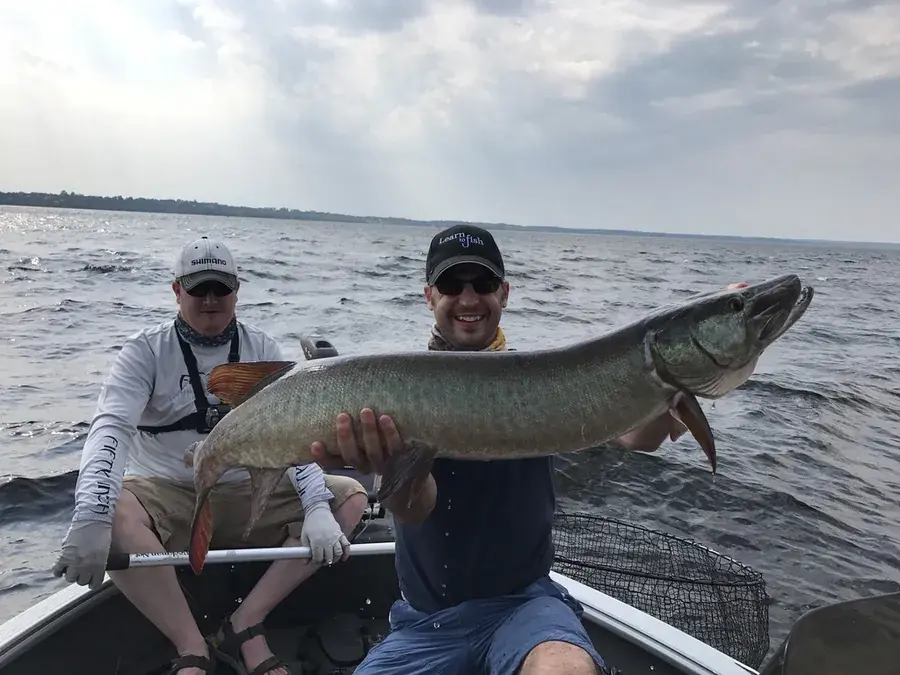
Muskellunge
Esox masquinongy
Like a pike but with dark bars on a light flank — the reverse pattern — and pointed tail lobes.
Where and how to catch it →Photo: Matt Garvin · CC BY-SA 4.0