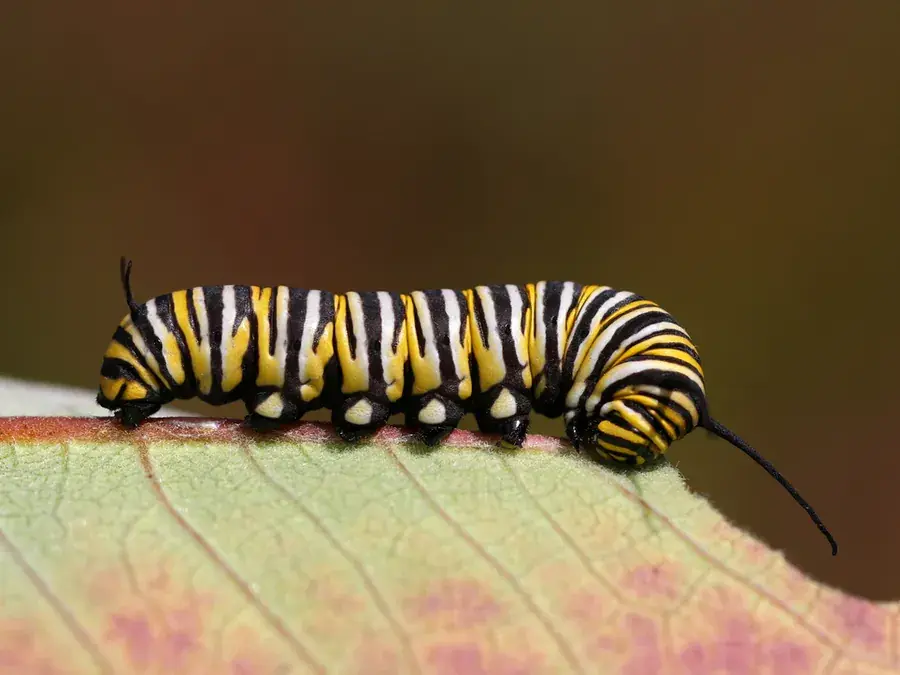
Photo by Christine Young on iNaturalist · CC BY 4.0
PollinatorActive now (September)
Monarch butterfly
Danaus plexippus
- When
- May–Oct — May, June, July, August, September, October. Earlier in the south, later in the north.
- Where to look
- Milkweed for the caterpillars; any nectar — especially late asters and goldenrod — for the migrating adults.
- How to know it
- Orange with heavy black veins and a white-spotted black border. The caterpillar is banded yellow, white and black.
- What it does for you
- Eastern monarchs fly to central Mexico each autumn, several generations removed from the ones that left. Milkweed is the only plant their caterpillars eat.
Found in these regions
Is it active near you?
Get this week's guide for your area
Enter a town, postal code or ZIP and we'll tell you what's happening right there this week — from your local climate, this week's weather and your ecological region.
Also active in September
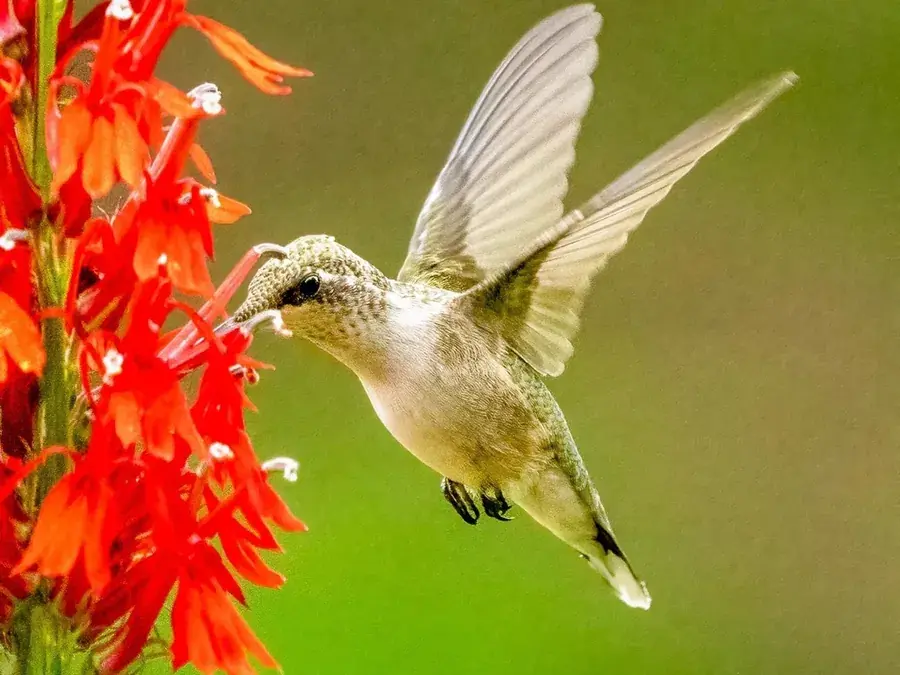 PollinatorMay–Sep
Ruby-throated hummingbird
Archilochus colubris
Tiny, iridescent green above; the male has a black-looking throat that flares ruby in the right light.
What it does in the garden →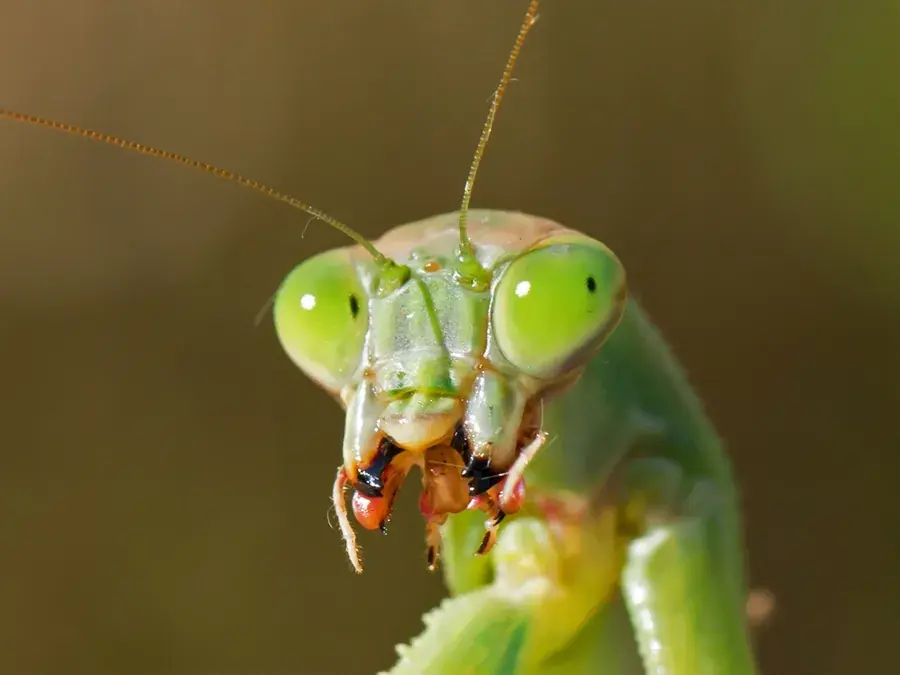 BeneficialJul–Oct
Praying mantis
Mantidae
Long green or brown body, triangular head that swivels, and folded raptorial front legs.
What it does in the garden →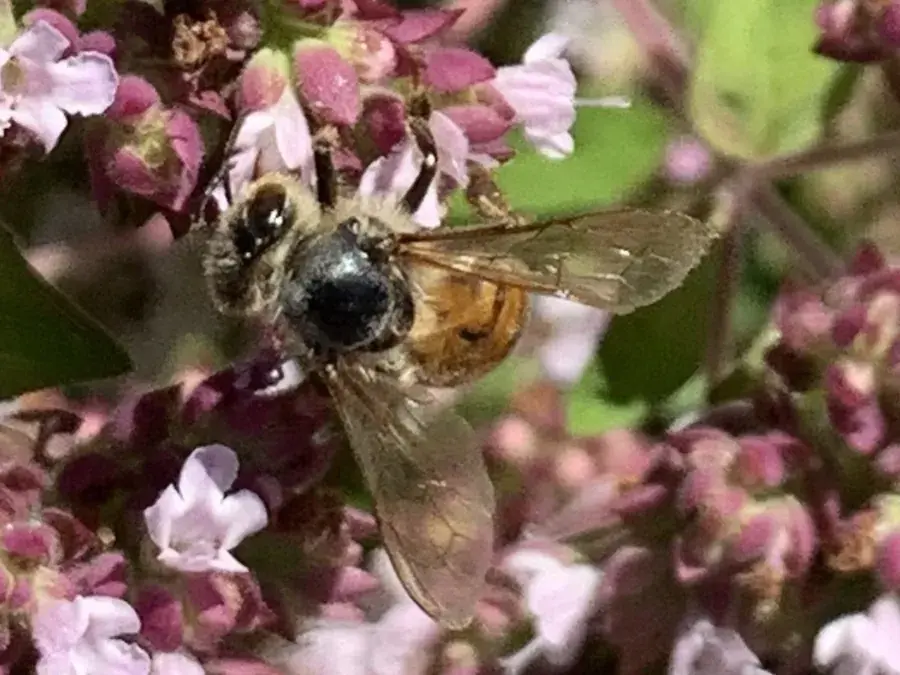 PollinatorMar–Oct
Honey bee
Apis mellifera
Golden-brown, banded, furry thorax, and pollen packed onto the hind legs in visible baskets.
What it does in the garden →