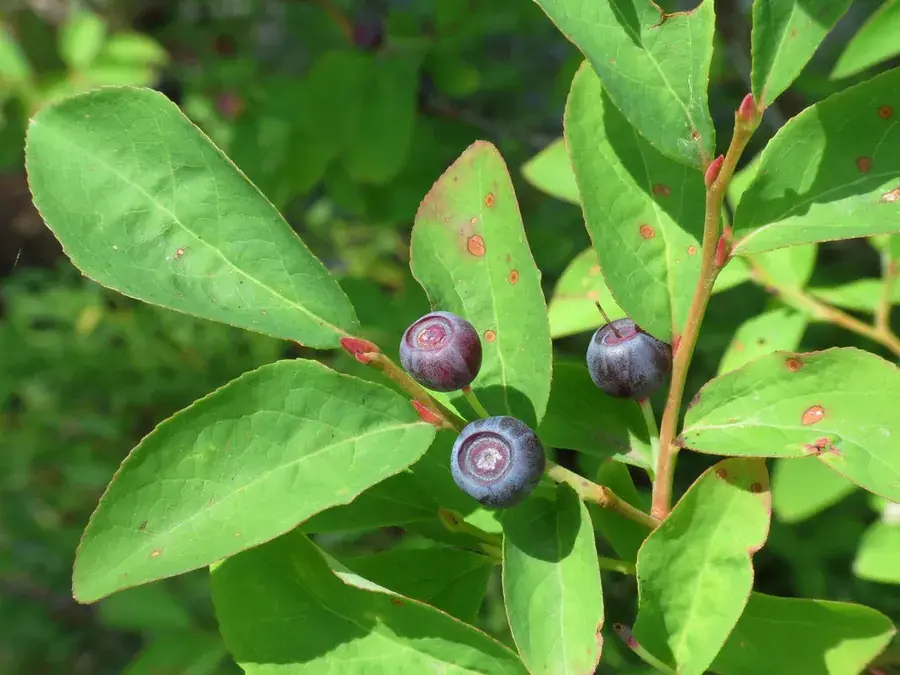
Photo by Katja Schulz on iNaturalist · CC BY 4.0
Huckleberries
Vaccinium membranaceum
- When
- Typically July – September — July, August, September. Earlier in the south, later in the north.
- Where it grows
- Mid to high elevation mountain slopes, old burns and open conifer forest in the Rockies, Cascades and BC interior.
- How to know it
- Waist-high shrubs, thin oval leaves, single dark purple berries in the leaf axils — one per stem, not in clusters.
- Look-alikes
- None dangerous. Bears eat them too — make noise.
- Harvest and use
- Pie, jam, pancakes. The best-flavoured berry in the mountain west.
- Caution
- Prime bear habitat in August. Carry spray and talk loudly.
Found in these regions
Hardiness zones 3–8.
Is it ready near you?
Get this week's foraging guide for your area
Enter a town, postal code or ZIP and we'll tell you what's in season right there this week — from your local climate, this week's weather and your ecological region.
Also ready in September
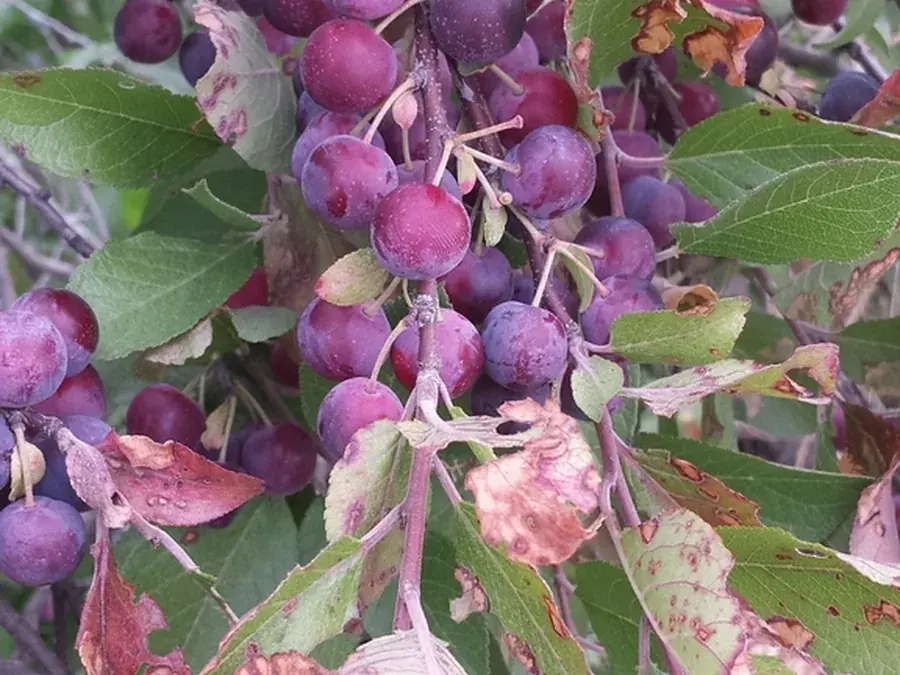 FruitAugust – September
Beach plum
Prunus maritima
Low sprawling shrub in the sand, with dusty purple plums about the size of a marble.
How to know it & its look-alikes →Photo: Tom Norton · CC BY 4.0
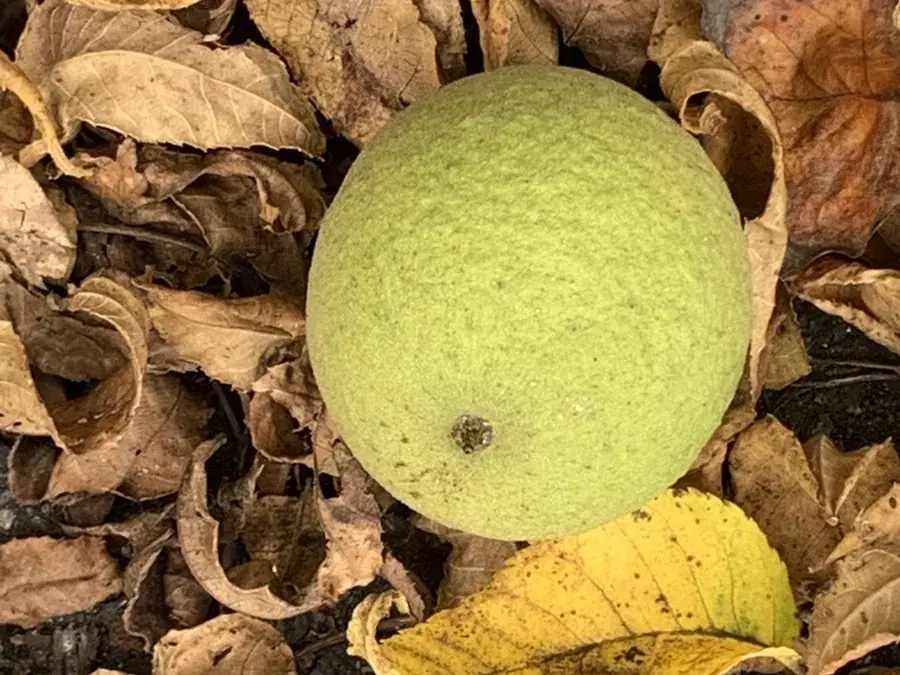 NutSeptember – October
Black walnut
Juglans nigra
Tennis-ball green husks lying under a tall tree with long compound leaves; the husk stains everything it touches brown.
How to know it & its look-alikes →Photo: Sandy Wolkenberg · CC BY 4.0
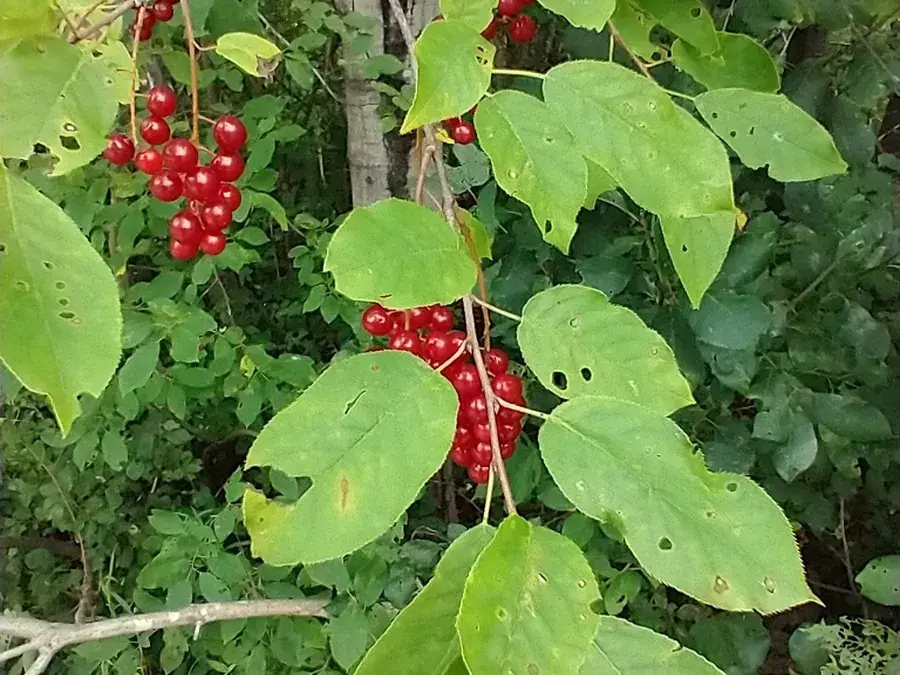 FruitAugust – September
Chokecherry
Prunus virginiana
Long drooping clusters of dark red-to-black cherries on a small tree with finely toothed oval leaves.
How to know it & its look-alikes →Photo: Tom Norton · CC BY 4.0
Educational information only. Never eat a wild plant or mushroom identified from a single photograph or description — confirm with a regional field guide or an experienced forager, and know the poisonous species in your area first.