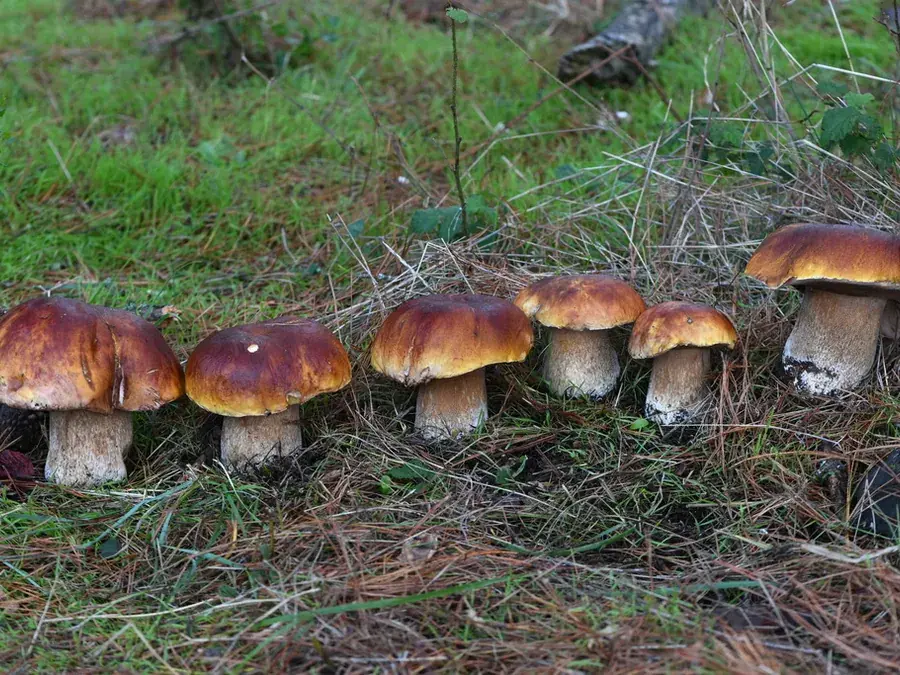
Photo by Alan Rockefeller on iNaturalist · CC BY 4.0 · photographed specimen identified as Boletus edulis grandedulis, a close relative
King bolete (porcini)
Boletus edulis
- When
- Typically August – November — August, September, October, November. Earlier in the south, later in the north.
- Where it grows
- Under conifers and oaks; spectacular flushes along the Pacific coast after the first autumn rains.
- How to know it
- Fat white stem with a fine raised net near the top, brown 'bun' cap, and a sponge of white-to-yellow pores that never stain blue.
- Look-alikes
- Bitter bolete (Tylopilus) has pink pores and ruins a dish; boletes with red pores or that stain dark blue should be left alone.
- Harvest and use
- Slice and dry — the flavour concentrates. Firm young buttons are the prize.
Found in these regions
Is it ready near you?
Get this week's foraging guide for your area
Enter a town, postal code or ZIP and we'll tell you what's in season right there this week — from your local climate, this week's weather and your ecological region.
Also ready in September
 FruitAugust – September
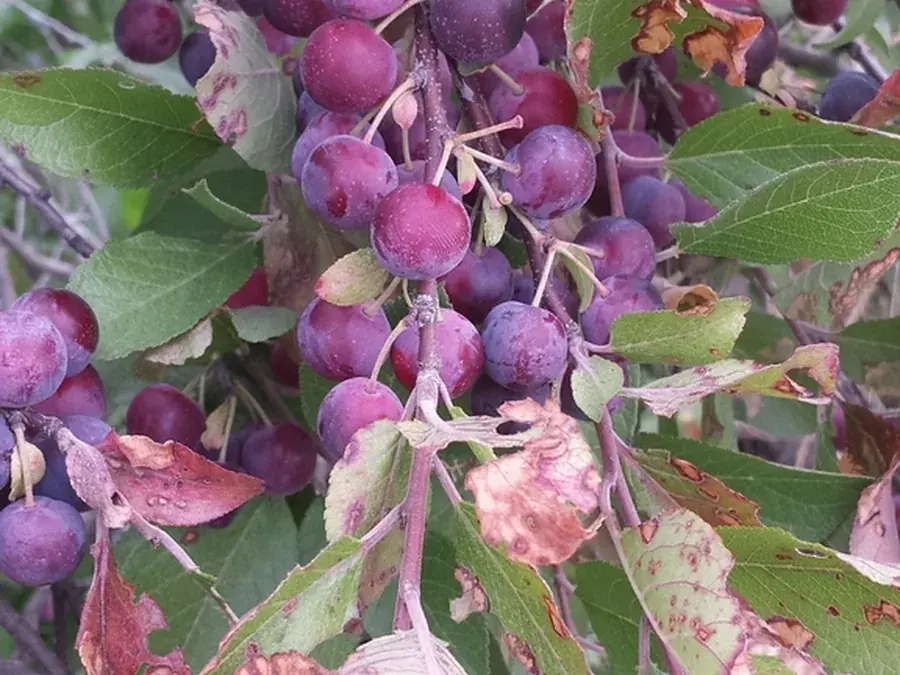
Beach plum
Prunus maritima
Low sprawling shrub in the sand, with dusty purple plums about the size of a marble.
How to know it & its look-alikes →Photo: Tom Norton · CC BY 4.0
 NutSeptember – October
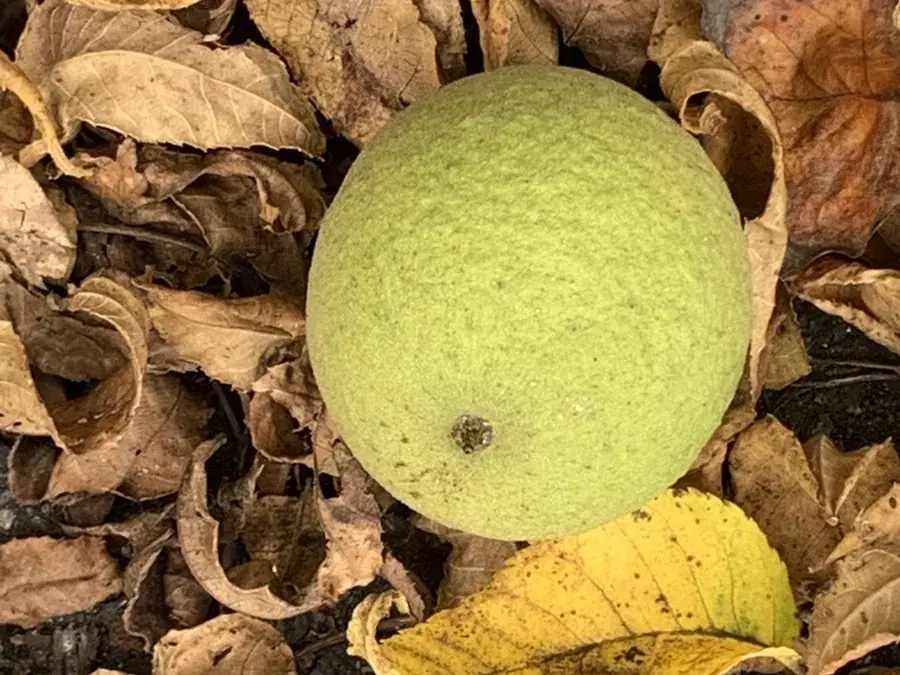
Black walnut
Juglans nigra
Tennis-ball green husks lying under a tall tree with long compound leaves; the husk stains everything it touches brown.
How to know it & its look-alikes →Photo: Sandy Wolkenberg · CC BY 4.0
 FruitAugust – September
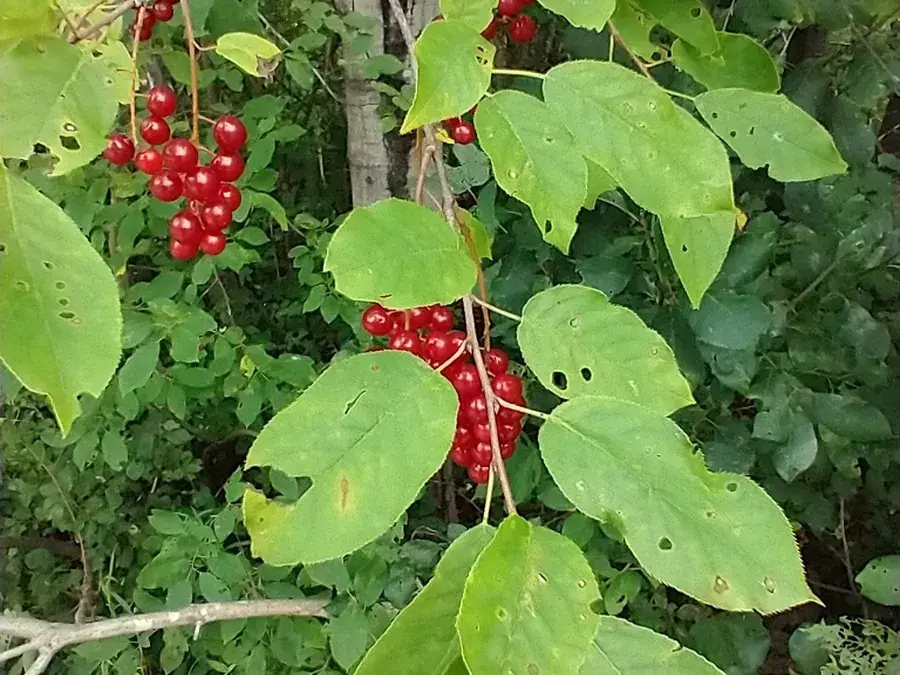
Chokecherry
Prunus virginiana
Long drooping clusters of dark red-to-black cherries on a small tree with finely toothed oval leaves.
How to know it & its look-alikes →Photo: Tom Norton · CC BY 4.0
Educational information only. Never eat a wild plant or mushroom identified from a single photograph or description — confirm with a regional field guide or an experienced forager, and know the poisonous species in your area first.