Fishing in Los Angeles
California · Mediterranean California · hardiness zone 10b
Now
27°C · Clear
Today
30° / 20°
Sun
06:35 – 19:00
Moon
Waxing Crescent · solunar good
Bright and still pushes fish deep, into shade and under structure. Work the edges of the day.
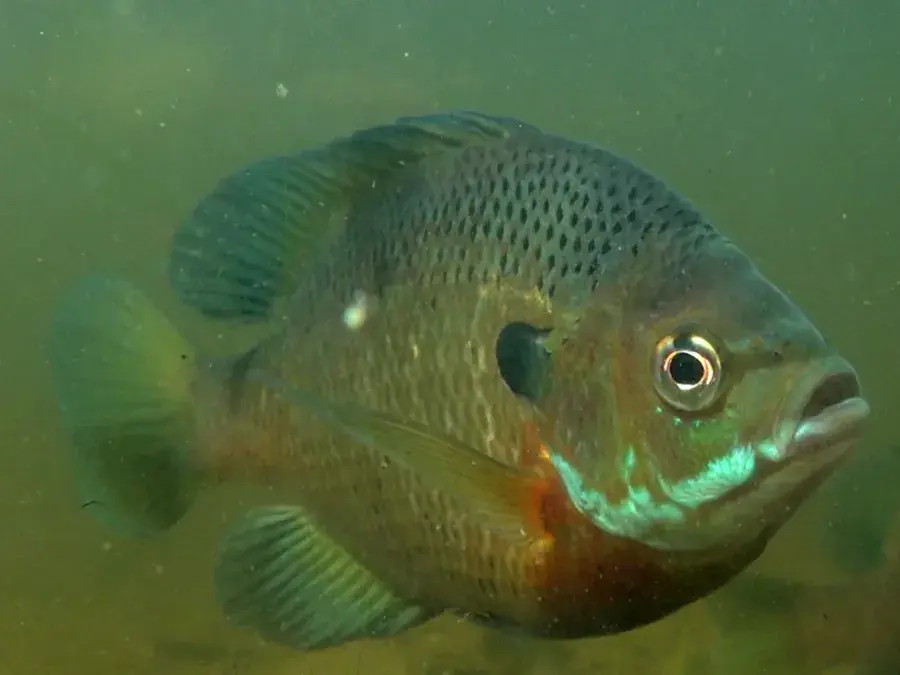
- Bluegillbest now — On the beds and the shallow flats, in water warm enough to see the bottom.
- Largemouth bass — Cruising the weed edges, pads and shallow flats, ambushing anything that moves across the top.
In the water now · September
What's biting
The sport fish active near Los Angeles, California in September — where they hold, how to know one on the line, and the tactic that usually works. Check your licence and the current limits before you go.
 FishMay–Nov
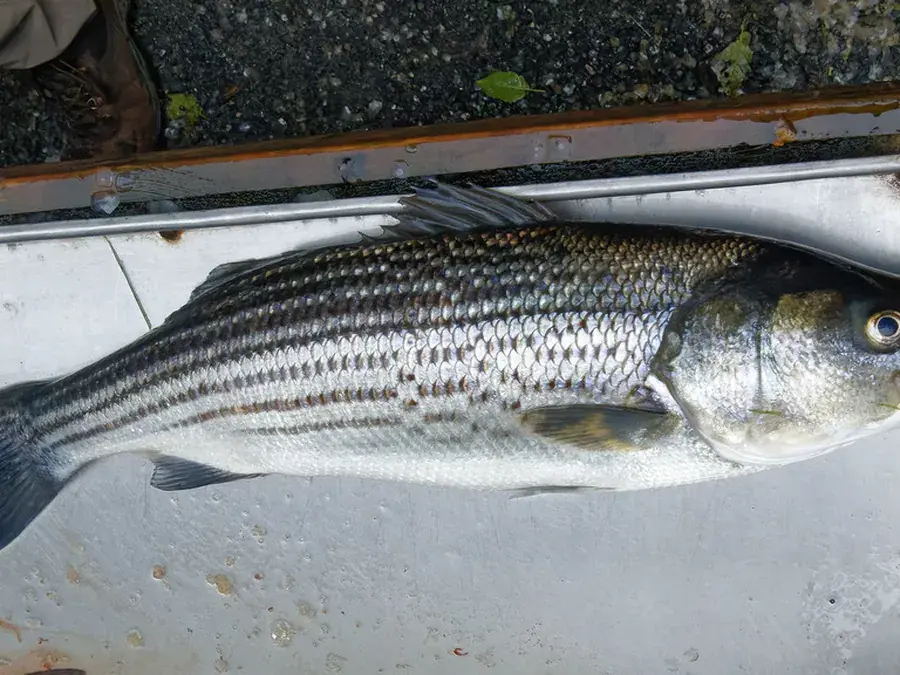
Striped bass
Morone saxatilis
Silver with seven or eight unbroken horizontal black stripes, and a large mouth.
Where and how to catch it →Photo: Christian Back · CC BY 4.0
 FishApr–Oct
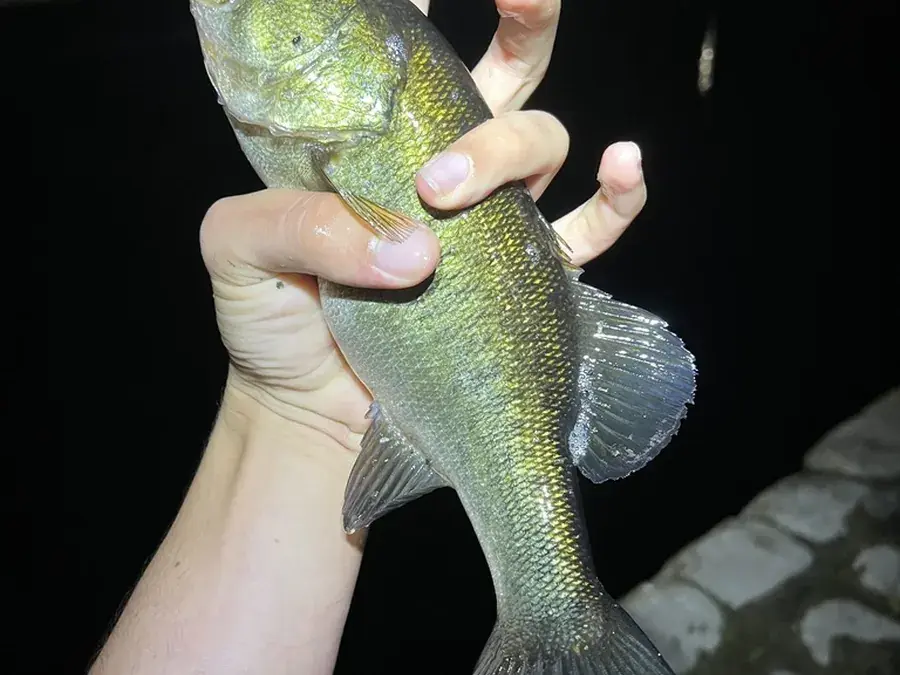
Largemouth bass
Micropterus salmoides
Green with a dark lateral stripe, and an upper jaw that extends past the back of the eye.
Writing your field guide — reading the forecast, the moon and the map…
Overhead · Los Angeles, California
The sky over the water
The two clocks nothing on the ground can argue with: the length of the day, and the phase of the moon.
The sun
12h 24m of light
Sunrise
06:36
Solar noon
12:48
Sunset
19:00
A month from now the day will be 1h 03m shorter. Enough light for steady growth.
Right now · Los Angeles, California
Forces at work
Nothing here is a guess. Each of these is read from this week's forecast and this location's climate record, and each one is pushing the season one way or the other.
- Worth watching
The moon
Waxing Crescent · 11%
Waxing, 3 days old. Full moon in 11 days. Fishing outlook: good.
It moves water — in the sea, in a lake's edge, and, by long tradition, in the sap of a plant. Fish feed hardest on the days around new and full.
- Working for you
Wind
14 km/h now · 20 peak
A working breeze: it ripples the surface, drifts a boat at a fishable speed, and stacks bait on the windward shore. Anglers call it a walleye chop.
It pollinates corn and grasses, dries soil, breaks stems — and it decides where the bait, and therefore the fish, end up.
The fishing note for Los Angeles, every week
One email, Sunday evening. Unsubscribe anytime.