Now
18°C · Clear
Today
22° / 14°
Sun
07:25 – 20:21
Moon
New Moon · solunar excellent
In the water now · September
What's biting
The sport fish active near Thunder Bay, Ontario in September — where they hold, how to know one on the line, and the tactic that usually works. Check your licence and the current limits before you go.
 FishYear-round
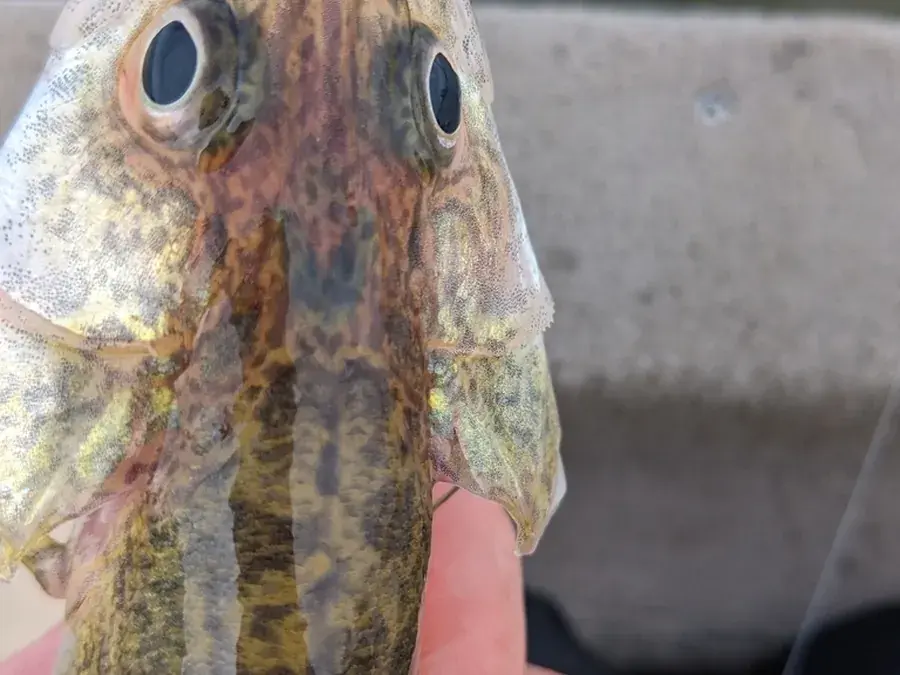
Walleye
Sander vitreus
Olive-gold flanks, a spiny first dorsal, and the big glassy eye that gives it the name and lets it hunt in low light.
Where and how to catch it →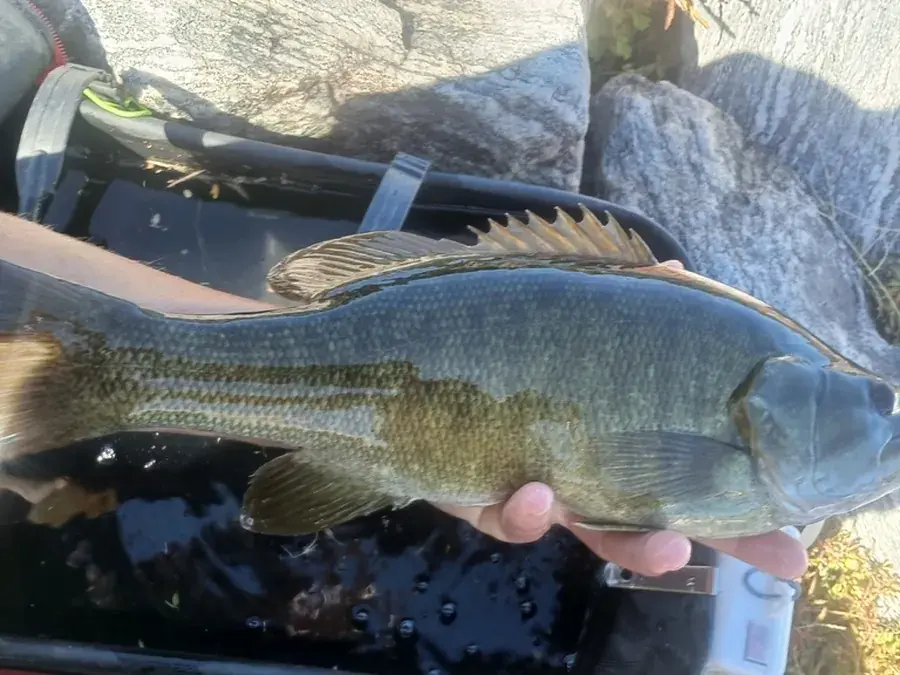 FishMay–Oct
Smallmouth bass
Micropterus dolomieu
Bronze-brown with vertical bars, red eye, and a jaw that ends level with the eye — not past it.
Where and how to catch it →Photo: Joshua Johnson · CC BY 4.0
 FishJan–Jun
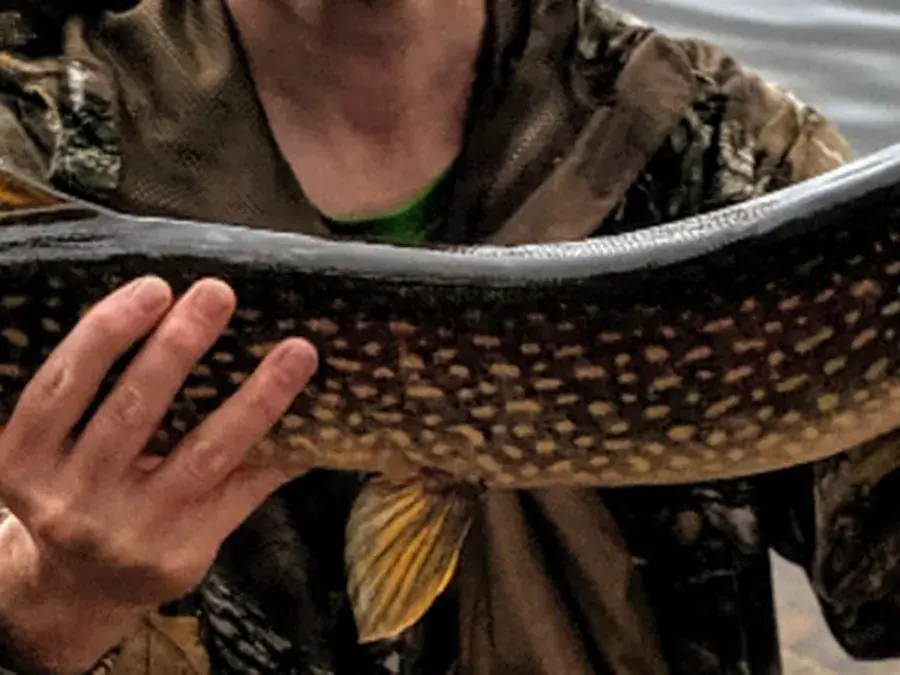
Northern pike
Esox lucius
Long torpedo body, duck-like jaws, light bean-shaped spots on a dark green flank.
Where and how to catch it →Photo: Daughter Dad · CC BY 4.0
 FishJun–Nov
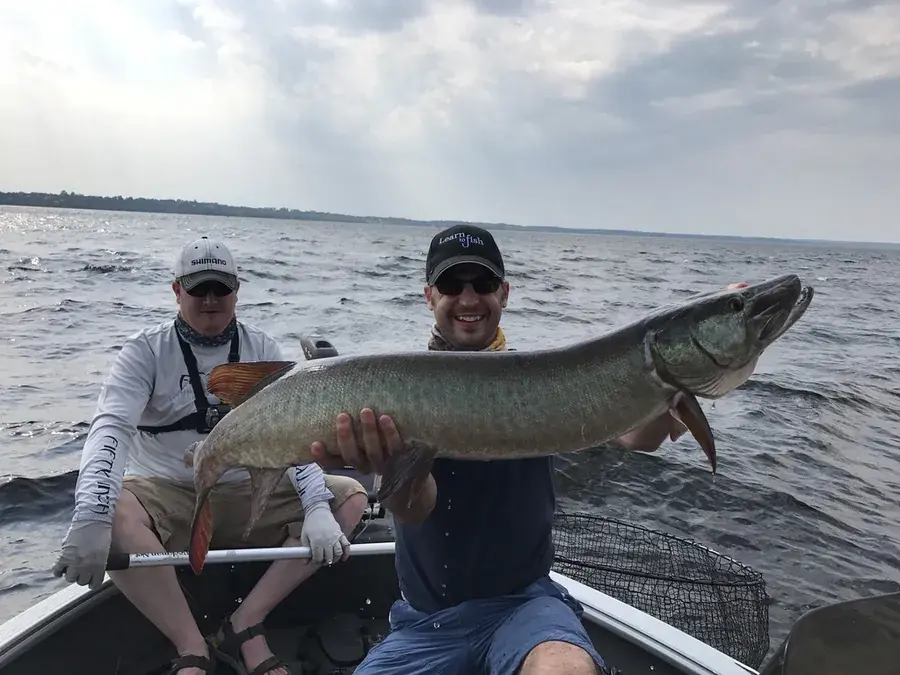
Muskellunge
Esox masquinongy
Like a pike but with dark bars on a light flank — the reverse pattern — and pointed tail lobes.
Where and how to catch it →Photo: Matt Garvin · CC BY-SA 4.0
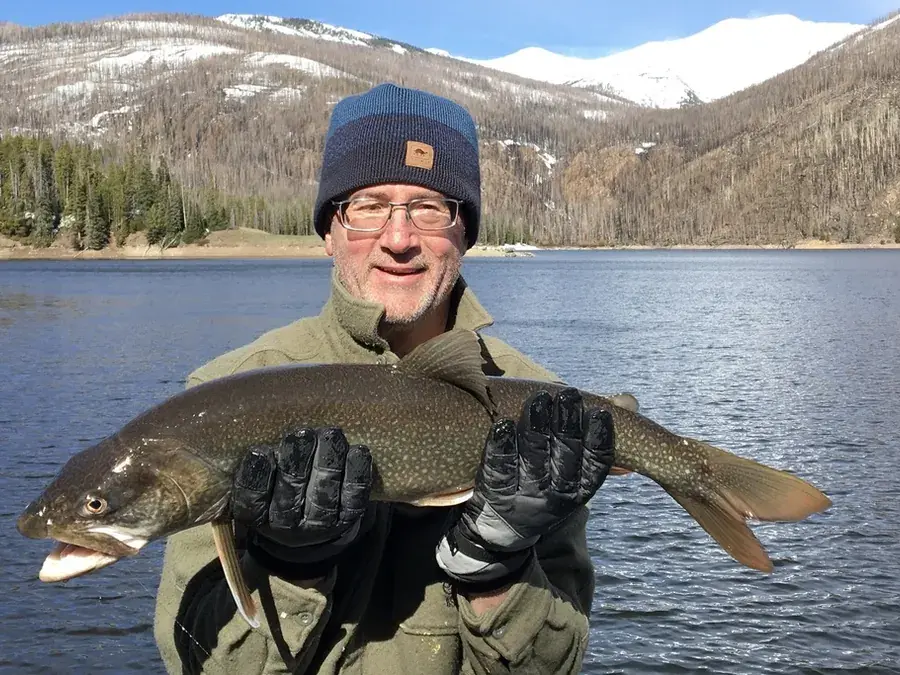 FishSep–May
Lake trout
Salvelinus namaycush
Pale cream spots on a dark green-grey body, and a deeply forked tail.
Where and how to catch it →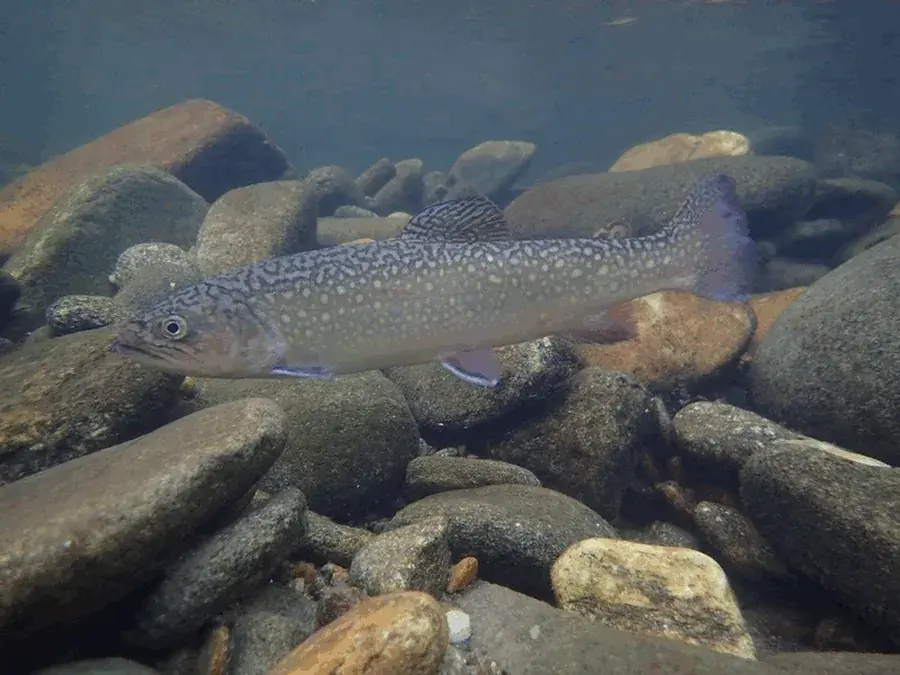 FishApr–Sep
Brook trout
Salvelinus fontinalis
Worm-like pale vermiculations on a dark green back, red spots ringed in blue, and white-edged lower fins.
Where and how to catch it →Photo: Evan M. Raskin · CC BY 4.0
Also out there this month
Photographs are research-grade observations from iNaturalist, each credited to its photographer. Ranges and timing are typical, not guaranteed — 54 species are covered across Canada and the US.
Fishing around Thunder Bay
AI field guide · refreshed weeklyThunder Bay Fishing: Early Fall on Superior and Inland Lakes
What's biting
Where: Lake Superior depths 30–60 m (100–200 ft), also deep inland lakes like Nipissing and Kashabowie; structure around rocky points and drop-offs.
Early fall cooling pushes trout to mid-water; troll small spoons (silver, white) or jigging with live smelt in 12–18 m (40–60 ft) zones. Expect better success mid-week as winds ease.
Caution: Verify current size and possession limits with Ontario Fishing Regulations Summary.
Photo, habitat & tactics →Where: Nipissing, Kashabowie, Neebing, and smaller inland lakes; structure near weed beds, rocky reefs, and 3–8 m (10–26 ft) transitions.
Peak activity at dawn and dusk; cast or jig live shiners, or troll crankbaits in 4–6 m (13–20 ft) zones. Overcast conditions mid-week will extend daytime feeding.
Caution: Check current slot limits and possession rules before keeping any walleye.
Photo, habitat & tactics →Where: Weedy bays and shallows of Nipissing, Kashabowie, and Neebing; also marshy inlets along Superior's north shore.
Fall aggression peaks; cast large spinnerbaits, topwater plugs, or live 15–20 cm (6–8 in) shiners in 1–3 m (3–10 ft) water. Windy conditions (forecast shows 21–31 km/h mid-week) churn shallows and boost feeding.
Caution: Pike teeth are sharp; use wire leader or heavy mono. Confirm current regulations before harvest.
Photo, habitat & tactics →Where: Rocky shorelines and islands of Lake Superior; also boulder-strewn bays of Nipissing and Kashabowie.
Early fall sees aggressive feeding; cast 7–10 cm (3–4 in) soft plastics, crankbaits, or live crayfish around rocks in 2–5 m (6–16 ft). Expect best action on clearer days (Sept 10, 13).
Caution: Smallmouth are sensitive to catch-and-release stress in warm water; handle quickly and wet hands. Verify size and bag limits.
Photo, habitat & tactics →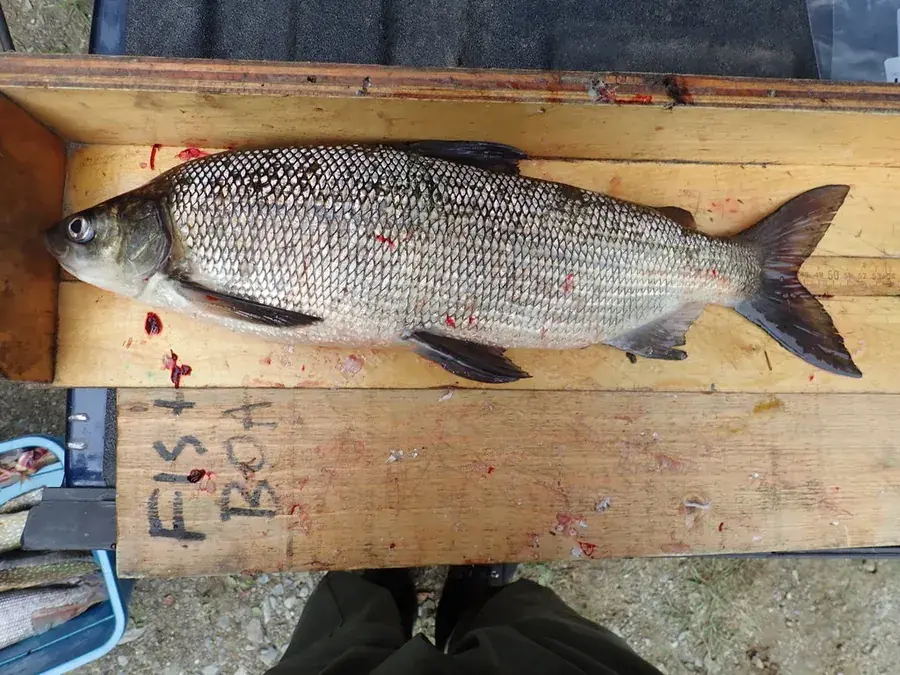
Where: Lake Superior depths 20–40 m (65–130 ft); also deep basins of Nipissing and Kashabowie.
Fall turnover brings whitefish to accessible depths; jig small spoons or maggot-tipped jigging spoons vertically. Early morning and evening peak; rain (forecast Sept 11–12) can trigger feeding.
Caution: Whitefish are delicate; handle gently. Check Ontario regulations for any slot or possession restrictions.
Photo, habitat & tactics →
Best times
Early morning (dawn to 09:00) and evening (17:00 to dusk) are prime. Overcast days (Sept 11–12) and post-rain periods extend daytime activity. Avoid the windiest window (Sept 9, gusts to 31 km/h) unless targeting pike in shallow bays.
Waters to try
- Lake Superior (north shore bays near Nipissing, Kashabowie, Neebing inlets); Nipissing Lake; Kashabowie Lake; Neebing Lake; Pigeon River (lower reaches); Kaministikwia River (lower sections near Superior).
Regulations
Always consult the Ontario Fishing Regulations Summary (https://www.ontario.ca/page/fishing-ontario) for current season dates, size limits, possession limits, and any emergency closures. Thunder Bay region falls under Ontario's Northwest Zone; regulations vary by water body. Catch-and-release is encouraged for conservation, especially as water temperatures remain cool (19°C soil temp today).
Ontario Fishing Regulations Summary ↗Overhead · Thunder Bay, Ontario
The sky over the water
The two clocks nothing on the ground can argue with: the length of the day, and the phase of the moon.
The sun
12h 54m of light
Sunrise
07:27
Solar noon
13:54
Sunset
20:20
A month from now the day will be 1h 45m shorter. Enough light for steady growth.
The moon
New Moon
4% lit · waning · day 28 of 29.5
- Next full
- Sep 26 · 16d
- Harvest Moon
- Next new
- Sep 11 · 1d
- Darkest nights
Planting by the moon: New to first quarter: sow leafy crops and anything harvested for its leaves — lettuce, spinach, brassicas, herbs.
Fishing: excellent — feeding peaks in the days either side of new and full, and around moonrise and moonset.
Turn of the season
Fall equinox
Sep 22 · 12 days away
About 39 days to the average first frost (Oct 18).
Next moons
- New MoonSep 11
- First QuarterSep 19
- Full Moon · Harvest MoonSep 26
- Last QuarterOct 4
Right now · Thunder Bay, Ontario
Forces at work
Nothing here is a guess. Each of these is read from this week's forecast and this location's climate record, and each one is pushing the season one way or the other.
- Working for you
The moon
New Moon · 4%
Waning, 28 days old. Full moon in 16 days. Fishing outlook: excellent.
It moves water — in the sea, in a lake's edge, and, by long tradition, in the sap of a plant. Fish feed hardest on the days around new and full.
- Working for you
Wind
20 km/h now · 35 peak
A working breeze: it ripples the surface, drifts a boat at a fishable speed, and stacks bait on the windward shore. Anglers call it a walleye chop.
It pollinates corn and grasses, dries soil, breaks stems — and it decides where the bait, and therefore the fish, end up.
- Working for you
Rain
34.2 mm / 7 days
34.2 mm across 3 days. About right; leave the hose coiled.
Sets the pace for everything: germination, fungal fruiting, slug nights, and how a river runs for the next three days.
- Working for you
Soil warmth
17.6 °C
Warm enough for beans, corn, squash, cucumber and transplanted tomato and pepper. Roots run hard at this temperature.
Seeds read soil temperature, not the calendar. Six centimetres down is where the decision gets made.
- Quiet right now
Day length
12h 54m
Losing about 4 minutes of daylight a day.
The one thing weather can't change. Plants count photoperiod to decide when to bolt, bulb, flower and go dormant.
- Worth watching
Frost
39 days
Average first fall frost is around Oct 18. Nothing you sow now will finish unless it beats that.
The hard edge of the growing season. Ice inside a leaf ruptures its cells — one night ends a tomato and sweetens a parsnip.
The fishing note for Thunder Bay, every week
One email, Sunday evening. Unsubscribe anytime.