The day · Seattle, Washington
Afternoon · 122 min left
Sun 29.2° up, in the south-west · Pacific Maritime
The kind of day it is
Bluebird
Clear, bright and still. The most pleasant day to be out and the hardest one to fish: with no cloud to break the light, fish go deep or under cover and only really feed at the ends of the day.
Go at first light or golden hour and skip the middle of the day.
The day, phase by phase
Happening now · 14:59–18:17
3h 18m long
Afternoon
Where the sun is this minute. Its highest today: 45.2°.
The angle falls away again, but the ground is still releasing the morning's heat. Air temperature peaks well after the sun does — usually two to four hours late.
Where the light lands · Pacific Maritime
If it has cleared, the afternoon is the warm part of the day and the marine layer waits offshore to come back in.
Up close
Salmon in the river are holding in the deepest, coolest water they can find and moving at dawn and dusk. Above about 21 °C they stop moving upstream at all.
The whole landscape
Every salmon that dies upstream is nitrogen carried in from the Pacific. You can measure marine nitrogen in the growth rings of a streamside cedar — the trees are, in a real sense, made partly of fish.
In the water now
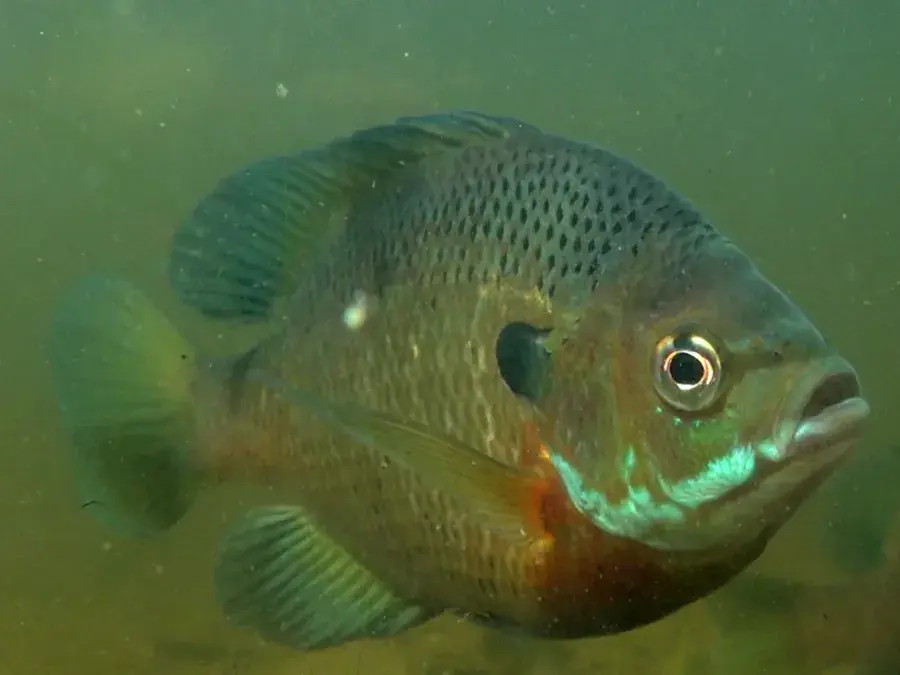
Bluegillbest now
On the beds and the shallow flats, in water warm enough to see the bottom.
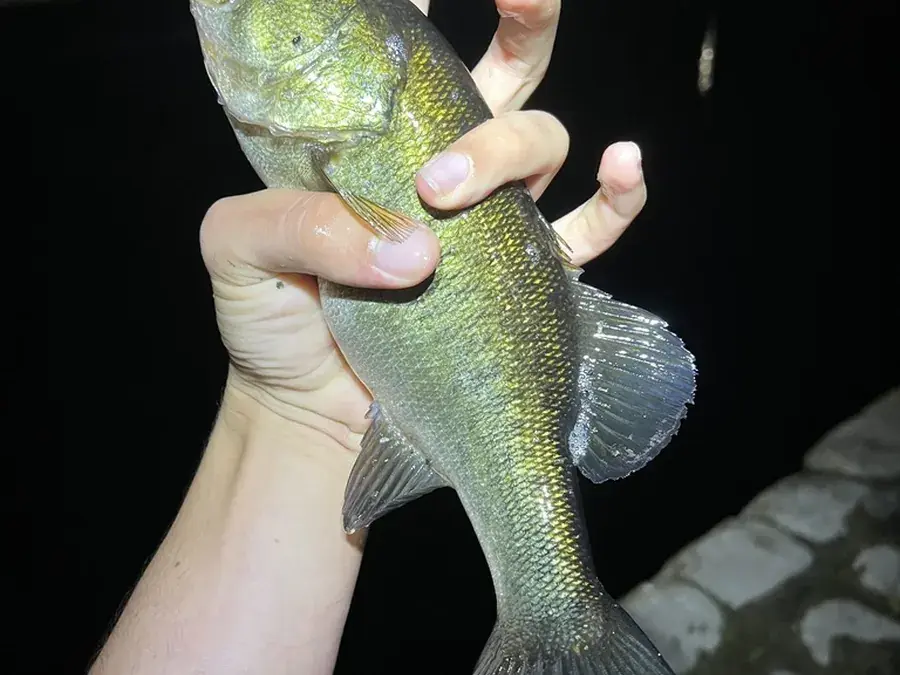
Cruising the weed edges, pads and shallow flats, ambushing anything that moves across the top.
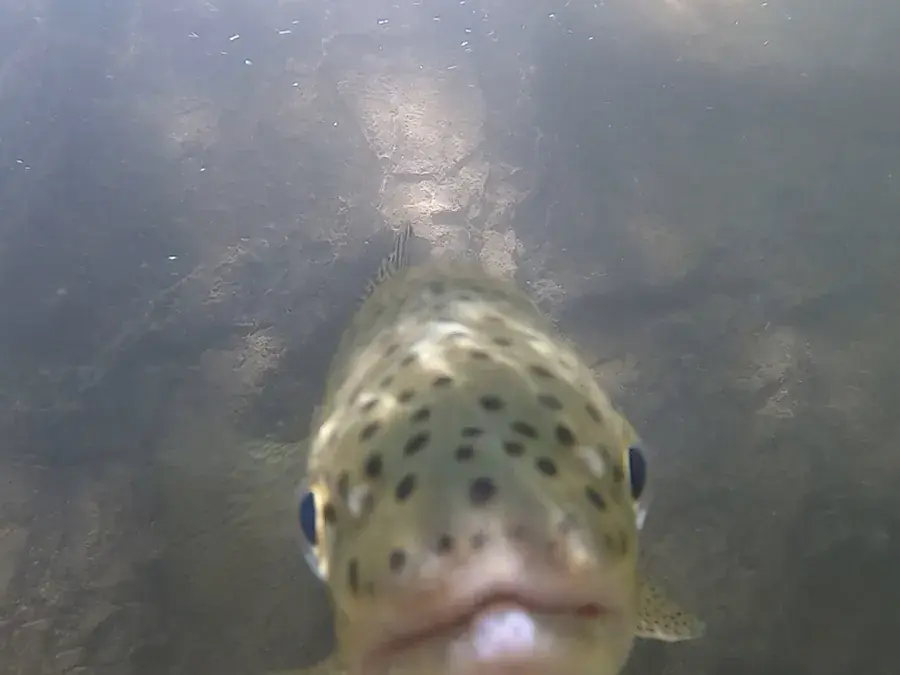
Working the seams and feeding lanes where current delivers food, rising freely to a hatch.
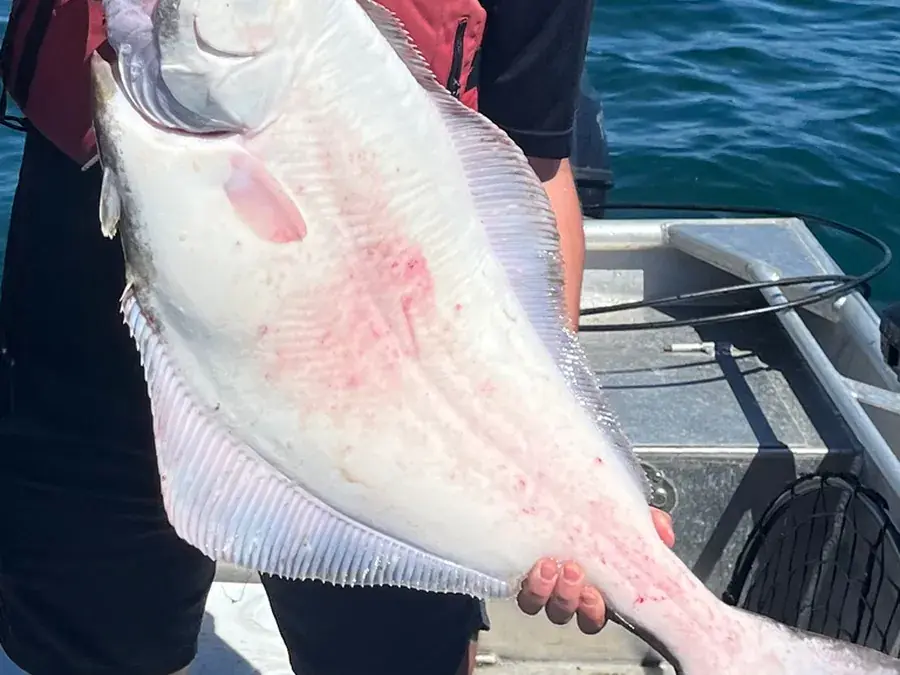
On the bottom on sand and gravel banks, feeding on the tide rather than the sun — depth means the light barely reaches it.
Bright and still pushes fish deep, into shade and under structure. Work the edges of the day.
In the garden now
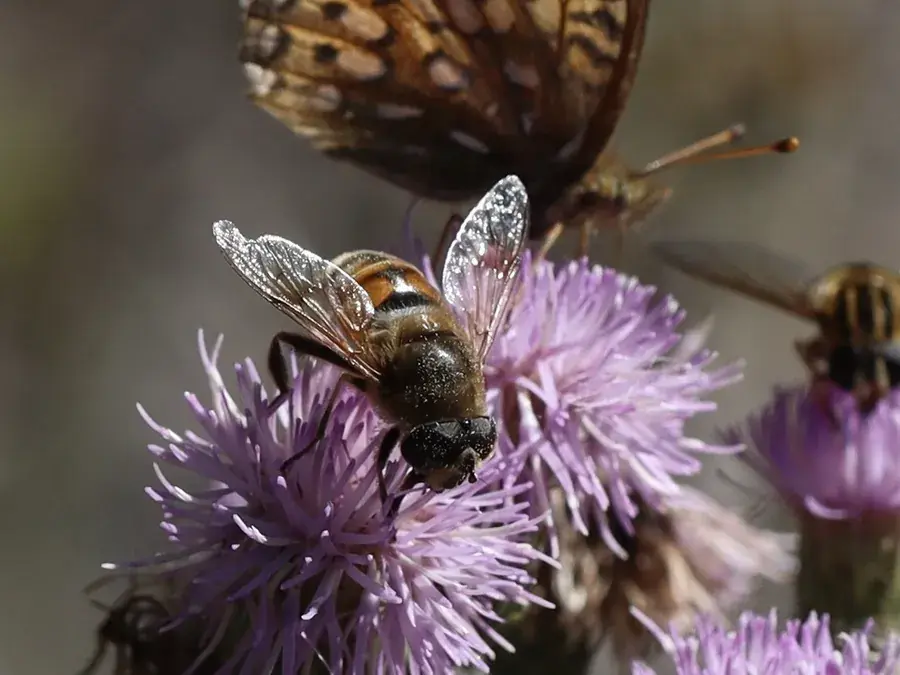
Hoverflybest now
Hanging motionless in a sunbeam, then darting — hoverflies use warm still air and are strongest in the middle of the day.
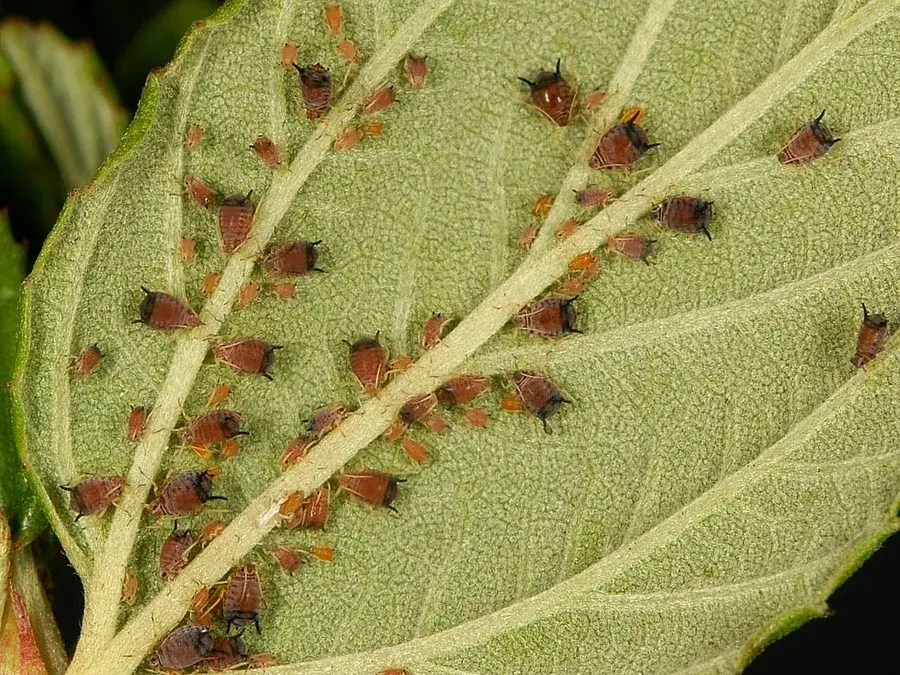
Aphidsbest now
On the newest growth and the undersides of leaves, reproducing steadily through warm daylight.
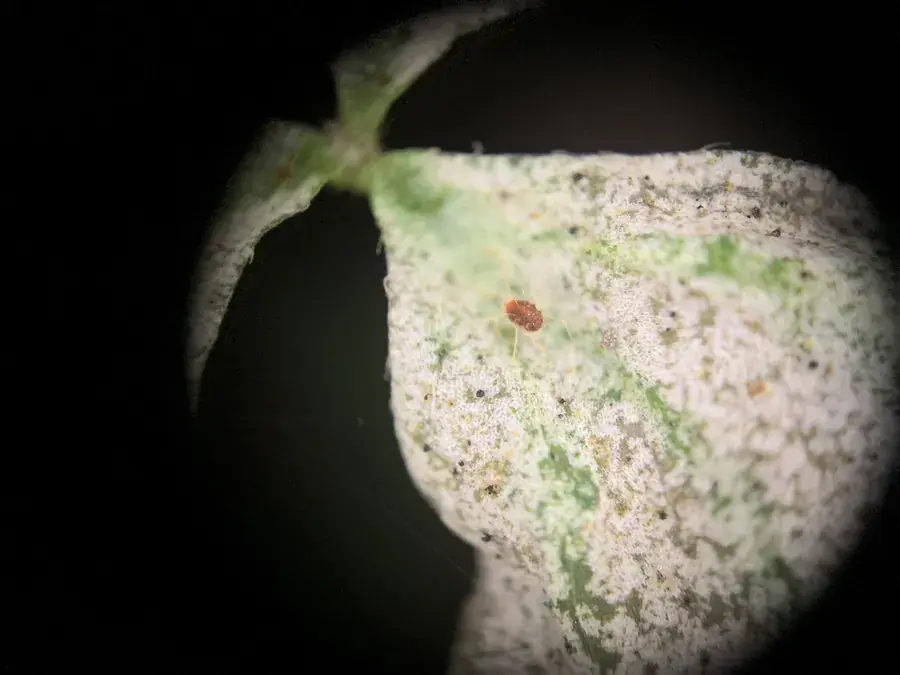
Spider mitesbest now
On leaf undersides. They explode in hot dry weather and collapse in humidity, which is the whole control strategy.
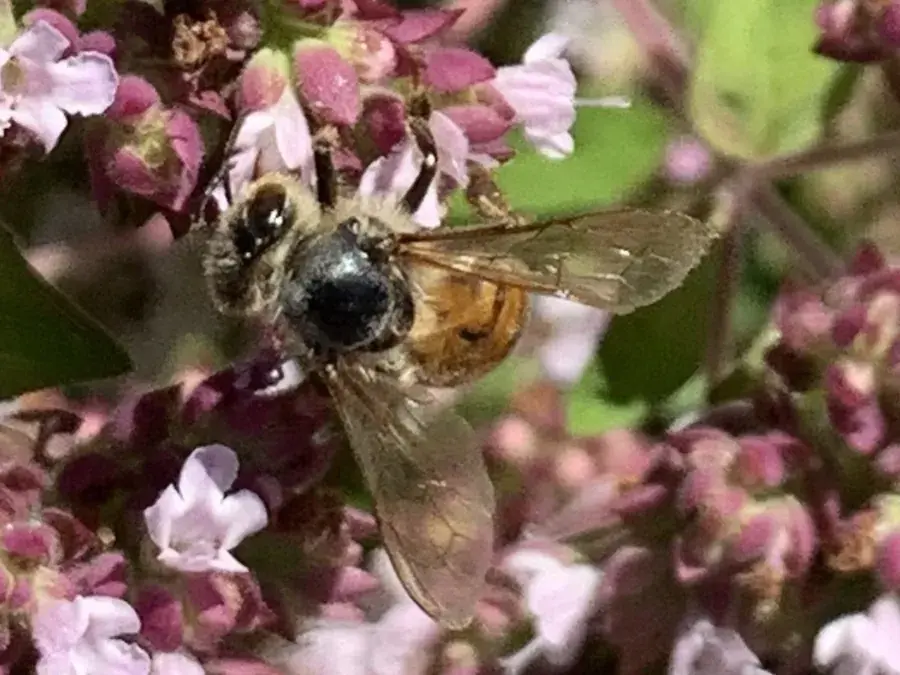
Working flowers from about 13 °C upward, most heavily mid-morning when nectar has risen and the dew has gone.
Peak photosynthesis and peak water loss. Beds dry fast and transplants sulk.
Sitting this one out
Chinook salmon · Coho salmon · Green lacewing · Ground beetle · Earthworm · Slugs
The full guide
Everything for Seattle this week in one place.
Pacific Maritime
The region this day belongs to, and what lives in it.
The almanac
The year's arc: day length, the moon and the water behind the air.
The week ahead for Seattle
One email, Sunday evening. Unsubscribe anytime.