Fishing in Whitehorse
Yukon · Boreal North & Taiga · hardiness zone 2a
Now
14°C · Clear
Today
14° / 4°
Sun
07:25 – 20:24
Moon
Waxing Crescent · solunar good
Bright and still pushes fish deep, into shade and under structure. Work the edges of the day.
- Northern pikebest now — Sitting still in the weeds in one to three metres, facing out, waiting. Pike hunt by sight and prefer daylight to dark.
- Bluegillbest now — On the beds and the shallow flats, in water warm enough to see the bottom.
In the water now · September
What's biting
The sport fish active near Whitehorse, Yukon in September — where they hold, how to know one on the line, and the tactic that usually works. Check your licence and the current limits before you go.
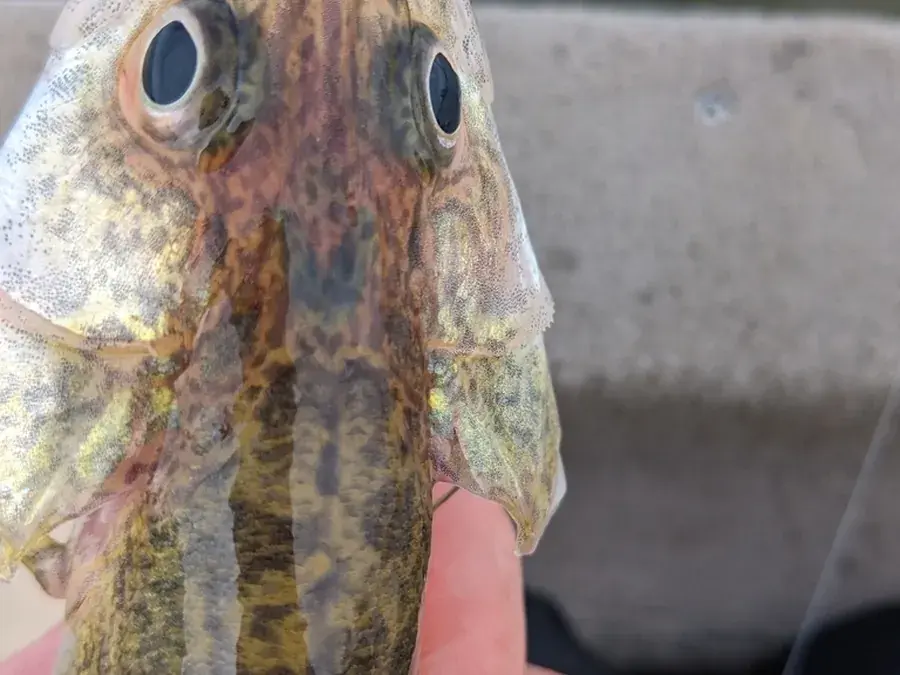 FishYear-round
Walleye
Sander vitreus
Olive-gold flanks, a spiny first dorsal, and the big glassy eye that gives it the name and lets it hunt in low light.
Where and how to catch it →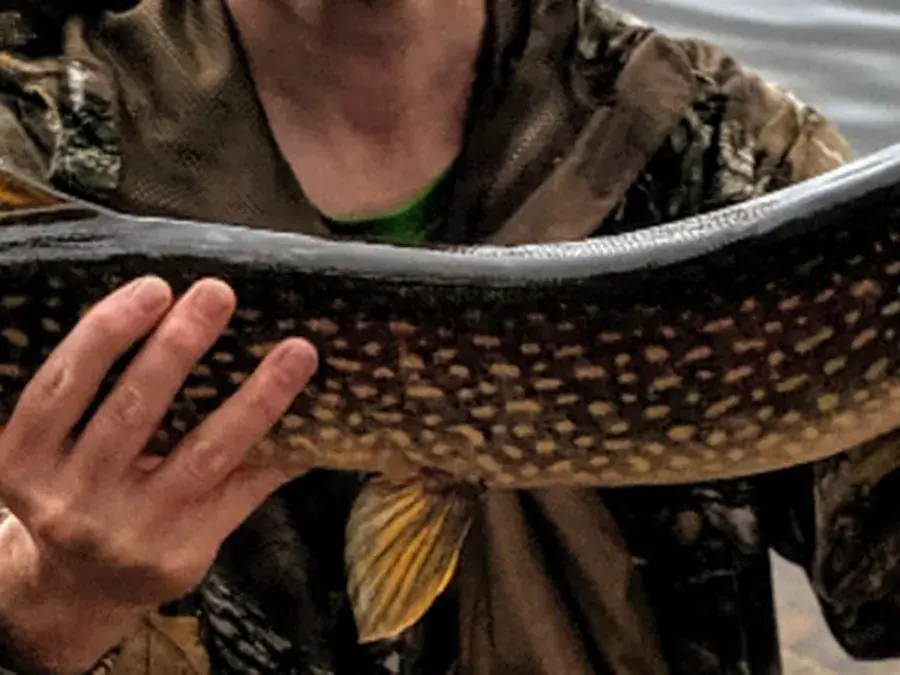 FishJan–Jun
Northern pike
Esox lucius
Long torpedo body, duck-like jaws, light bean-shaped spots on a dark green flank.
Writing your field guide — reading the forecast, the moon and the map…
Overhead · Whitehorse, Yukon
The sky over the water
The two clocks nothing on the ground can argue with: the length of the day, and the phase of the moon.
The sun
12h 55m of light
Sunrise
07:27
Solar noon
13:55
Sunset
20:23
A month from now the day will be 2h 46m shorter. Enough light for steady growth.
Right now · Whitehorse, Yukon
Forces at work
Nothing here is a guess. Each of these is read from this week's forecast and this location's climate record, and each one is pushing the season one way or the other.
- Worth watching
The moon
Waxing Crescent · 11%
Waxing, 3 days old. Full moon in 11 days. Fishing outlook: good.
It moves water — in the sea, in a lake's edge, and, by long tradition, in the sap of a plant. Fish feed hardest on the days around new and full.
- Worth watching
Wind
7 km/h now · 18 peak
Calm. Good for spraying, for transplanting, and for spotting a rise on flat water — but calm bright days push fish deep.
It pollinates corn and grasses, dries soil, breaks stems — and it decides where the bait, and therefore the fish, end up.
The fishing note for Whitehorse, every week
One email, Sunday evening. Unsubscribe anytime.