Found near Duluth · September
What people actually find here
400 species have been recorded within about 40 km of here in September, from verified public observations. These are the ones we have written up, ordered by how often they turn up.
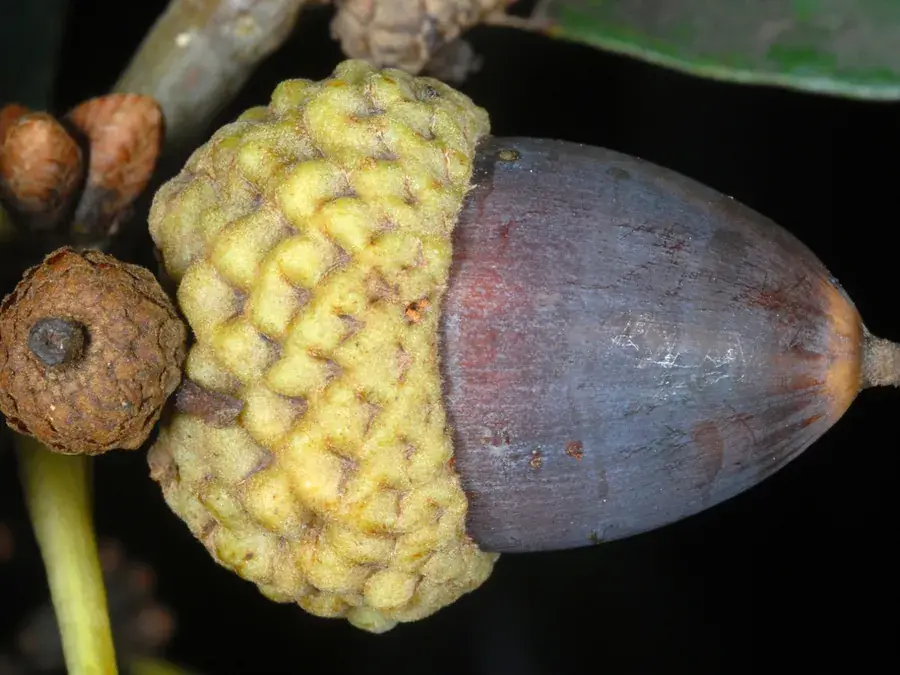 Acorns
69 records within 40 km this month
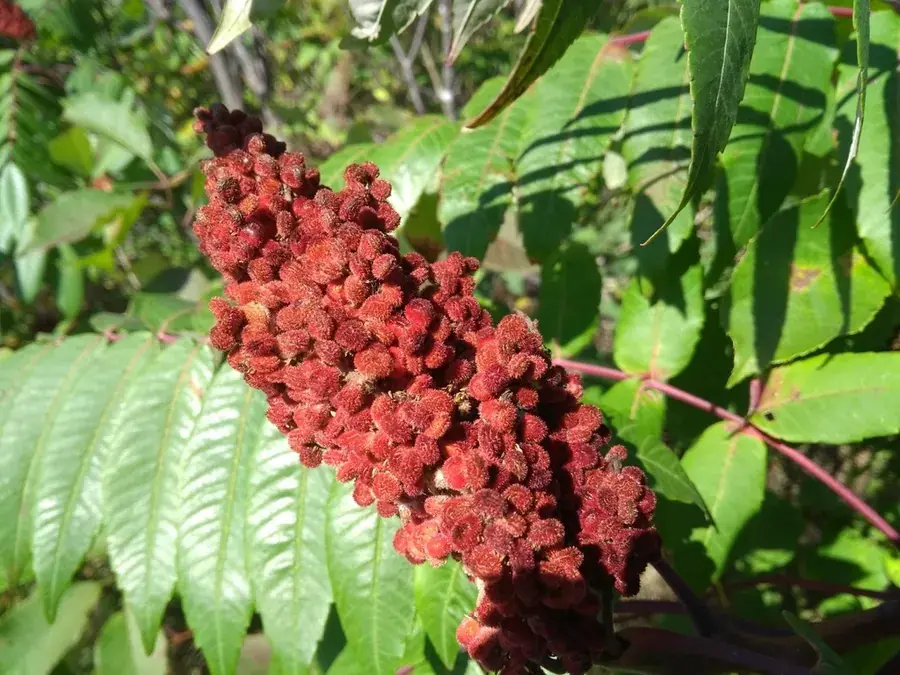 Staghorn sumac
57 records within 40 km this month
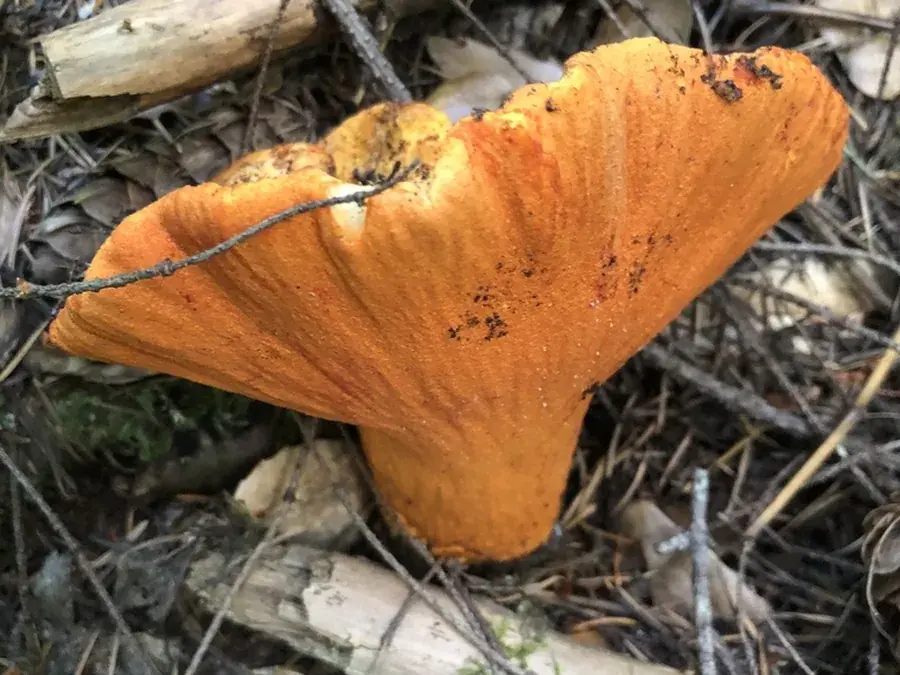
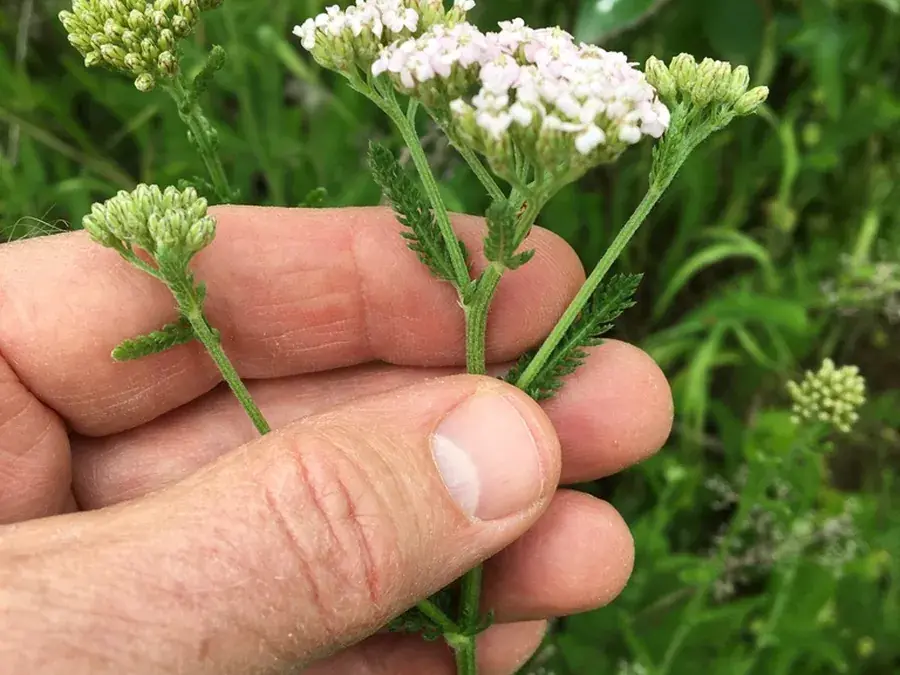 Dangerous look-alikeYarrow
31 records within 40 km this month
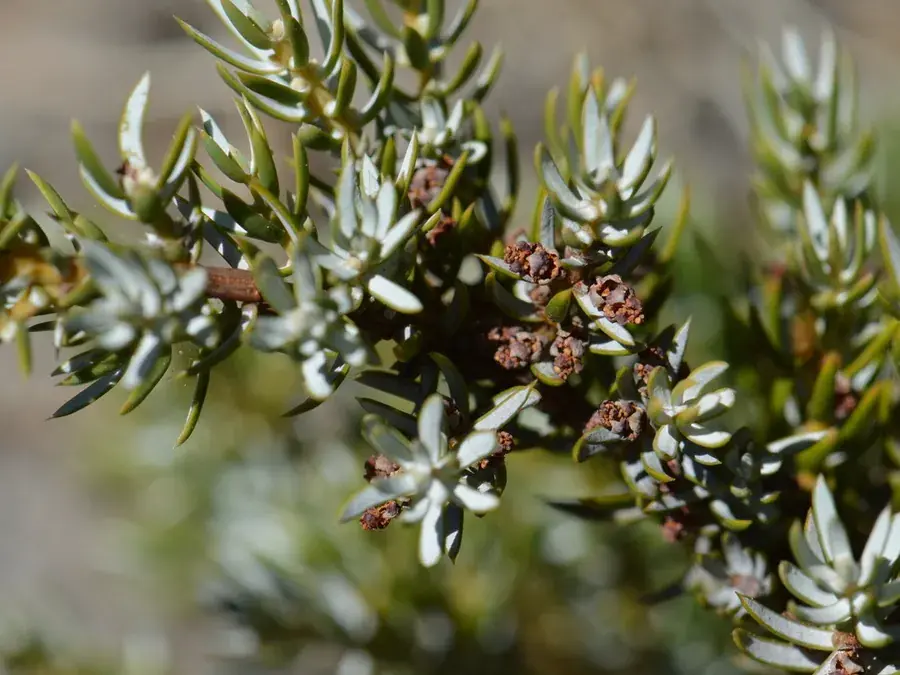 Dangerous look-alikeJuniper berries
19 records within 40 km this month
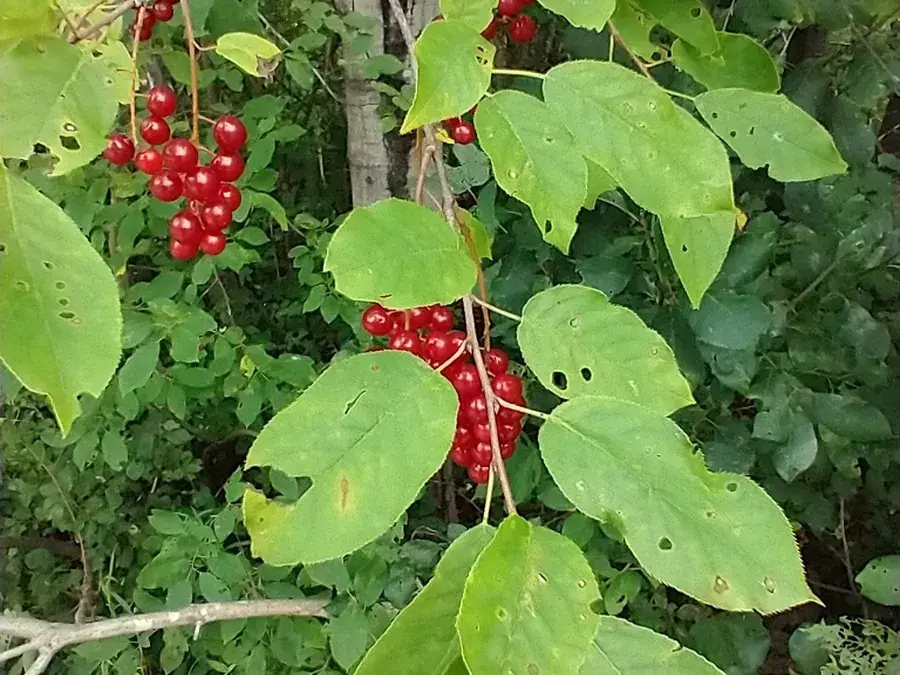 Chokecherry
16 records within 40 km this month
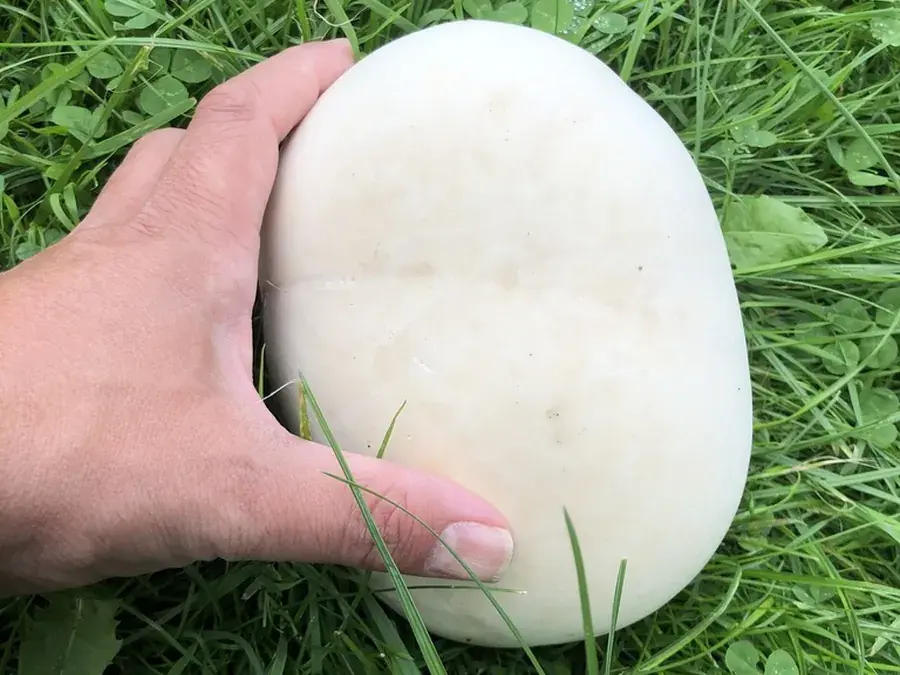 Dangerous look-alikeGiant puffball
13 records within 40 km this month
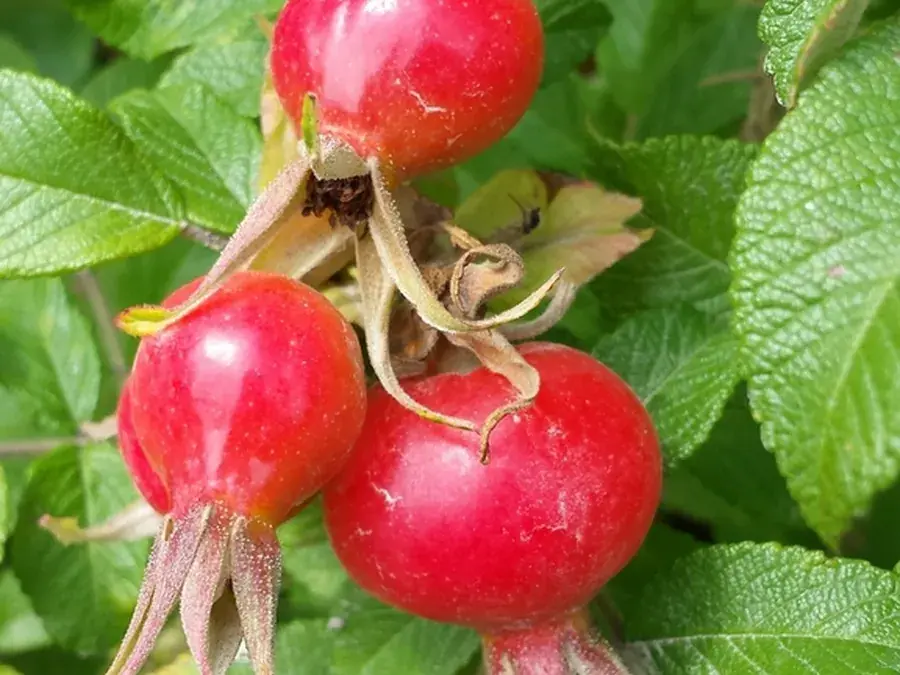 Rose hips
12 records within 40 km this month
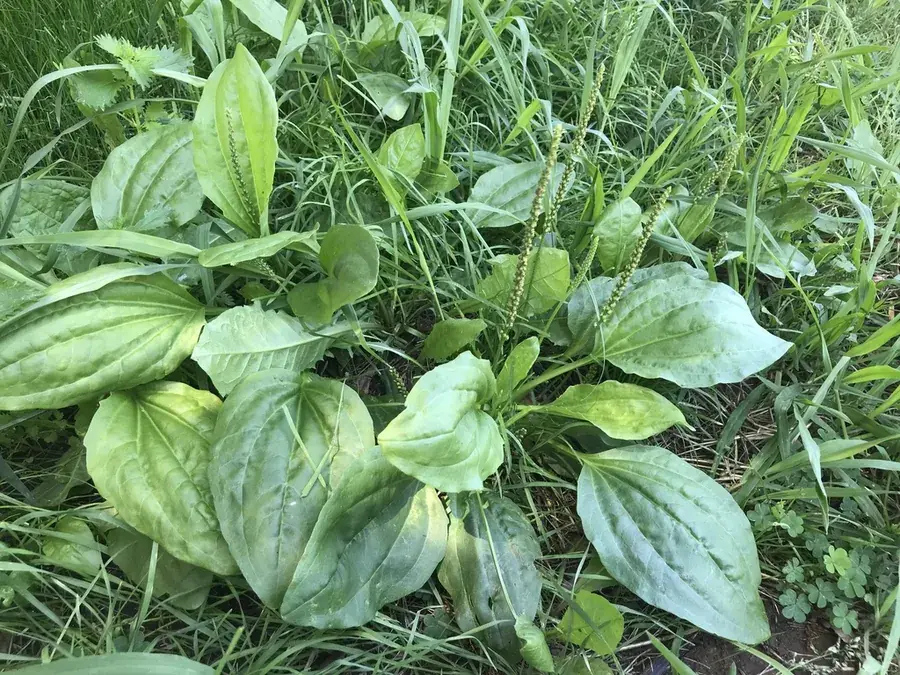 Broadleaf plantain
11 records within 40 km this month
Also out there, that we haven't written up yet
Recorded near you this month. We have no identification guidance for these, so treat them as a list of things to go and learn — from a regional key or someone who knows them — not as a list of things to pick.
Fungi
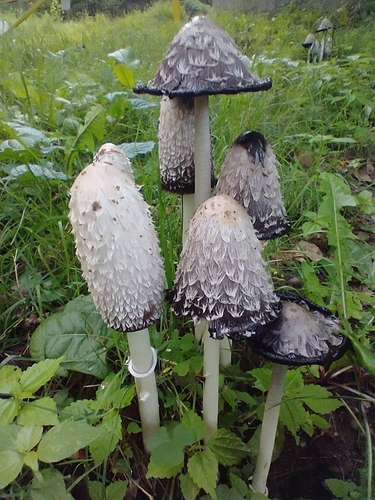
Shaggy Mane
Coprinus comatus
54 records nearby
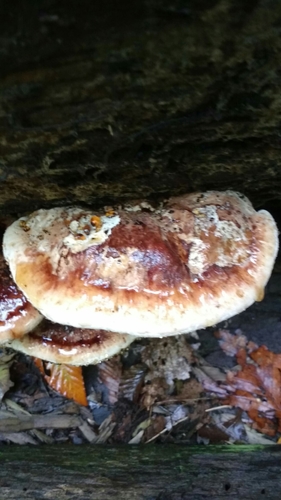
Resinous Polypore
Ischnoderma resinosum
45 records nearby
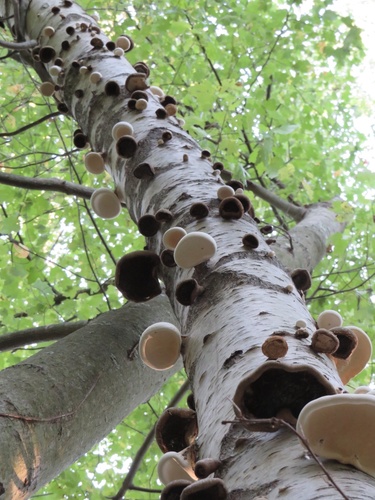
Your woods
What's growing around Duluth
The commonest trees recorded nearby, most often seen first. Most of the good mushrooms are tied to a particular tree, so this is the first thing to know about a wood.
- maple
- poplar and aspen
- pine
- mountain ash
- oak
- birch
- cedar
- fir
Know these first
What can hurt you around Duluth in September
14 species on our hazard list have been recorded near here this month, 8 of which can kill a healthy adult. Learn these before you learn anything you intend to eat.
- Can kill37 records nearby
White baneberry
Actaea pachypoda
- Mistaken for
- Nothing edible, but the berries are conspicuous and children pick them.
- How to tell
- Porcelain-white berries each with a single black dot, on thick red stalks — the common name is doll's eyes.
- What it does
- Cardiac sedative: a few berries cause severe symptoms in a child.
- Can kill28 records nearby
Red baneberry
Actaea rubra
- Mistaken for
- Red currants and other woodland berries.
- How to tell
- Glossy red berries in a tight cluster on a stout stalk, above compound toothed leaves. No currant-like flower remnant at the tip.
- What it does
- As white baneberry: severe cardiac effects from a small number of berries.
- Can kill13 records nearby
Lily of the valley
Convallaria majalis
- Mistaken for
- Ramps and wild garlic — it comes up in the same woods at the same time, with the same shape of leaf.
Next
What to start watching for
Coming into season in the next month or two near Duluth, Minnesota. Seasons shift a week or two with the weather, so treat these as things to keep an eye on rather than dates.