Found near Phoenix · September
What people actually find here
212 species have been recorded within about 40 km of here in September, from verified public observations. These are the ones we have written up, ordered by how often they turn up.
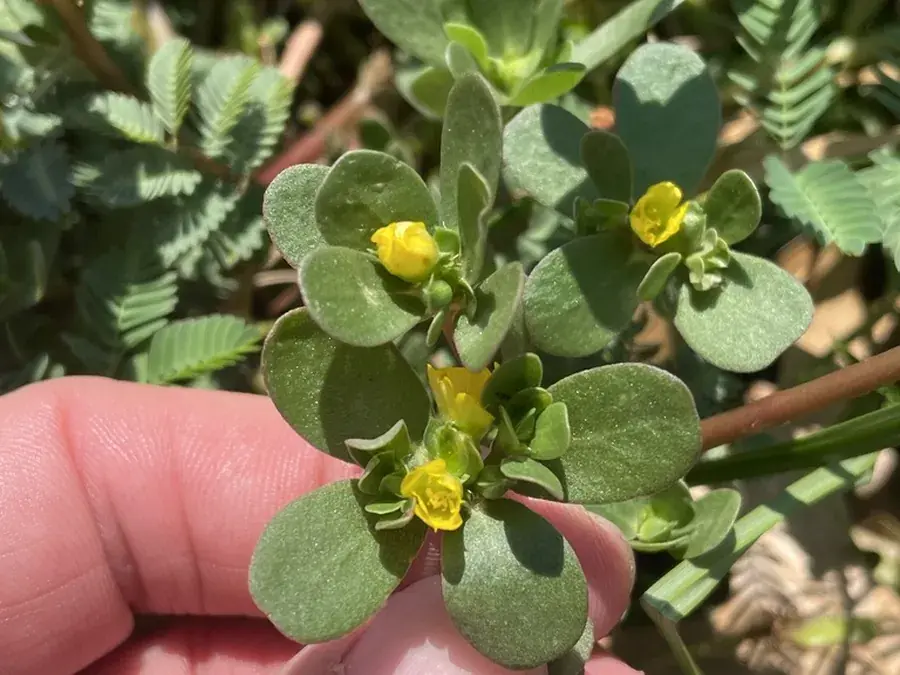 Purslane
31 records within 40 km this month
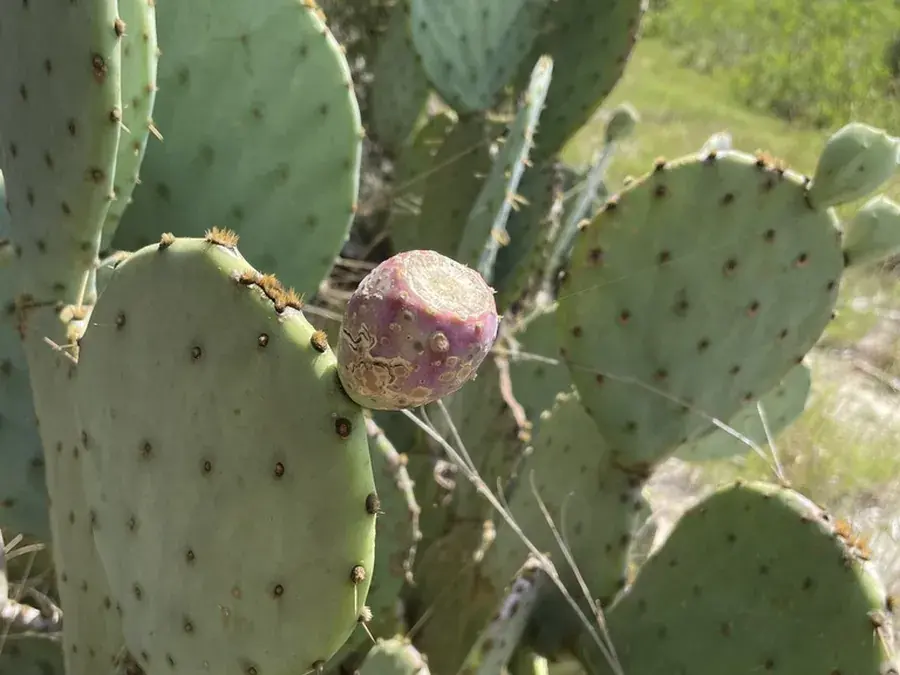 Prickly pear (tunas & nopales)
10 records within 40 km this month
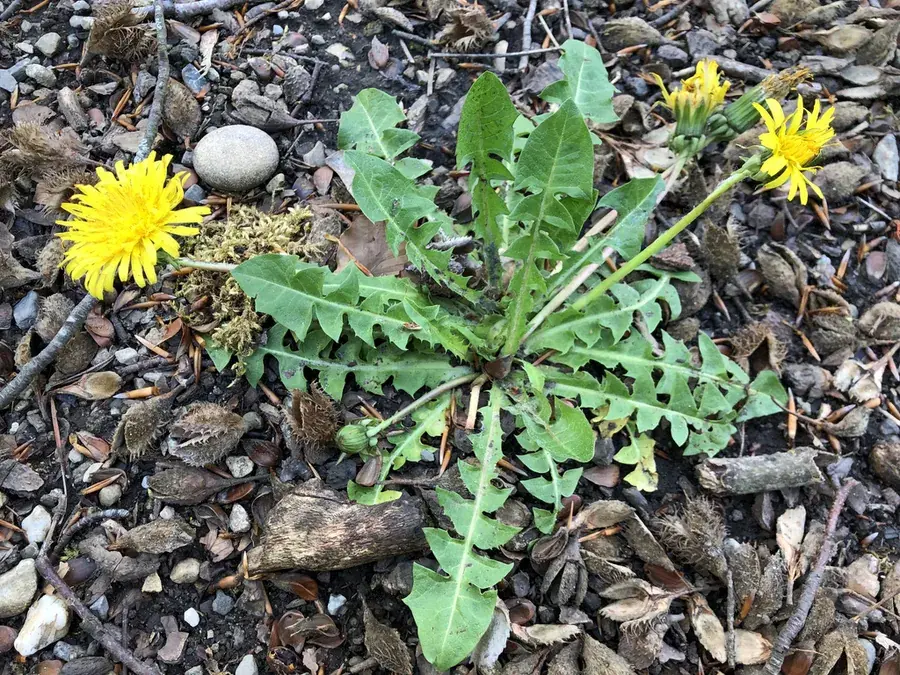 Dandelion
3 records within 40 km this month
Also out there, that we haven't written up yet
Recorded near you this month. We have no identification guidance for these, so treat them as a list of things to go and learn — from a regional key or someone who knows them — not as a list of things to pick.
Fungi
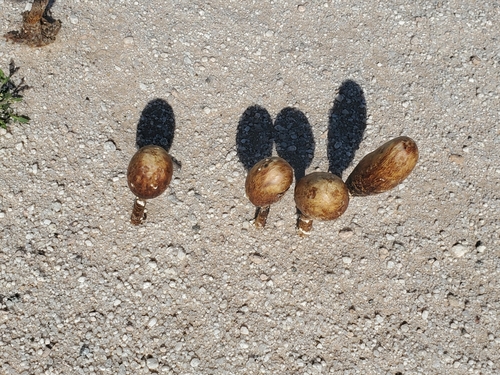
Podaxis inyoensis
Podaxis inyoensis
16 records nearby
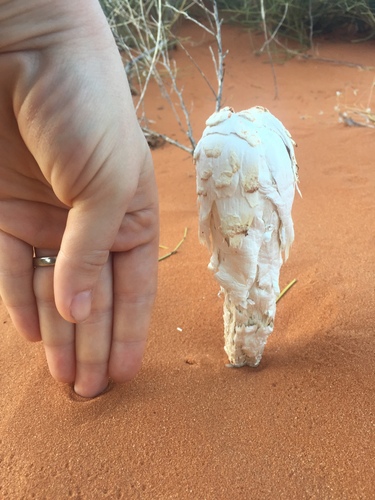
Desert Shaggymane
Podaxis pistillaris
7 records nearby
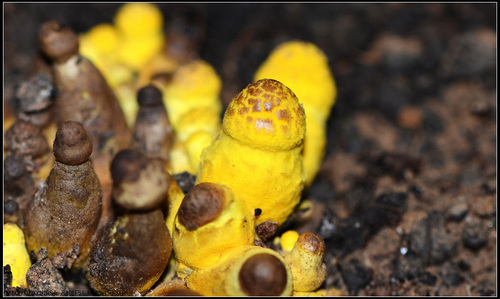
flowerpot parasol
Leucocoprinus birnbaumii
7 records nearby
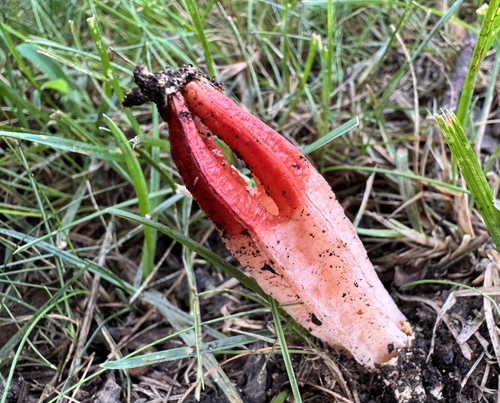
lantern stinkhorn
Lysurus mokusin
2 records nearby
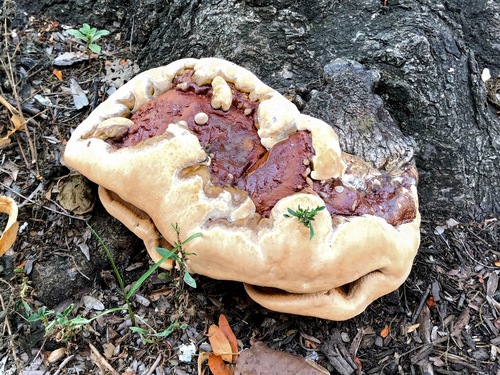
Ganoderma sessile
Ganoderma sessile
2 records nearby
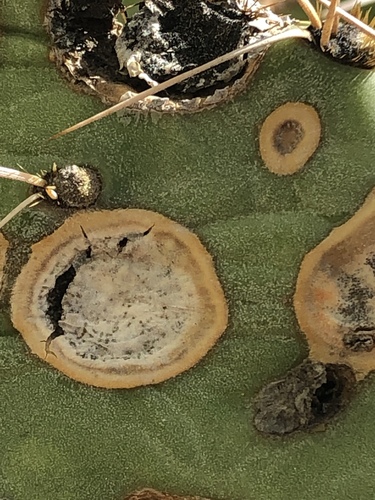
Prickly Pear Leaf Spot
Phyllosticta concava
2 records nearby
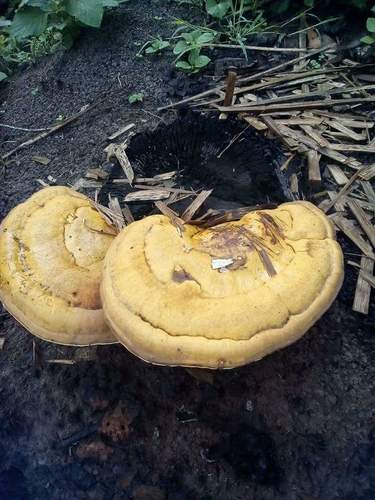
Tomophagus colossus
Tomophagus colossus
2 records nearby
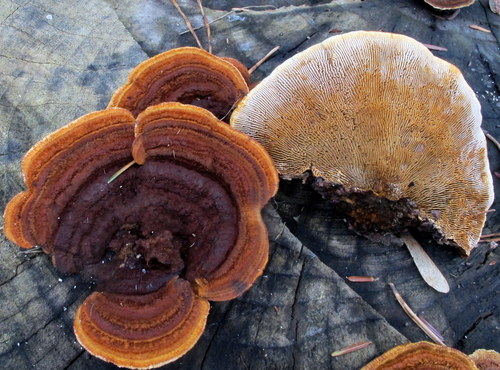
Conifer Mazegill
Gloeophyllum sepiarium
1 record nearby
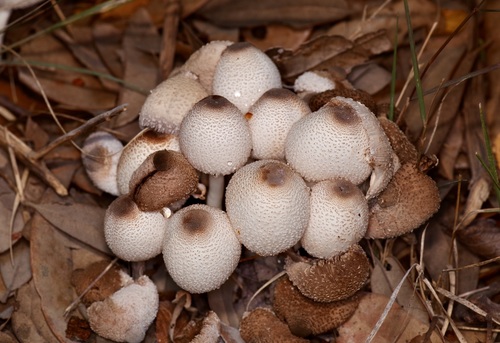
onion-stalk parasol
Leucocoprinus cepistipes
1 record nearby
- No openly licensed photo yet
Amylosporus sp. 'GD118'
Amylosporus sp. 'GD118'
1 record nearby
Plants
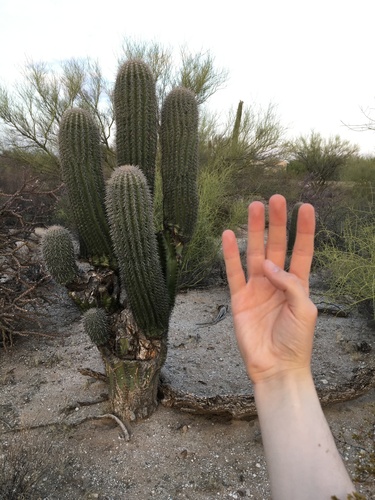
saguaro
Carnegiea gigantea
313 records nearby
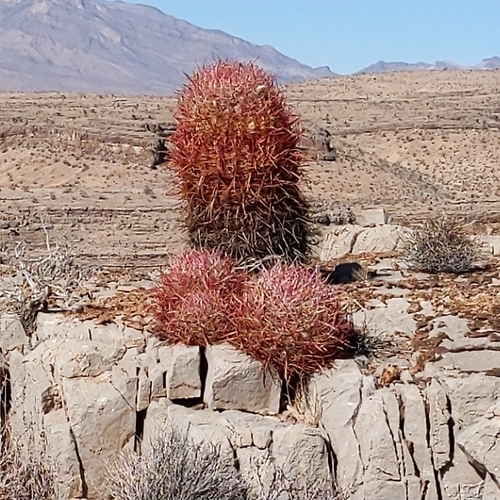
California Barrel Cactus
Ferocactus cylindraceus
121 records nearby
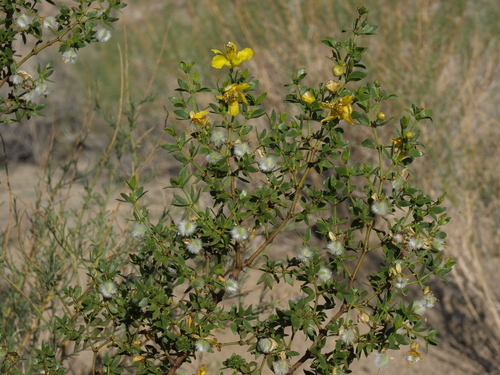
Creosote Bush
Larrea tridentata
104 records nearby
Photographs and records from iNaturalist, used under their open licences and credited to their photographers.
Your woods
What's growing around Phoenix
The commonest trees recorded nearby, most often seen first. Most of the good mushrooms are tied to a particular tree, so this is the first thing to know about a wood.
- hackberry
- poplar and aspen
- willow
- mulberry
Know these first
What can hurt you around Phoenix in September
2 species on our hazard list have been recorded near here this month. Learn these before you learn anything you intend to eat.
- Hospital20 records nearby
Green-spored parasol
Chlorophyllum molybdites
- Mistaken for
- Shaggy parasol and true parasol mushroom, which it grows beside in lawns and parks.
- How to tell
- Take a spore print: this one is green, and its mature gills take on a dirty green tinge. Edible parasols print white.
- What it does
- The most common cause of mushroom poisoning in North America. Violent vomiting and diarrhoea for hours; rarely fatal but regularly hospitalising.
- Hospital1 record nearby
Fly agaric
Amanita muscaria
- Mistaken for
- Rarely mistaken once it is open — but the buttons, before the cap expands, look like white eggs and get picked as puffballs.
- How to tell
- Cut any 'puffball' in half. Solid white all the way through is a puffball; the outline of a cap, gills and stem inside is an Amanita button.
- What it does
- Ibotenic acid and muscimol: nausea, then confusion, agitation and deep sedation for several hours. Not usually fatal, but genuinely dangerous in children.
These are recorded within about 40 km of here in this month, from verified public observations. It is not a complete list of what is dangerous — nothing is — and a species missing from it may still be in your woods. Never eat anything identified from a photograph and a description alone.
Next
What to start watching for
Coming into season in the next month or two near Phoenix, Arizona. Seasons shift a week or two with the weather, so treat these as things to keep an eye on rather than dates.