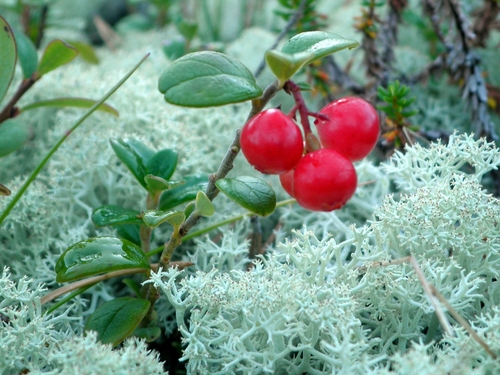
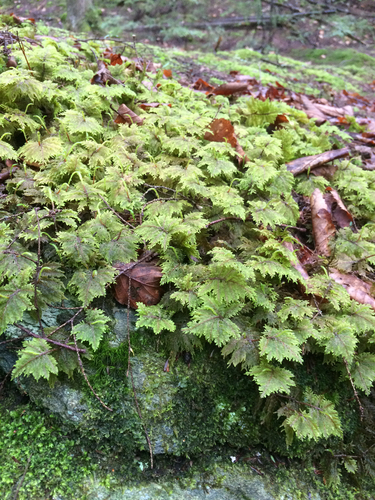
Found near Fairbanks · September
What people actually find here
243 species have been recorded within about 40 km of here in September, from verified public observations. These are the ones we have written up, ordered by how often they turn up.
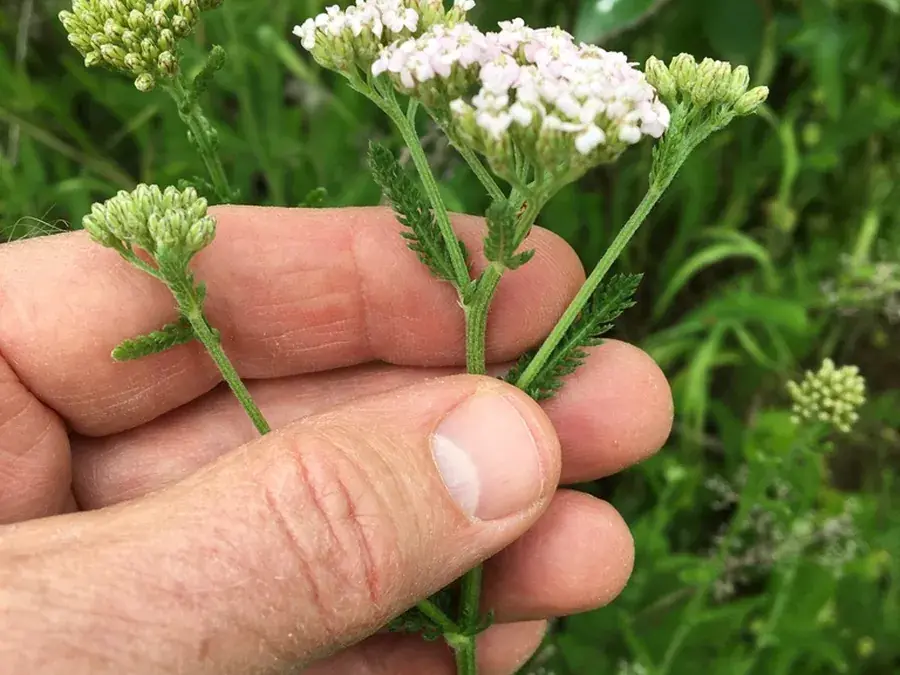 Dangerous look-alikeYarrow
25 records within 40 km this month
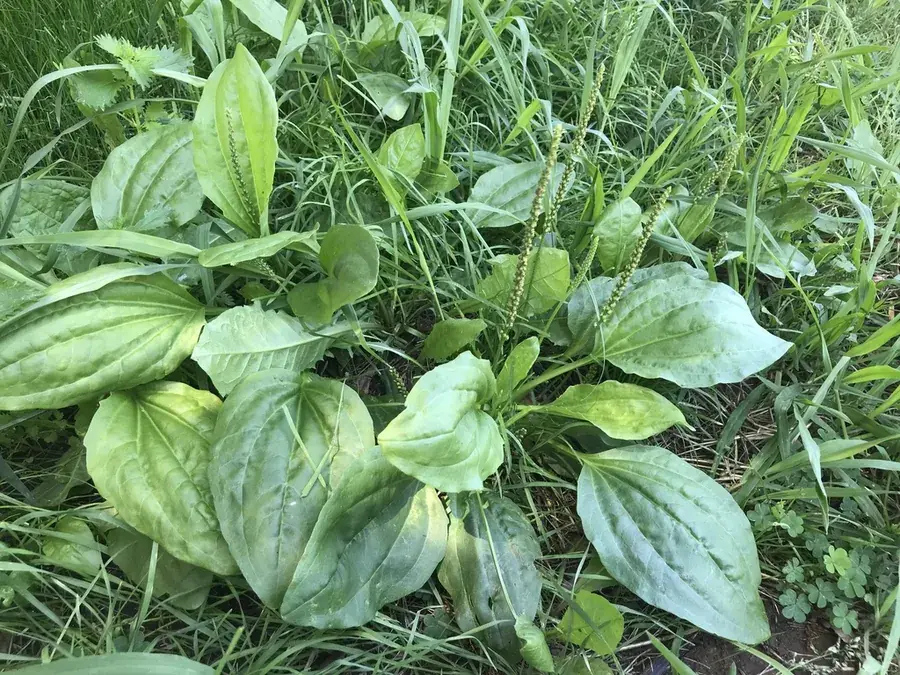 Broadleaf plantain
6 records within 40 km this month
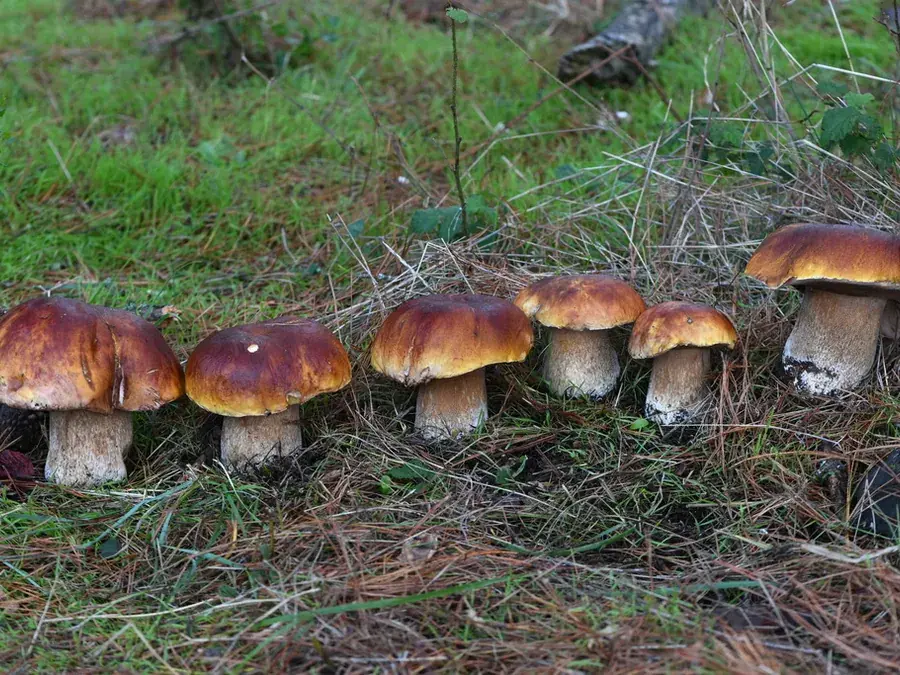
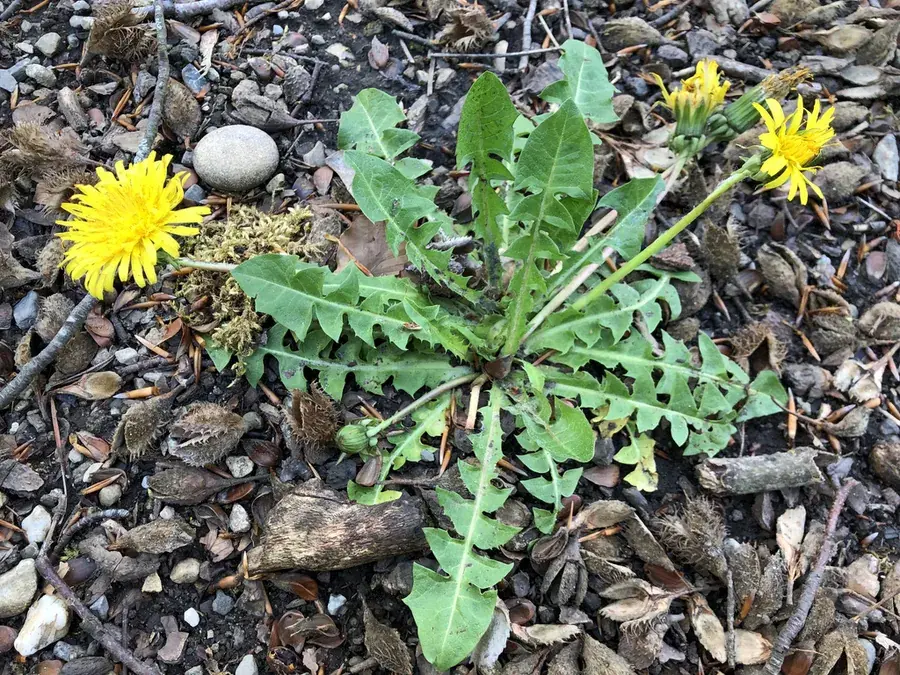 Dandelion
2 records within 40 km this month
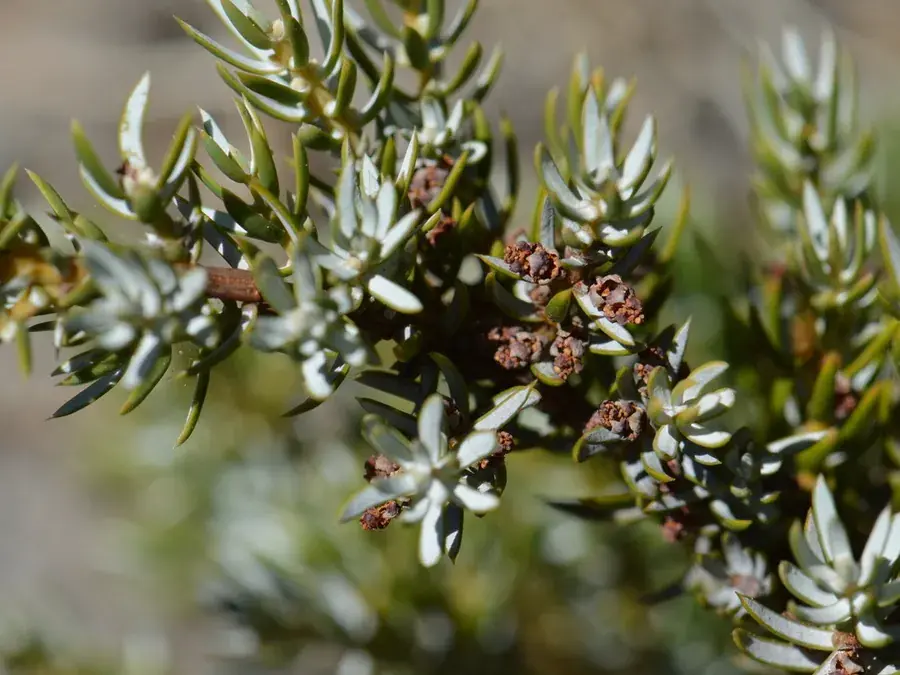 Dangerous look-alikeJuniper berries
1 record within 40 km this month
Also out there, that we haven't written up yet
Recorded near you this month. We have no identification guidance for these, so treat them as a list of things to go and learn — from a regional key or someone who knows them — not as a list of things to pick.
Fungi
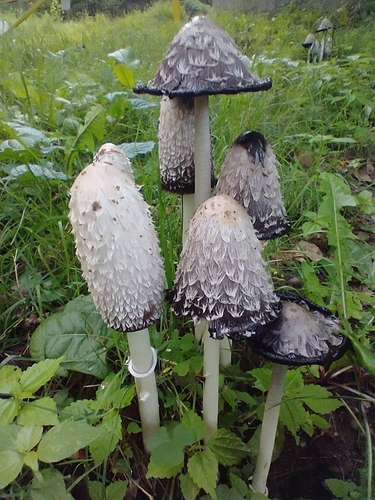
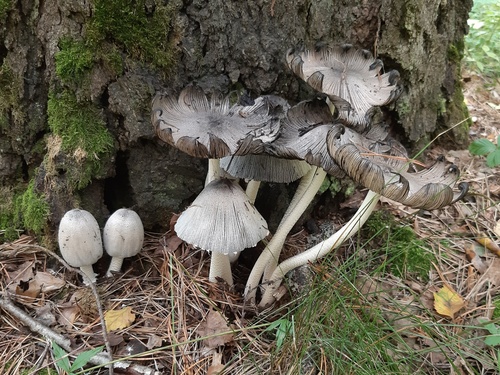
Shaggy Mane
Coprinus comatus
28 records nearby
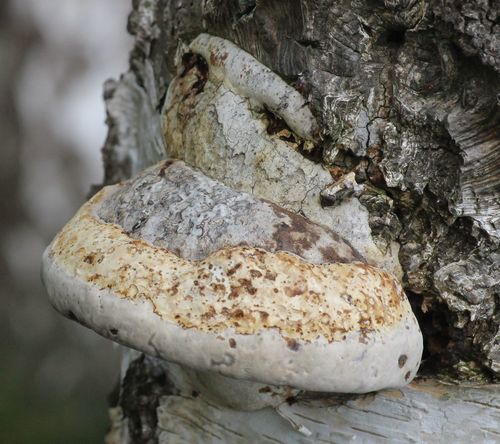
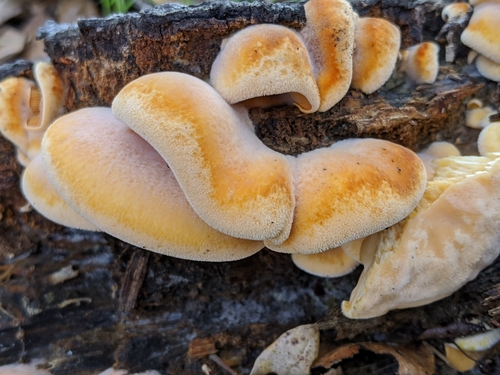
Hoof Fungus
Fomes fomentarius
21 records nearby
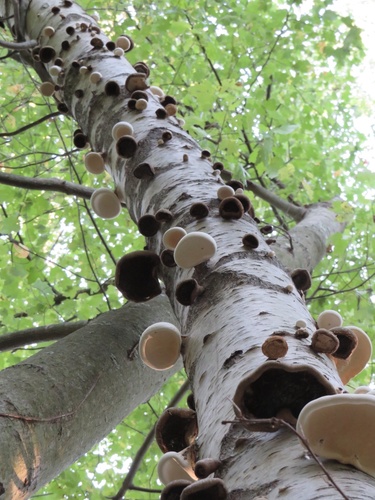
Your woods
What's growing around Fairbanks
The commonest trees recorded nearby, most often seen first. Most of the good mushrooms are tied to a particular tree, so this is the first thing to know about a wood.
- birch
- poplar and aspen
- larch
- spruce
- cherry
- willow
- apple
- alder
Know these first
What can hurt you around Fairbanks in September
6 species on our hazard list have been recorded near here this month, 4 of which can kill a healthy adult. Learn these before you learn anything you intend to eat.
- Can kill2 records nearby
Red baneberry
Actaea rubra
- Mistaken for
- Red currants and other woodland berries.
- How to tell
- Glossy red berries in a tight cluster on a stout stalk, above compound toothed leaves. No currant-like flower remnant at the tip.
- What it does
- As white baneberry: severe cardiac effects from a small number of berries.
- Can kill1 record nearby
Brown roll-rim
Paxillus involutus
- Mistaken for
- Assorted brown gilled mushrooms; it was eaten as an edible in Europe for generations.
- How to tell
- Inrolled felty cap margin, gills that bruise dark brown and can be rubbed off the cap, growing under birch.
- What it does
- Sensitises the immune system over repeated meals, then one day triggers it to destroy the eater's own red blood cells. People have died after eating it safely for years.
- Can kill1 record nearby
False morel
Gyromitra esculenta
Next
What to start watching for
Coming into season in the next month or two near Fairbanks, Alaska. Seasons shift a week or two with the weather, so treat these as things to keep an eye on rather than dates.