Found near Richmond · September
What people actually find here
378 species have been recorded within about 40 km of here in September, from verified public observations. These are the ones we have written up, ordered by how often they turn up.
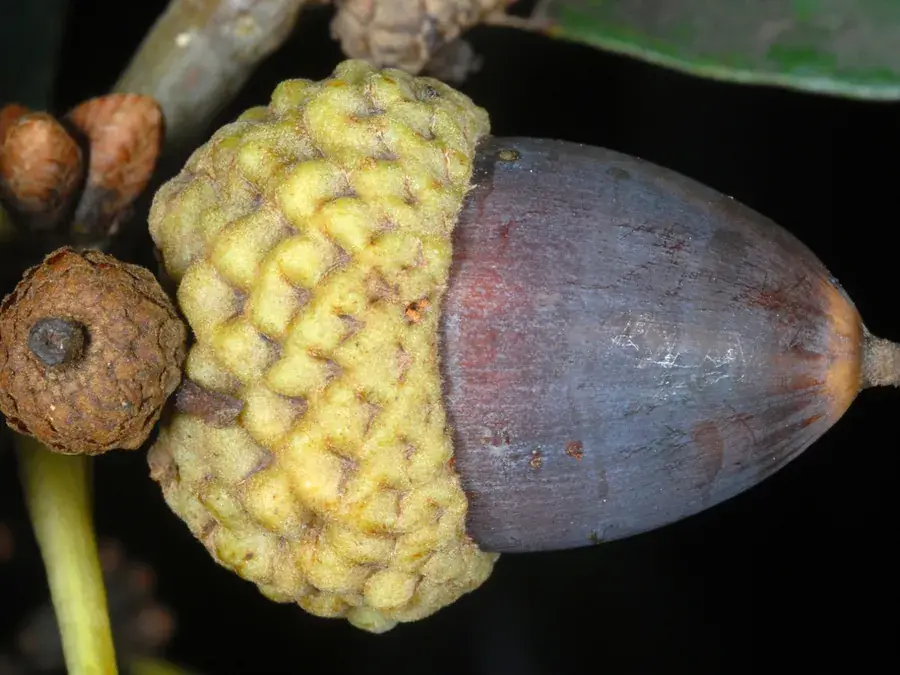 Acorns
211 records within 40 km this month
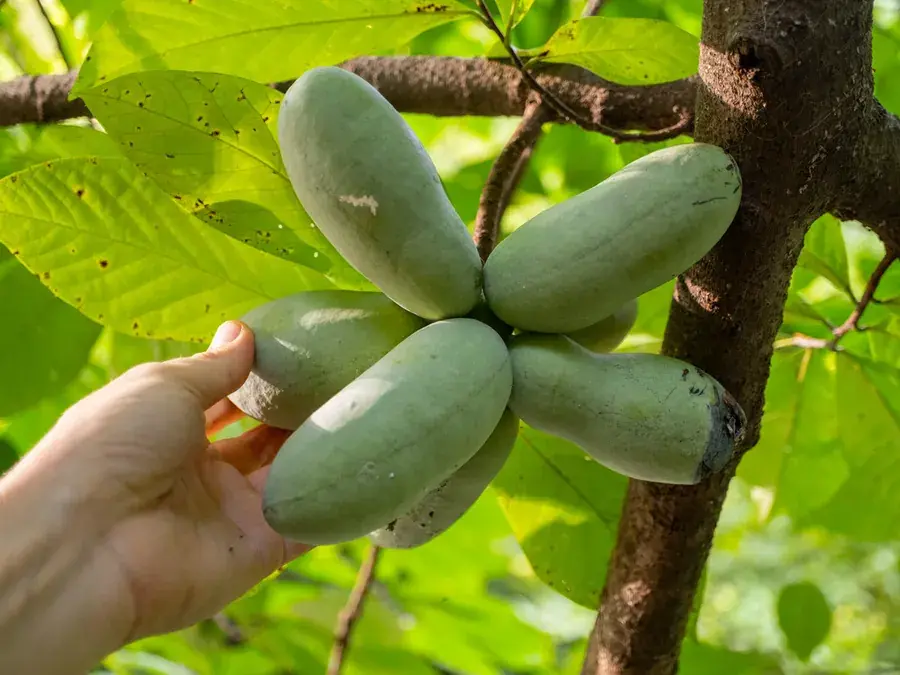 Pawpaw
82 records within 40 km this month
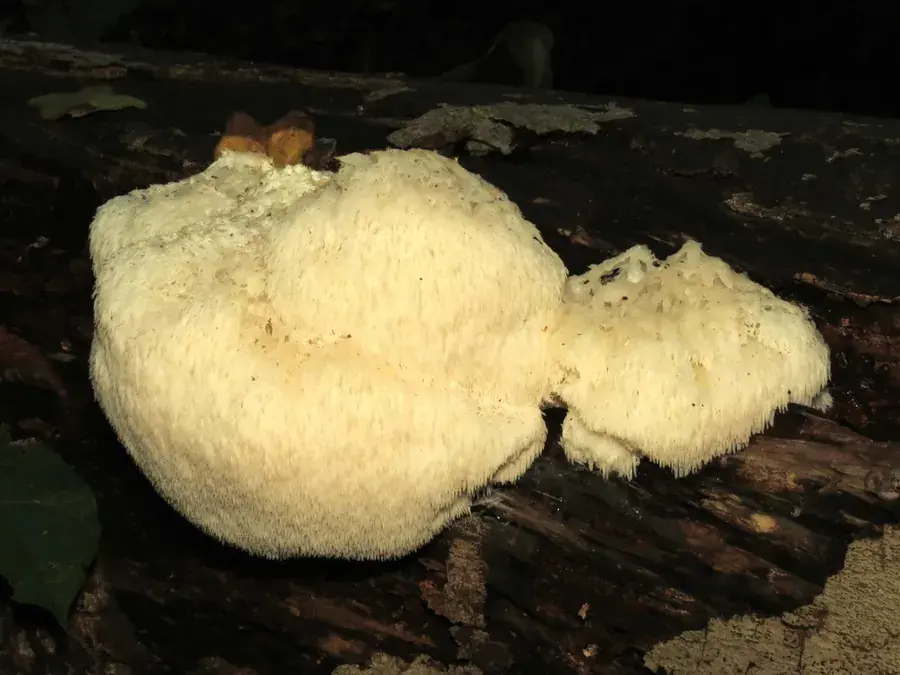
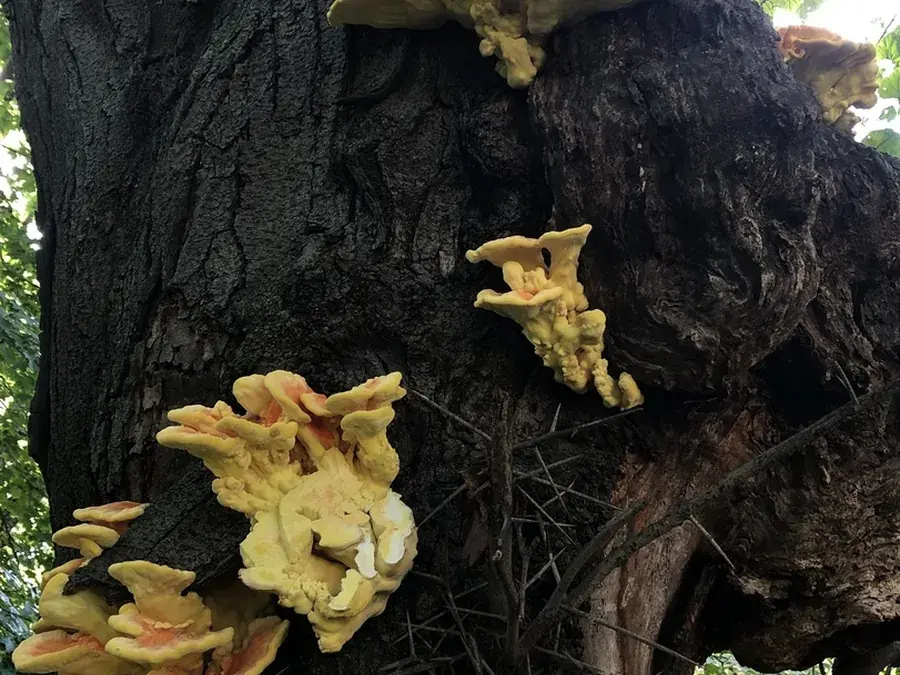
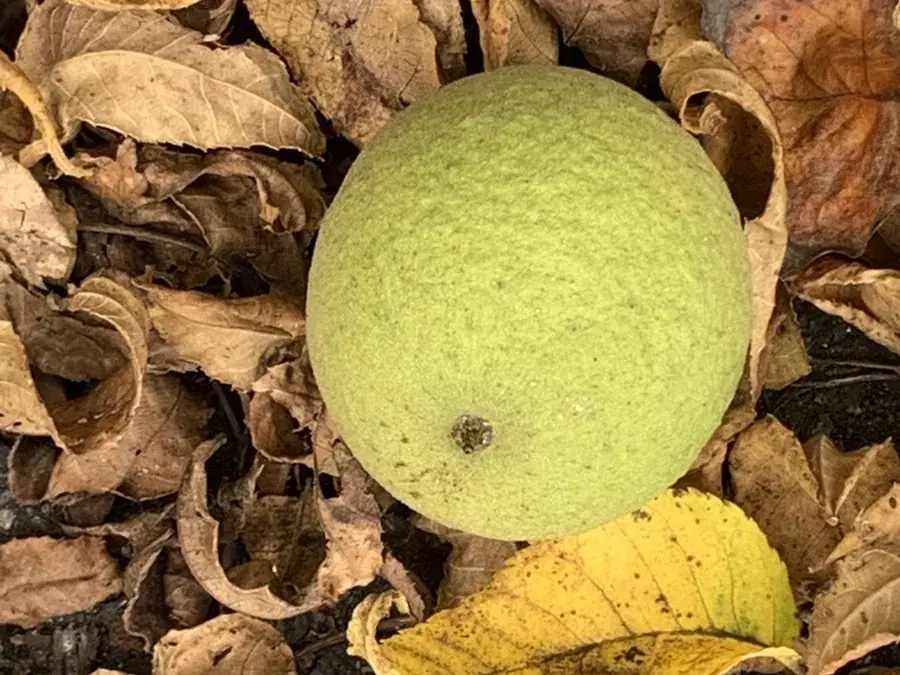
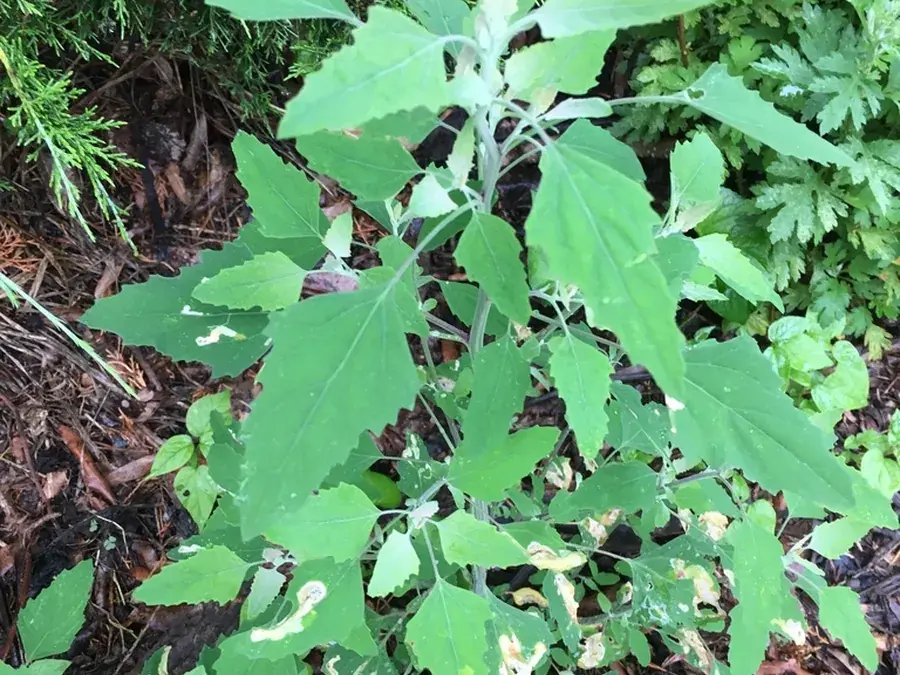 Lamb's quarters
10 records within 40 km this month
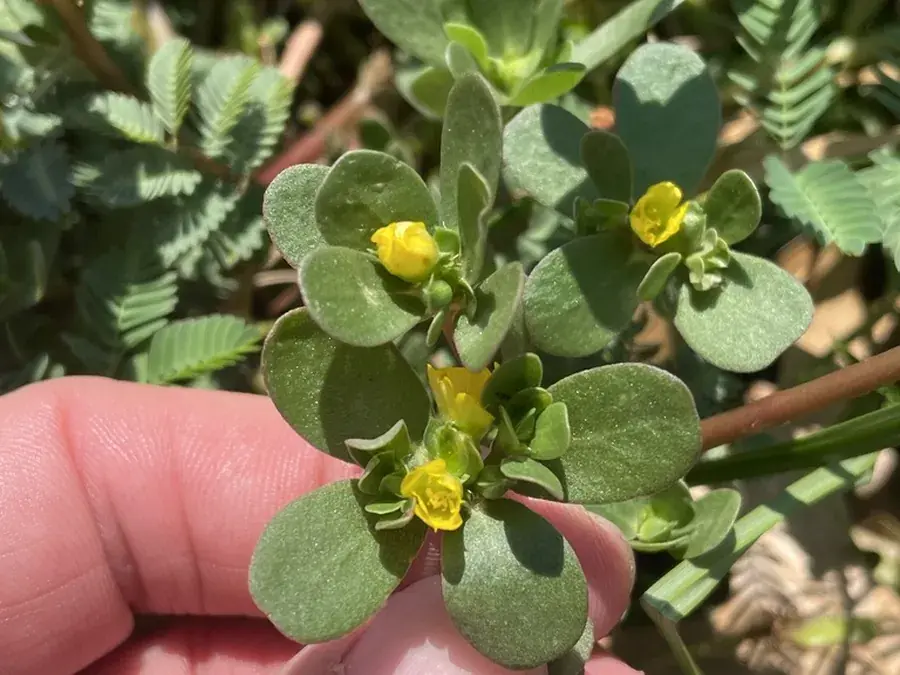 Purslane
10 records within 40 km this month
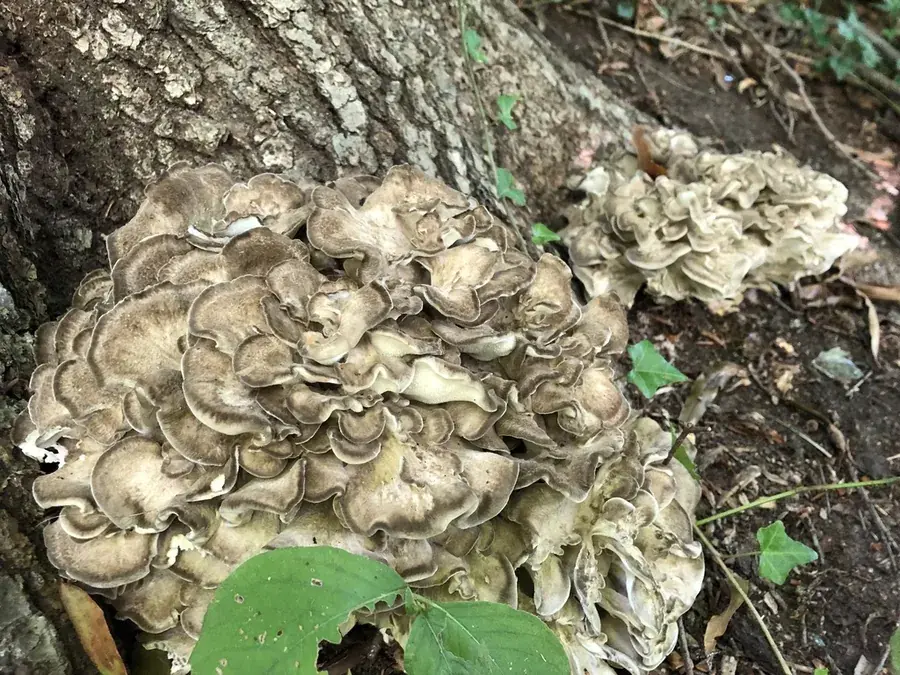
Also out there, that we haven't written up yet
Recorded near you this month. We have no identification guidance for these, so treat them as a list of things to go and learn — from a regional key or someone who knows them — not as a list of things to pick.
Fungi
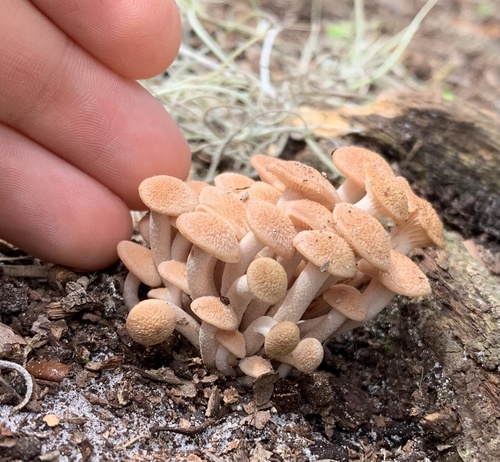
Ringless Honey Mushroom
Desarmillaria caespitosa
221 records nearby
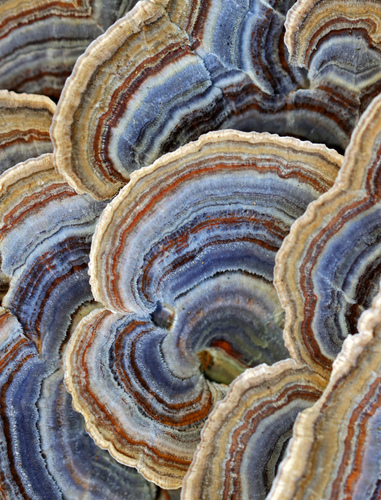
turkey-tail
Trametes versicolor
58 records nearby
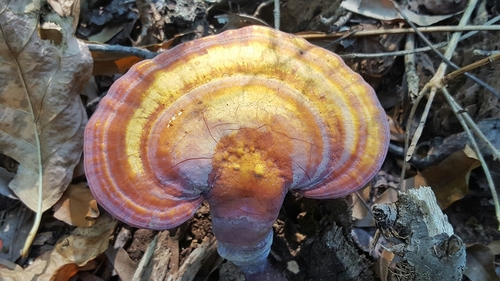
Your woods
What's growing around Richmond
The commonest trees recorded nearby, most often seen first. Most of the good mushrooms are tied to a particular tree, so this is the first thing to know about a wood.
- oak
- tulip tree
- maple
- sycamore
- beech
- pine
- walnut
- birch
Know these first
What can hurt you around Richmond in September
6 species on our hazard list have been recorded near here this month. Learn these before you learn anything you intend to eat.
- Hospital193 records nearby
Pokeweed
Phytolacca americana
- Mistaken for
- Its shoots are a traditional southern green, and the berries look like elderberries.
- How to tell
- Thick magenta stem and berries in a drooping raceme, each with a flattened top. Elderberries sit in a flat-topped cluster on green stems.
- What it does
- Roots, seeds and mature plant are toxic; the young shoots are eaten only after several changes of boiling water, and people are hospitalised every year for skipping that.
- Hospital64 records nearby
Poison ivy
Toxicodendron radicans
- Mistaken for
- Boxelder seedlings, Virginia creeper, and raspberry canes — it grows through everything worth picking.
- How to tell
- Three leaflets, the middle one on a longer stalk, and a hairy aerial rootlet on the climbing vine. Virginia creeper has five.
- What it does
- Urushiol causes a blistering rash for weeks. Burning it is far worse — the smoke carries it into the lungs.
- Hospital24 records nearby
Jack-in-the-pulpit
Next
What to start watching for
Coming into season in the next month or two near Richmond, Virginia. Seasons shift a week or two with the weather, so treat these as things to keep an eye on rather than dates.