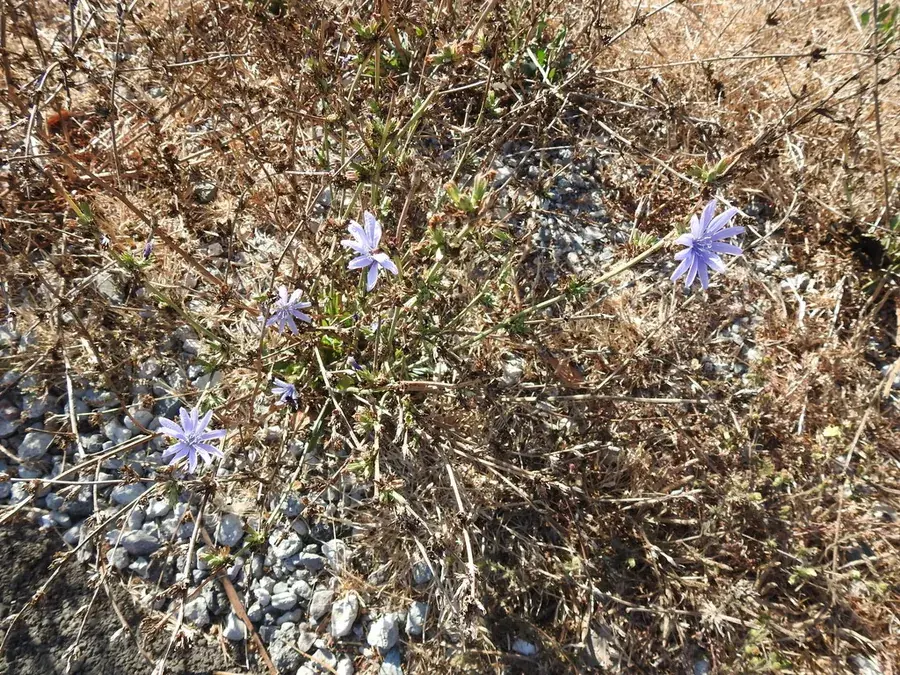
Photo by Hydrocycler (Elizabeth Dougherty) on iNaturalist · CC BY 4.0
RootIn season now (October)
Chicory
Cichorium intybus
- When
- Typically March – May, October – November — March, April, May, October, November. Earlier in the south, later in the north.
- Where it grows
- Road shoulders, gravel lots, railway edges, pastures and hard-packed waste ground in full sun, often where nothing else is growing.
- How to know it
- Sky-blue flowers 3–4 cm (1–1½ in) across with square-ended, fringed petals, opening in the morning and closing by early afternoon, scattered up a stiff, nearly leafless, zigzag stem to 1.5 m (5 ft). A dandelion-like basal rosette with a bitter milky sap and a deep taproot.
- Look-alikes
- Before it flowers the rosette passes for dandelion or wild lettuce; all three are bitter and none is dangerous, and chicory’s leaves are rough-hairy underneath with a reddish midrib. Once the blue flowers open on a branched stem there is nothing else like it.
- Harvest and use
- Roots dug in autumn or early spring, scrubbed, chopped, roasted dark and ground for the classic coffee stretcher; young spring rosette leaves as a bitter salad or cooked green. Dig only where you may, and take the biggest roots from the thickest stands.
- Caution
- Roadside chicory grows on exactly the soil that takes up road salt, exhaust metals and herbicide — dig roots well back from traffic. In the daisy family, so people allergic to ragweed or chamomile may react. Listed as a noxious weed in Colorado.
Chicory at a glance
- Also called
- Blue sailors, succory, coffeeweed, chicorée sauvage (Quebec). Belgian endive and radicchio are cultivated forms of the same species.
- Family
- Asteraceae, the daisy family (which also includes dandelion, lettuce, sunflower and ragweed).
- Where it grows
- A Eurasian perennial, introduced as a root crop and forage and now naturalised across southern Canada from the Maritimes to British Columbia and in nearly every state. It is thickest on the gravel shoulders of the Great Lakes and St. Lawrence country, the Northeast, the Midwest, the Front Range of Colorado, the Great Basin valleys and California’s Central Valley. It is sparse in the boreal forest, Alaska, the hot low deserts, the Gulf coast and the Florida peninsula, and not established in Hawaii. Colorado lists it as a noxious weed.
- When to pick
- Two seasons. Leaves: the rosette in March, April and early May before the flower stalk rises, when they are merely bitter rather than punishing, and again from new growth in October (in Texas and the South it is a cool-weather green of winter and early spring). Roots: October and November after the tops have died back and the root has stored its starch, or March and April before the stalk rises; a first-year rosette with no old stalk beside it gives the fattest, least woody root. The blue flowers run from late June to October and can be picked any morning they are open.
- Parts used
- The taproot, scrubbed, chopped, roasted slowly until dark brown and brittle, then ground and brewed alone or blended with coffee; young rosette leaves, raw in small amounts or boiled in a change of water; the flowers, raw or pickled; and the blanched inner leaves if a root is dug and forced in the dark, which is how Belgian endive is made. Stalk leaves and old rosette leaves are too bitter and tough to bother with.
- Is any of it poisonous?
- Nothing poisonous in the plant itself, and chicory root has been drunk for centuries. It belongs to the daisy family, so people allergic to ragweed, chamomile or lettuce can react to it, and the milky sap can irritate sensitive skin. Its real hazard is where it grows: roadside roots sit in soil that collects road salt, exhaust metals and herbicide.
- More look-alikes to know
- Dandelion rosettes have hairless, deeply toothed leaves with a single hollow flower stalk and no branching; chicory’s rosette leaves are rough-hairy on the underside, often with a reddish midrib, and its flower stem is stiff, branched and leafy. Wild lettuce (Lactuca) can carry pale blue flowers but they are small, under 1.5 cm (½ in), in an open panicle; its leaves often have a prickly midrib. Sow thistle and cat’s ear are yellow-flowered. None of these is dangerous — all are bitter daisy-family greens — but only chicory has the big sky-blue morning flowers and the coffee root.
Questions people ask about chicory
Is wild chicory edible?
Yes, once identified with certainty — it is the same species as Belgian endive and radicchio. The roasted root is the famous coffee stretcher of New Orleans, and the young rosette leaves are a bitter spring green. The only cautions are a daisy-family allergy and the roadside soil it loves, so dig well away from traffic.
How do you identify chicory?
In flower it is unmistakable: sky-blue flowers 3–4 cm (1–1½ in) across with square-ended, finely toothed petals, scattered along a stiff, branched, nearly leafless stem up to 1.5 m (5 ft), opening in the morning and closed by early afternoon. Before flowering it is a dandelion-like rosette with a deep taproot, bitter milky sap, and leaves that are rough-hairy underneath.
When do you dig chicory root?
In autumn after the tops die back — October and November in southern Ontario, Quebec and the Great Lakes states — or in early spring before the flower stalk starts up. Choose first-year rosettes with no dead stalk beside them; the roots of old flowering plants are woody. Dig deep: the taproot snaps easily and the top third is the best part.
How do you make chicory coffee?
Scrub the roots, slice them thin, and roast them in a moderate oven, 175–200 °C (350–400 °F), until they are dark brown all the way through and snap cleanly — usually an hour or more, stirring now and then. Grind and brew like coffee, about a tablespoon per cup, alone or mixed half and half with ground coffee. It is caffeine-free with a roasted, slightly sweet bitterness.
What looks like chicory?
Before it flowers, dandelion and wild lettuce rosettes: dandelion leaves are hairless with one hollow flower stalk, and wild lettuce has small pale flowers and often a prickly midrib. Both are bitter and harmless. Once the big blue flowers open on a branched stiff stem, nothing else in a Canadian or American ditch looks like chicory.
Why do chicory flowers close in the afternoon?
Each flower lasts a single day and opens with the morning light, closing by midday or early afternoon in hot sun — which is why a roadside that was blue on the way to work is bare green on the way home. On cool, cloudy days they stay open longer. If you want to photograph or pick the flowers, go before noon.
Is chicory safe for kids to pick?
The plant is safe once identified, but its favourite spots are not: chicory grows on road shoulders, gravel lots and railway edges. Let children pick the morning flowers from a field or an unsprayed yard, and leave the digging of roots to an adult who can get well back from traffic and wash the soil off properly.
Found in these regions
- Acadian Forest & Atlantic Coast
- Great Lakes & St. Lawrence Lowlands
- Northeast Atlantic Coast & Piedmont
- Appalachian Highlands
- Central Hardwoods & Interior Plateaus
- Prairies & Great Plains
- Western Mountains & Interior Plateaus
- Pacific Maritime
- Mediterranean California
Hardiness zones 3–9.
Is it ready near you?
Get this week's foraging guide for your area
Enter a town, postal code or ZIP and we'll tell you what's in season right there this week — from your local climate, this week's weather and your ecological region.
Also ready in October
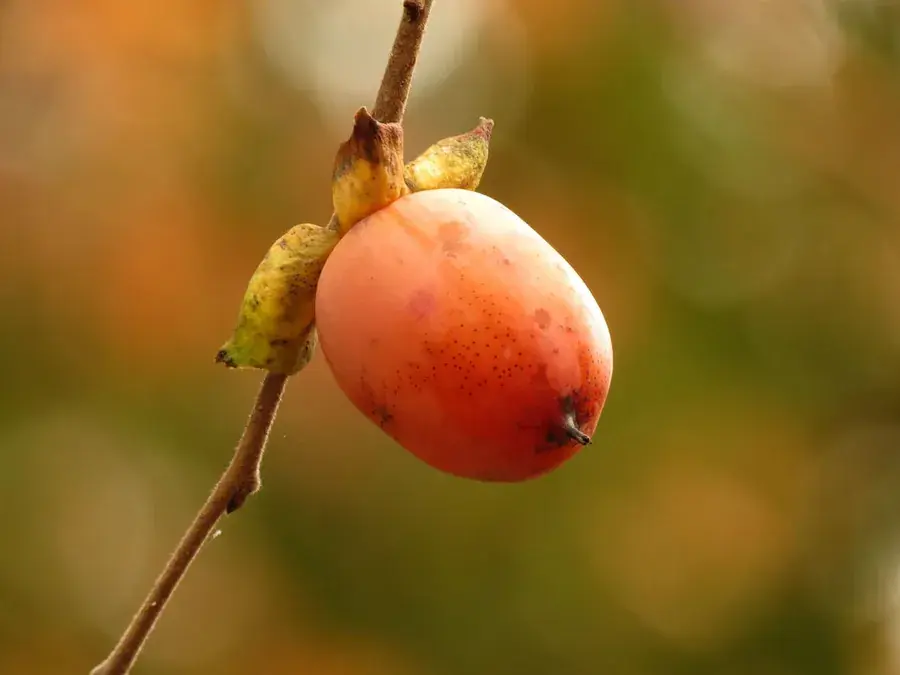 FruitOctober – November
American persimmon
Diospyros virginiana
Blocky alligator-hide bark; orange fruit the size of a plum, only ripe when it is wrinkled, squishy and usually on the ground.
How to know it & its look-alikes →Photo: Katja Schulz · CC BY 4.0
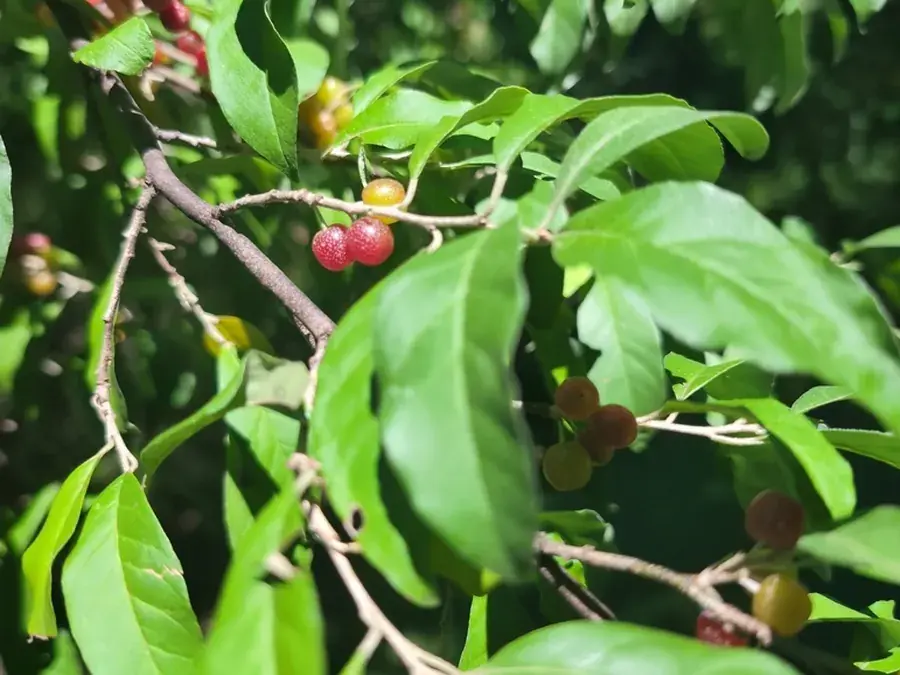 BerrySeptember – October
Autumn olive
Elaeagnus umbellata
A sprawling thorny shrub whose leaves flash silver underneath; in autumn it is weighed down with small red berries finely speckled with silver and brown scales, each with one soft seed.
How to know it & its look-alikes → NutSeptember – October
Beechnuts
Fagus grandifolia
Smooth, pale grey bark on a tall tree; long, sharp, cigar-shaped buds; oval leaves with coarse teeth and straight parallel veins, many held, bleached, through winter. The nuts are small, three-sided and come two to a soft-bristled husk that splits into four.
How to know it & its look-alikes →
Checked against these sources ·
- Minnesota Wildflowers: Chicory
- Illinois Wildflowers: Common chicory
- Wisconsin Horticulture (UW–Madison Extension): Chicory, Cichorium intybus
- Utah State University Extension Range Plants: Chicory
- Hawaii-Pacific Weed Risk Assessment (Plant Pono): Cichorium intybus
- VASCAN: Cichorium intybus
Seasons are typical for the middle of the range and move by weeks north and south, and up and down hills.
Educational information only. Never eat a wild plant or mushroom identified from a single photograph or description — confirm with a regional field guide or an experienced forager, and know the poisonous species in your area first.