Regional guide · hardiness Zone 11
Tropical: frost is a rumour, and the seasons are wet and dry.
Zone 11 is the southern tip of Florida — Miami, Fort Lauderdale, the Everglades fringe and the Keys — and the lowlands of Hawaiʻi and the far south of Texas's coast. It has never frozen in living memory in most of it. The year is not warm and cold but wet and dry: a long humid summer of afternoon storms, and a dry, breezy winter that is the gardening season. Hurricane season (June to November) is the weather that actually matters.
Winter low
4 to 10°C
40 to 50°F
Frost-free days
365
Typical frost window
None. Record lows sit a few degrees above freezing.
Regions in Zone 11
Open any region for this week's live local guide — forecast, soil, moon, waters and an AI field note.
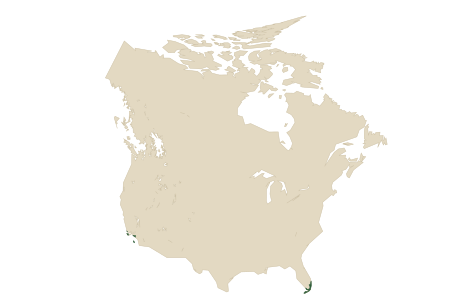
Where it falls
Zone 11 across the continent
A hardiness zone is a band of winter cold, not a place — it runs across the map wherever the average annual low lands between 4 to 10°C. That is why Zone 11 takes in Miami, FL, Fort Lauderdale, FL and a great deal of country in between.
Drawn from the USDA 2023 and Natural Resources Canada zone maps. Open the interactive version to click your own spot.
Gardening in Zone 11
The northern calendar is turned upside down: vegetables go in from October to February, and summer is for tropical fruit, heat-loving perennials and soil-building. Rock and sand soils need endless organic matter, nematodes are a constant, and nearly all temperate fruit fails for want of winter chill.
Vegetables that thrive
- Tomatoes, peppers and eggplant planted October–January
- Lettuce, arugula, kale, broccoli, carrots and beets November–February
- Beans, cucumbers and squash in fall and late winter
- Okra, sweet potatoes, southern peas, Seminole pumpkin and yard-long beans through the summer
- Cassava, taro, malanga, boniato and chaya
- Tropical greens: Malabar, Okinawa and longevity spinach, katuk
- Herbs: basil, lemongrass, culantro and Cuban oregano year-round; cilantro and dill in winter
- Pineapple, ginger and turmeric in beds and containers
Fruit
- Mango, avocado and lychee
- Banana, papaya and plantain
- Citrus, where greening disease allows
- Jackfruit, sapodilla, mamey and sugar apple
- Guava, passionfruit, dragon fruit and starfruit
- Coconut and breadfruit (the Keys and Hawaiʻi)
- Carambola, longan and jaboticaba
- Surinam cherry and Barbados cherry (acerola)
Reliable perennials & shrubs
- Plumeria, hibiscus and bougainvillea
- Heliconia, ginger and bird of paradise
- Palms, cycads and bromeliads
- Orchids grown outdoors on trees
- Crotons, ixora and firebush for the butterflies
- Native wild coffee, cocoplum and sea grape as hedges
Zone tips
- Your main planting date is October; by May the vegetable garden is mostly done.
- Build soil constantly — compost, mulch and summer cover crops — because sand and limestone hold almost nothing.
- Plant nematode-resistant varieties and solarize beds under clear plastic in the summer heat.
- Stake and prune fruit trees for wind, keep them small enough to cover or harvest before a storm, and plan for hurricane season from June.
- Water deeply in the dry winter; most of the year's rain falls June to October.
Fishing in Zone 11
Some of the best inshore fishing anywhere: snook, tarpon, redfish and sea trout in the bays and mangroves; bonefish and permit on the flats of Biscayne Bay and the Keys; sailfish, mahi, kingfish and grouper a few kilometres offshore. The canals and lakes hold largemouth bass and introduced peacock bass that fish all year.
Signature species
- Snook, tarpon and redfish (bays and mangrove shorelines)
- Bonefish, permit and barracuda (the flats)
- Spotted sea trout and snapper (grass flats and bridges)
- Peacock bass and largemouth bass (canals and lakes)
- Mahi, sailfish, kingfish and wahoo offshore
- Grouper and snapper on the reefs (seasons and limits are strict)
- Mangrove snapper and sheepshead from docks and bridges
- In Hawaiʻi: papio and ulua (jacks), oʻio (bonefish) and shore-cast moi
Seasons, limits and licences vary by province and state; every local guide links to the right regulator.
Foraging in Zone 11
Fruit drops from suburban trees most of the year, and the coast gives sea grapes, cocoplum and coconuts. The wild is mostly protected — the Everglades, the state parks and the national wildlife refuges prohibit harvesting — so ask, pick from what is offered, and learn the manchineel tree before you touch any beach fruit.
What to look for
- Sea grapes (August–October) and cocoplum on the coast
- Coconuts from the ground on public beaches, where allowed
- Feral mango, avocado, starfruit, loquat and citrus, with the owner's permission
- Surinam cherry and Barbados cherry hedges
- Saw palmetto berries in late summer (a traditional medicine crop; the plant is protected on public land)
- Chanterelles, oyster mushrooms and ringless honey mushrooms after the summer rains
- Purslane, Spanish needle (bidens) greens and pepper grass in vacant lots
- Hawaiʻi: guava, strawberry guava, passionfruit (liliko'i) and mountain apple on trails where picking is allowed
Never eat anything you cannot identify with certainty. Confirm with a regional field guide or local expert.
Growing wild in Zone 11
What you can pick at this latitude
Wild edibles whose range covers Zone 11. Timing shifts by weeks across the band — set a location and the foraging guide narrows it to your own month.
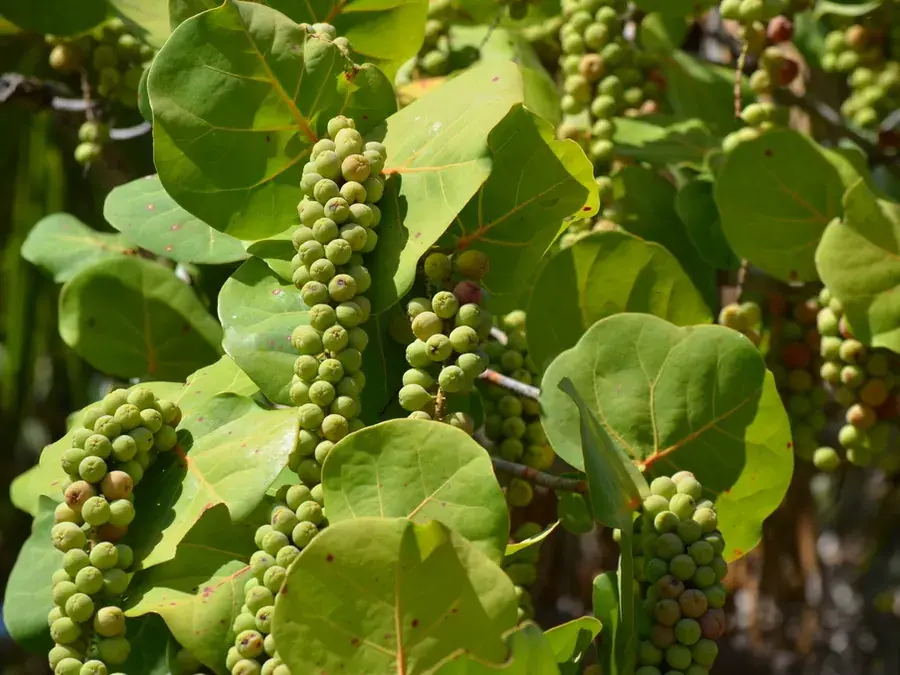 Has a dangerous look-alikeFruitAugust – October
Sea grape
Coccoloba uvifera
Big round leathery leaves with red veins; grape-like clusters that ripen unevenly to purple.
How to know it & its look-alikes →Photo: Josiah Londerée · CC BY 4.0
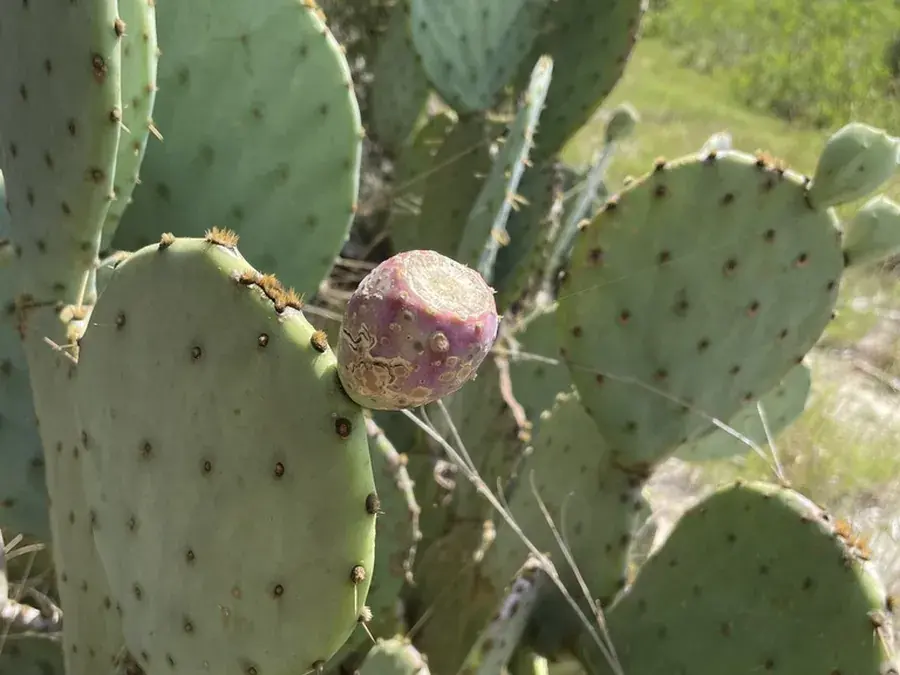 FruitJune – September
Prickly pear (tunas & nopales)
Opuntia spp.
Flat paddle cactus; the fruit (tuna) sits on the paddle rim and ripens deep magenta. Both fruit and young pads are used. Which prickly pear depends on where you are: Engelmann's in the desert Southwest (zones 8–11), the low plains and brittle prickly pears of the prairies and BC (hardy to zone 3), and the eastern prickly pear of sandy ground in the east (zones 5–9).
How to know it & its look-alikes →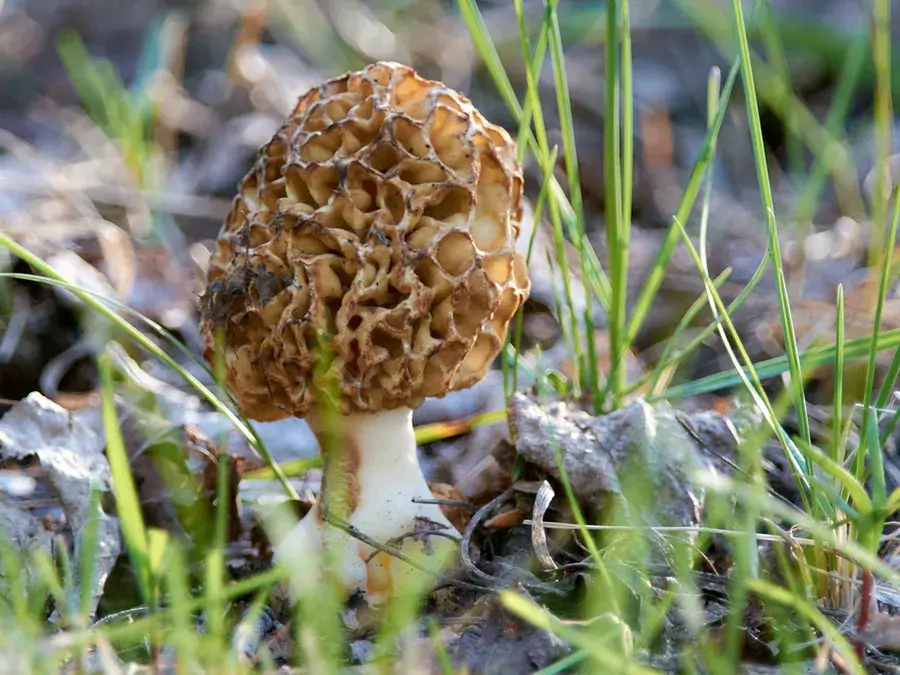 Has a dangerous look-alikeMushroomApril – June
Morels
Morchella americana
Honeycomb pitted cap fused to the stem, and completely hollow from cap tip to stem base when sliced lengthwise.
How to know it & its look-alikes →Photo: Сергей Неклюдов · CC BY 4.0
 GreenApril – June, September
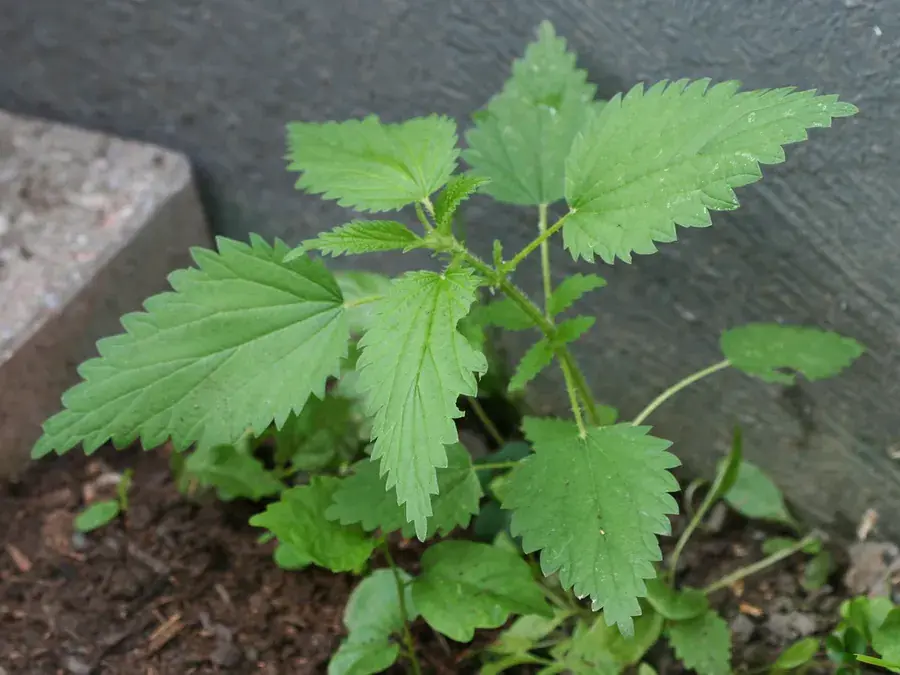
Stinging nettle
Urtica dioica
Opposite, deeply toothed, heart-based leaves on a square stem, covered in stinging hairs. The sting is the identification.
How to know it & its look-alikes →Photo: Randy A Nonenmacher · CC BY 4.0
 GreenMarch – May, September – October
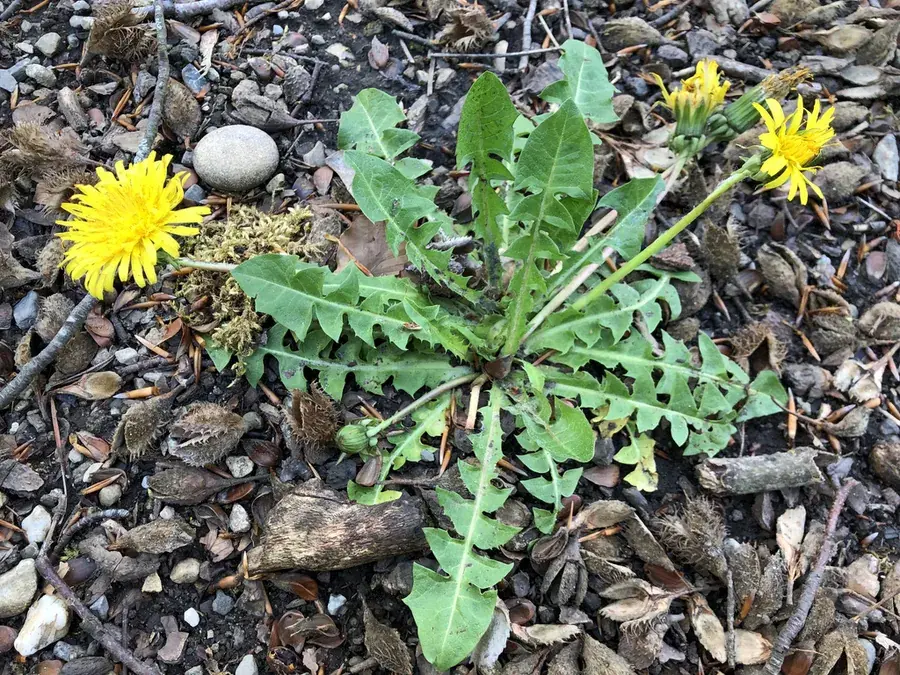
Dandelion
Taraxacum officinale
A basal rosette of jagged, backward-pointing lobes, a hollow leafless stalk with milky sap, and one flower per stalk.
How to know it & its look-alikes →Photo: Jason Grant · CC BY 4.0
 GreenApril – June
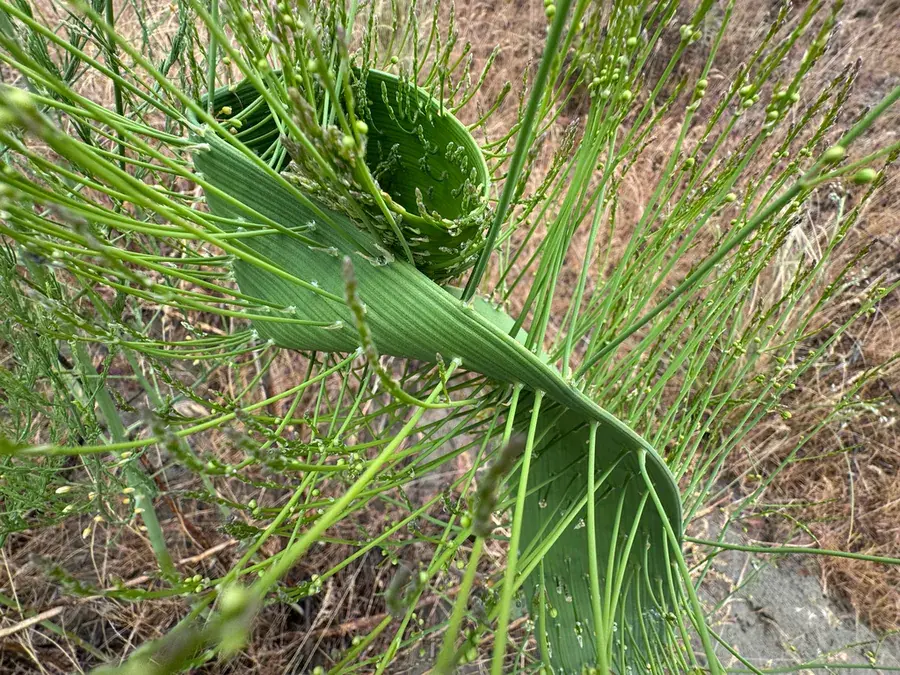
Wild asparagus
Asparagus officinalis
In spring, familiar spears. Find the patch in fall instead: tall feathery ferns with red berries mark exactly where to return.
How to know it & its look-alikes →Photo: Cody Hinchliff · CC BY 4.0
The Zone 11 year
January–February
Peak vegetable harvest and the driest weeks; lychee and mango flower; sailfish season; bonefish on the warm afternoons.
March–April
Last cool-season harvests; plant heat crops and sweet potatoes; tarpon arrive in the bays; mangoes set fruit.
May–June
Mango, lychee and avocado harvest begins; rains and hurricane season start; tarpon peak in the Keys; snook season closes.
July–August
Heat and daily storms: cover crops, okra and tropical greens; sea grapes ripen; summer mushrooms after rain; offshore for mahi at dawn.
September–October
Start the vegetable garden as the rains ease; snook and redfish feed up; the peak of hurricane season.
November–December
The garden in full swing; dry breezy days; grouper and snapper inshore; the best bass fishing of the year in the canals.
Get the weekly note for your Zone 11 garden
What to plant, what's biting and what's ripening — one email a week, tuned to your area.