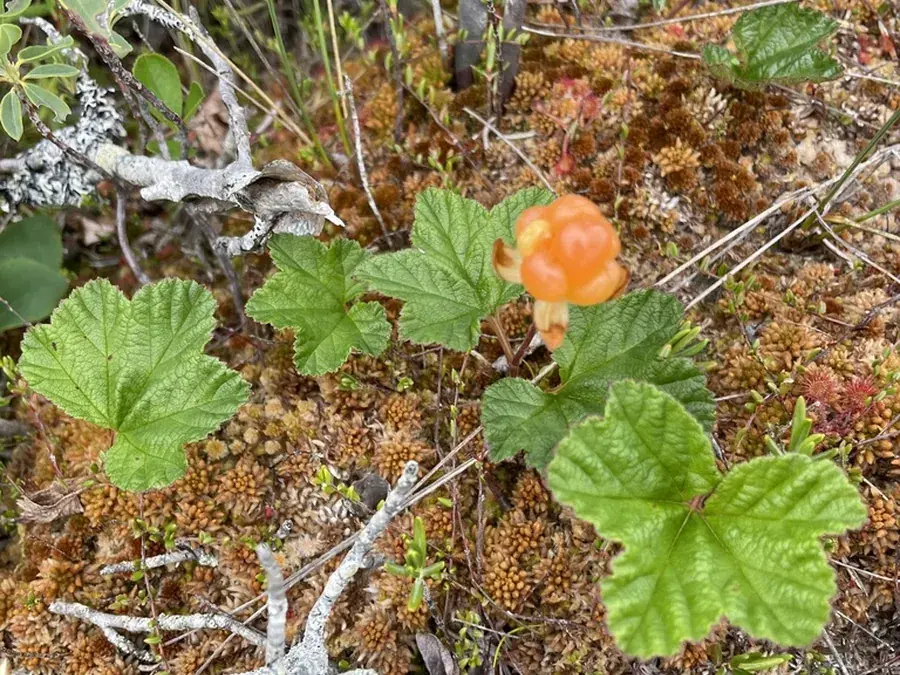
Photo by Liz Crafford on iNaturalist · CC BY 4.0
BerrySeason: July – September
Cloudberry (bakeapple)
Rubus chamaemorus
- When
- Typically July – September — July, August, September. Earlier in the south, later in the north.
- Where it grows
- Open sphagnum bogs, muskeg and wet tundra, where the plants carpet the moss between stunted black spruce and tamarack.
- How to know it
- A single stalk 10–25 cm (4–10 in) tall with two or three rounded leaves of five to seven shallow lobes, one white five-petalled flower, and one berry — no thorns, no canes. The berry starts hard and red and ripens to soft, translucent amber, which is the only stage to pick.
- Look-alikes
- Nagoonberry (arctic dwarf raspberry, Rubus arcticus) grows in the same bogs with a pink flower and a red berry; it is edible and better-tasting, so the mix-up costs nothing. A red cloudberry is simply unripe. In western Alaska this plant is called salmonberry, a name that elsewhere belongs to a tall thorny shrub (R. spectabilis) — ask which one is meant.
- Harvest and use
- Eaten fresh, or as the bakeapple jam, sauce and cheesecake topping of Newfoundland and Labrador; a few hours of picking fills a small bucket. Take only soft amber berries, step on the moss lightly, and leave the green and red ones for the next picker and the birds.
- Caution
- Cloudberry patches are family picking grounds in Newfoundland and Labrador, Nunavik and Nunatsiavut; do not strip a bog near a community. Listed as threatened at the southern edge of its range (Minnesota), where it should be left alone.
Cloudberry (bakeapple) at a glance
- Also called
- Bakeapple (Newfoundland and Labrador), aqpik (Inuktitut and Iñupiaq; appik, arpik in other dialects), atsalugpiaq and other names in Yup’ik, chicouté and plaquebière (Quebec), salmonberry (western Alaska only — elsewhere that name means Rubus spectabilis), baked-apple berry, knotberry, multebær.
- Family
- Rosaceae, the rose family — it is a Rubus, a true relative of raspberries, though it makes no canes.
- Where it grows
- Native around the whole circumpolar north. In North America: Alaska, Yukon, the Northwest Territories and Nunavut, across the boreal provinces to Quebec, Labrador, Newfoundland and the Maritimes, and south in bogs to northern Maine, New Hampshire, the Adirondacks and, barely, northeastern Minnesota, where it is listed as threatened. Along the Pacific it follows coastal muskeg down the Alaska panhandle into British Columbia.
- When to pick
- Late July to early September, a two- or three-week window in any one bog. In Labrador and northern Quebec the berries ripen in late July and August; across the island of Newfoundland mid-August to September; in Alaska when the salmon are running. Ripeness is colour and feel: hard red is unripe, and a ripe berry is soft, translucent amber-gold and slides off its stalk. Male and female flowers are on separate plants, so some patches flower every year and never fruit.
- Parts used
- Only the berry, which is eaten whole with its large soft seeds. Fresh with cream or in Newfoundland bakeapple jam and sauce, in cheesecake, folded into akutaq in Alaska, or simply frozen; the berries are high in benzoic acid and keep remarkably well. The leaves and roots are not food.
- More look-alikes to know
- Bunchberry (Cornus canadensis) shares the bog edge with a bunch of red berries above a whorl of leaves; edible, bland. Cranberries trail through the same moss with small red berries on thread-like vines; edible. Baneberry (Actaea) is poisonous but grows in rich woods, not open bog, as a bushy herb with compound leaves and stalked clusters of glossy red or white berries. None of them is amber.
Questions people ask about cloudberry
When is bakeapple season in Newfoundland and Labrador?
Mid-August through September on the island, and from late July in Labrador and the Great Northern Peninsula. Forteau in Labrador holds its Bakeapple Folk Festival in the second week of August, which is about peak. The berry is ripe when it has turned from red to soft amber and lets go of the stalk with a touch.
How do you identify cloudberry?
By a single short stalk from the moss carrying two or three rounded, shallowly lobed leaves, one white flower in June and later one berry; there are no thorns, no canes and no clusters. The berry looks like a fat raspberry that ripens the wrong way, from red to amber. It grows only in sphagnum bog, muskeg and wet tundra.
Why are red cloudberries hard and sour?
Because they are not ripe. Cloudberries begin red and firm and ripen to soft, translucent amber, the opposite of most berries, so beginners pick them too early. Leave red berries on the plant; they will be ready within a week or two. Ripe ones are so soft they should go into a hard-sided container, not a bag.
Is a cloudberry the same as a salmonberry?
Only in western and northern Alaska, where ‘salmonberry’ is the everyday name for cloudberry because it ripens as the salmon run. Everywhere else, including coastal BC, Washington and southern Alaska, salmonberry means Rubus spectabilis, a tall thorny shrub with magenta flowers and orange-to-red raspberry-like fruit in June. Both are edible; just ask which plant someone means.
Can you pick bakeapples anywhere?
Not in national or provincial parks and reserves, and not politely on a bog that a community or family has picked for generations — ask locally. Elsewhere on Crown land in Newfoundland and Labrador, Quebec and the territories, picking for your own table is allowed. Walk on the firm hummocks, pick only ripe berries, and leave plenty.
Are cloudberries safe for children?
Yes — once identified, nothing about the plant is harmful and the soft, seedy berries are easy to eat. Bogs themselves are the hazard: wet holes, deep moss and in the north, bears picking the same patch. Keep small children on the hummocks and make noise.
Found in these regions
- Boreal North & Taiga
- Boreal Forest & Shield
- Acadian Forest & Atlantic Coast
- Western Mountains & Interior Plateaus
- Pacific Maritime
Hardiness zones 1–5.
Is it ready near you?
Get this week's foraging guide for your area
Enter a town, postal code or ZIP and we'll tell you what's in season right there this week — from your local climate, this week's weather and your ecological region.
Also ready in October
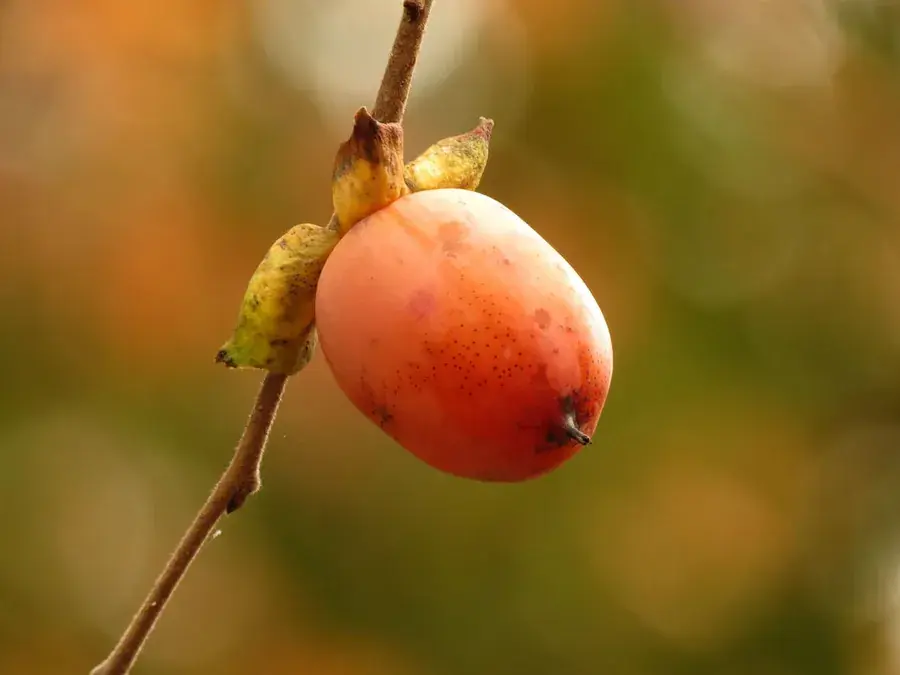 FruitOctober – November
American persimmon
Diospyros virginiana
Blocky alligator-hide bark; orange fruit the size of a plum, only ripe when it is wrinkled, squishy and usually on the ground.
How to know it & its look-alikes →Photo: Katja Schulz · CC BY 4.0
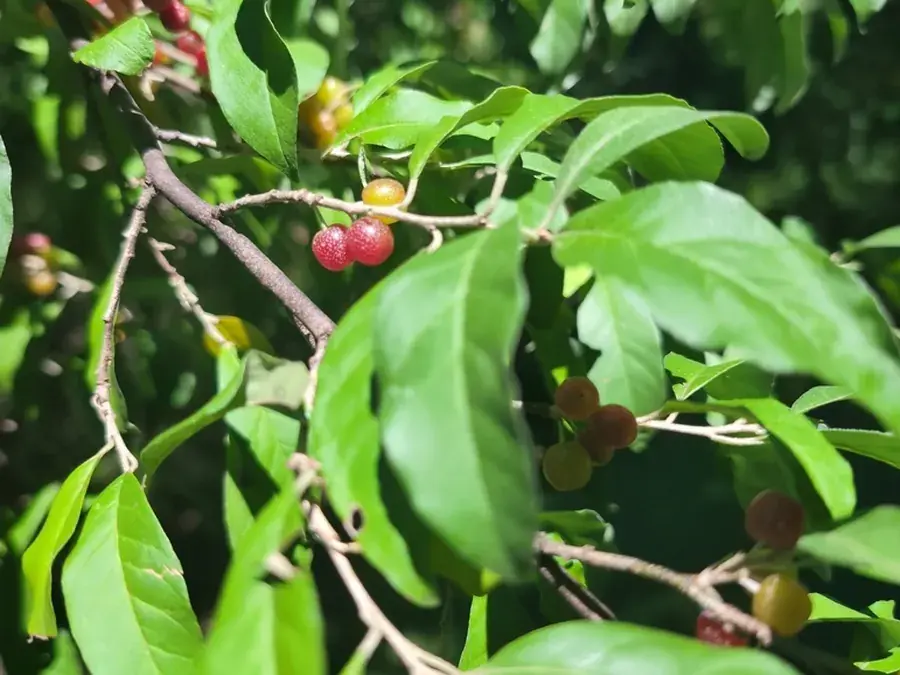 BerrySeptember – October
Autumn olive
Elaeagnus umbellata
A sprawling thorny shrub whose leaves flash silver underneath; in autumn it is weighed down with small red berries finely speckled with silver and brown scales, each with one soft seed.
How to know it & its look-alikes →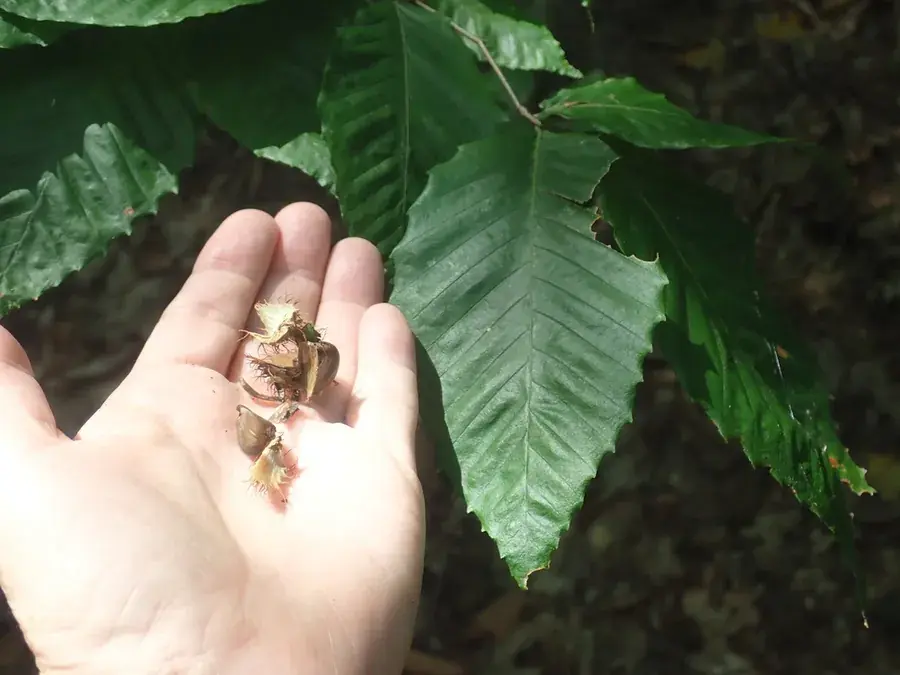 NutSeptember – October
Beechnuts
Fagus grandifolia
Smooth, pale grey bark on a tall tree; long, sharp, cigar-shaped buds; oval leaves with coarse teeth and straight parallel veins, many held, bleached, through winter. The nuts are small, three-sided and come two to a soft-bristled husk that splits into four.
How to know it & its look-alikes →
Checked against these sources ·
- Minnesota Wildflowers — Cloudberry (Rubus chamaemorus)
- USDA Forest Service Fire Effects Information System — Rubus chamaemorus
- Newfoundland and Labrador Tourism — All about berries
- SIKU (Inuit Knowledge Wiki) — Aqpik / Cloudberry
- Edible Alaska — Cloudberry sea
Seasons are typical for the middle of the range and move by weeks north and south, and up and down hills.
Educational information only. Never eat a wild plant or mushroom identified from a single photograph or description — confirm with a regional field guide or an experienced forager, and know the poisonous species in your area first.