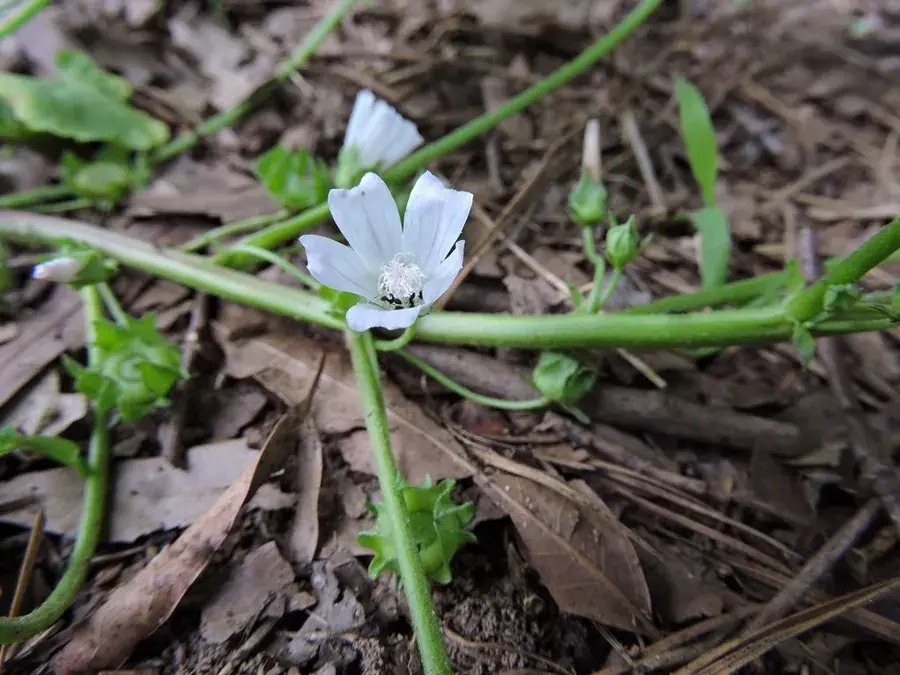
Photo by cwwood on iNaturalist · CC BY-SA 4.0
GreenIn season now (October)
Common mallow (cheeseweed)
Malva neglecta
- When
- Typically May – October — May, June, July, August, September, October. Earlier in the south, later in the north.
- Where it grows
- Gardens, barnyards, gravel lots, the base of walls and the edges of lawns, sprawling flat over bare, often dry, nitrogen-rich ground.
- How to know it
- Round, softly hairy, scalloped leaves with five to seven shallow lobes and a deep notch where the long stalk joins, on sprawling round stems from a tough taproot; small white-to-pale-pink five-petalled flowers with notched petals; and a flat fruit like a tiny wheel of cheese, split into a ring of wedge-shaped segments.
- Look-alikes
- Ground ivy has similar round scalloped leaves but square stems, opposite leaves and a mint smell. Creeping buttercup has glossy, deeply cut, three-part leaves and an acrid sap that blisters the mouth raw. Young garden geranium (Geranium) seedlings have more deeply cut leaves and a long beaked fruit, never a cheese wheel.
- Harvest and use
- Young leaves raw or cooked — mild and mucilaginous, good for thickening soup; the green 'cheeses' nibbled raw or pickled; the mature seeds cooked like a grain. Cut leaves and cheeses and leave the taproot.
- Caution
- Mallow concentrates nitrates from rich soil, which has poisoned livestock; for people that means picking from lean ground rather than the manure pile or a heavily fertilised bed. Avoid sprayed and road-salted spots.
Common mallow (cheeseweed) at a glance
- Also called
- Cheeseweed, cheeses, buttonweed, dwarf mallow, roundleaf mallow, mauve négligée (Quebec). Little mallow (Malva parviflora) of California and the Southwest, and round-leaved mallow (M. pusilla) of the Prairies, are used the same way.
- Family
- Malvaceae, the mallow family (which also includes hollyhock, okra, hibiscus, cotton and the marsh mallow whose root gave the sweet its name).
- Where it grows
- A Eurasian annual or biennial that followed farming across the continent: introduced in every province from Newfoundland to British Columbia and the Northwest Territories and in nearly every state. It is most abundant in the drier, sunnier half — the Front Range of Colorado, the Great Basin, Utah, New Mexico, Nevada, the Prairies, the Pacific Northwest and California — and common in gardens and barnyards of southern Ontario, Quebec, New York, Pennsylvania and the Midwest. It is scarce in the humid Southeast, the Gulf coast and Florida, where little mallow and other species take over, and only occasional in the Maritimes and the boreal forest.
- When to pick
- Leaves from May to October, best when young and before the summer heat toughens them — in mild climates it grows through the winter and spring leaves are picked in March. The ‘cheeses’, the green wheel-shaped fruits, come from July to September, and should be picked while still green, plump and tender, before the segments dry and separate. Mature seed for cooking is gathered when the wheels have dried brown in late summer and fall.
- Parts used
- Young leaves, raw in salads or cooked as a mild green and soup thickener (they are mucilaginous, like okra, and give body to a broth); the green cheeses, eaten raw as a trail nibble, pickled like capers or added to stews; the flowers as a garnish; the mature seeds, cooked like a grain. The tough taproot and old stems are not eaten. Older leaves get stringy and hairy.
- Is any of it poisonous?
- Common mallow is not poisonous to people. It does pull nitrates out of rich soil and store them in its leaves, and mallow can accumulate nitrates on rich soil, and animals that graze little else but mallow for days develop a separate ‘staggers’ — which, for a forager, means picking young leaves in modest amounts from lean ground rather than the compost pile, the manure heap or a heavily fertilised bed, where any leafy green concentrates nitrate. Its one dangerous look-alike, creeping buttercup, is covered under look-alikes.
- More look-alikes to know
- Creeping buttercup (Ranunculus repens) sprawls in the same damp lawn edges with leaves of a similar size, but its leaves are glossy, deeply cut into three toothed lobes and often pale-blotched, and its flowers are shiny yellow; fresh buttercup sap contains protoanemonin, which blisters the mouth and skin and inflames the gut, so it is never eaten raw. Ground ivy has round scalloped leaves of the same shape, but on square creeping stems with opposite leaves and a mint smell. Seedlings of garden geraniums and wild cranesbills (Geranium) have more deeply divided leaves and go on to make a long beaked fruit, never a cheese wheel. Marsh mallow (Althaea officinalis) is a tall velvety-leaved plant of salt marshes with bigger pink flowers; also edible. The notch where the leaf stalk meets the round leaf, the round stem and the wheel of segments settle common mallow.
Questions people ask about common mallow
Is common mallow edible?
Yes, once identified with certainty — leaves, flowers, the green ‘cheese’ fruits and the mature seeds have all been eaten for centuries, and nothing in the plant is poisonous. The leaves are mild and a little slimy, like okra, which makes them a good soup thickener. Pick from lean ground rather than the manure pile, because mallow stores nitrates from rich soil.
How do you identify common mallow?
A low sprawling plant from a tough taproot with round stems; round to kidney-shaped leaves 2–8 cm (1–3 in) across with five to seven shallow lobes, scalloped edges, soft hairs and a deep notch where the long stalk joins; small white to pale pink flowers with five notched petals and darker veins; and a flat, round fruit like a tiny wheel of cheese, split into a ring of a dozen or more wedge-shaped segments. The cheese wheel is the clincher.
What looks like common mallow and is poisonous?
Creeping buttercup, which sprawls in the same damp lawn corners. Its leaves are glossy and deeply cut into three toothed lobes, often with pale blotches, and its flowers are shiny yellow. Fresh buttercup sap blisters the mouth and skin and irritates the stomach; it is never eaten raw. Mallow leaves are round, softly hairy and merely scalloped, and its flowers are white or pale pink.
Can you eat the ‘cheeses’ on mallow?
Yes — the green, wheel-shaped fruits are the part children have nibbled for generations, with a mild nutty, slightly slimy bite. Pick them while they are still green and plump, from July to September, and eat them raw, pickle them like capers, or drop them into a stew. Once they dry brown the segments separate into seeds, which can be cooked like a grain.
When do you pick mallow leaves?
From May to October, best in late spring before the leaves get large, hairy and stringy; in mild climates the plant grows through winter and March leaves are the tenderest of all. Take the young leaves and the growing tips, leave the taproot, and the plant keeps producing all season.
Is common mallow safe for kids?
Yes — it is the classic children’s forage, the plant that gives ‘cheeses’ their name, and nothing in it is poisonous. Teach the notch at the leaf stalk, the round stem and the cheese wheel, and make sure they know the glossy, deeply cut leaf and yellow flower of buttercup, which grows beside it and should never go in the mouth. Pick away from sprayed lawns, dog walks and the manure pile.
Found in these regions
- Great Lakes & St. Lawrence Lowlands
- Northeast Atlantic Coast & Piedmont
- Appalachian Highlands
- Central Hardwoods & Interior Plateaus
- Prairies & Great Plains
- Western Mountains & Interior Plateaus
- Pacific Maritime
- Mediterranean California
- Deserts & Dry Basins
Hardiness zones 3–9.
Is it ready near you?
Get this week's foraging guide for your area
Enter a town, postal code or ZIP and we'll tell you what's in season right there this week — from your local climate, this week's weather and your ecological region.
Also ready in October
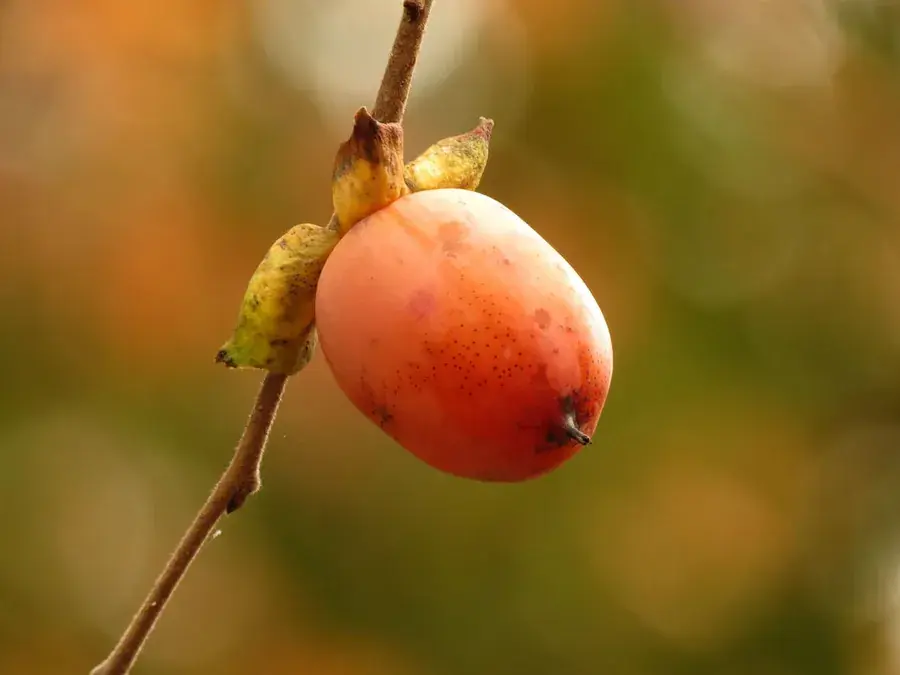 FruitOctober – November
American persimmon
Diospyros virginiana
Blocky alligator-hide bark; orange fruit the size of a plum, only ripe when it is wrinkled, squishy and usually on the ground.
How to know it & its look-alikes →Photo: Katja Schulz · CC BY 4.0
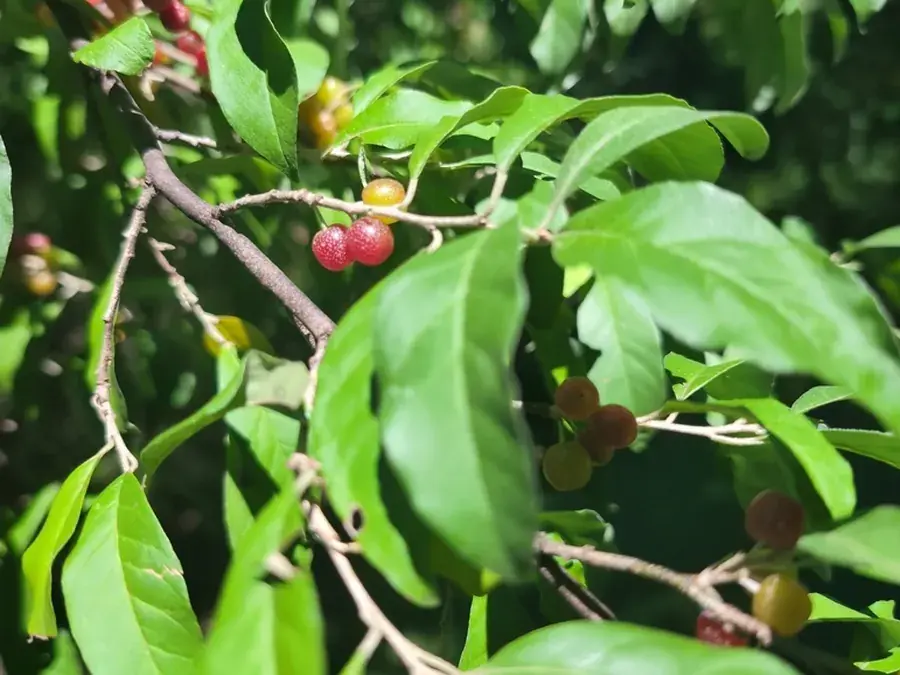 BerrySeptember – October
Autumn olive
Elaeagnus umbellata
A sprawling thorny shrub whose leaves flash silver underneath; in autumn it is weighed down with small red berries finely speckled with silver and brown scales, each with one soft seed.
How to know it & its look-alikes →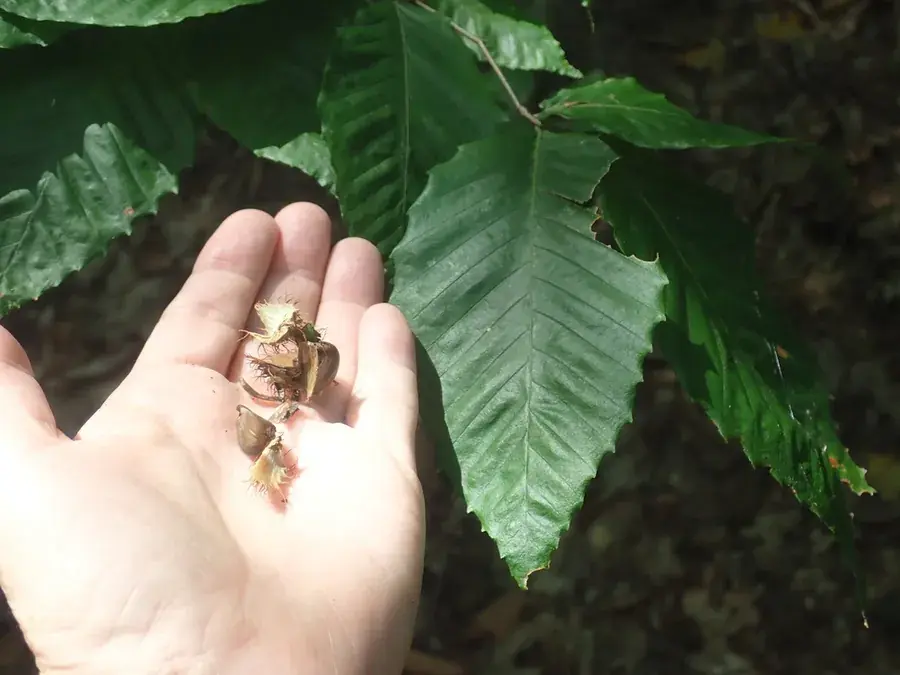 NutSeptember – October
Beechnuts
Fagus grandifolia
Smooth, pale grey bark on a tall tree; long, sharp, cigar-shaped buds; oval leaves with coarse teeth and straight parallel veins, many held, bleached, through winter. The nuts are small, three-sided and come two to a soft-bristled husk that splits into four.
How to know it & its look-alikes →
Checked against these sources ·
- Minnesota Wildflowers: Common mallow
- NC State Extension: Malva neglecta
- University of Nevada, Reno Extension: Common mallow identification and management
- UC IPM: Little mallow / cheeseweed (nitrate accumulation)
- Massey University Poisonous Plants: Dwarf mallow (Malva neglecta)
- Cornell University Poisonous Plants: Ranunculin and protoanemonin (buttercups)
- VASCAN: Malva neglecta
Seasons are typical for the middle of the range and move by weeks north and south, and up and down hills.
Educational information only. Never eat a wild plant or mushroom identified from a single photograph or description — confirm with a regional field guide or an experienced forager, and know the poisonous species in your area first.