GreenSeason: May – August
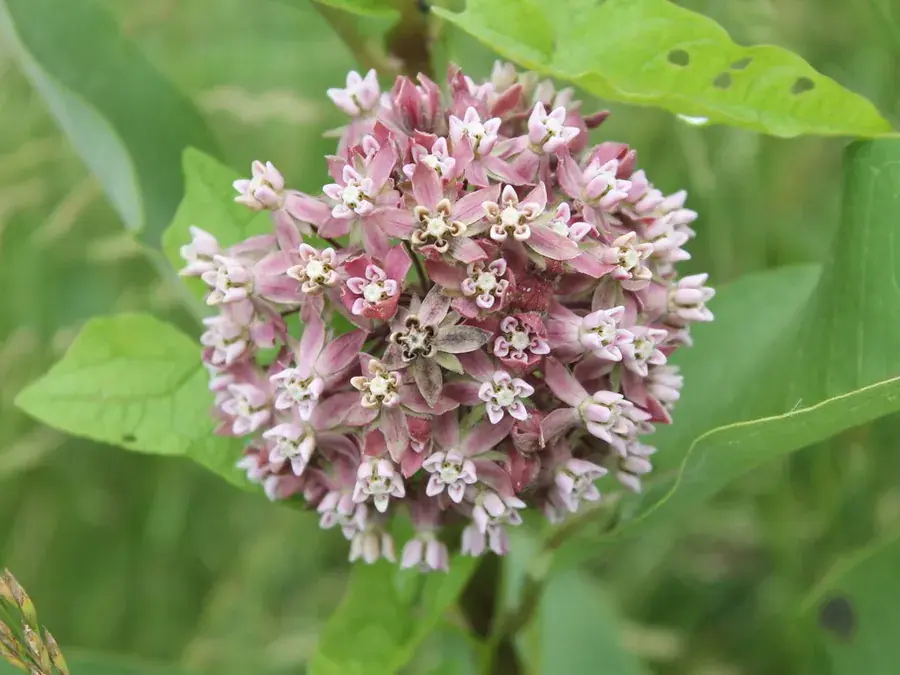
Common milkweed
Asclepias syriaca
This one has a dangerous look-alike
Dogbane (Apocynum cannabinum) also bleeds milky sap, so sap proves nothing. Dogbane is branched, with slender, smooth, reddish stems, small hairless opposite leaves and long thin pods in pairs; common milkweed is one thick, fuzzy, unbranched stem with big soft leaves and fat warty pods. Young pokeweed shoots have no milky sap and a smooth red-purple stem — pokeweed is poisonous and is never eaten.
- When
- Typically May – August — May, June, July, August. Earlier in the south, later in the north.
- Where it grows
- Old fields, roadsides, fencerows, railway banks and prairie edges in full sun, spreading into big colonies by underground runners.
- How to know it
- A single thick, unbranched, downy stem 0.6–1.5 m (2–5 ft) tall with big opposite oval leaves, velvety underneath, and milky sap. Round, fragrant pink-mauve flower balls in June–July, then fat, warty, spindle-shaped pods.
- Harvest and use
- Only cooked. Young shoots under 20 cm (8 in), the unopened flower-bud clusters, and firm young pods under 4 cm (1.5 in), boiled until tender in water you throw away. Take a few shoots from a large colony and leave any plant carrying monarch eggs or caterpillars.
- Caution
- Raw milkweed contains cardiac glycosides that can affect the heart; poison centres advise against eating it at all, and the long tradition of eating it rests on boiling and discarding the water. If it tastes bitter, spit it out: it is dogbane, another milkweed, or one of the bitter strains of common milkweed found in parts of the Northeast — none of them should be eaten. Keep the sap out of eyes. Toxic to dogs, cats and horses.
Common milkweed at a glance
- Also called
- Silkweed, asclépiade commune or petits cochons (Quebec). Showy milkweed (Asclepias speciosa) of the west is eaten the same way by some foragers; this entry covers only common milkweed.
- Family
- Apocynaceae, the dogbane family (which also includes dogbane, periwinkle and oleander).
- Where it grows
- Native to eastern North America: from New Brunswick and Nova Scotia through southern Quebec and Ontario to Manitoba and the edge of Saskatchewan, and south through the Great Lakes, the northeast and the Appalachians to Georgia, Oklahoma and Kansas. It is the milkweed of old fields and roadsides across that whole region, and thins out on the western plains. West of the Rockies it occurs only as a rare escape.
- When to pick
- Shoots in May and early June, while they are under 20 cm (8 in) and snap cleanly; flower-bud clusters in late June and July, while the buds are tight and green to pale pink; firm young pods in July and August, under 4 cm (1.5 in) long and still soft when squeezed. Each window is a week or two earlier in the mid-Atlantic and later toward the Shield.
- Parts used
- Shoots, tender top leaves, unopened flower buds, young pods and the white silk inside them — all boiled until tender in water that is thrown away. Mature leaves, stalks, roots and ripe pods are not eaten. Sam Thayer, who has eaten more of it than anyone writing, argues that common milkweed is not bitter and does not need the old ‘three changes of water’; that advice belongs to other milkweeds. A single boil and discard is still the sensible minimum.
- Is any of it poisonous?
- Every part of milkweed contains cardiac glycosides, most concentrated in the latex. Eating raw plant has caused nausea, vomiting, weakness and dangerous changes in heart rhythm; sap in the eye burns. America’s Poison Centers states plainly that it does not recommend eating milkweed even cooked, because there is little evidence on how much toxin cooking removes; the long Indigenous and rural tradition of eating it rests on boiling and discarding the water. Dogs, cats and horses are poisoned by it. Anyone who tastes bitterness should spit it out: it is dogbane, another milkweed, or one of the bitter strains of common milkweed found in parts of the Northeast, and none of them should be eaten.
- More look-alikes to know
- Young pokeweed (Phytolacca americana): comes up at the same time as thick smooth shoots with a red-purple tinge, alternate leaves, no fuzz and no milky sap, from a huge taproot; all parts are poisonous — a few raw berries can kill a child — and this guide does not include it. Butterfly weed (Asclepias tuberosa): clear sap, hairy alternate leaves, orange flowers; not eaten. Swamp milkweed (A. incarnata): narrow leaves, branched stem, wet ground; bitter, not the one. Spreading dogbane (Apocynum androsaemifolium): a smaller, bushy, red-stemmed dogbane with drooping leaves and pink bell flowers; toxic.
Questions people ask about common milkweed
How do you tell milkweed from dogbane?
Not by the sap — both bleed white. Common milkweed is a single thick, unbranched, fuzzy green stem with big soft oval leaves, velvety underneath, and later fat warty pods; dogbane branches as it grows, its stems are slender, smooth and reddish, its leaves small and hairless, and its pods hang in long thin pairs. As shoots, milkweed is thick and fuzzy with leaves unfolding at 15–20 cm (6–8 in); dogbane shoots are thin, smooth and reddish and keep climbing before the leaves open.
Is milkweed poisonous?
Raw, yes: it contains cardiac glycosides. The few human exposures poison centres describe caused little or no illness, but the glycosides can affect the heart, so poison centres treat it as potentially dangerous and do not recommend eating it even cooked. It has nonetheless been eaten as a boiled vegetable for centuries, and poison centres and foragers disagree on how safe that is. If you choose to eat it, boil it and discard the water, eat a modest portion, and never eat any milkweed that tastes bitter.
Can you eat milkweed raw?
No. Raw milkweed shoots, buds and pods carry the glycosides and the sap; boiling until tender and pouring off the water is the whole basis of the tradition. Treat it like fiddleheads: never raw, never a light sauté from fresh.
When do you pick milkweed shoots and pods?
Shoots in May and early June, under 20 cm (8 in), snapped where they break cleanly; bud clusters in late June and July before any flower opens; pods in July and August while they are under 4 cm (1.5 in) and firm. A pod is too old once the silk inside has started to turn from white to tan.
Does picking milkweed hurt monarch butterflies?
Not if you pick lightly from a big colony. Common milkweed spreads by underground runners and regrows shoots and buds after cutting. Check each shoot and bud cluster for monarch eggs — pale ribbed dots on the underside of leaves — and striped caterpillars, and leave any plant that has them. Never strip a small patch.
Is milkweed poisonous to dogs?
Yes. The ASPCA lists milkweed as toxic to dogs, cats and horses: vomiting, weakness, diarrhoea, slow or irregular heartbeat, and in serious cases seizures and collapse. Keep pets away from garden milkweed and from cut stems bleeding sap, and call a vet or animal poison line if a dog chews it.
What should kids know about milkweed?
That the white sap stings eyes and should never go in the mouth — poison centres have handled children who chewed the plant and treat every such call as a possible poisoning. Children can watch the monarchs and pop the pods for silk in fall, but should wash their hands afterwards and leave the picking and cooking to an adult. Pokeweed, which comes up beside it with red stems and no milky sap, is far more dangerous and is never eaten.
Found in these regions
- Boreal Forest & Shield
- Acadian Forest & Atlantic Coast
- Great Lakes & St. Lawrence Lowlands
- Northeast Atlantic Coast & Piedmont
- Appalachian Highlands
- Central Hardwoods & Interior Plateaus
- Prairies & Great Plains
Hardiness zones 3–9.
Is it ready near you?
Get this week's foraging guide for your area
Enter a town, postal code or ZIP and we'll tell you what's in season right there this week — from your local climate, this week's weather and your ecological region.
Also ready in October
 FruitOctober – November
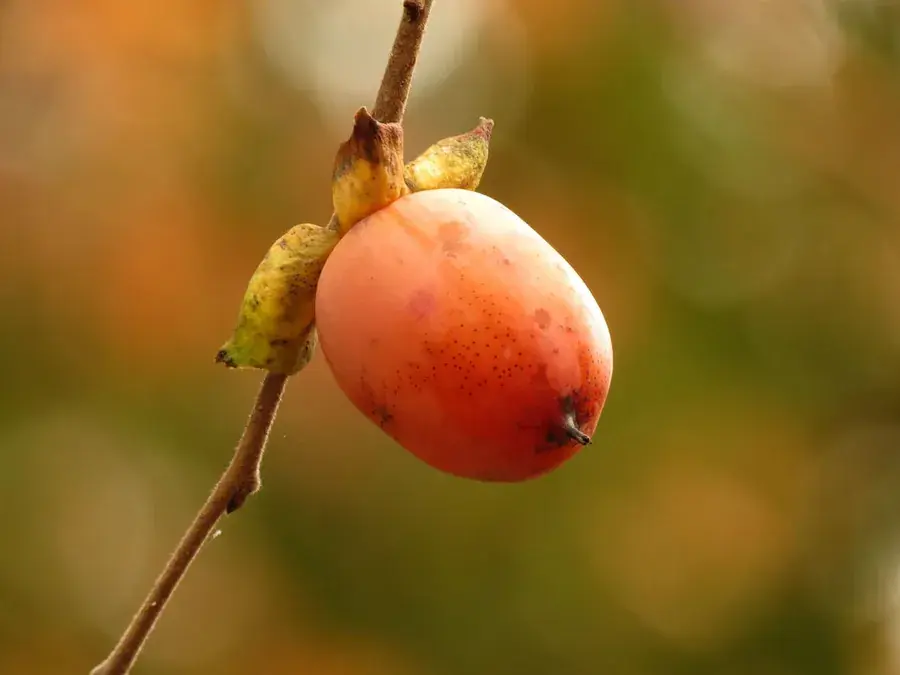
American persimmon
Diospyros virginiana
Blocky alligator-hide bark; orange fruit the size of a plum, only ripe when it is wrinkled, squishy and usually on the ground.
How to know it & its look-alikes →Photo: Katja Schulz · CC BY 4.0
 BerrySeptember – October
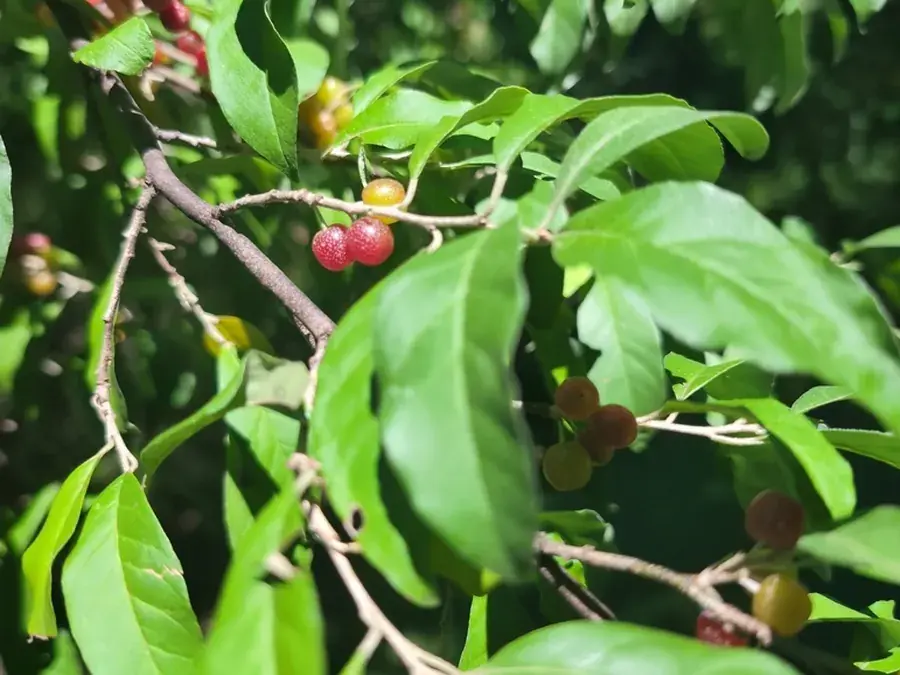
Autumn olive
Elaeagnus umbellata
A sprawling thorny shrub whose leaves flash silver underneath; in autumn it is weighed down with small red berries finely speckled with silver and brown scales, each with one soft seed.
How to know it & its look-alikes →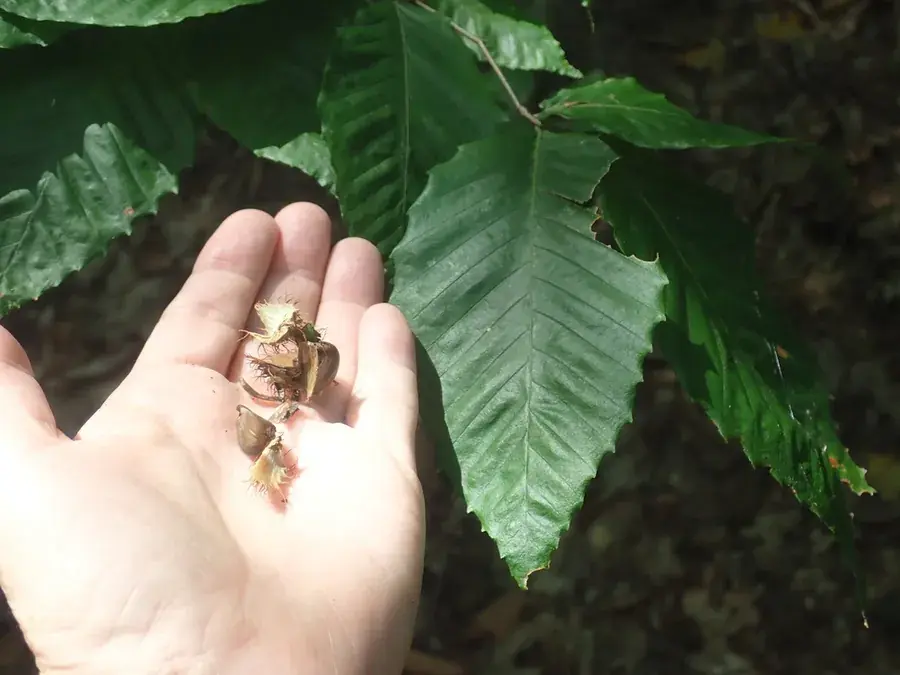 NutSeptember – October
Beechnuts
Fagus grandifolia
Smooth, pale grey bark on a tall tree; long, sharp, cigar-shaped buds; oval leaves with coarse teeth and straight parallel veins, many held, bleached, through winter. The nuts are small, three-sided and come two to a soft-bristled husk that splits into four.
How to know it & its look-alikes →
Checked against these sources ·
- USDA NRCS Plant Guide: Common milkweed (Asclepias syriaca)
- Minnesota Wildflowers: Common milkweed
- Minnesota Wildflowers: Indian hemp (Apocynum cannabinum)
- America’s Poison Centers: Milkweed can cause serious poisoning
- ASPCA Animal Poison Control: Milkweed
- Sam Thayer, The Milkweed Phenomenon (The Forager, 2001)
Seasons are typical for the middle of the range and move by weeks north and south, and up and down hills.
Educational information only. Never eat a wild plant or mushroom identified from a single photograph or description — confirm with a regional field guide or an experienced forager, and know the poisonous species in your area first.