RootIn season now (October)
Jerusalem artichoke (sunchoke)
Helianthus tuberosus
- When
- Typically March – April, October – November — October, November, March, April. Earlier in the south, later in the north.
- Where it grows
- Moist rich ground along rivers, ditches, fencerows and the edges of old fields and gardens, in dense colonies.
- How to know it
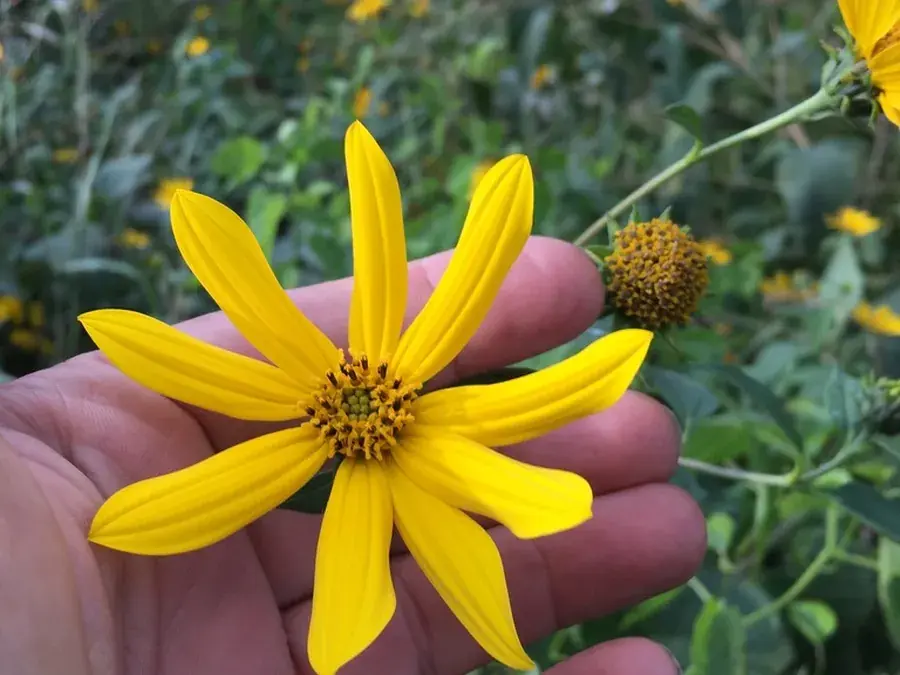
- A rough, hairy sunflower 1.5–3 m (5–10 ft) tall with broad, sandpapery leaves on winged stalks, and flowers 5–9 cm (2–3.5 in) across with 10–20 narrow yellow rays around a yellow-green centre in August–October. Dig to confirm: knobbly tubers on short runners under the clump.
- Look-alikes
- Other tall sunflowers — sawtooth sunflower (smooth, waxy stem), giant sunflower (hairy stem but narrow, almost stalkless leaves) and woodland sunflowers — look alike above ground but make no fat tubers. None is dangerous; the tubers themselves are the identification.
- Harvest and use
- The tubers, dug after the tops have died back in frost, through to early spring. Scrub, then roast, boil or slice raw into salads. Leave the small ones and every stand regrows.
- Caution
- The inulin in the tubers ferments in the gut and gives many people wind and cramps — start with a small helping, especially for children. Never plant it loose in a garden: every fragment regrows.
Jerusalem artichoke (sunchoke) at a glance
- Also called
- Sunchoke, sunroot, topinambour (Quebec), earth apple.
- Family
- Asteraceae, the daisy family (which also includes the annual sunflower, lettuce and dandelion).
- Where it grows
- Native to the central and eastern United States, where it was grown by Indigenous farmers long before Europeans arrived — so long that its original range is blurred by cultivation. Today it grows wild along rivers and in old fields from Nova Scotia and southern Quebec through southern Ontario and Manitoba, and through the Great Lakes, the northeast, the Ohio Valley, the southern Appalachians and the eastern plains. VASCAN treats every Canadian population as introduced. It is rare in the far west and absent from Florida and the deserts.
- When to pick
- After frost has killed the tops, from October through to the spring thaw, as long as the ground can be dug — the tubers are sweeter and easier to digest after a few hard frosts, and they keep best left in the ground. In March and April dig them before the new shoots draw them down. Southern stands can be dug all winter; on the Shield the window closes when the ground freezes.
- Parts used
- The knobbly tubers, 3–10 cm (1–4 in), with white, red or purple skins. Scrub well — peeling is a fight and not needed — then roast, boil, slice raw into salads or pickle. The tops, flowers and seeds are not eaten. Store them in damp sand or a bag in the fridge; they shrivel quickly in dry air.
- Is any of it poisonous?
- Nothing poisonous, but the tubers store their energy as inulin rather than starch, and inulin ferments in the large intestine. A big first helping gives most people wind, bloating and cramps, sometimes severe. Start small, eat them cooked, and keep portions modest until you know how you respond; cold storage and frost reduce the effect, and NC State notes that boiling in lemon juice breaks some inulin down.
- More look-alikes to know
- Giant sunflower (Helianthus giganteus): also tall and rough-stemmed, but its leaves are narrow and almost stalkless, and it has slender rhizomes with no fat tubers. Sawtooth sunflower (H. grosseserratus): a smooth, hairless stem with a waxy white bloom like a plum. Woodland and pale-leaved sunflowers: shorter, thinner-stemmed, often in shade. Cup plant and the rosinweeds: opposite leaves fused around the stem into cups, square stems, thick resinous sap. None of these is poisonous; none has the tubers. Where tall yellow daisies grow in a river thicket, dig before you decide.
Questions people ask about jerusalem artichoke
How do you identify Jerusalem artichoke in the wild?
A tall, rough sunflower — 1.5–3 m (5–10 ft) — with a stiff-hairy stem, broad sandpapery leaves on winged stalks, opposite low on the plant and alternate above, and flowers 5–9 cm (2–3.5 in) across with 10–20 narrow yellow rays around a yellow-green disk in August–October. It has the broadest leaves of the tall native sunflowers. The proof is underground: dig at the base of a clump for knobbly tubers on short runners.
When do you dig sunchokes?
From the first hard frost until the shoots come up in spring — October to April in most of the Great Lakes and northeast, all winter farther south. Frost sweetens them and takes some of the gas out, and they keep better in the ground than in a cupboard, so dig as you need them.
Why do Jerusalem artichokes cause gas?
Because their carbohydrate is inulin, which people cannot digest; gut bacteria ferment it instead. The result is wind and sometimes painful bloating, worst with a large raw serving. Eat a small portion the first time, cook them, and use tubers that have been through frost or a few weeks of cold storage.
Are sunchokes safe for children and dogs?
The tubers are not poisonous to either, but a child or a dog that eats a lot will get a very sore, gassy stomach. Keep servings small for small people. None of the tall sunflowers it can be confused with is poisonous, and the tubers themselves are the proof, which makes it a good first dig for a family.
Is Jerusalem artichoke invasive?
In a garden it behaves like one: every scrap of tuber left in the soil regrows, and a single planted tuber can make twenty. Grow it only in a contained bed or a big pot, and harvest wild stands freely — along rivers it is widely naturalized, and in Canada it counts as an introduced plant.
Can you eat Jerusalem artichokes raw?
Yes — sliced thin they are crisp and nutty like a water chestnut. Raw is also when the inulin bites hardest, so keep raw servings small. Cooked, they roast and mash like a sweet, slightly smoky potato; do not overcook or they turn to mush.
Found in these regions
- Acadian Forest & Atlantic Coast
- Great Lakes & St. Lawrence Lowlands
- Northeast Atlantic Coast & Piedmont
- Appalachian Highlands
- Central Hardwoods & Interior Plateaus
- Southeastern Piedmont & Coastal Plain
- Prairies & Great Plains
Hardiness zones 3–9.
Is it ready near you?
Get this week's foraging guide for your area
Enter a town, postal code or ZIP and we'll tell you what's in season right there this week — from your local climate, this week's weather and your ecological region.
Also ready in October
 FruitOctober – November
American persimmon
Diospyros virginiana
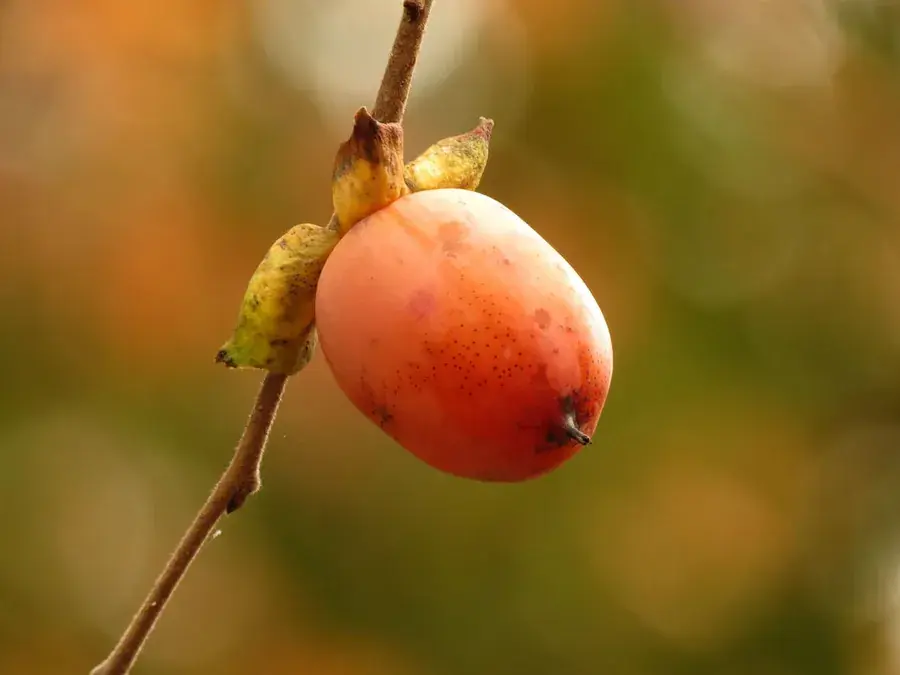
Blocky alligator-hide bark; orange fruit the size of a plum, only ripe when it is wrinkled, squishy and usually on the ground.
How to know it & its look-alikes →Photo: Katja Schulz · CC BY 4.0
 BerrySeptember – October
Autumn olive
Elaeagnus umbellata
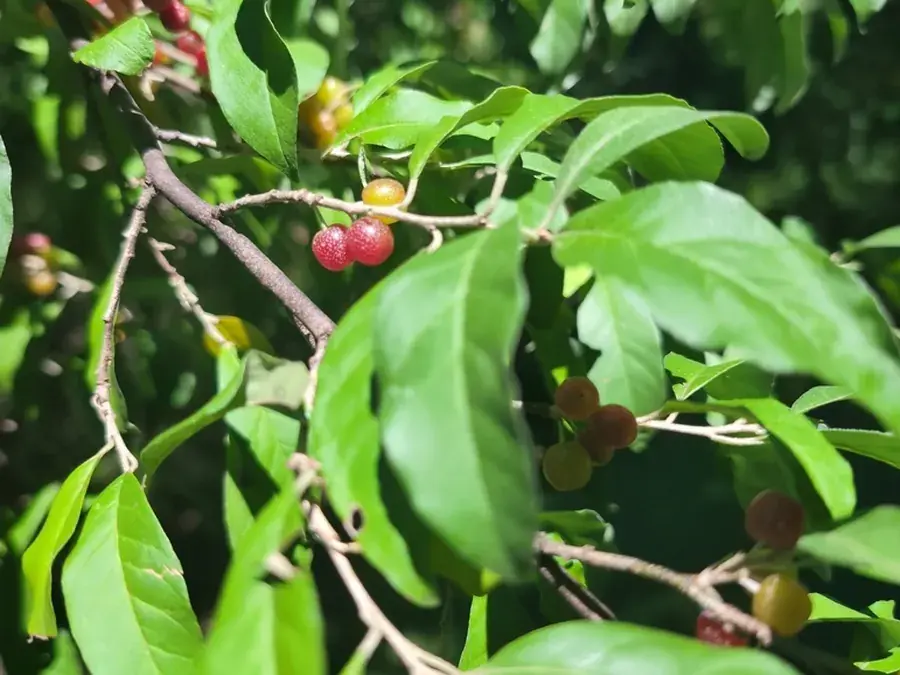
A sprawling thorny shrub whose leaves flash silver underneath; in autumn it is weighed down with small red berries finely speckled with silver and brown scales, each with one soft seed.
How to know it & its look-alikes →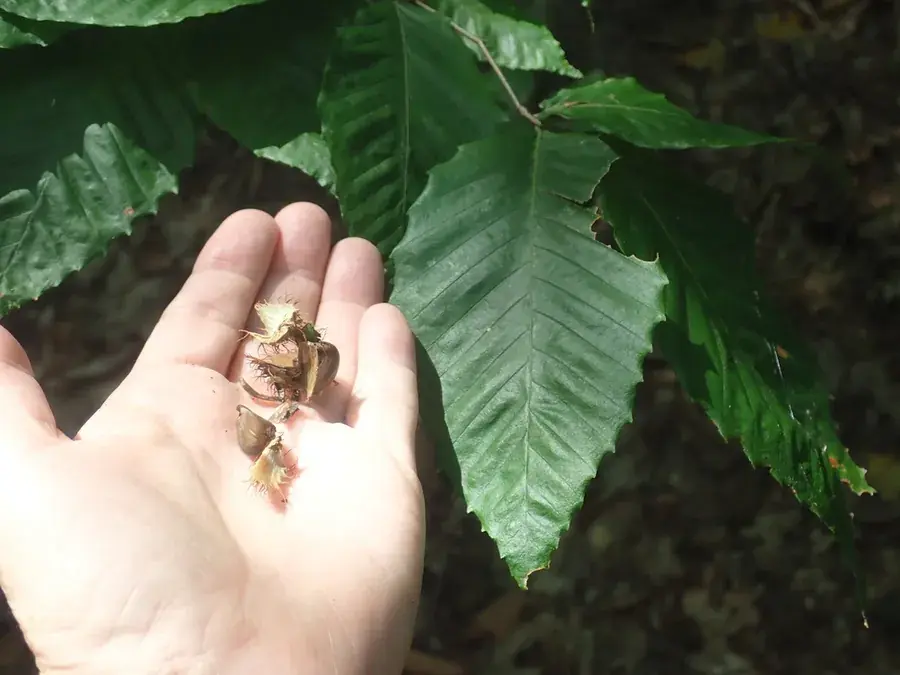 NutSeptember – October
Beechnuts
Fagus grandifolia
Smooth, pale grey bark on a tall tree; long, sharp, cigar-shaped buds; oval leaves with coarse teeth and straight parallel veins, many held, bleached, through winter. The nuts are small, three-sided and come two to a soft-bristled husk that splits into four.
How to know it & its look-alikes →
Checked against these sources ·
- Minnesota Wildflowers: Jerusalem artichoke
- NC State Extension (Chatham County): Jerusalem artichokes
- Minnesota Wildflowers: Sawtooth sunflower
- VASCAN (Database of Vascular Plants of Canada): Helianthus tuberosus
Seasons are typical for the middle of the range and move by weeks north and south, and up and down hills.
Educational information only. Never eat a wild plant or mushroom identified from a single photograph or description — confirm with a regional field guide or an experienced forager, and know the poisonous species in your area first.