Found near Washington · September
What people actually find here
400 species have been recorded within about 40 km of here in September, from verified public observations. These are the ones we have written up, ordered by how often they turn up.
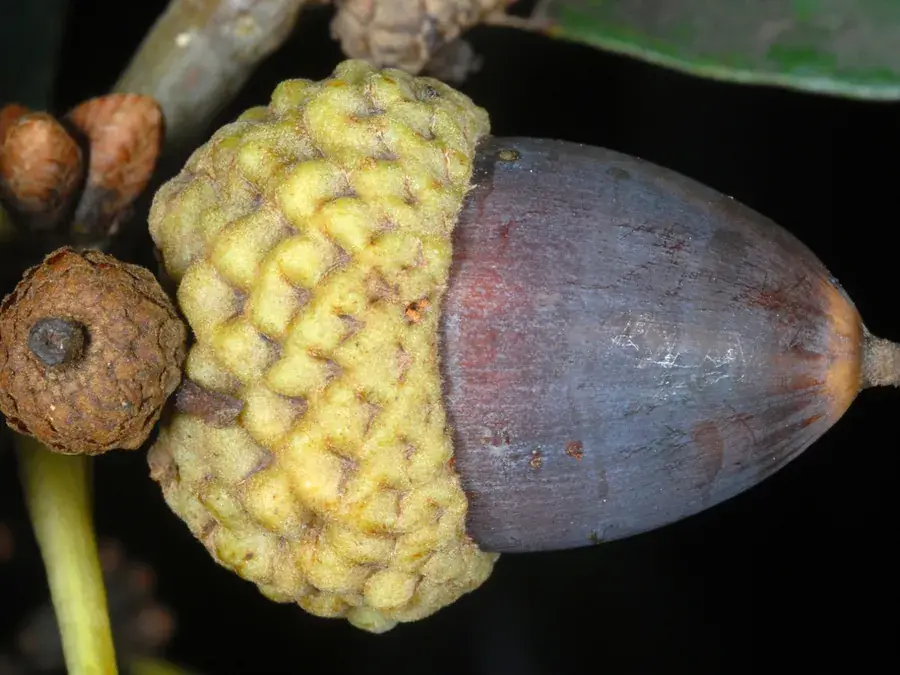 Acorns
845 records within 40 km this month
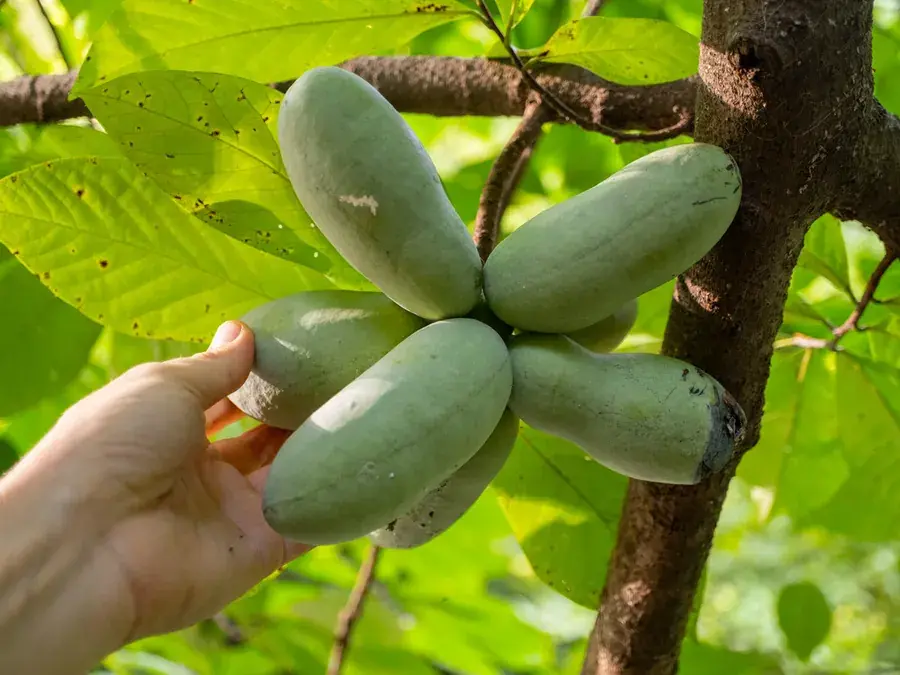 Pawpaw
621 records within 40 km this month
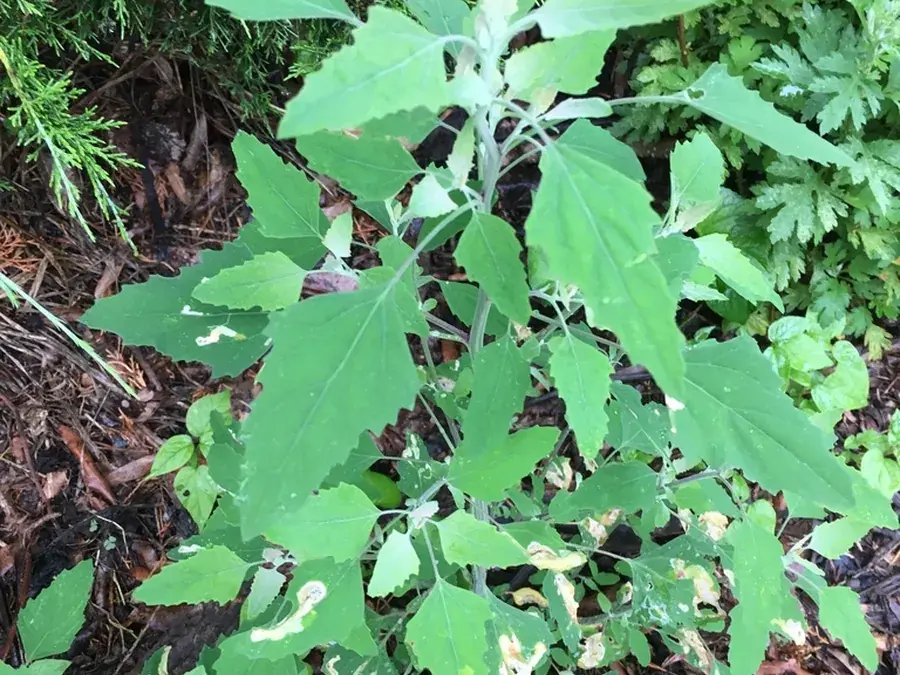 Lamb's quarters
92 records within 40 km this month
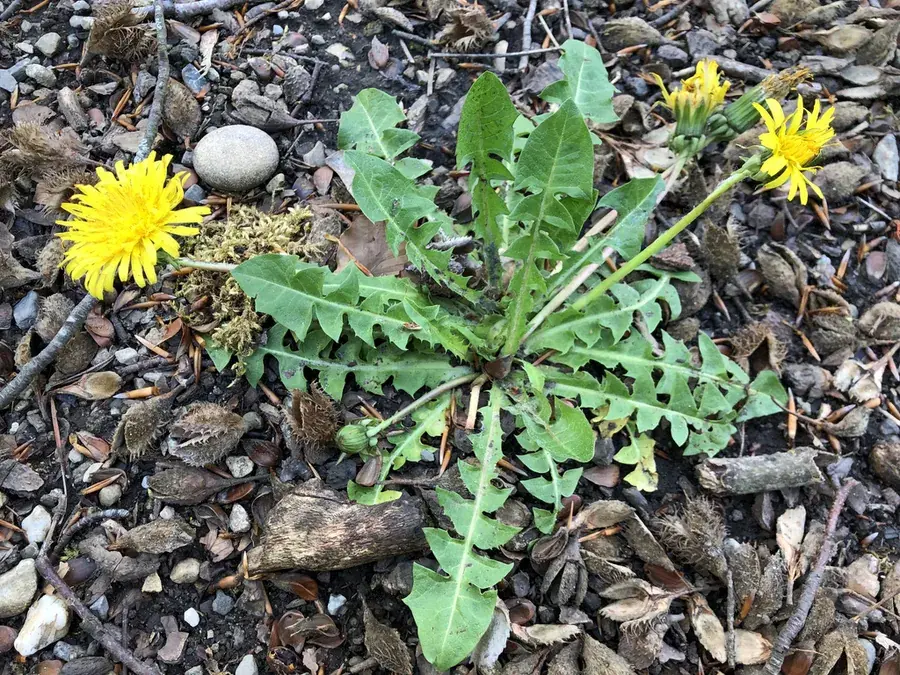 Dandelion
87 records within 40 km this month
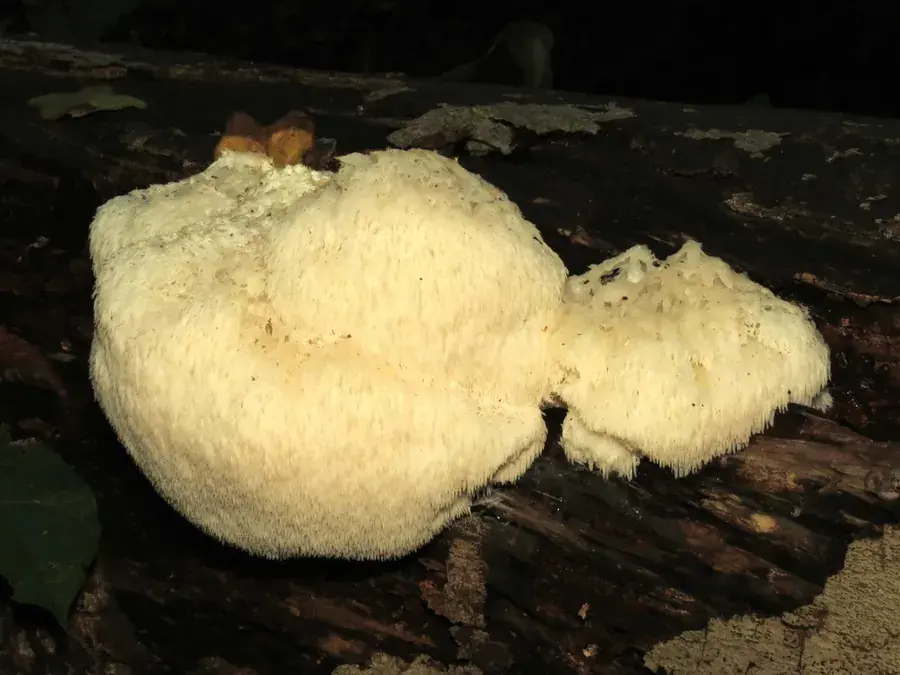
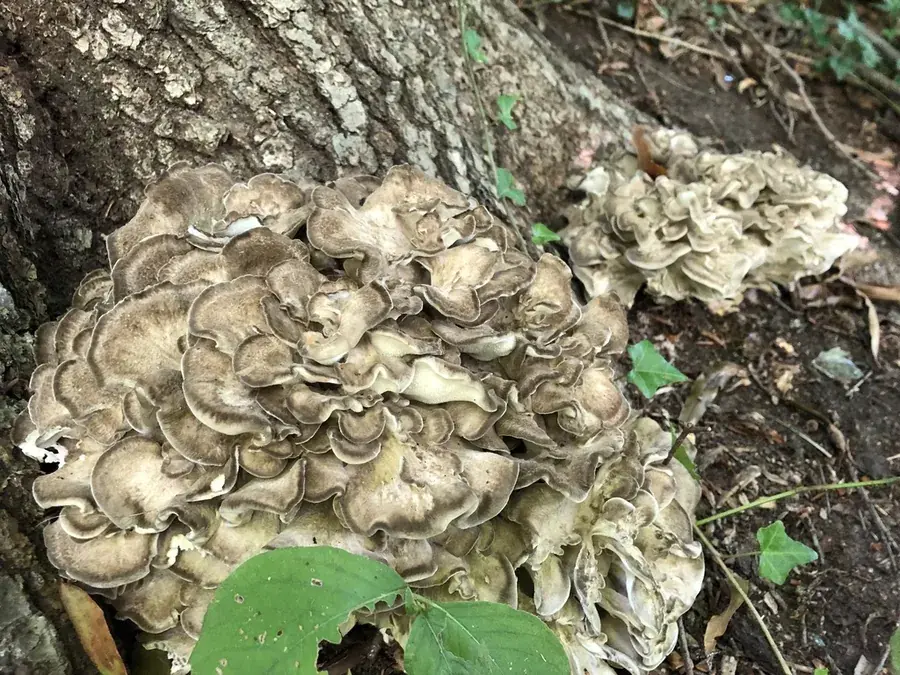
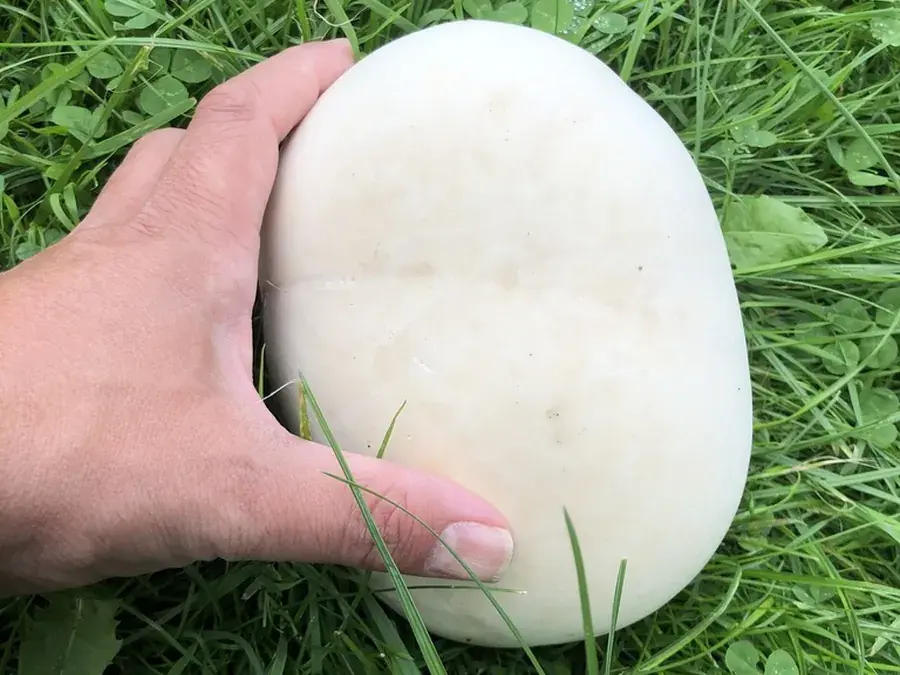 Dangerous look-alikeGiant puffball
19 records within 40 km this month
Also out there, that we haven't written up yet
Recorded near you this month. We have no identification guidance for these, so treat them as a list of things to go and learn — from a regional key or someone who knows them — not as a list of things to pick.
Fungi
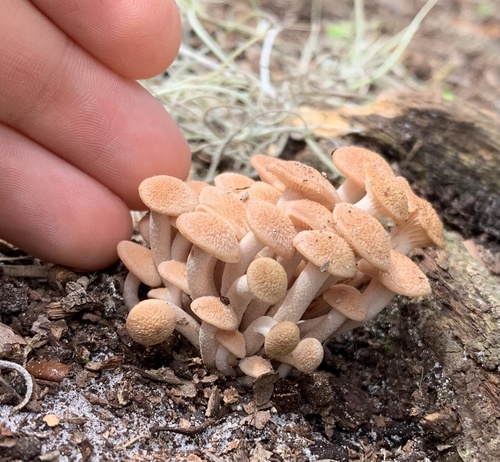
Ringless Honey Mushroom
Desarmillaria caespitosa
785 records nearby
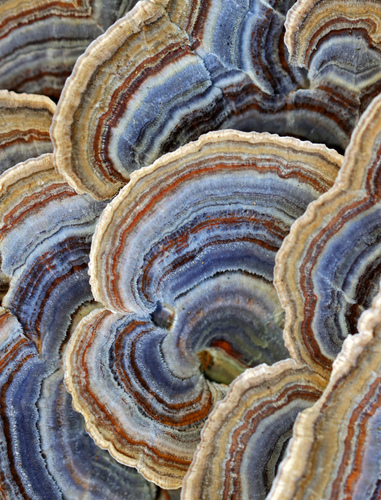
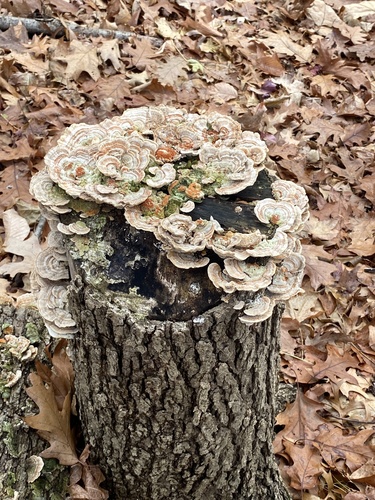
turkey-tail
Trametes versicolor
418 records nearby
Your woods
What's growing around Washington
The commonest trees recorded nearby, most often seen first. Most of the good mushrooms are tied to a particular tree, so this is the first thing to know about a wood.
- oak
- maple
- tulip tree
- beech
- sycamore
- walnut
- black locust
- pine
Know these first
What can hurt you around Washington in September
9 species on our hazard list have been recorded near here this month, 2 of which can kill a healthy adult. Learn these before you learn anything you intend to eat.
- Can kill12 records nearby
Eastern destroying angel
Amanita bisporigera
- Mistaken for
- Button mushrooms, meadow mushrooms, and young puffballs picked before they open.
- How to tell
- Pure white gills that never turn pink or brown, and a sac-like cup at the very base of the stem — it sits below the soil, so you have to dig the whole mushroom up to see it. A puffball cut in half is solid white throughout; a young destroying angel shows the outline of a mushroom inside.
- What it does
- Amatoxins destroy the liver. You feel fine for six to twelve hours, then violently ill, then apparently better — that false recovery is the liver failing. One cap is a lethal dose for an adult.
- Can kill6 records nearby
Small parasols (Lepiota)
Lepiota (the whole genus)
- Mistaken for
- Shaggy parasol and true parasol mushroom, which are larger relatives worth eating.
- How to tell
- The dangerous ones are small — a cap under about 8 cm — with brown scales on a pale ground and a ring. Size is the whole distinction, and it is not a comfortable one, so the safe rule is to leave every small scaly parasol alone.
- What it does
- Several small Lepiota species carry amatoxins and have killed adults. There is no benefit that justifies the risk.
Next
What to start watching for
Coming into season in the next month or two near Washington, District of Columbia. Seasons shift a week or two with the weather, so treat these as things to keep an eye on rather than dates.