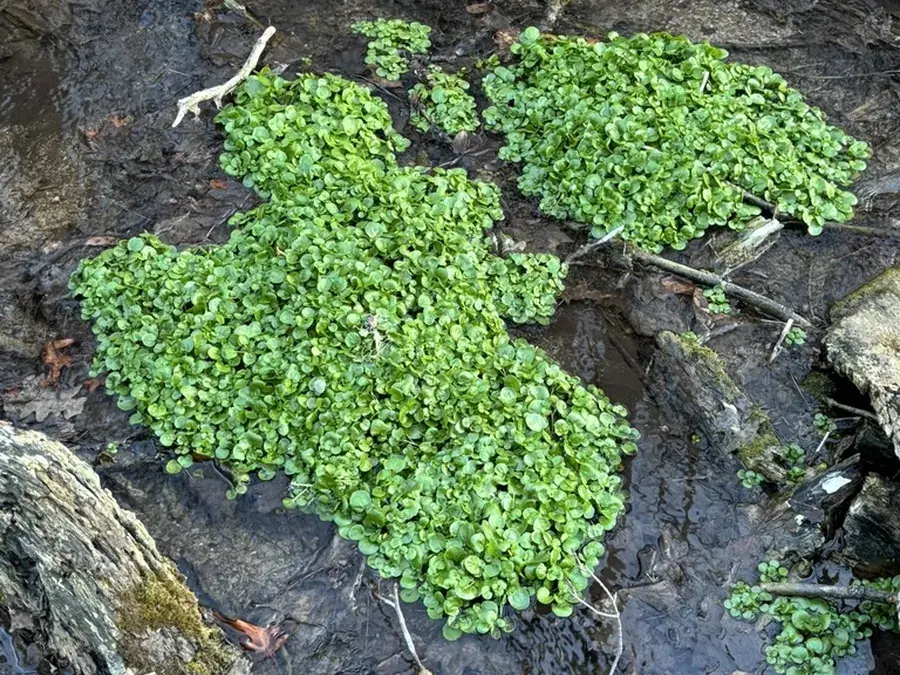
Photo by fromtheloam on iNaturalist · CC BY 4.0
GreenIn season now (October)
Watercress
Nasturtium officinale
- When
- Typically March – May, September – November — March, April, May, September, October, November. Earlier in the south, later in the north.
- Where it grows
- Cold, clear, flowing water — spring runs, limestone creeks, seeps and the heads of streams — where it builds floating mats; introduced from Europe and now across most of the continent.
- How to know it
- Hollow, hairless stems that float or sprawl and root at every node; pinnate leaves with 3–9 rounded leaflets, the end one largest; small white four-petalled flowers in April–July; and a clean mustard-pepper taste.
- Look-alikes
- Water hemlock can grow on the same banks and through the same mats and is deadly: narrow, sharply toothed leaflets with veins ending in the notches, an upright purple-streaked stem, a chambered root — and no mustard taste, but never taste-test it. Water parsnip and other wet-ground carrot relatives have narrow toothed leaflets and a carroty smell. Marsh yellowcress has yellow flowers and stands up on mud.
- Harvest and use
- Cut the leafy tops above the waterline with scissors, in spring and again in fall. Cook it — soup, steamed, stir-fried — unless it comes from water you would happily drink. Or root a sprig in a pot and grow your own.
- Caution
- The danger is the water, not the plant. Watercress downstream of cattle or sheep can carry liver-fluke cysts, and any untreated water can carry Giardia and bacteria; washing does not reliably remove them, cooking does. Avoid streams below farms, pastures and roads.
Watercress at a glance
- Also called
- Cresson de fontaine (Quebec); also written Rorippa nasturtium-aquaticum in older books. One-row watercress (Nasturtium microphyllum) is a near-identical relative, eaten the same way.
- Family
- Brassicaceae, the mustard family (which also includes cabbage, radish and garlic mustard).
- Where it grows
- Introduced from Europe and now naturalized in cold springs and spring-fed streams across southern Canada and most of the United States — commonest in the Great Lakes states, Pennsylvania and the Appalachians, the Ozarks and the mid-south, the Texas Hill Country, the Rockies, the Great Basin and desert spring systems, the Pacific Northwest and especially California. It is sparse in the Maritimes and on the Canadian Shield, where few streams stay unfrozen. Some states list it as invasive.
- When to pick
- Spring and fall: March to May before it flowers heavily, and again September into November when cold water sweetens it. In summer, once it has flowered, the leaves turn hot and bitter; in a hard winter it dies back under ice, though spring-fed runs that stay above freezing carry it year-round. Cut the growing tips above the waterline and the mat regrows.
- Parts used
- Leaves and tender stems, cut from the top 15 cm (6 in) of the plant. Cooked — in soup, wilted in butter, steamed or stir-fried — unless the water is one you would drink untreated; then raw in salad and sandwiches. Flowers and buds are eaten too. Roots and the lower, muddy stems are left in the stream.
- Is any of it poisonous?
- The plant is safe to eat once identified; the water it grows in may not be. Watercress downstream of grazing sheep, cattle or goats can carry the encysted larvae of the sheep liver fluke (Fasciola hepatica), which cling to the leaves and infect people who eat it raw — the CDC names raw watercress as the classic source. Human cases are rare in Canada and the US, but the parasite lives in livestock in parts of the continent, and a wild stream below a pasture is exactly where it would be. Untreated water also brings Giardia, E. coli and farm chemicals. Cooking destroys the fluke and the microbes; rinsing does not reliably remove the cysts.
- More look-alikes to know
- Water parsnip (Sium suave): a carrot-family plant of the same shallows with once-divided leaves of narrow, sharply toothed leaflets, a ridged stem, and a carrot smell rather than mustard; not eaten here because of its resemblance to water hemlock. Bittercress (Cardamine pensylvanica): a smaller, upright mustard of the same banks, edible and peppery. Brooklime (Veronica americana): round, paired, undivided leaves and tiny blue flowers; edible but bitter. Fool’s watercress (Helosciadium nodiflorum) and hemlock water-dropwort are European look-alikes that are essentially absent from North America. In the Pacific Northwest, Pacific water-parsley (Oenanthe sarmentosa), a hemlock relative with once- or twice-divided toothed leaflets and hollow sprawling stems, grows in the same creeks; leave it. Whatever you cut, examine the whole handful for stray carrot-family leaves before it goes in the bag.
Questions people ask about watercress
How do you identify watercress?
Floating or sprawling mats in cold running water, with hollow, hairless stems that root from every node; pinnate leaves of 3–9 rounded leaflets, the end one largest and nearly round; small white four-petalled flowers in loose clusters from April to July; and a clean peppery mustard bite when you chew a leaf. Mustard taste plus the rooting hollow stem is the identification — but only taste a plant you have already ruled out as a carrot relative.
Is wild watercress safe to eat raw?
Only from water you would drink: a spring source with no livestock, farms, roads or septic systems upstream. Anywhere else, the risk is liver fluke from grazing animals and Giardia and bacteria from the water, none of which you can see or wash off. Cook it, which solves all three, or grow a sprig in a pot at home.
What is liver fluke and does watercress really carry it?
Fasciola hepatica is a flatworm parasite of sheep, cattle and goats; its larvae leave water snails and form cysts on aquatic plants, and people who eat those plants raw become infected, with fever, pain and long-term liver damage. The CDC names raw watercress as the usual source. It is uncommon in Canada and the US but present wherever livestock graze near streams. Cooking kills the cysts.
What looks like watercress and is dangerous?
Water hemlock, which grows on the same wet banks and sometimes up through watercress mats, and is deadly. It stands upright rather than floating, with a smooth hollow stem often streaked purple, leaflets that are narrow and sharply toothed with veins running to the notches between the teeth, and a chambered root with yellow oily sap. It has no mustard taste, but you never taste-test a suspected hemlock — check every handful by eye.
When is watercress in season?
Spring, from March to May depending on latitude, and again from September to November. Summer plants that have flowered are hot and bitter, and most streams lose it under ice in winter, except spring runs that stay unfrozen.
Can kids pick watercress?
Yes, with scissors above the waterline from a clean spring — it is one of the easiest wild greens to recognize once they know the peppery taste and the rooting stem. The rules to teach: nothing from a ditch or a pasture stream, nothing eaten raw unless an adult knows the water, and nothing with narrow, sharp-toothed leaves goes in the bag.
Found in these regions
- Great Lakes & St. Lawrence Lowlands
- Northeast Atlantic Coast & Piedmont
- Appalachian Highlands
- Central Hardwoods & Interior Plateaus
- Prairies & Great Plains
- Western Mountains & Interior Plateaus
- Pacific Maritime
- Mediterranean California
- Deserts & Dry Basins
Hardiness zones 3–10.
Is it ready near you?
Get this week's foraging guide for your area
Enter a town, postal code or ZIP and we'll tell you what's in season right there this week — from your local climate, this week's weather and your ecological region.
Also ready in October
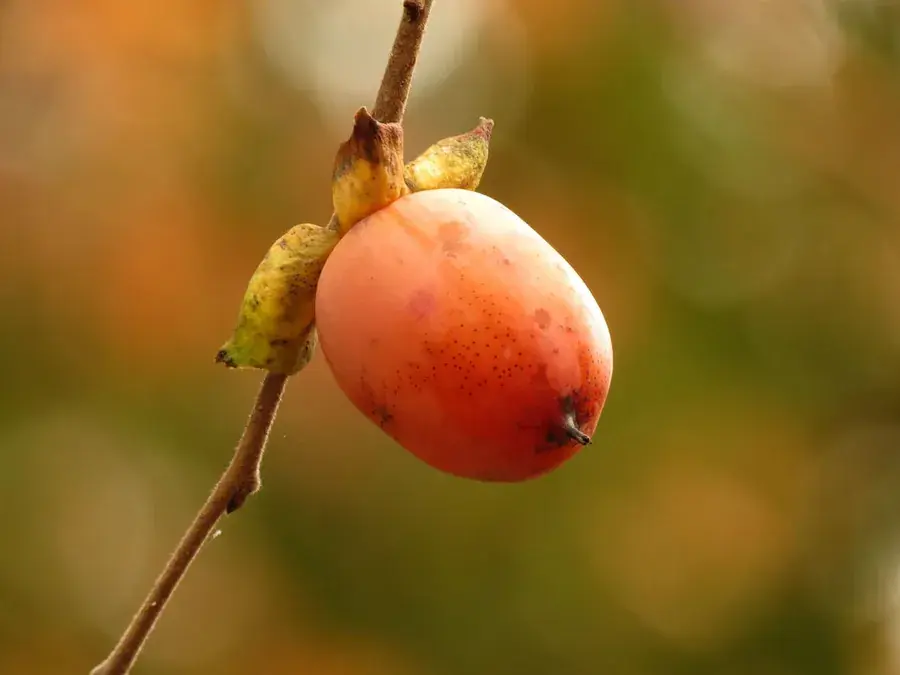 FruitOctober – November
American persimmon
Diospyros virginiana
Blocky alligator-hide bark; orange fruit the size of a plum, only ripe when it is wrinkled, squishy and usually on the ground.
How to know it & its look-alikes →Photo: Katja Schulz · CC BY 4.0
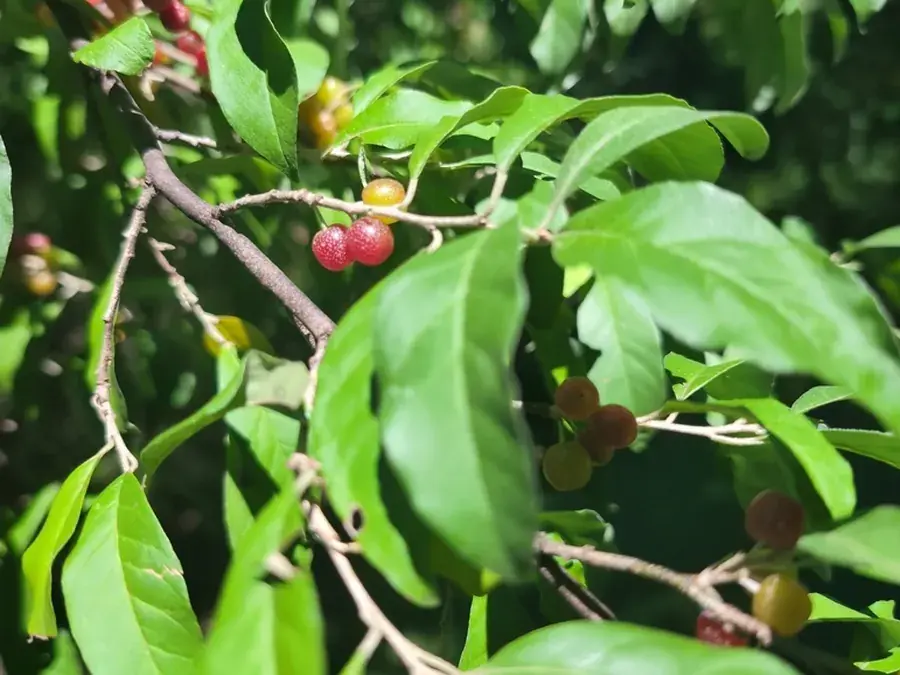 BerrySeptember – October
Autumn olive
Elaeagnus umbellata
A sprawling thorny shrub whose leaves flash silver underneath; in autumn it is weighed down with small red berries finely speckled with silver and brown scales, each with one soft seed.
How to know it & its look-alikes →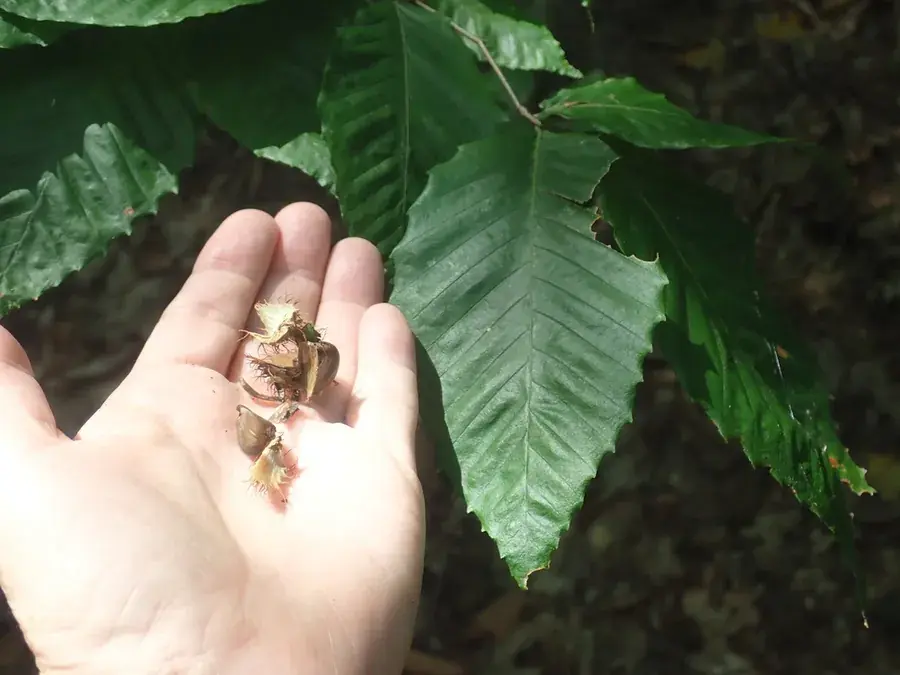 NutSeptember – October
Beechnuts
Fagus grandifolia
Smooth, pale grey bark on a tall tree; long, sharp, cigar-shaped buds; oval leaves with coarse teeth and straight parallel veins, many held, bleached, through winter. The nuts are small, three-sided and come two to a soft-bristled husk that splits into four.
How to know it & its look-alikes →
Checked against these sources ·
- Minnesota Wildflowers: Watercress
- USDA Forest Service, Plant of the Week: Watercress (Nasturtium officinale)
- US CDC: Clinical overview of Fasciola (liver fluke)
- Galloway Wild Foods: Watercress — edibility, distribution and identification
- USDA Forest Service: Water hemlock (Cicuta maculata)
Seasons are typical for the middle of the range and move by weeks north and south, and up and down hills.
Educational information only. Never eat a wild plant or mushroom identified from a single photograph or description — confirm with a regional field guide or an experienced forager, and know the poisonous species in your area first.