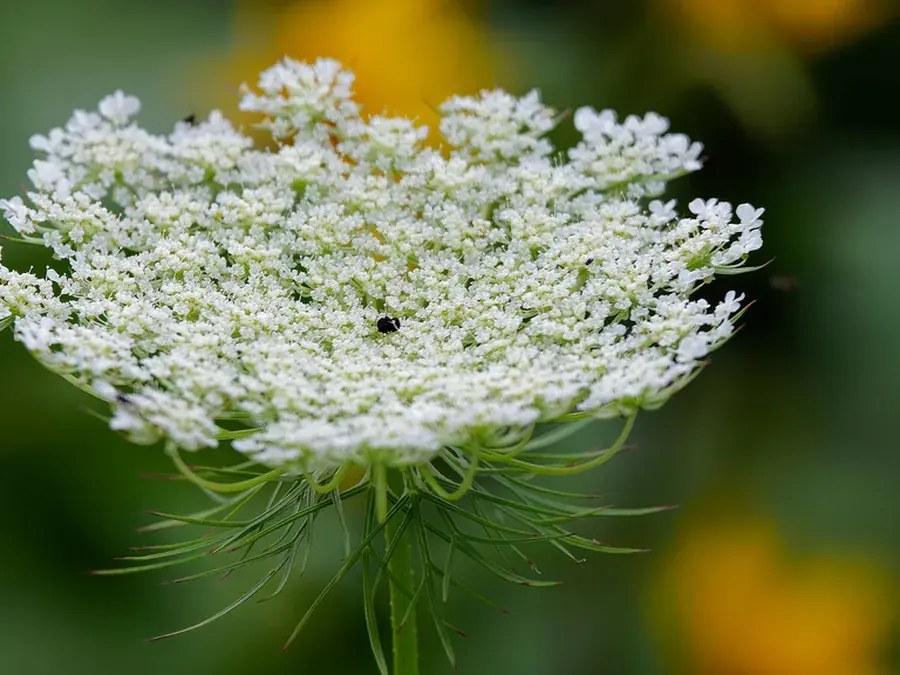
Photo by Daughter Dad on iNaturalist · CC BY 4.0
RootIn season now (October)
Wild carrot (Queen Anne's lace)
Daucus carota
This one has a dangerous look-alike
Poison hemlock and water hemlock can kill, and both are smooth-stemmed: poison hemlock is 1.5–3 m (5–10 ft) tall with a hairless, waxy, purple-blotched stem and a musty, mouse-like smell; water hemlock grows in wet ground with a purple-streaked stem and a chambered root that oozes yellow oily sap. Wild carrot is hairy, smells of carrot, and has the bracts under the umbel. No hairs, no carrot smell — walk away.
- When
- Typically March – April, September – November — March, April, September, October, November. Earlier in the south, later in the north.
- Where it grows
- Dry roadsides, old fields, railway edges and waste ground in full sun — an introduced European biennial that is now a weed across most of the continent.
- How to know it
- A hairy, ribbed stem and leaves that smell exactly like carrot when crushed — both are required. In flower, a flat white umbel with a whorl of forked green bracts underneath and usually one dark purple floret in the centre; the old head curls into a bird’s nest.
- Harvest and use
- The thin white taproot of first-year rosettes (no flower stalk yet), dug in fall or early spring and cooked like a woody carrot. Flowers can be dipped in batter. Dig only plants you have checked for hairs and smell, one at a time.
- Caution
- People die from hemlocks mistaken for wild carrot or wild parsnip. First-year rosettes are the harvest, and they have no flowers to help you, so rely on the hairy leaf stalks and the carrot smell every single time. The sap can cause a mild rash in sunlight.
Wild carrot (Queen Anne's lace) at a glance
- Also called
- Queen Anne’s lace, bird’s nest, carotte sauvage (Quebec). The same species as the garden carrot, which was bred from it.
- Family
- Apiaceae, the carrot family (which also includes parsnip, celery, dill — and poison hemlock and water hemlock).
- Where it grows
- Introduced from Europe and now a roadside weed in every province from British Columbia to Newfoundland and in nearly every state, thickest in southern Ontario and Quebec, the Great Lakes states, the northeast, the mid-south and the Pacific coast. It thins out on the northern prairies and in the far north, and is scarce in Florida and the deserts. Alaska and the territories have almost none.
- When to pick
- Roots from first-year plants only: a rosette of ferny leaves with no flower stalk. Dig them in September–November, once the tops die back, or in March–April before the plant bolts; by the time a stalk rises the root is woody and useless. Flowers for fritters come June–September. The rosette season runs a few weeks later going north and uphill.
- Parts used
- The thin white taproot, scrubbed and cooked — it is tougher and more fibrous than a garden carrot and best in stock, soup or stew. The flower umbels can be dipped in batter. The seeds have a long folk reputation as a contraceptive and are best left alone in pregnancy.
- Is any of it poisonous?
- Wild carrot itself is edible once identified with certainty, but its sap can cause a mild phototoxic rash on skin in sunlight, and the seeds carry that folk reputation around pregnancy. The real danger is misidentification: poison hemlock (coniine, respiratory paralysis) and water hemlock (cicutoxin, violent seizures within an hour) grow in the same regions and kill people every year. A single bite of water hemlock root can be fatal.
- More look-alikes to know
- Fool’s parsley (Aethusa cynapium): a hairless European weed of gardens and waste ground, 30–60 cm (1–2 ft), with shiny ferny leaves, no bracts under the main umbel, no purple centre floret, and three or four long, narrow bracts hanging down beneath each little umbellet like a beard. Poisonous. Wild parsnip (Pastinaca sativa): yellow flowers, a grooved hairless stem and sap that burns badly in sunlight; its root is edible but the plant is not worth the burns. Caraway, yarrow and the many small white umbels of ditches: none has the hairy stem, carrot smell and bird’s-nest seed head together. Water parsnip (Sium suave): once-divided leaves with narrow toothed leaflets, wet ground, and often confused with water hemlock — leave the whole wet-ground group alone.
Questions people ask about wild carrot
How do you tell wild carrot from poison hemlock?
Feel and smell it. Wild carrot has a hairy, ribbed stem and leaf stalks and smells of carrot when crushed; poison hemlock is hairless and waxy with purple blotches on the stem, smells musty like mouse urine, and stands 1.5–3 m (5–10 ft) tall. Wild carrot also has a whorl of forked green bracts under the flower head and usually one dark purple floret in the middle. Hemlock has neither.
What is water hemlock and how do I avoid it?
Water hemlock (Cicuta maculata, and C. douglasii in the west) is often called the most poisonous plant in North America. It grows in wet ground — ditches, pond edges, marshes — with a smooth, often purple-streaked stem, leaflets whose veins end in the notches between the teeth, and a bundle of fleshy roots whose base is divided into chambers that ooze a yellowish oily liquid. Never dig a wild root from wet ground, and never cut into a root to check: the sap is the poison.
Can you eat the root of Queen Anne’s lace?
Yes, from first-year plants, once you are certain of the hairy stem and carrot smell. It is a thin, white, rather woody carrot, best cooked in soup or stock. Second-year roots, under a flowering plant, are tough and taste of little.
When do you dig wild carrot?
Fall and early spring, from rosettes that have not yet sent up a stalk. In southern Ontario and Quebec that means September to November and again in April; the window is earlier in the south and later in the north. Flowers for fritters come in June–September.
Is Queen Anne’s lace safe for children to pick?
Picking the flowers is fine for a child who can tell the hairy stem, but this is not a plant to let children identify alone, because poison hemlock grows in the same fields and a mouthful can kill. Teach the rule out loud: hairy stem and carrot smell, or leave it. Keep the sap off bare skin on sunny days — it can leave a rash.
Is wild carrot native to North America?
No. It came from Europe and has spread across the continent; Minnesota and several other states list it as a noxious weed. Picking it does no harm to native plants, though the roots are not worth much effort.
Found in these regions
- Acadian Forest & Atlantic Coast
- Great Lakes & St. Lawrence Lowlands
- Northeast Atlantic Coast & Piedmont
- Appalachian Highlands
- Central Hardwoods & Interior Plateaus
- Southeastern Piedmont & Coastal Plain
- Prairies & Great Plains
- Western Mountains & Interior Plateaus
- Pacific Maritime
- Mediterranean California
Hardiness zones 3–9.
Is it ready near you?
Get this week's foraging guide for your area
Enter a town, postal code or ZIP and we'll tell you what's in season right there this week — from your local climate, this week's weather and your ecological region.
Also ready in October
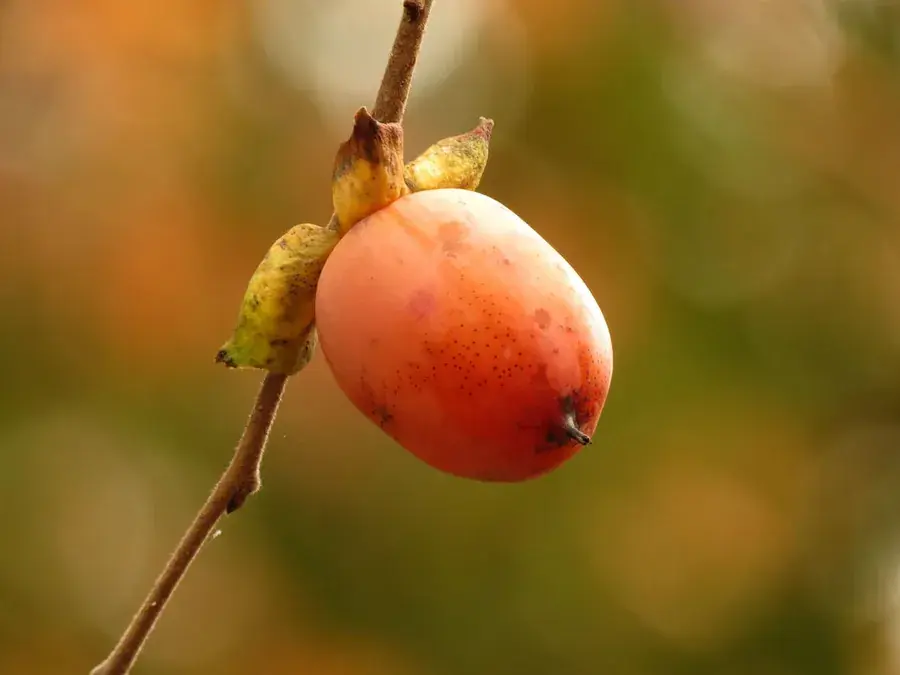 FruitOctober – November
American persimmon
Diospyros virginiana
Blocky alligator-hide bark; orange fruit the size of a plum, only ripe when it is wrinkled, squishy and usually on the ground.
How to know it & its look-alikes →Photo: Katja Schulz · CC BY 4.0
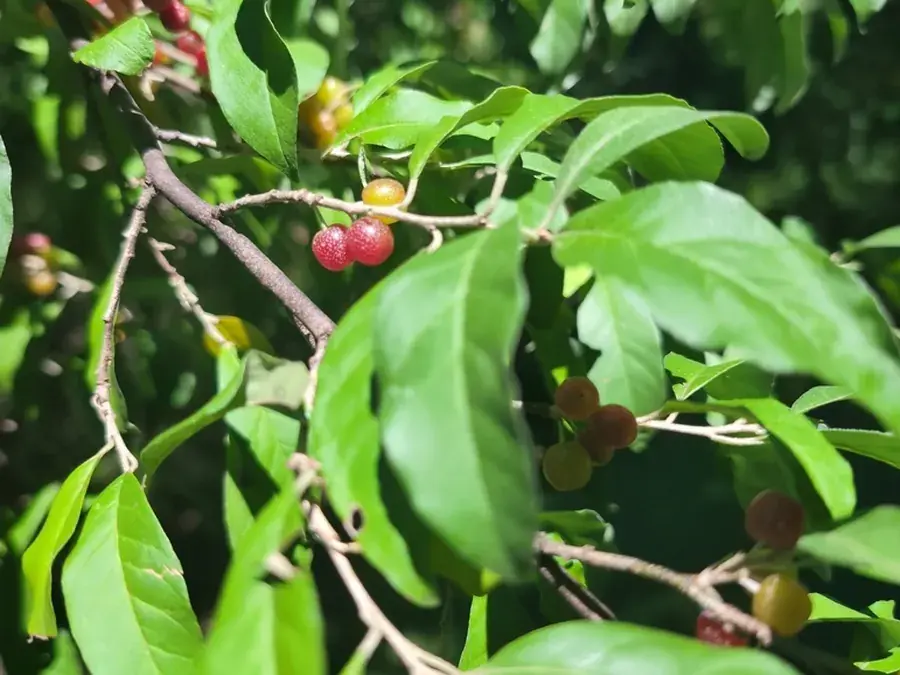 BerrySeptember – October
Autumn olive
Elaeagnus umbellata
A sprawling thorny shrub whose leaves flash silver underneath; in autumn it is weighed down with small red berries finely speckled with silver and brown scales, each with one soft seed.
How to know it & its look-alikes →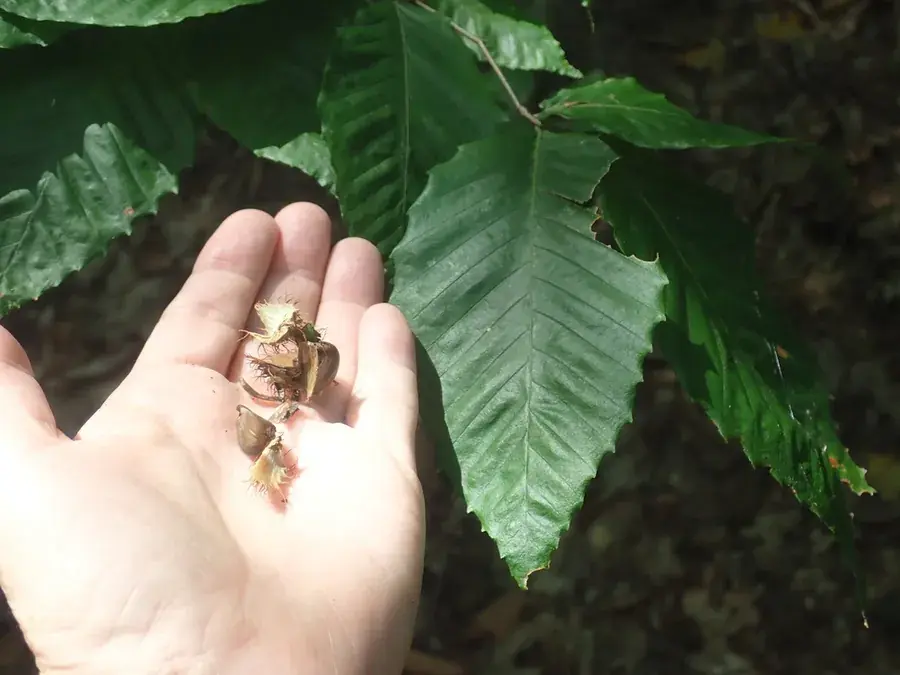 NutSeptember – October
Beechnuts
Fagus grandifolia
Smooth, pale grey bark on a tall tree; long, sharp, cigar-shaped buds; oval leaves with coarse teeth and straight parallel veins, many held, bleached, through winter. The nuts are small, three-sided and come two to a soft-bristled husk that splits into four.
How to know it & its look-alikes →
Checked against these sources ·
- Ontario weed identification guide: Wild carrot
- Minnesota Wildflowers: Queen Anne’s lace
- Iowa State University Extension: Wild carrot
- Cornell Weed ID: Poison hemlock
- USDA Forest Service: Water hemlock (Cicuta maculata)
- Minnesota Wildflowers: Fool’s parsley
Seasons are typical for the middle of the range and move by weeks north and south, and up and down hills.
Educational information only. Never eat a wild plant or mushroom identified from a single photograph or description — confirm with a regional field guide or an experienced forager, and know the poisonous species in your area first.