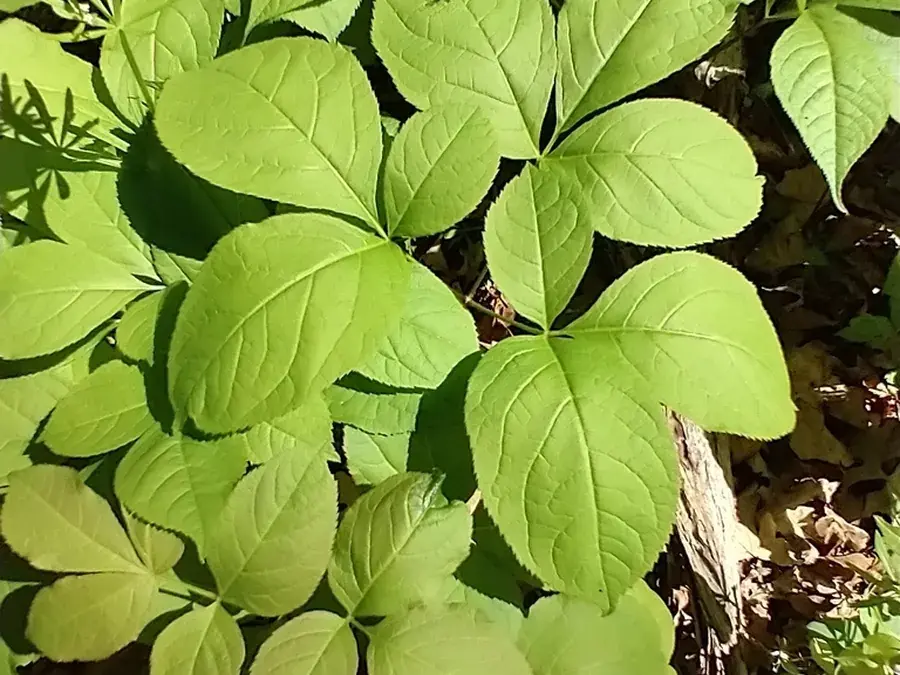
Photo by Tom Norton on iNaturalist · CC BY 4.0
RootIn season now (October)
Wild sarsaparilla
Aralia nudicaulis
- When
- Typically April – May, September – October — April, May, September, October. Earlier in the south, later in the north.
- Where it grows
- Dry to moist woods — under pine, aspen, maple and spruce — where it carpets the floor in large colonies 20–50 cm (8–20 in) tall.
- How to know it
- One leaf stalk rising from the ground and splitting into three branches, each with 3–5 finely toothed oval leaflets, so it looks like three leaves on one stem; a separate, shorter, leafless stalk underneath carries usually three round clusters of greenish-white flowers in May–June, then blue-black berries.
- Look-alikes
- Poison ivy seedlings share the spring woods: each poison ivy leaf has three leaflets with coarse, irregular teeth or lobes, and the plant climbs or sprawls; sarsaparilla’s single stalk splits into three branches of 3–5 finely serrated leaflets and never climbs. Spikenard (Aralia racemosa) is a taller leafy plant with berries in a long plume; bristly sarsaparilla has a bristly woody base. Neither is dangerous.
- Harvest and use
- The long, aromatic horizontal rhizome, traditionally simmered for a root-beer-flavoured drink or tea. Dig a short length from a big colony, wash, chop and simmer; leave the rest to regrow. The berries are not eaten.
- Caution
- The berries are reported to make people ill and are left for the birds. Do not confuse the rhizome with American ginseng, which grows in the same rich woods and is protected across its range.
Wild sarsaparilla at a glance
- Also called
- Rabbit root, salsepareille or aralie à tige nue (Quebec). Not the tropical sarsaparilla (Smilax) of old soda-fountain syrups, for which it was a northern substitute.
- Family
- Araliaceae, the ginseng family (which also includes American ginseng, spikenard, devil’s club and English ivy).
- Where it grows
- Native and common in forest across Canada from Newfoundland to British Columbia, north to the southern Northwest Territories and Yukon, and through the northern United States — New England, New York, the Great Lakes states, the Black Hills, the northern Rockies to Colorado, and down the Appalachians to North Carolina. One of the most abundant woodland wildflowers of the boreal forest and Shield. Absent from the south, the plains proper and the Pacific coast south of British Columbia.
- When to pick
- Rhizomes in spring (April–May, as the leaves unfold copper-coloured) or in fall (September–October, as they yellow), when the plant is easiest to find and the roots are full. Flowers come in May–June and the blue-black berries in July–August. Dig from colonies large enough that a metre of rhizome will not be missed.
- Parts used
- The long, horizontal, aromatic rhizome, which runs just under the leaf litter and connects the colony. Dig a 30–60 cm (1–2 ft) length, wash, chop and simmer for tea or a root-beer-flavoured syrup; dried, it keeps for winter. The young spring shoots have been eaten cooked in some traditions. Leaves and berries are not eaten.
- Is any of it poisonous?
- The berries are left alone: Minnesota Wildflowers notes they may cause sickness, and the University of Alberta’s collections record them as inedible raw and as making most people ill even in jelly. Birds, foxes and chipmunks eat them. The rhizome is a flavouring and a traditional tea, not a food to eat in quantity; no particular toxicity is recorded, but this guide makes no claims about its effects.
- More look-alikes to know
- American ginseng (Panax quinquefolius): the same family and the same rich woods, with a single stem topped by a whorl of 3–5 palmate leaves (leaflets spreading from one point like fingers), a single ball of greenish flowers above the leaves and red berries. It is protected or regulated across its range and heavily poached; do not dig anything with palmate leaves and a flower stalk above them. Dwarf ginseng (Panax trifolius): tiny, with a white flower ball and yellow berries. Jack-in-the-pulpit: one or two leaves of three leaflets, a hooded flower, red berries and a corm full of calcium oxalate — not a sarsaparilla and not food. Young ash or hickory seedlings: woody, with true buds.
Questions people ask about wild sarsaparilla
How do you identify wild sarsaparilla?
One leaf stalk rising straight from the ground and dividing at about 20–40 cm (8–16 in) into three branches, each carrying 3–5 finely toothed, oval, pointed leaflets, so the plant looks like three compound leaves on a single stem. Underneath it, a separate shorter stalk with no leaves carries usually three round clusters of tiny greenish-white flowers in May–June, then blue-black berries. The flower stalk below the leaf is the giveaway.
Does wild sarsaparilla look like poison ivy?
In early spring, before the leaflets expand, yes — both show glossy reddish new leaves in threes. Poison ivy’s leaves have three leaflets each, often coarsely toothed or lobed and uneven, on a plant that climbs, sprawls or stands as a small shrub; sarsaparilla’s one stalk splits into three branches of 3–5 finely serrated leaflets and never climbs. Minnesota Wildflowers makes the same distinction. When in doubt, touch nothing with three leaflets.
Can you eat wild sarsaparilla berries?
No. They are reported to make people ill, and no reliable source treats them as food. Leave them for the thrushes and chipmunks. The part people use is the rhizome, for flavour.
What was wild sarsaparilla used for?
Its rhizome has a sweet, aromatic, slightly liquorice taste and was simmered into tea and used as a northern substitute for tropical sarsaparilla and sassafras in home-made root beer; Go Botany and Illinois Wildflowers both record that use. Many First Nations prepared the root as a beverage and as a traditional remedy. This guide describes those uses as tradition and makes no claims about effects.
How do you tell wild sarsaparilla from spikenard and bristly sarsaparilla?
Spikenard (Aralia racemosa) is a big, bushy plant 1–2 m (3–6 ft) tall with a dark, branching leafy stem, 9–21 leaflets per leaf division and purple berries in a long, drooping plume. Bristly sarsaparilla (Aralia hispida) has a bristly, woody base, leaves up the stem, several flower clusters at the top, and grows in sandy, open ground. Neither is dangerous; both are related plants with their own traditions.
Is wild sarsaparilla safe for children?
The tea is a mild, old-fashioned drink that children can taste, and the plant itself does no harm to handle. The berries are the thing to warn about — dark, shiny and tempting in July and August, and they can make a child sick. Teach that woodland berries are checked with an adult first.
Found in these regions
- Boreal Forest & Shield
- Acadian Forest & Atlantic Coast
- Great Lakes & St. Lawrence Lowlands
- Northeast Atlantic Coast & Piedmont
- Appalachian Highlands
- Central Hardwoods & Interior Plateaus
- Western Mountains & Interior Plateaus
- Pacific Maritime
Hardiness zones 2–7.
Is it ready near you?
Get this week's foraging guide for your area
Enter a town, postal code or ZIP and we'll tell you what's in season right there this week — from your local climate, this week's weather and your ecological region.
Also ready in October
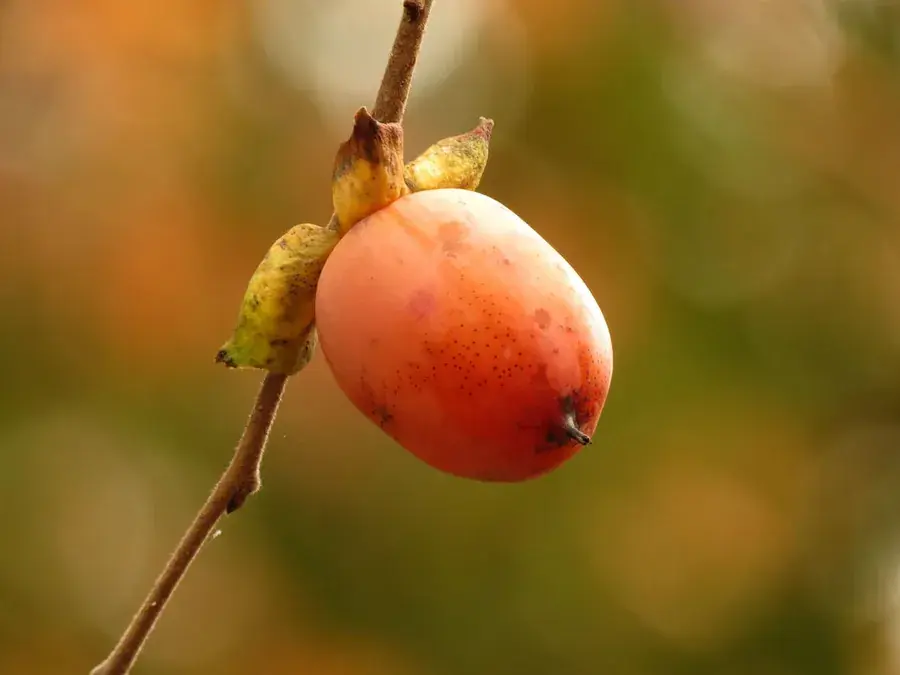 FruitOctober – November
American persimmon
Diospyros virginiana
Blocky alligator-hide bark; orange fruit the size of a plum, only ripe when it is wrinkled, squishy and usually on the ground.
How to know it & its look-alikes →Photo: Katja Schulz · CC BY 4.0
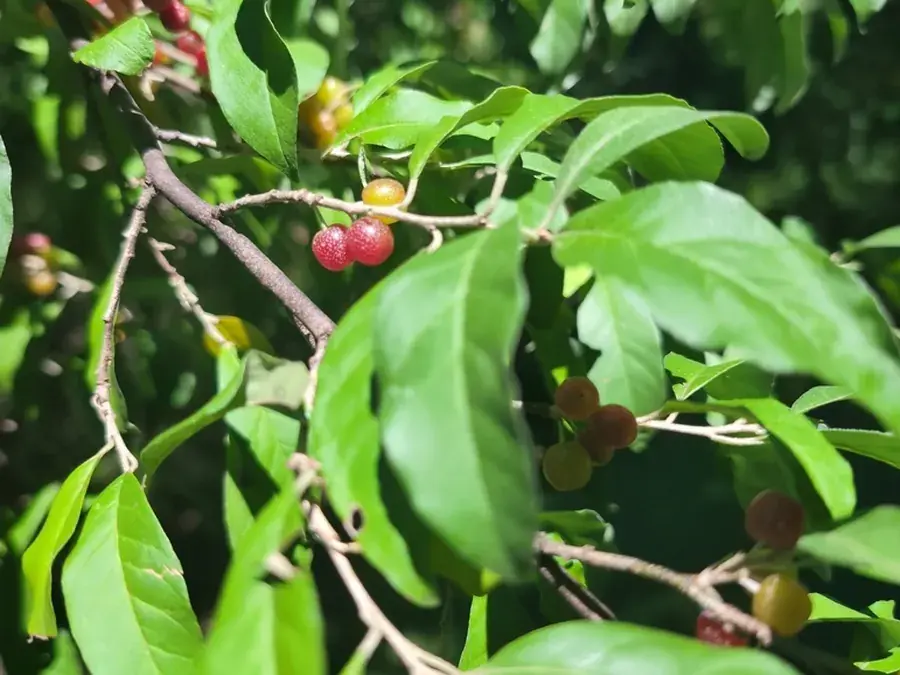 BerrySeptember – October
Autumn olive
Elaeagnus umbellata
A sprawling thorny shrub whose leaves flash silver underneath; in autumn it is weighed down with small red berries finely speckled with silver and brown scales, each with one soft seed.
How to know it & its look-alikes →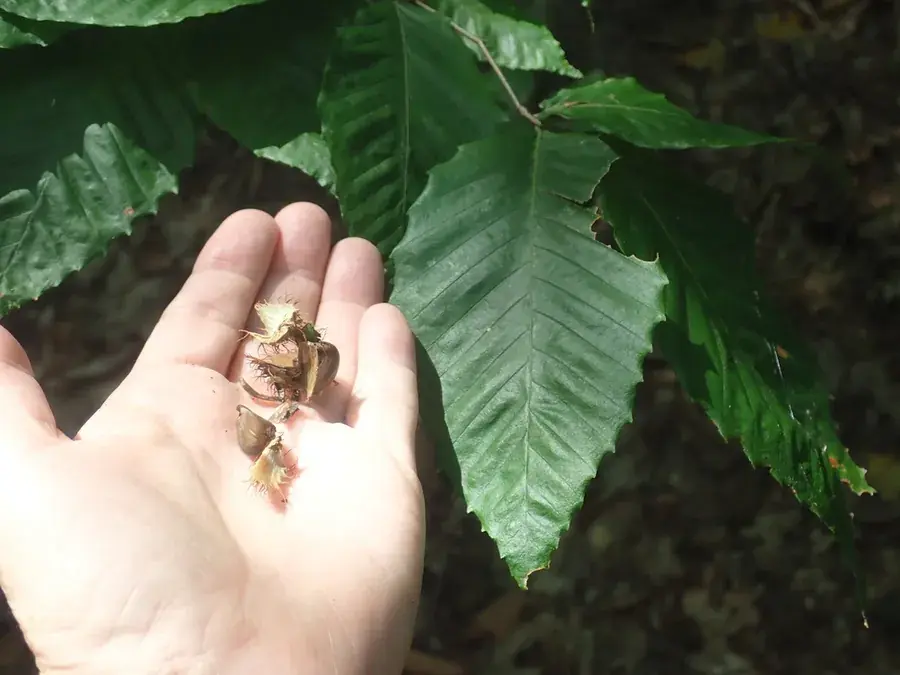 NutSeptember – October
Beechnuts
Fagus grandifolia
Smooth, pale grey bark on a tall tree; long, sharp, cigar-shaped buds; oval leaves with coarse teeth and straight parallel veins, many held, bleached, through winter. The nuts are small, three-sided and come two to a soft-bristled husk that splits into four.
How to know it & its look-alikes →
Checked against these sources ·
- Minnesota Wildflowers: Wild sarsaparilla
- Illinois Wildflowers: Wild sarsaparilla
- Go Botany (Native Plant Trust): Aralia nudicaulis
- University of Alberta Museums: Aralia nudicaulis (wild sarsaparilla)
- Manitoba Agriculture: Wild sarsaparilla
- VASCAN (Database of Vascular Plants of Canada): Aralia nudicaulis
Seasons are typical for the middle of the range and move by weeks north and south, and up and down hills.
Educational information only. Never eat a wild plant or mushroom identified from a single photograph or description — confirm with a regional field guide or an experienced forager, and know the poisonous species in your area first.