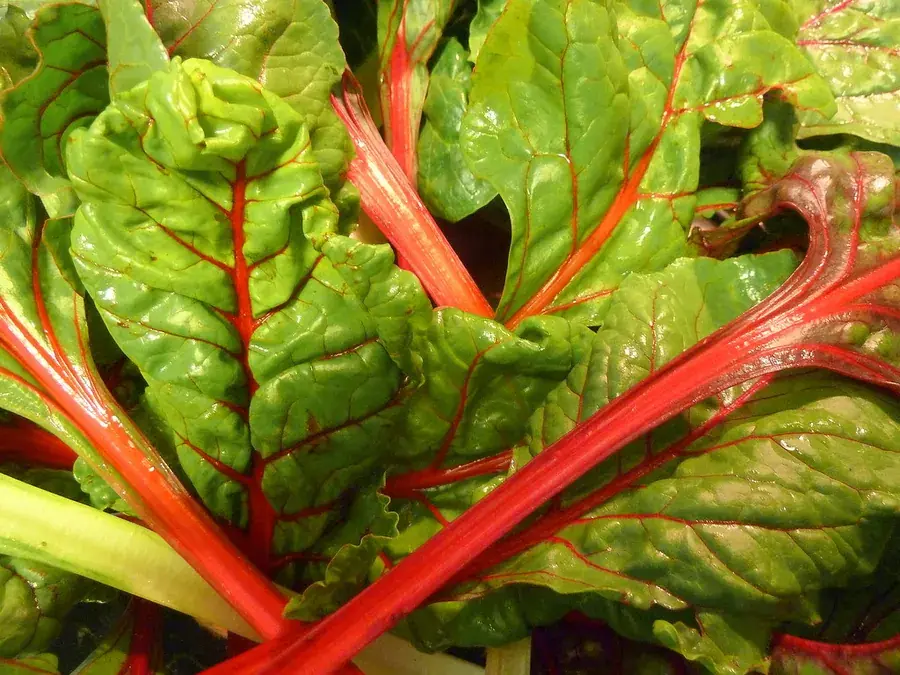
Swiss chard
Beta vulgaris
A beet grown for its leaves — cut it and it comes again from May until a hard frost.
- Ready when
- Outer leaves 20–30 cm (8–12 in) long with a glossy, crisp stalk; baby leaves at 8 cm for salad. There is no ‘mature’ date — a chard plant is ready from six weeks after sowing until frost. Leaves that have gone dull and leathery are past it; pull them off and compost them so the plant puts its effort into new growth.
- How to pick
- Cut or twist off the outer stalks at the base, 2–3 cm above the crown, and leave the inner four or five leaves standing. Pick a third of the plant at a time at most. For a fresh start on a tired plant, cut the whole thing 5 cm above the soil; it regrows in two or three weeks. Chard is in the same family as beets and spinach and tastes like both.
- On a frost night
- Leave it for a light frost: chard takes −1 to −2 °C with nothing worse than a few limp outer leaves, and keeps growing through October until nights reach about −4 °C. If the forecast says −3 °C or colder, pick the big leaves that evening and cover the crowns with a sheet or row cover; the small leaves at the centre will usually survive and give you another cutting. A hard freeze finishes the tops, but a mulched crown often sends up new leaves in April.
Where it keeps
Storing swiss chard
| Where | Temperature | Humidity | Keeps | How |
|---|---|---|---|---|
| Fridge crisper | 0–4 °C32–39 °F | high | 1–2 weeks | Unwashed, stalks on, in a perforated bag. It wilts within hours in dry air. |
| In the garden under a row cover | -3–10 °C27–50 °F | high | Into November in zones 5–6 | A hoop cover or old sheet over the row on cold nights; pick on mild days. |
| Cold room | 0–2 °C32–36 °F | high | About 2 weeks | Stood in a jar of water like flowers, or loose in a damp cloth. |
Putting it up
What to do with too many swiss chard
Chard freezes well if you treat the leaves and stalks as two vegetables: strip the leaves, blanch them 2 minutes, squeeze and freeze in pucks for soup, pies and pasta; chop the stalks and blanch them separately, since they take longer to soften. The stalks also make a good refrigerator pickle in a tested vinegar brine. What does not work is freezing it raw — it goes slimy and bitter — or drying it, which leaves you with dust. Greens can be pressure-canned by the NCHFP recipe (70 minutes for 500 ml jars at 10 lb), but the texture is poor and the freezer is better.
Saving seed
A biennial — flowers in its second year
Chard is the same species as the beet and crosses freely with it: both are wind-pollinated and the pollen travels, so no beet or other chard may be flowering within 250 m (800 ft) in the seed year, and real purity wants 1.6 km. It is a biennial — no seed until the second summer. In zones 5–6 a heavily mulched plant often overwinters in place; elsewhere dig a few plants before a hard freeze, trim the leaves to 5 cm, store the roots in damp sand at 1–4 °C and replant in April. Save from at least five plants, better twenty. The seed stalk grows to 1.5 m; cut it when two-thirds of the seed clusters are brown, dry it on a sheet for two weeks, and strip the clusters by hand. Each ‘seed’ is a cluster of two to five true seeds, which is why chard always needs thinning.
Keeps: 4–5 years.
The seed-saving guide →Next year
Planning swiss chard for next season
Rotate with beets and spinach (the goosefoot family): not where any of them grew last year. Chard wants full sun to light shade, soil with compost worked in, and water through dry spells — it is tough but turns bitter when parched. Direct sow 2–4 weeks before the last frost, 1–2 cm deep, when the soil is 10 °C, and thin to 20–30 cm (8–12 in) apart, eating the thinnings. One sowing lasts the year; a second in mid-July gives tender leaves for the fall. In zones 3–4 start a few plants indoors 4 weeks before the frost date for an earlier first cutting. Six plants feed a family.
Swiss chard at a glance
- Botanical name
- Beta vulgaris
- Group
- Leafy greens
- Picked
- June, July, August, September, October
- Frost
- Half-hardy: scorched by a light frost, killed at −3 °c.
- Best put up as
- freezing, pickling
- Seed
- A biennial — flowers in its second year
Questions people ask about swiss chard
Is Swiss chard frost hardy?
Partly. It takes light frosts of −1 to −2 °C and keeps growing through October until the nights reach about −4 °C; a hard freeze blackens the leaves. Cover the row with a sheet or row cover when −3 °C is forecast and you will get several more weeks. The crown often survives winter under mulch in zones 5 and up and regrows in spring, but it will bolt to seed by June.
How do I harvest chard so it keeps producing?
Take the outer leaves and leave the centre. Twist or cut each stalk off near the base, never more than a third of the plant at once, and leave at least four young leaves standing. Picked that way a plant produces from June to the first hard frost. If it gets tired or bolts, cut it off 5 cm above the soil and it will regrow.
Can you freeze Swiss chard?
Yes. Separate leaves from stalks. Blanch the leaves 2 minutes in boiling water, cool in ice water, squeeze dry and freeze in pucks or flat bags; blanch chopped stalks separately a little longer. Frozen chard is for cooked dishes. Raw-frozen chard turns slimy and bitter, so always blanch.
Why do chard seeds come up in clumps?
Because each ‘seed’ is really a dried fruit cluster holding two to five seeds, the same as beets. Sow them 5 cm apart, then thin the clumps to one plant at 20–30 cm spacing once they have two true leaves. The thinnings are good in salad.
Can I save chard seed?
Yes, but it takes two years and some space. Chard is a biennial and crosses with beets, so overwinter the plants (mulched in the ground in zone 5 and up, or dug and stored in damp sand at 1–4 °C) and let them flower the next summer with no beets or other chard flowering within 250 m. Cut the stalks when two-thirds of the seed is brown. The seed keeps 4–5 years.
Can kids eat chard straight from the garden?
Yes — rinsed, the young leaves are mild and the stalks are crunchy. Rainbow chard is the one to grow with children: red, yellow, orange and pink stems in one packet, and they can pick ‘a leaf of each colour’. Young leaves are good raw in a salad; the bigger leaves are better cooked.
Your own frost dates
When does this come in where you are?
Enter a town, postal code or ZIP and the garden year, the frost watch and this week’s guide are built from your own weather.
Also in leafy greens
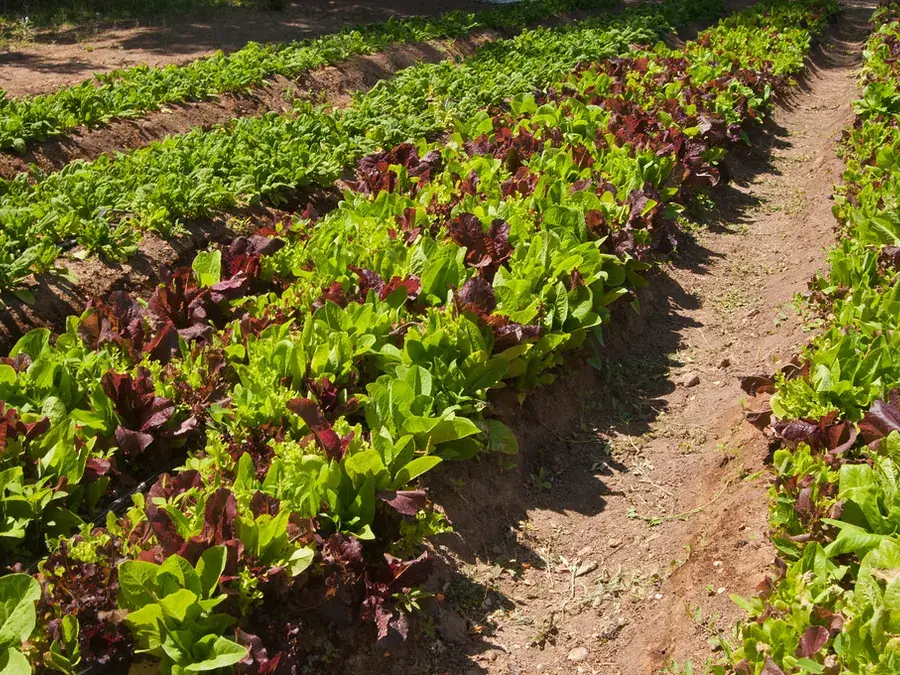 Half-hardyLeafy greensPicked May–Oct
Lettuce
Eat it the week it is ready — it is the one crop that cannot be put up for winter.
Eat it freshPick, store, put up →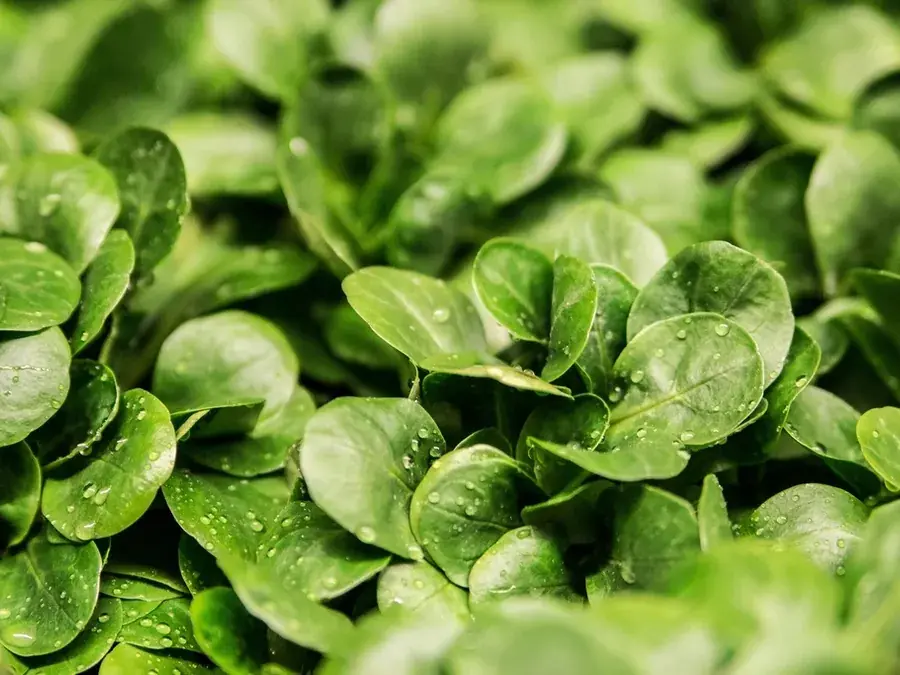 Very hardyLeafy greensPicked Apr–Nov
Spinach
The hardiest green there is: sown in September, picked in April, and the first thing in the freezer in June.
FreezingPick, store, put up →
Checked against these sources ·
- NCHFP: Freezing greens, including spinach
- University of Wisconsin Horticulture: Swiss chard
- University of Maryland Extension: Growing Swiss chard in a home garden
- Seed Savers Exchange: Swiss chard growing and seed saving
Harvest months are typical for zones 4–6 and move by weeks north and south. Storage figures are for the ideal; a house without a cold room will get the shorter end of each range.