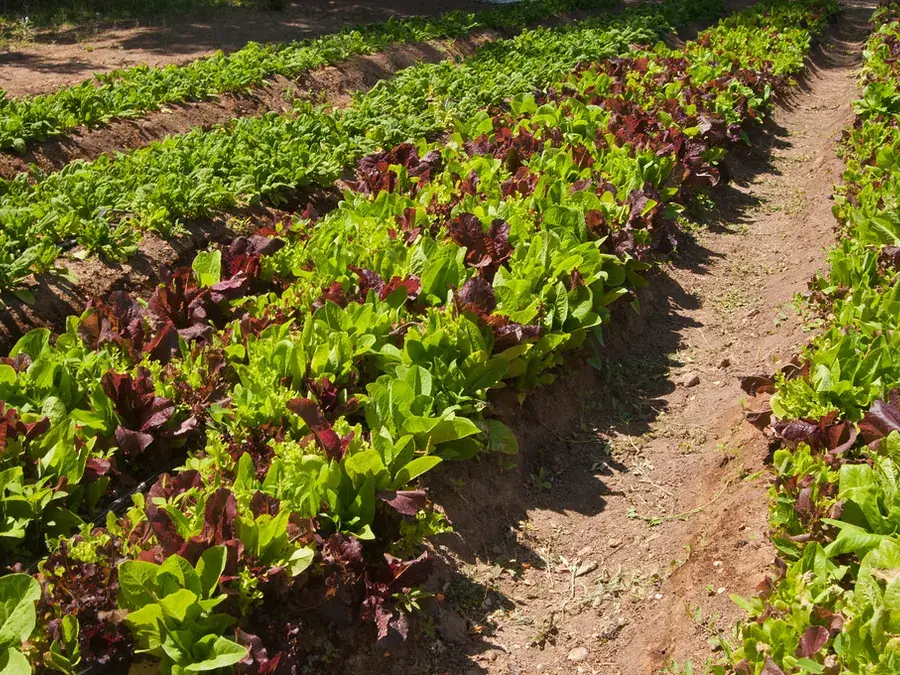
Lettuce
Lactuca sativa
Eat it the week it is ready — it is the one crop that cannot be put up for winter.
- Ready when
- Leaf lettuce from 10–15 cm (4–6 in) tall; butterhead when the centre leaves cup inward into a loose heart; romaine when the head is 20–25 cm tall and firm; crisphead when the head is compact and firm to a squeeze. Pick in the cool of the morning, when the leaves are full of water. A plant that has stretched upward with a tall central stalk and leaves that taste bitter has bolted; pull it or let it go to seed.
- How to pick
- Three ways. Take the outer leaves from leaf and romaine types a few at a time and the plant keeps going for weeks. Cut a whole bed of leaf lettuce 2–3 cm above the crown with scissors — ‘cut and come again’ — and it regrows twice. Or cut a whole head at the base. Harvest in the morning and get it into cold water and the fridge within the hour; lettuce picked at noon never crisps up.
- On a frost night
- Lettuce takes a light frost of −1 to −2 °C with a few translucent outer leaves and nothing worse, especially leaf and butterhead types; a sheet or row cover over the bed on those nights keeps it perfect. At −3 to −4 °C mature heads freeze through and collapse into slime when they thaw, so if that is forecast, cut every head that is near ready and eat or give away through the week. Small seedlings sown in September are tougher than full heads and will stand −5 °C under a cover.
Where it keeps
Storing lettuce
| Where | Temperature | Humidity | Keeps | How |
|---|---|---|---|---|
| Fridge crisper | 0–4 °C32–39 °F | high | Leaf and butterhead about 1 week; crisphead up to 2 weeks | Whole heads unwashed in a perforated bag; washed leaves spun dry and rolled in a towel inside a bag. Away from apples and tomatoes, whose ethylene browns the ribs. |
| In the garden under a row cover | -2–15 °C28–59 °F | high | Into late October and November in zones 5–6 | A hoop cover or cold frame over the fall sowing; pick on mild days. |
Putting it up
What to do with too many lettuce
Lettuce does not preserve, and no tested method pretends otherwise. Frozen, its thin cell walls burst and it thaws to green water; canned or pickled it is slime; dried it is dust. The honest answer to a glut is to eat it, give it away, and stop sowing a whole packet at once — sow a short row every two or three weeks instead. The only ‘preserving’ that works is stretching the season: a cold frame or row cover over September-sown lettuce gives salads into November, and a sowing of a hardy variety under cover in late September or October overwinters as small plants in zones 5 and up for the first salad of April. Bolted lettuce is good for one thing — seed.
Saving seed
Easy to save — comes true
Lettuce is self-pollinating and comes true from any open-pollinated variety (which is most of them), with 3–6 m (10–20 ft) between varieties enough to keep them pure. Let one or two of your best, slowest-to-bolt plants go: the stalk shoots up to a metre in July, opens dozens of small yellow flowers, and 2–3 weeks after each flower a tuft of white fluff appears — the seed is ripe under it. Shake or bend the plant into a paper bag every few days for a couple of weeks, or cut the whole top when most tufts show and dry it upside down in a bag indoors. Rub the fluff between your hands and blow the chaff away. One plant gives more seed than a family uses in five years.
Keeps: Up to 6 years stored cool and dry; count on 3.
The seed-saving guide →Next year
Planning lettuce for next season
Lettuce has no serious rotation needs — just not the same spot three years running. It wants loose, fertile soil with compost, steady water, and shade from the afternoon sun in July. Direct sow as soon as the soil can be worked, 4–6 weeks before the last frost, and every 2–3 weeks after that until the heat of July; start the first batch indoors 5 weeks before the frost date to transplant for an early cutting. Seed will not germinate in soil above about 27 °C, so midsummer sowings go in the shade or in trays indoors. Sow again from mid-August for the fall, and a hardy variety under cover in late September to overwinter. Thin leaf types to 10–20 cm, heads to 30 cm (12 in).
Lettuce at a glance
- Botanical name
- Lactuca sativa
- Group
- Leafy greens
- Picked
- May, June, July, August, September, October
- Frost
- Half-hardy: scorched by a light frost, killed at −3 °c.
- Best put up as
- eaten fresh
- Seed
- Easy to save — comes true
Questions people ask about lettuce
Can you freeze lettuce?
No. Lettuce is mostly water held in thin cell walls; freezing bursts them and it thaws to limp green mush. It cannot be canned, pickled or dried to any purpose either. Eat it fresh, give it away, and sow smaller amounts more often so it never piles up.
How long does lettuce keep in the fridge?
Crisphead about two weeks; leaf and butterhead up to three or four weeks if the leaves are dry when you bag them. Pick in the morning, dunk in cold water, spin or towel dry, and store in a perforated bag in the crisper, away from apples and tomatoes. A head stored wet rots in days.
Is lettuce frost hardy?
Half. It takes −1 to −2 °C with a few glassy outer leaves, and a sheet or row cover gets it through those nights untouched; at −3 to −4 °C full heads freeze and collapse. Small fall seedlings are hardier than mature heads and will overwinter under a cold frame in zones 5 and up.
Why is my lettuce bitter and tall?
It has bolted — sent up a flower stalk in response to heat and long days — and once that starts the leaves turn bitter and milky. Nothing reverses it. Pull it, or leave one plant to flower and save the seed. Next year sow in cool weather, water steadily, give midsummer sowings afternoon shade, and choose slow-bolting varieties.
How do I save lettuce seed?
Let a good plant bolt and flower; 2–3 weeks after the yellow flowers, tufts of white fluff appear and the seed under them is ripe. Shake the head into a paper bag every few days, or cut the top and dry it upside down in a bag. Rub and winnow. Lettuce self-pollinates, so it comes true, and the seed keeps up to six years.
What lettuce should I grow with kids?
A row of cut-and-come-again leaf lettuce — they can snip it with scissors 2 cm above the crown, it regrows in two weeks, and nothing in it is sharp or bitter when young. Let them sow it too; the seed is tiny but forgiving. Picking salad for supper with a four-year-old is as close to a sure thing as the garden offers.
Your own frost dates
When does this come in where you are?
Enter a town, postal code or ZIP and the garden year, the frost watch and this week’s guide are built from your own weather.
Also in leafy greens
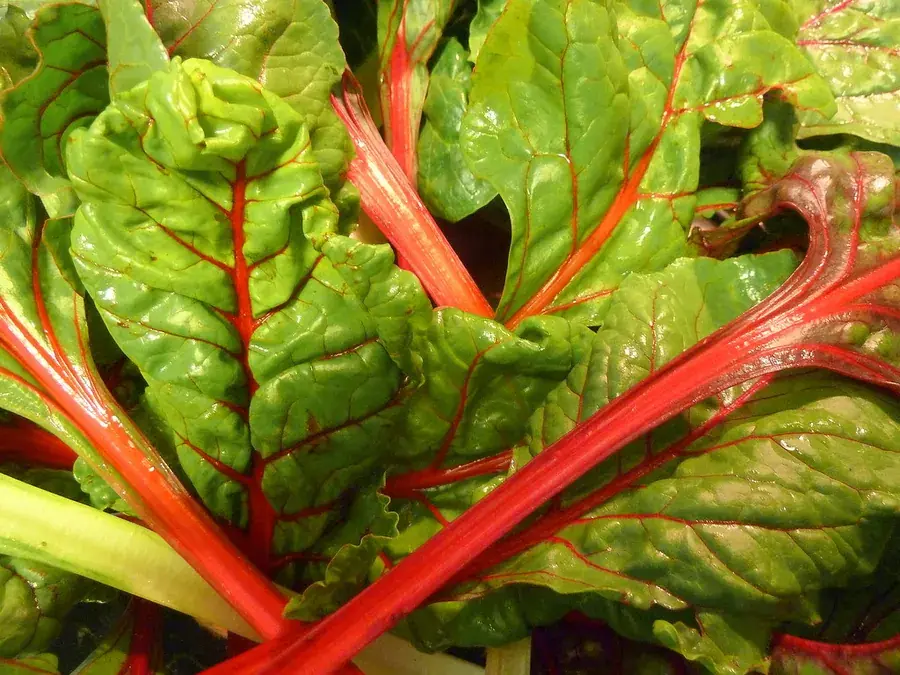 Half-hardyLeafy greensPicked Jun–Oct
Swiss chard
A beet grown for its leaves — cut it and it comes again from May until a hard frost.
Freezing · PicklingPick, store, put up →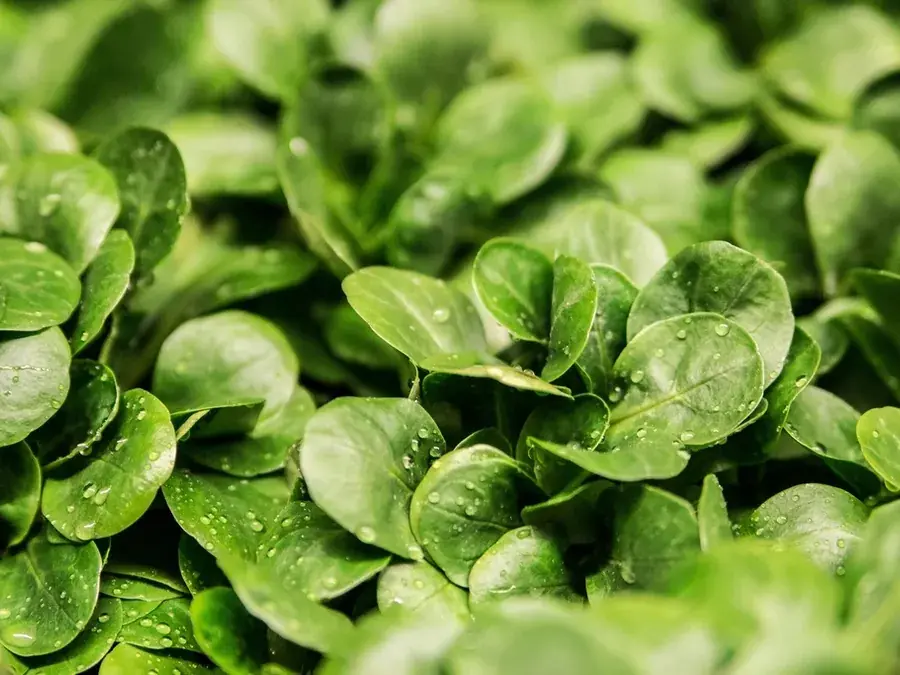 Very hardyLeafy greensPicked Apr–Nov
Spinach
The hardiest green there is: sown in September, picked in April, and the first thing in the freezer in June.
FreezingPick, store, put up →
Checked against these sources ·
- NCHFP: Fresh, not frozen — foods that do not freeze well
- University of Maryland Extension: Growing lettuce in a home garden
- Clemson Cooperative Extension: Lettuce
- Seed Savers Exchange: Lettuce growing and seed saving
Harvest months are typical for zones 4–6 and move by weeks north and south. Storage figures are for the ideal; a house without a cold room will get the shorter end of each range.