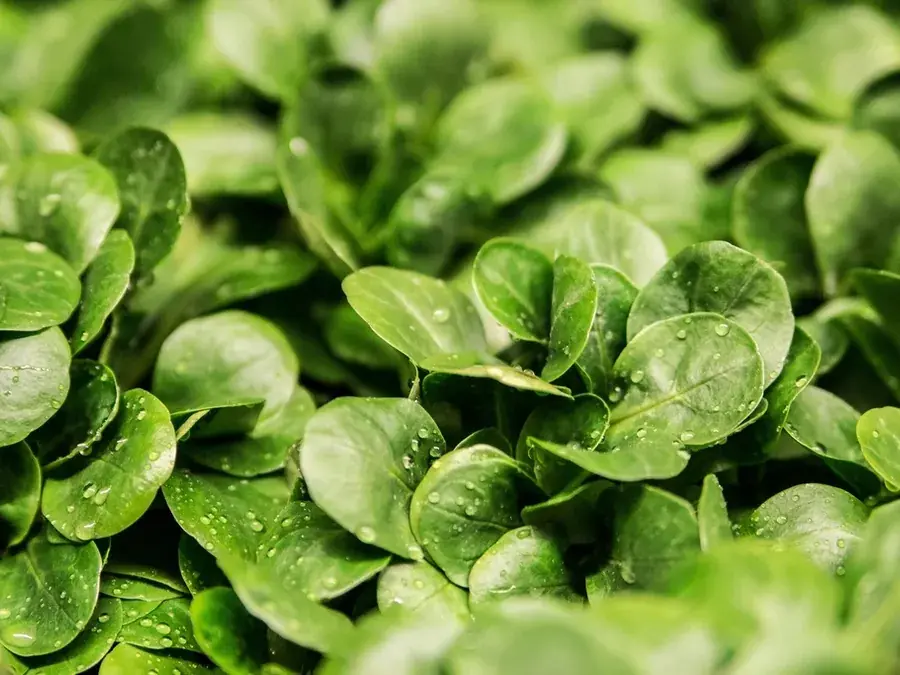
Photo Unknown photographer via Openverse · CC0 (public domain)
Spinach
Spinacia oleracea
The hardiest green there is: sown in September, picked in April, and the first thing in the freezer in June.
- Ready when
- Leaves 8–15 cm (3–6 in) long, dark green and thick; baby leaves at 5 cm for salad. Spring spinach is ready 5–6 weeks from sowing and must be picked before the plants stretch and bolt in June’s long days. Fall spinach grows slower and holds for weeks. A plant that has a thickening central stem and arrow-shaped leaves is bolting — cut the whole thing now.
- How to pick
- Take the outer leaves one by one, pinching the stems, and the plant keeps giving for several weeks; or cut the whole plant 2–3 cm above the crown and it regrows once or twice. Harvest in the morning, wash in two changes of cold water — spinach holds grit like nothing else — and chill at once. In spring pick hard; the first warm week brings bolting and no amount of water stops it.
- On a frost night
- Leave it. Spinach stands heavy frost — −6 to −8 °C does it no harm, and small plants under a row cover or snow survive −15 °C and worse and start growing again in March. Frost sweetens it. The only time to act is a sudden deep freeze on bare ground before the plants have hardened off, when a row cover or a layer of straw over the bed is worth five minutes. Pick thawed leaves, not frozen ones.
Where it keeps
Storing spinach
| Where | Temperature | Humidity | Keeps | How |
|---|---|---|---|---|
| Fridge crisper | 0–4 °C32–39 °F | high | 1–2 weeks | Unwashed, in a perforated bag, loosely packed; crushing bruises it. Wash just before use. |
| In the garden under a row cover or snow | -15–10 °C5–50 °F | high | All winter as small plants, for picking in March and April | Sow a hardy variety in September, let it reach 4–6 leaves, cover with a hoop and row cover or straw once the ground freezes. |
| Cold room | 0–2 °C32–36 °F | high | 2–3 weeks | Loose in an open bag, misted. |
Putting it up
What to do with too many spinach
Spinach is the easiest green to freeze and the one most worth it: a June glut becomes a winter of lasagne, pies and soups. Wash well, blanch 2 minutes, chill in ice water, squeeze out as much water as you can, and freeze in pucks or flat packs — a muffin tin gives handy portions. It does not freeze raw; unblanched leaves turn to a dark, bitter mass. The tested pressure-canning recipe for spinach and greens (steam-wilted, 70 minutes for 500 ml jars and 90 for litres at 10 lb) is safe but gives a soft grey product most people regret. Drying spinach produces flakes for soup and little else.
The fastest route and the one that keeps flavour best.
Saving seed
Crosses with its neighbours — needs isolation
Spinach seed is harder than it looks. The plants are dioecious — separate male and female plants — and wind-pollinated with light pollen that travels far, so you need a block of at least 10 plants (20–50 is better) with roughly half of them male, and no other spinach flowering within 250–800 m (800 ft to ½ mile). Let a spring sowing bolt in June: the males throw pollen first and then die back; keep them until the females have set seed along their stems. Pull the female plants when two-thirds of the seed is tan, hang them to dry for 10 days, strip the seed by hand (wear gloves — some varieties are prickly) and winnow. Most families with one short row are better off buying spinach seed and saving their effort for lettuce and peas.
Keeps: Up to 6 years stored cool and dry; count on 3.
The seed-saving guide →Next year
Planning spinach for next season
Rotate with beets and chard, its relatives: not where they grew last year. Spinach wants rich, moist soil, a neutral pH (it sulks in acid soil), and cool weather above all — long June days and heat make it bolt whatever you do. Direct sow 4–6 weeks before the last frost, as soon as the soil is thawed and about 7 °C, 1–2 cm deep, 7–8 cm (3 in) apart; sow again every two weeks until mid-May and stop. Sow the main fall crop in mid-August and a hardy variety (‘Bloomsdale’, ‘Giant Winter’) in mid-September to overwinter under cover for April. In zones 3–4 the fall sowing goes in early August and overwintering needs a cold frame.
Spinach at a glance
- Botanical name
- Spinacia oleracea
- Group
- Leafy greens
- Picked
- April, May, June, September, October, November
- Frost
- Very hardy: takes −8 °c and below; overwinters.
- Best put up as
- freezing
- Seed
- Crosses with its neighbours — needs isolation
Questions people ask about spinach
Is spinach frost hardy?
Extremely. Established plants take −6 to −8 °C without damage and taste sweeter for it; small plants under a row cover or snow survive −15 °C and resume growth in March. It is the best crop for a fall sowing in Canada: sow in mid-September, cover once the ground freezes, and pick in April before anything else is up.
Can you freeze spinach?
Yes — it is the best thing to do with it. Wash, blanch 2 minutes, plunge into ice water, squeeze hard, and freeze in pucks or flat packs. One kilogram of leaves becomes a few handfuls, so a June glut fits in a drawer. Frozen spinach is for cooking; do not freeze it raw, which turns it dark and bitter.
Why does my spinach bolt in June?
Long days and heat tell spinach to flower, and no amount of water stops it once the days pass about 14 hours. Sow it early — 4–6 weeks before the last frost — pick hard through May, and stop sowing by mid-May. The fall crop sown in August grows into shortening days and holds for weeks without bolting.
How do I overwinter spinach?
Sow a hardy variety in mid-September so the plants reach 4–6 leaves before hard frost. Once the ground freezes, cover the bed with a hoop and row cover, or straw, and leave it; snow is the best cover of all. In March uncover on mild days, and you will be picking by mid-April in zones 5–6. Zone 3–4 gardens need a cold frame.
Can I save spinach seed?
Yes, but it is one of the harder ones. Spinach has separate male and female plants and is wind-pollinated, so it needs a block of at least 10 plants and no other spinach flowering within several hundred metres. Let a spring sowing bolt, keep the males until the females have set seed, then pull the females when two-thirds of the seed is tan and hang them to dry. Seed keeps up to 6 years.
Can kids eat spinach from the garden?
Yes, rinsed well — spinach hides grit, so the job is two sinks of cold water, which they will enjoy. Baby leaves are mild and good raw; big leaves are better cooked. It is the easiest spring sowing for a child, with big seeds that come up in a week.
Your own frost dates
When does this come in where you are?
Enter a town, postal code or ZIP and the garden year, the frost watch and this week’s guide are built from your own weather.
Also in leafy greens
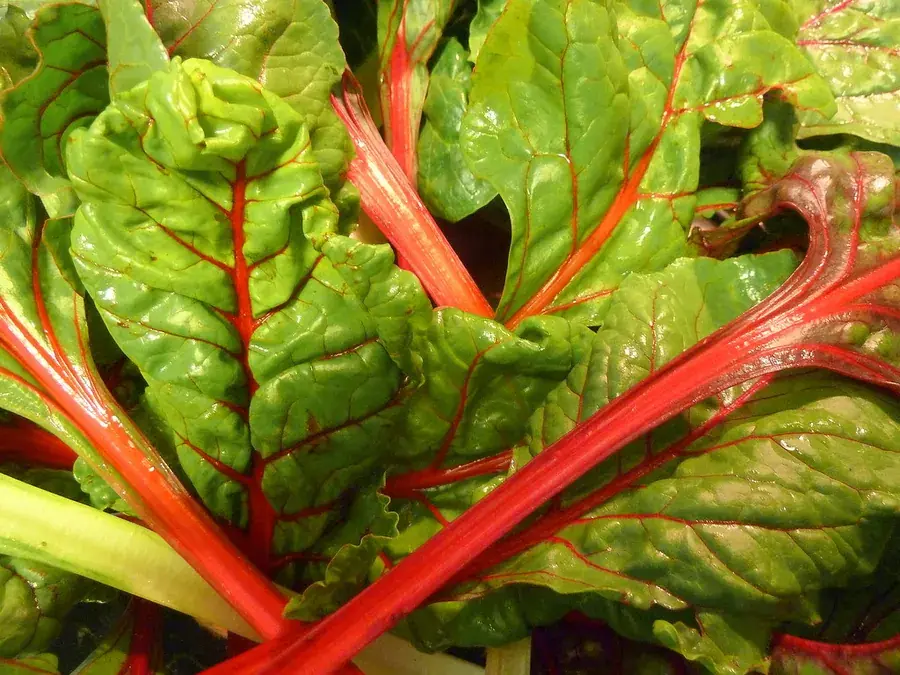 Half-hardyLeafy greensPicked Jun–Oct
Swiss chard
A beet grown for its leaves — cut it and it comes again from May until a hard frost.
Freezing · PicklingPick, store, put up →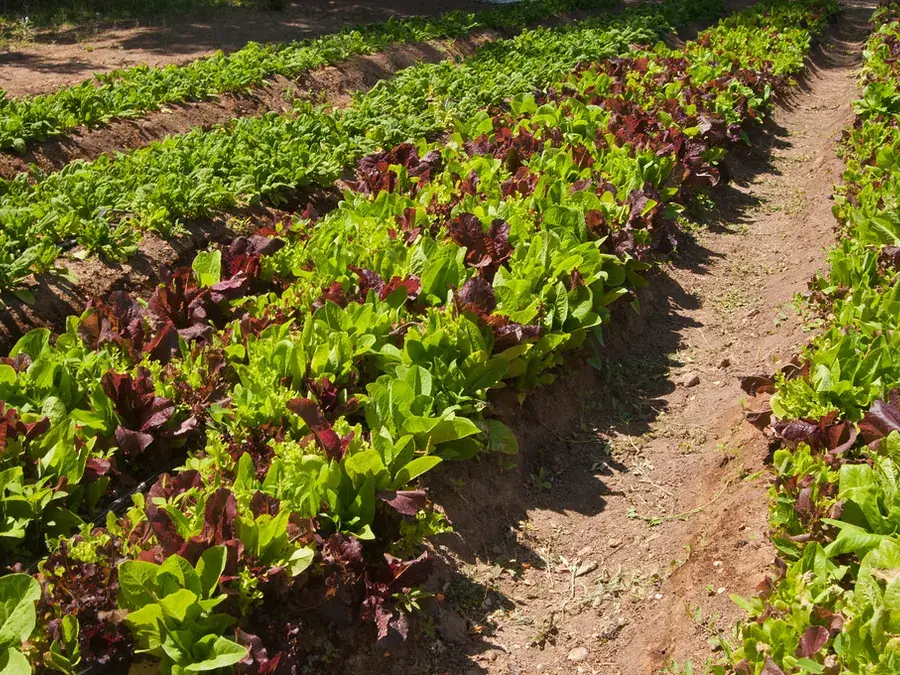 Half-hardyLeafy greensPicked May–Oct
Lettuce
Eat it the week it is ready — it is the one crop that cannot be put up for winter.
Eat it freshPick, store, put up →
Checked against these sources ·
- NCHFP: Freezing greens, including spinach
- NCHFP: Canning spinach and other greens
- University of Maryland Extension: Growing spinach in a home garden
- University of Wisconsin Master Gardener: Spinach
- Seed Savers Exchange: Spinach growing and seed saving
Harvest months are typical for zones 4–6 and move by weeks north and south. Storage figures are for the ideal; a house without a cold room will get the shorter end of each range.