The crops
What comes out of the garden, and what to do with it
41 crops, each with the signs it is ready, what a frost night does to it, where it keeps and for how long, the ways to put it up, and whether its seed is worth saving. In October that is the whole garden: pick, cure, store, jar, and plan.
The garden year · a typical zone-5 garden
Harvest and put up
The main crop comes in faster than it can be eaten. Jars, freezer, cold room.
The average first frost was this week ago. The tender crops are finished; roots, brassicas and storage crops carry on.
The ground usually freezes in about 6 weeks; garlic and bulbs go in before then.
Set your town and this redraws from your own frost dates.
This month
Coming in during October
Tender — pick before frost
 TenderPeas and beansPicked Sep–Oct
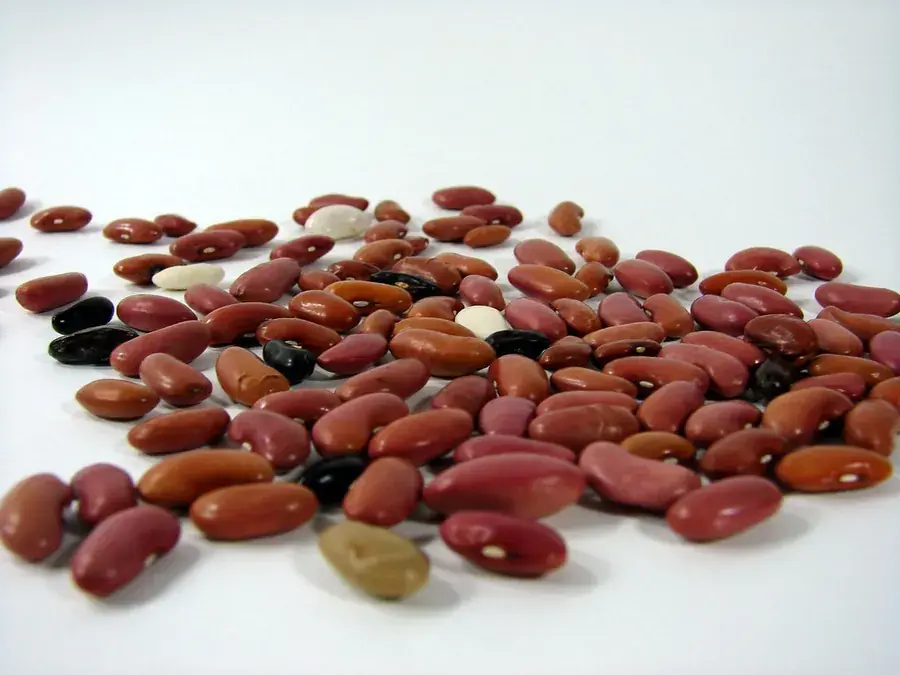
Dry beans
The crop that stores itself: leave the pods to rattle, shell them on the step, and eat them in February.
Drying · Pressure · FreezingPick, store, put up →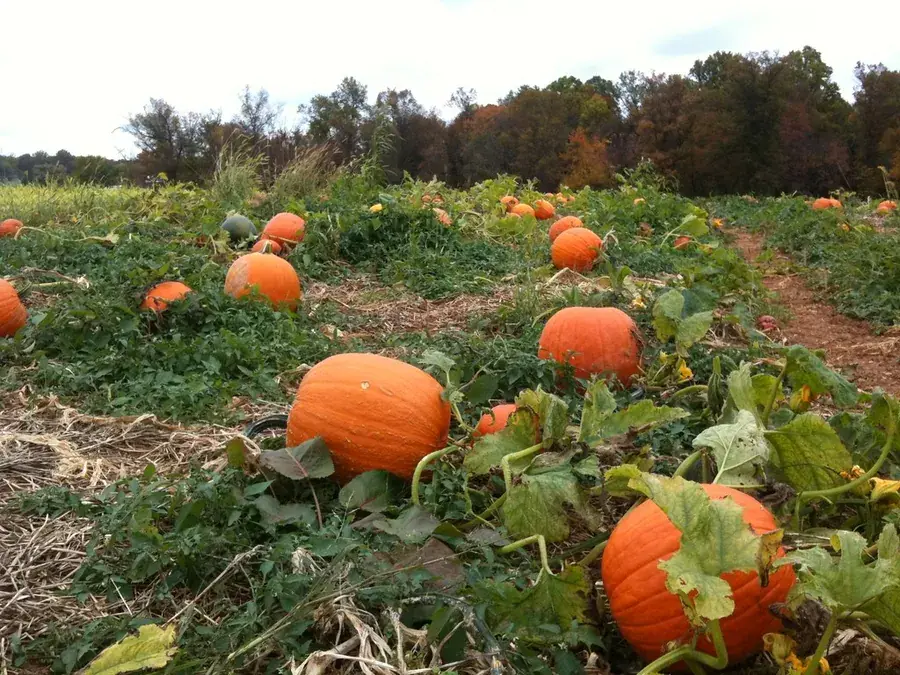 TenderSquash and pumpkinsPicked Sep–Oct
Pumpkins
One kind is for the porch and one is for the pie — and the seeds from both are for the oven.
Curing · Cold storage · FreezingPick, store, put up →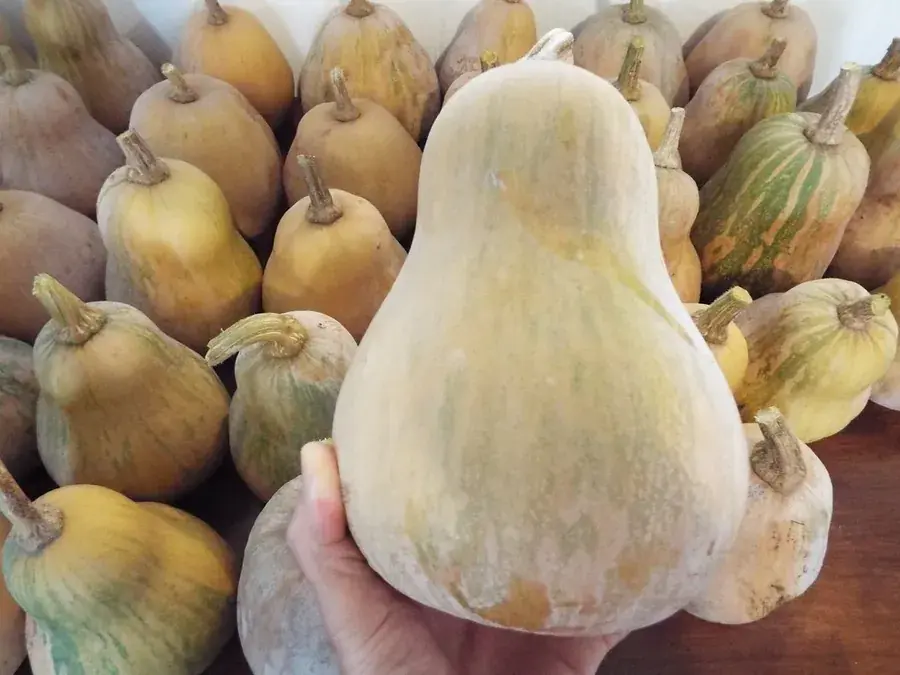 TenderSquash and pumpkinsPicked Sep–Oct
Winter squash
Cured for ten days and kept on a cool shelf, the September harvest feeds you until March.
Curing · Cold storage · FreezingPick, store, put up →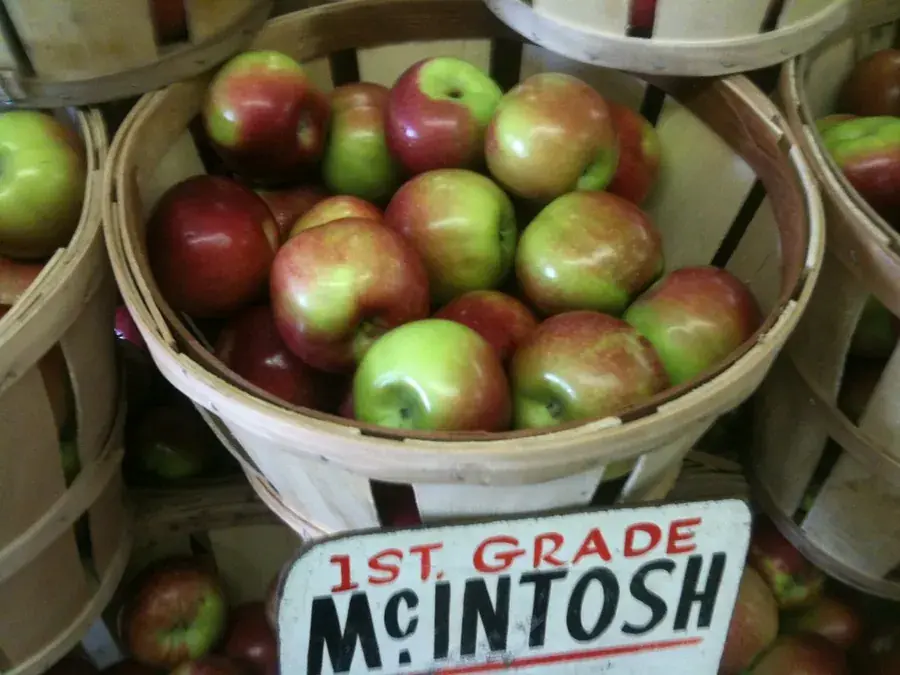 Half-hardyTree fruitPicked Aug–Oct
Apples
The one harvest that can feed a family until March — if you know which apples keep and which don’t.
Cold storage · Water-bath · FreezingPick, store, put up →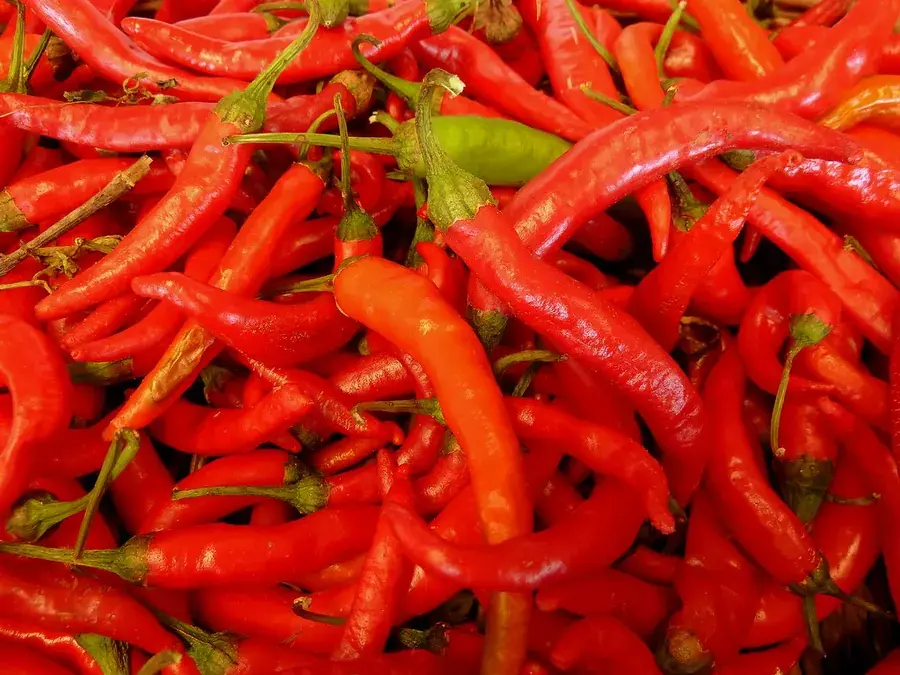 TenderFruiting vegetablesPicked Aug–Oct
Hot peppers
A handful of plants gives a year of heat — dried on a string, pickled in rings, or fermented into sauce.
Drying · Pickling · FermentingPick, store, put up →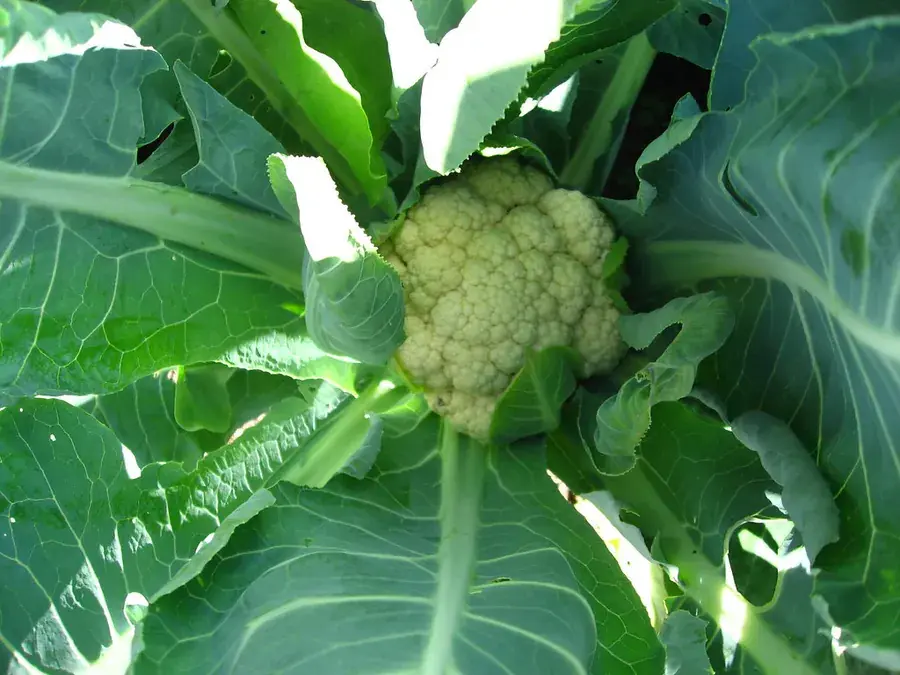 Half-hardyCabbages and kinPicked Jul–Oct
Cauliflower
The fussiest brassica: tie the leaves over the head, cut it while it is tight, and freeze what you cannot eat.
Freezing · PicklingPick, store, put up →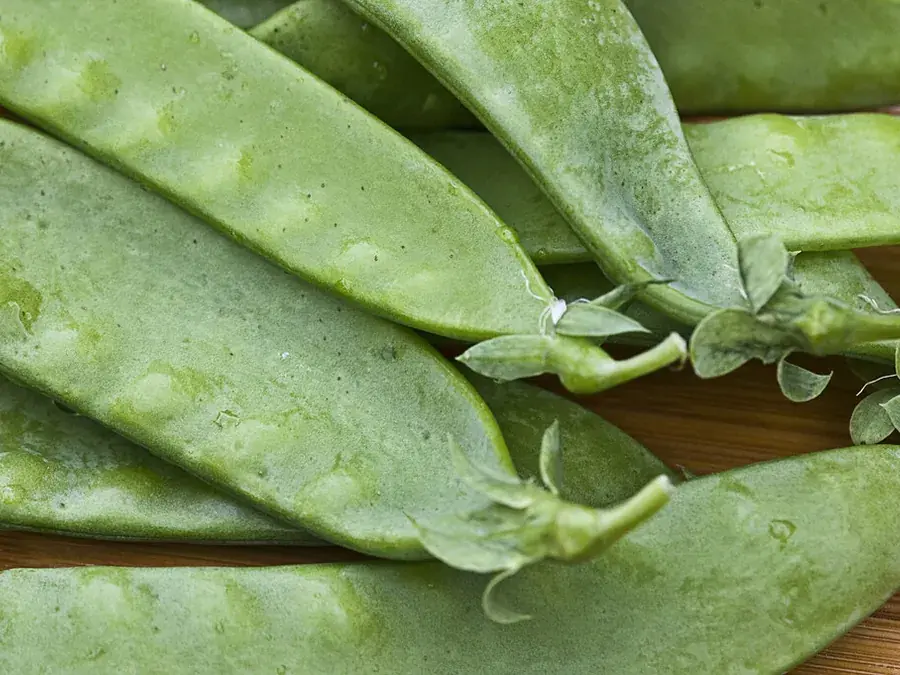 Half-hardyPeas and beansPicked Jun–Oct
Peas
The first sowing of the year and the first thing in the freezer — pick them every day or they turn to starch.
Freezing · Drying · PressurePick, store, put up →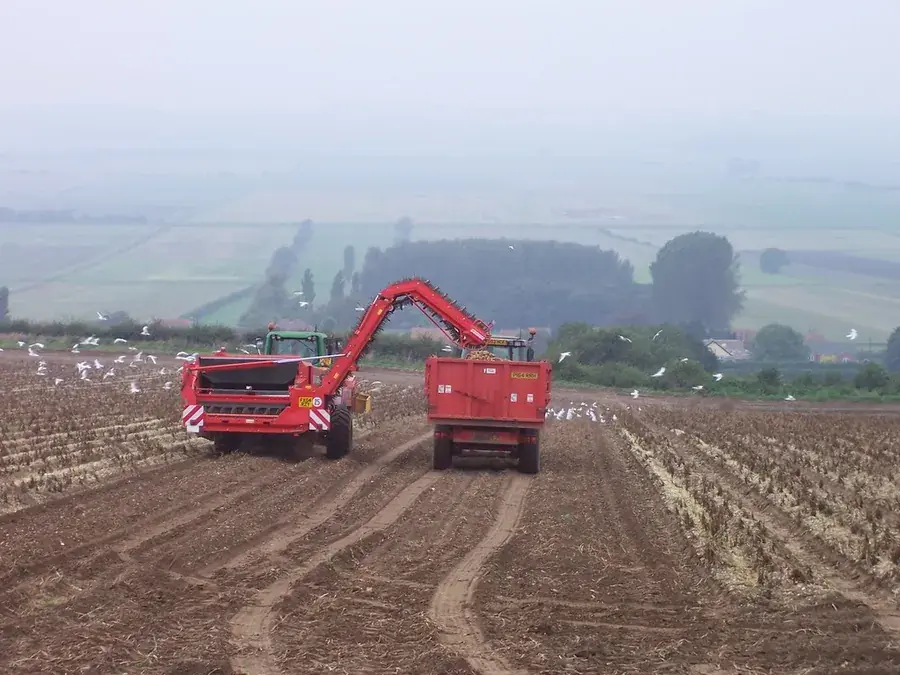 Half-hardyRootsPicked Jul–Oct
Potatoes
The crop children remember digging — and the one that needs two weeks in the dark before it goes anywhere.
Cold storage · Pressure · FreezingPick, store, put up →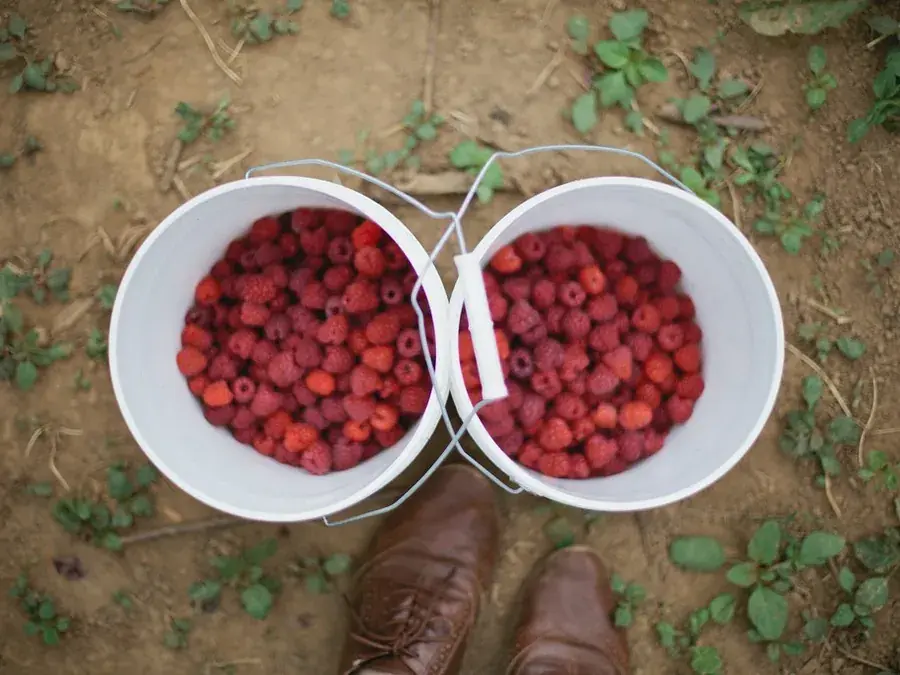 Half-hardyBerriesPicked Jul–Oct
Raspberries
Pick every second day or lose them — and tray-freeze the surplus the same afternoon.
Freezing · Water-bath · DryingPick, store, put up →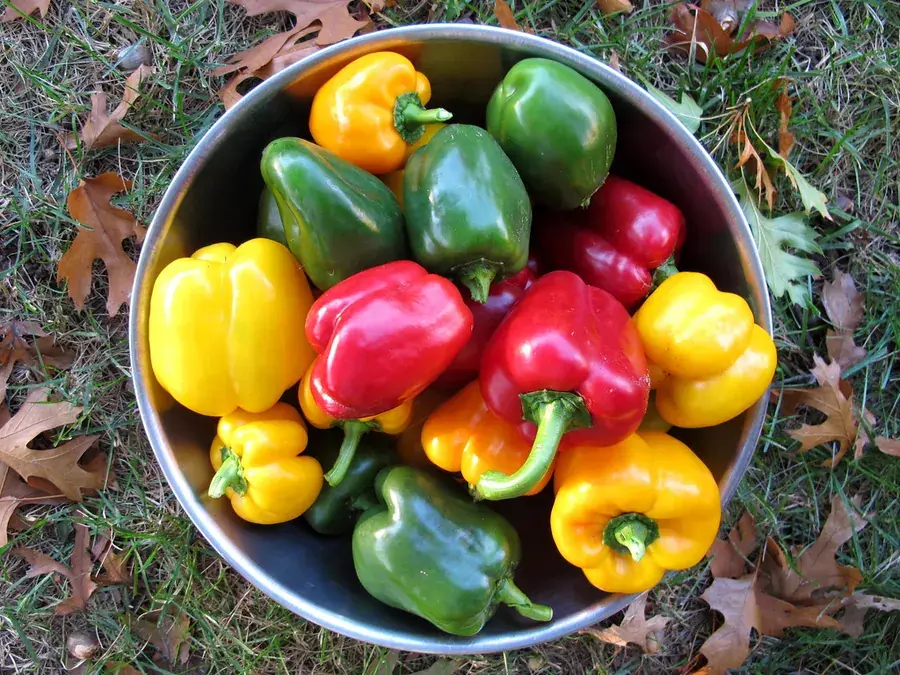 TenderFruiting vegetablesPicked Jul–Oct
Sweet peppers
Slow to colour, quick to freeze — the pepper harvest is a race between the plant and the first frost.
Freezing · Pickling · PressurePick, store, put up →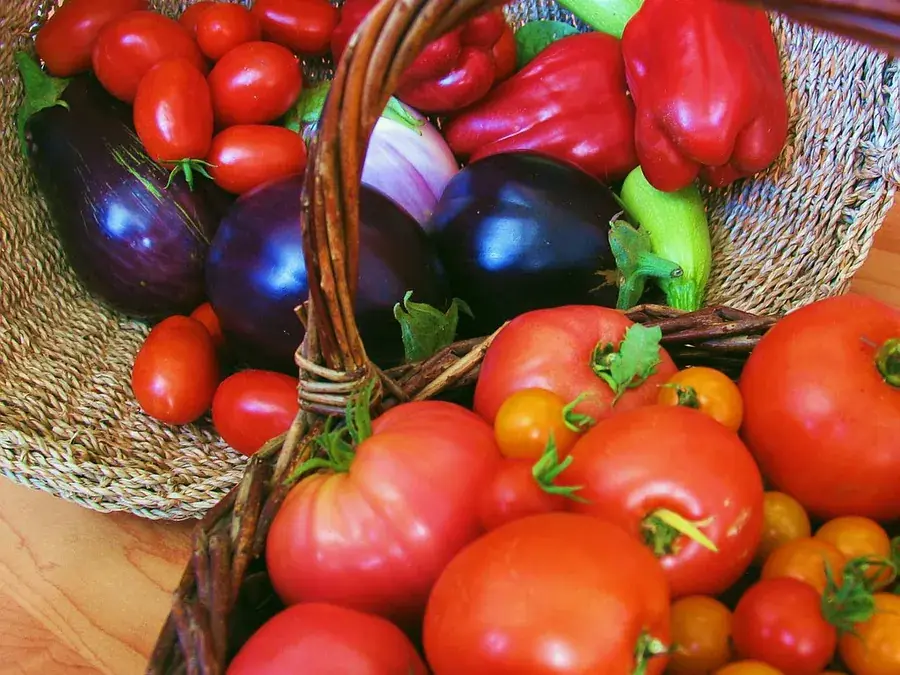 TenderFruiting vegetablesPicked Jul–Oct
Tomatoes
The crop every garden ends up with too many of at once — and the one most worth putting up.
Water-bath · Freezing · DryingPick, store, put up →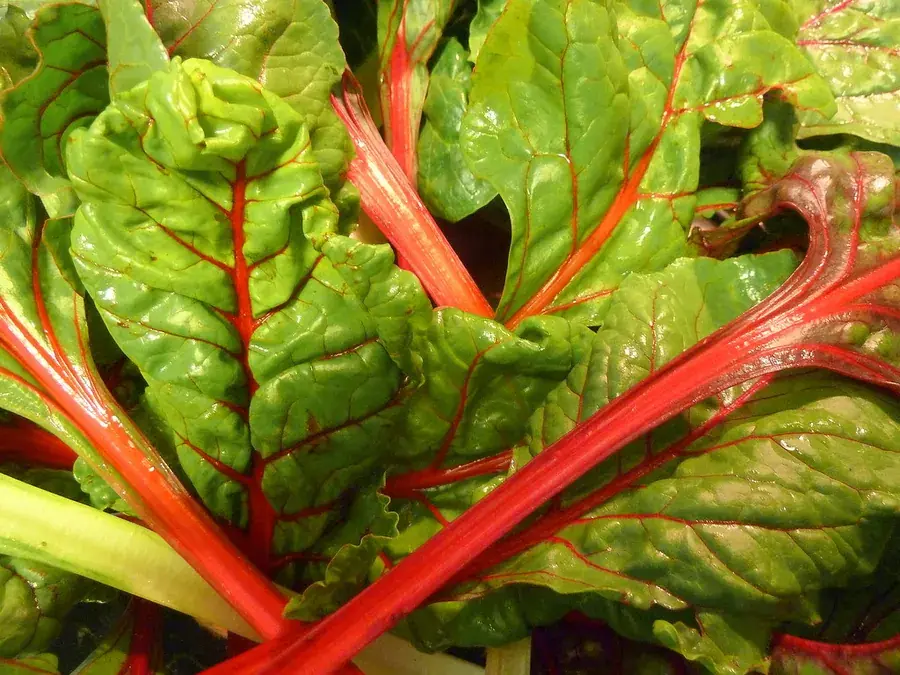 Half-hardyLeafy greensPicked Jun–Oct
Swiss chard
A beet grown for its leaves — cut it and it comes again from May until a hard frost.
Freezing · PicklingPick, store, put up →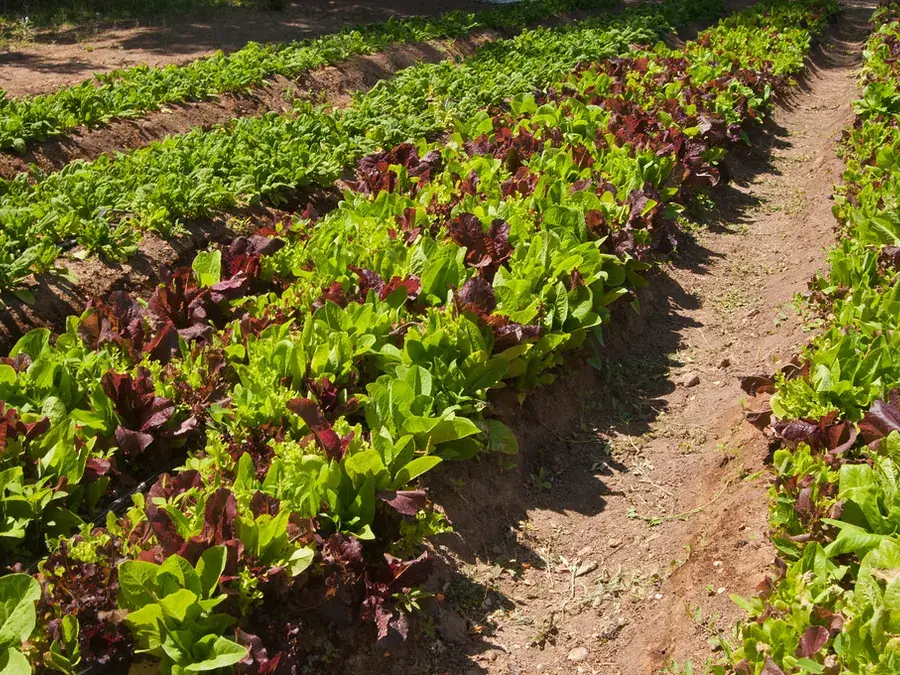 Half-hardyLeafy greensPicked May–Oct
Lettuce
Eat it the week it is ready — it is the one crop that cannot be put up for winter.
Eat it freshPick, store, put up →
Hardy — frost makes them better
 HardyRootsPicked Sep–Nov
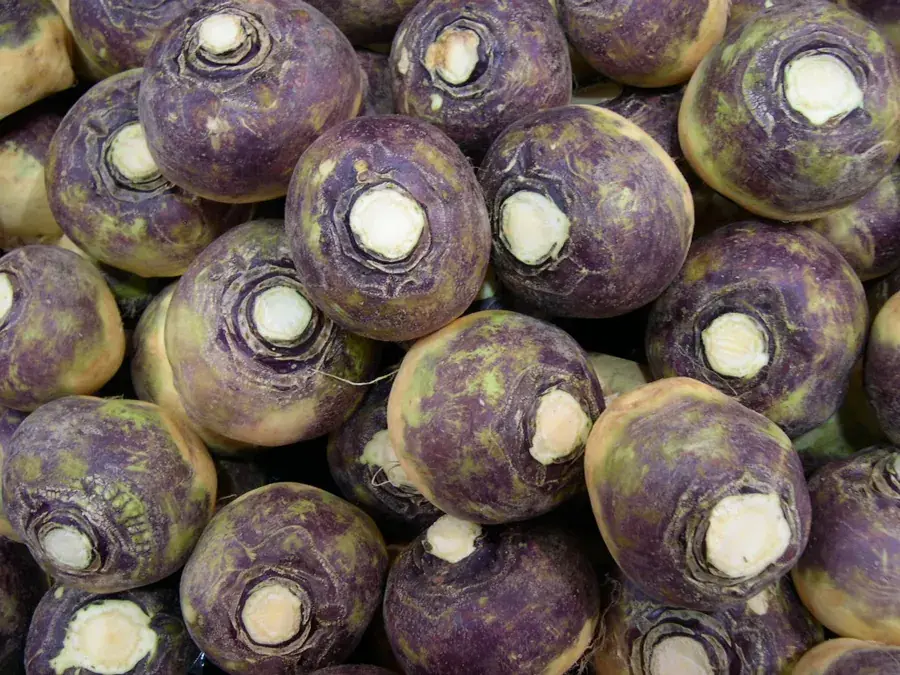
Rutabagas
The winter root of the north — a sack of them in the cold room is December sorted.
Cold storage · FreezingPick, store, put up →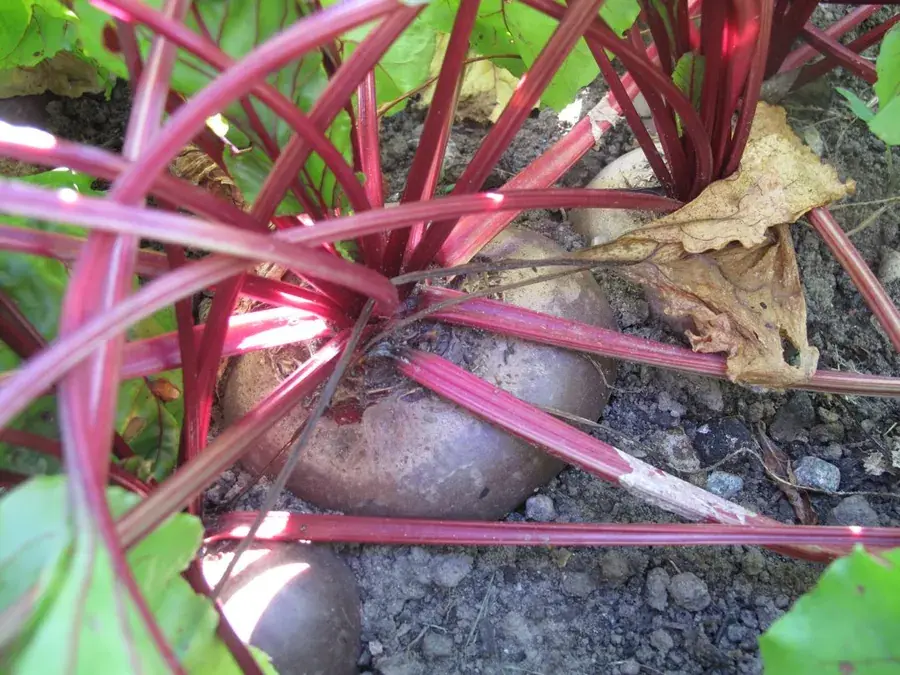 HardyRootsPicked Jul–Oct
Beets
Two crops in one bed — the roots for the cold room, the greens for tonight.
Pickling · Pressure · FreezingPick, store, put up →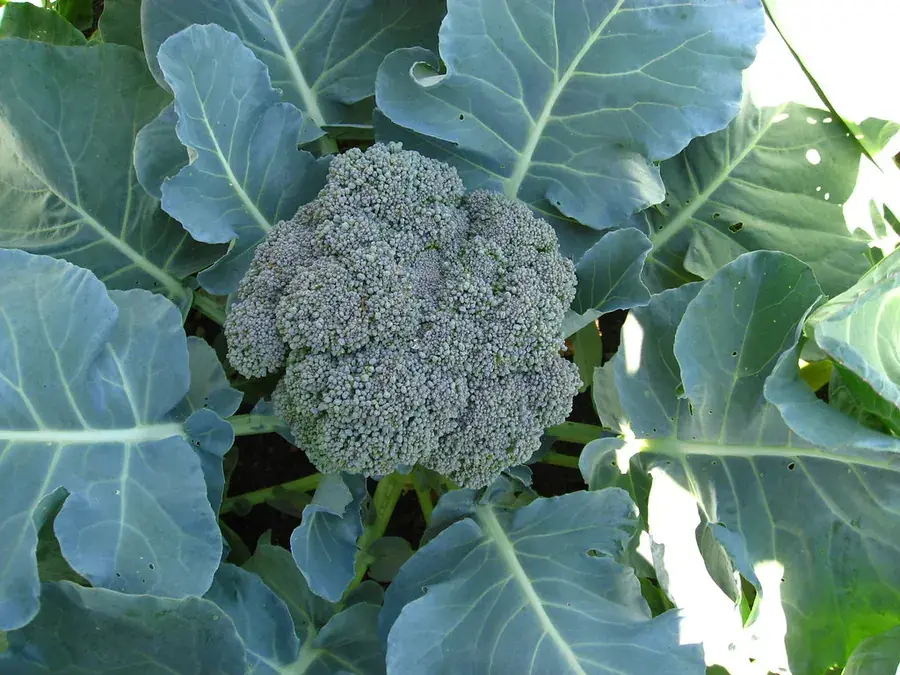 HardyCabbages and kinPicked Jul–Oct
Broccoli
One big head, then weeks of side shoots — if you cut it before the buds turn yellow.
FreezingPick, store, put up →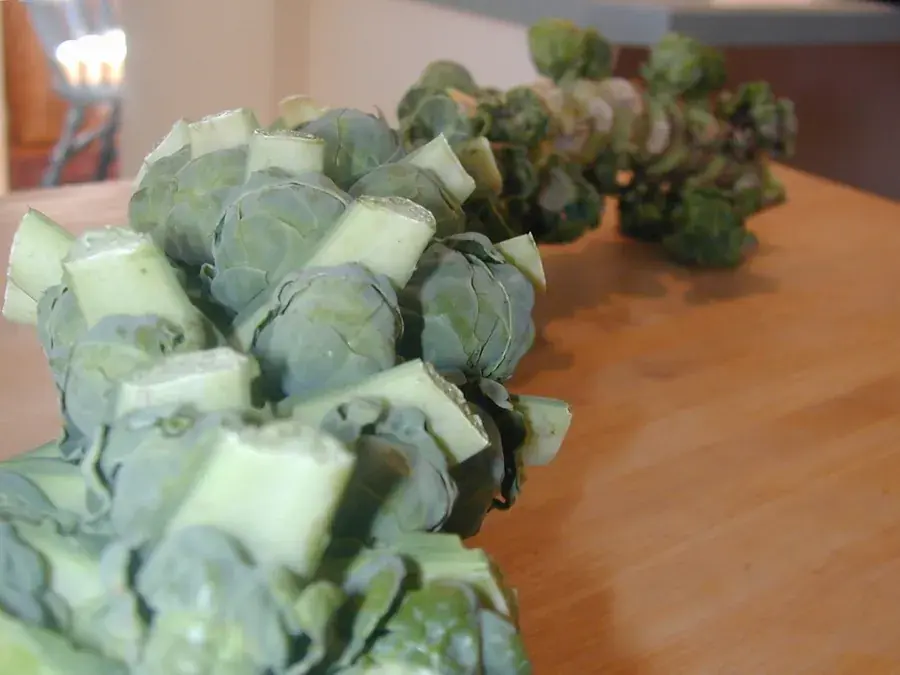 Very hardyCabbages and kinPicked Sep–Dec
Brussels sprouts
Not worth picking until it has frozen a few times — then the sweetest thing left standing in November.
Cold storage · Freezing · PicklingPick, store, put up →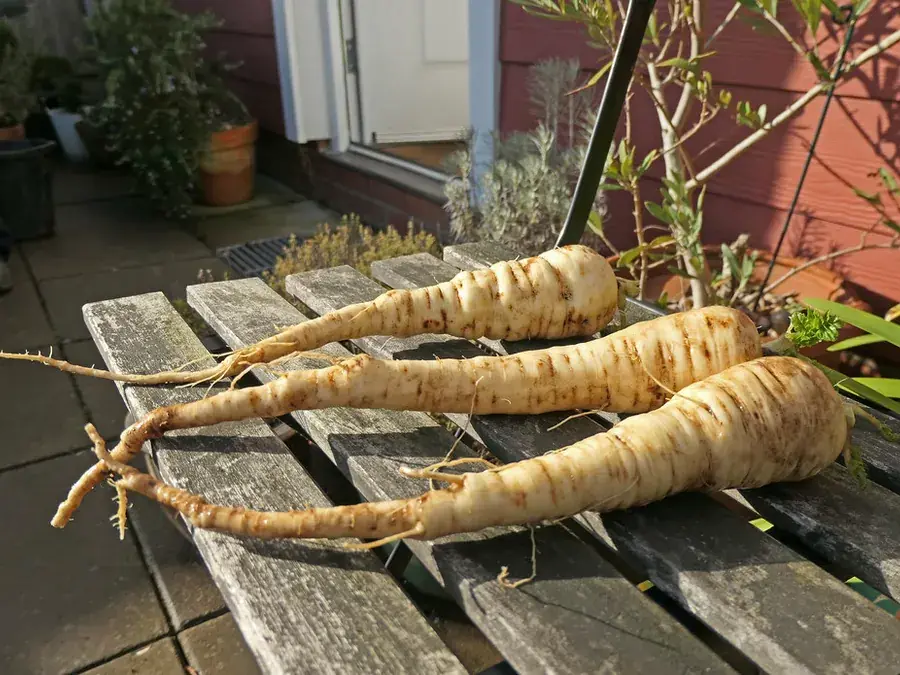 Very hardyRootsPicked Mar–Nov
Parsnips
The one root that wants a hard frost before it is worth eating — and the last crop you can dig in spring.
Cold storage · FreezingPick, store, put up →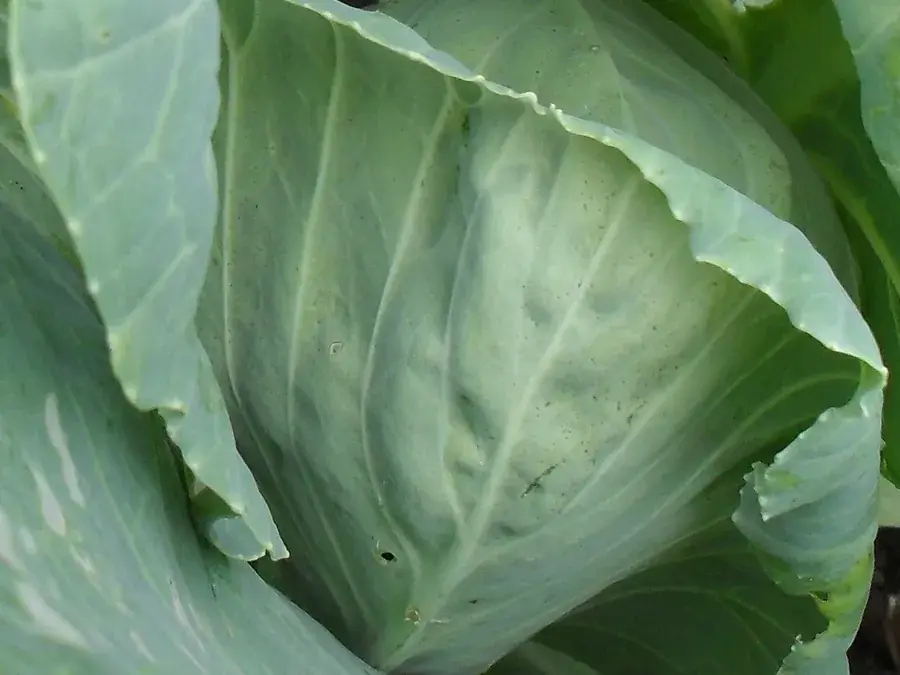 HardyCabbages and kinPicked Jul–Nov
Cabbage
The head that keeps all winter in a cold room — and turns into sauerkraut when it will not.
Cold storage · Fermenting · FreezingPick, store, put up →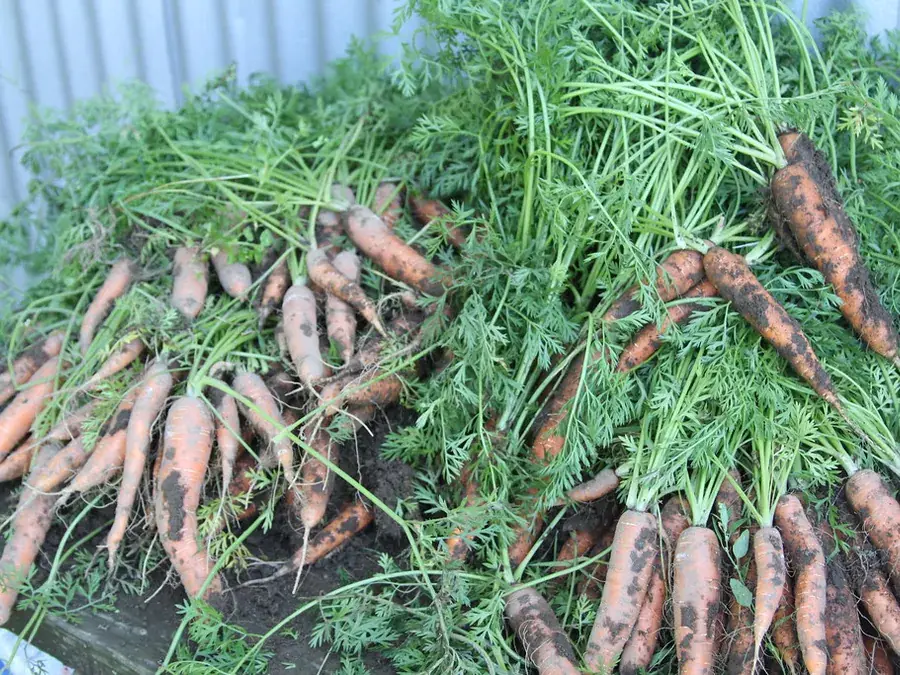 HardyRootsPicked Jul–Nov
Carrots
The root that gets sweeter the longer autumn goes on — and keeps until spring if you treat it right.
Cold storage · Pressure · FreezingPick, store, put up →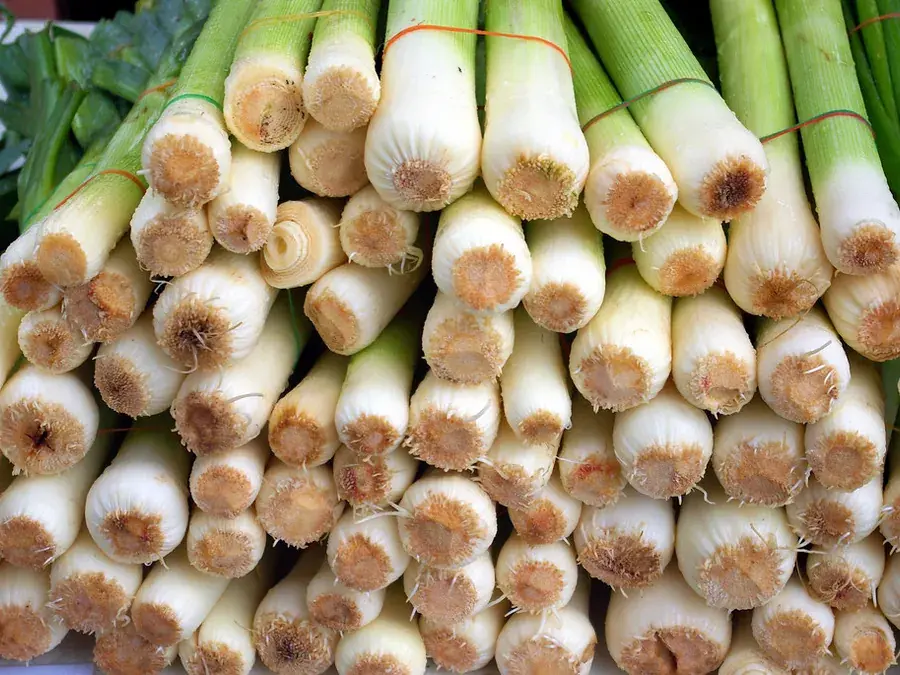 Very hardyOnions and garlicPicked Aug–Dec
Leeks
The allium that stands in the garden through December, waiting to be dug for soup.
Cold storage · FreezingPick, store, put up →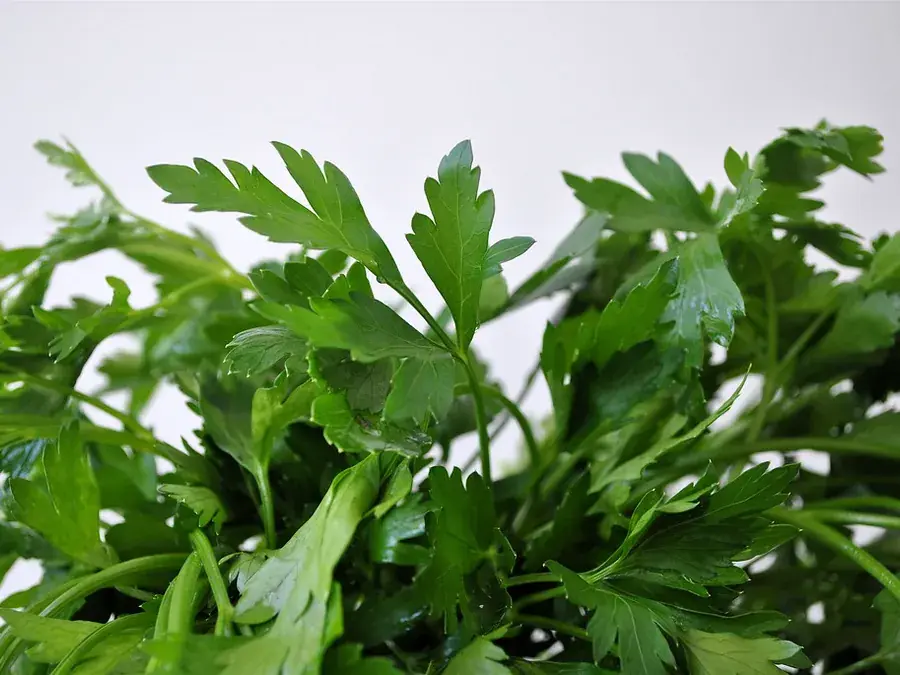 HardyHerbsPicked Jun–Oct
Parsley
The herb that stands green through the first snows — and the one that is worthless dried.
Freezing · DryingPick, store, put up →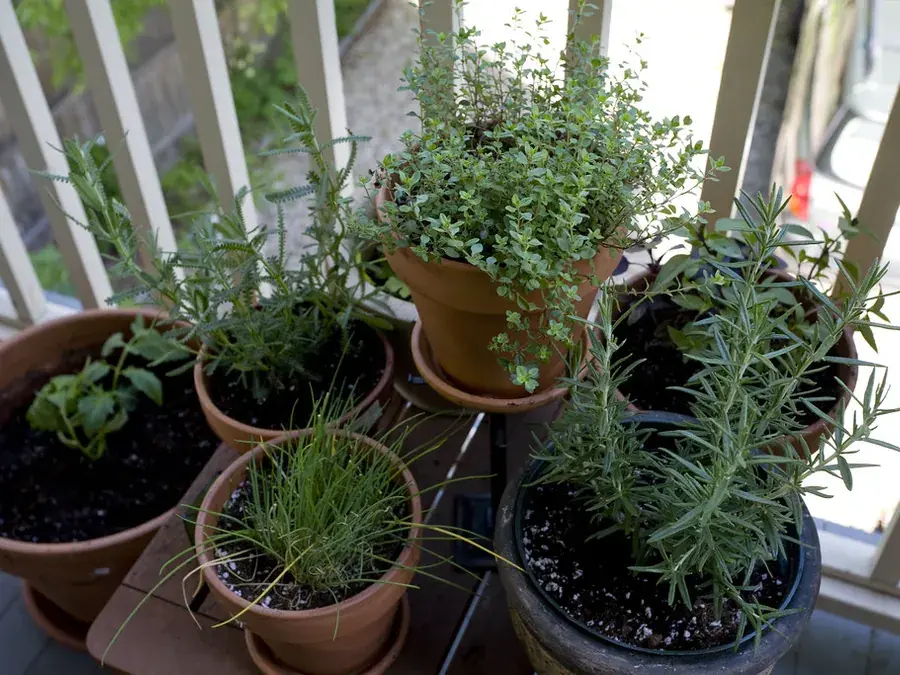 HardyHerbsPicked Jun–Oct
Thyme, oregano, sage and rosemary
The woody Mediterranean herbs: they dry as well as basil dries badly, and three of the four will sleep through a Canadian winter.
Drying · FreezingPick, store, put up →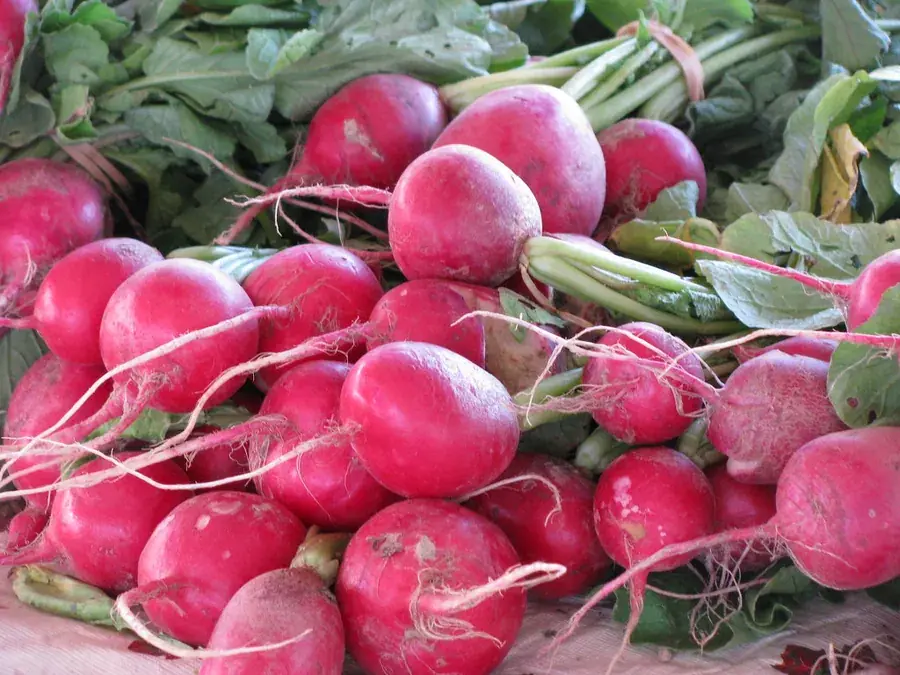 HardyRootsPicked May–Nov
Radishes
Three weeks from seed to plate in spring — and a different vegetable altogether in autumn.
Cold storage · Pickling · FermentingPick, store, put up →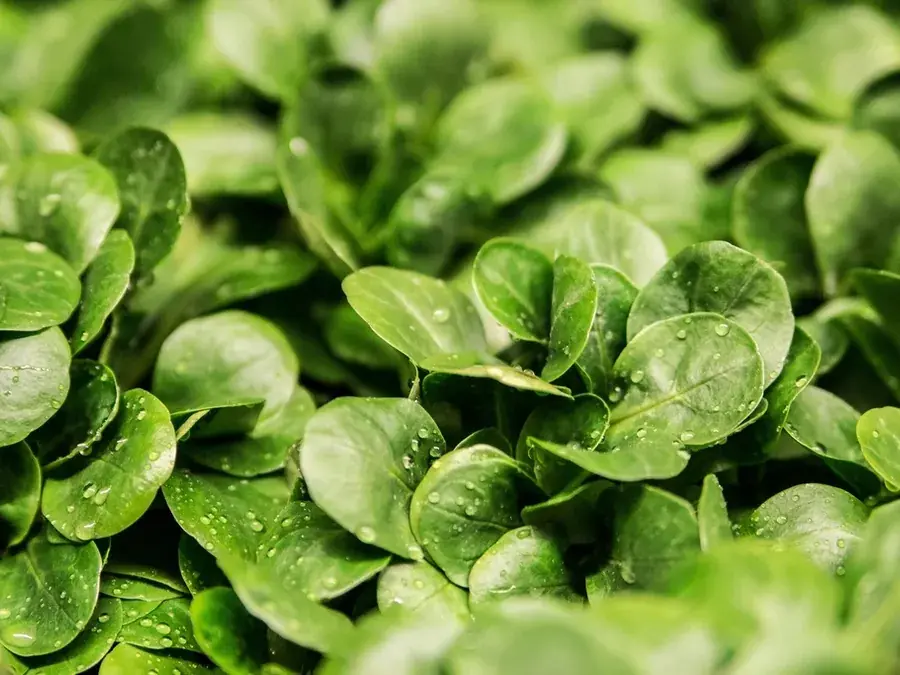 Very hardyLeafy greensPicked Apr–Nov
Spinach
The hardiest green there is: sown in September, picked in April, and the first thing in the freezer in June.
FreezingPick, store, put up →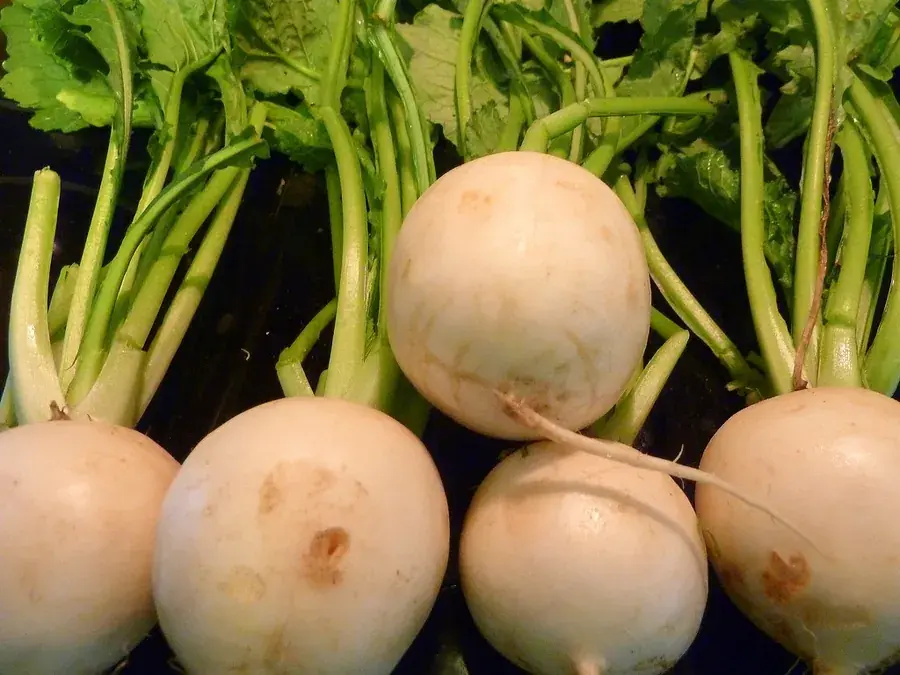 HardyRootsPicked Jun–Nov
Turnips
The fastest root in the garden — six weeks from seed, with greens thrown in.
Cold storage · Freezing · PicklingPick, store, put up →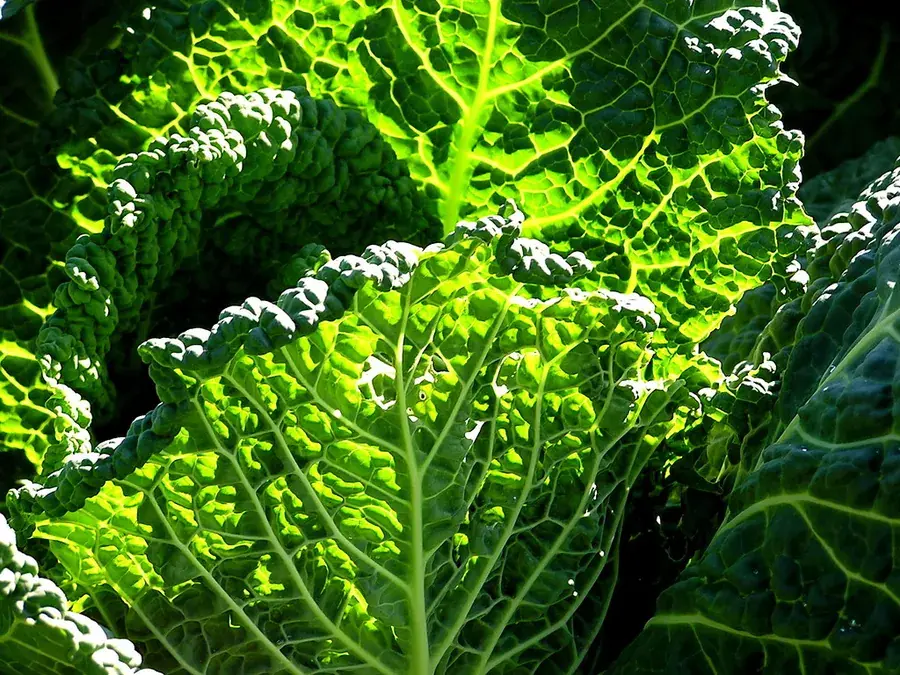 Very hardyCabbages and kinPicked Jun–Dec
Kale
The last green standing — sweeter after frost and still pickable from under the snow.
Freezing · Drying · Cold storagePick, store, put up →
The whole library
Every crop, by family
Fruiting vegetables · 5
 TenderFruiting vegetablesPicked Jul–Sep
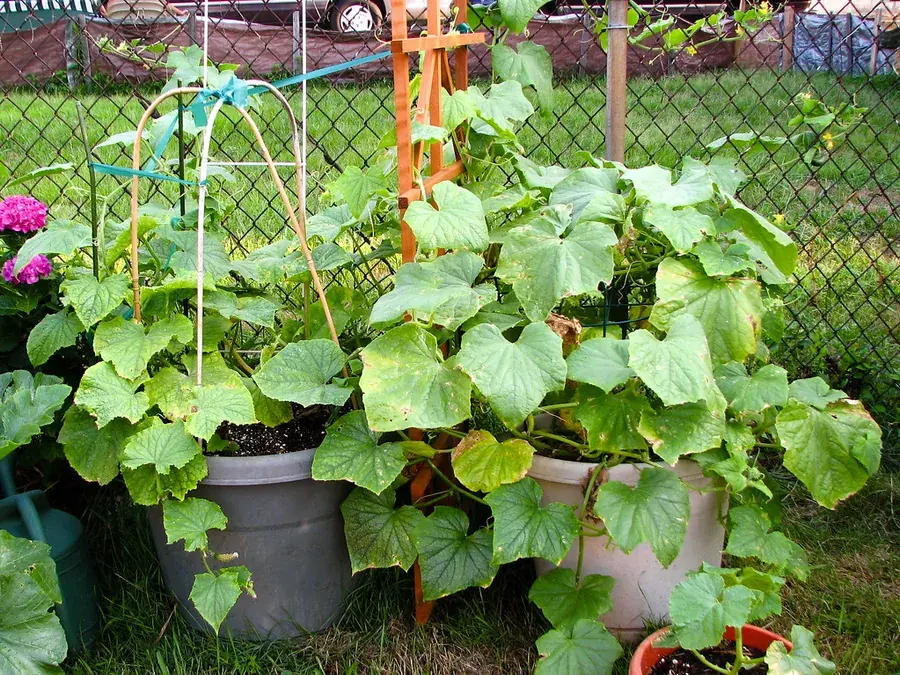
Cucumbers
Eaten within a week or pickled within a day — a cucumber has no middle option.
Pickling · FermentingPick, store, put up →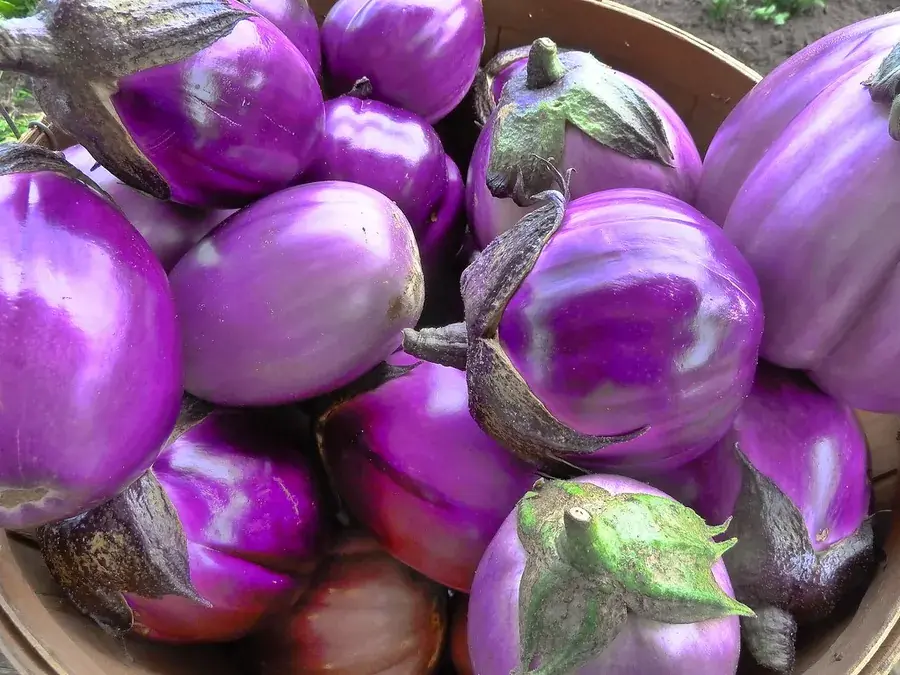 TenderFruiting vegetablesPicked Aug–Sep
Eggplant
One of the most cold-shy plants in the garden, and the one that has to be cooked before it goes in the freezer.
Freezing · PicklingPick, store, put up →- TenderFruiting vegetablesPicked Aug–Oct
Hot peppers
A handful of plants gives a year of heat — dried on a string, pickled in rings, or fermented into sauce.
Drying · Pickling · FermentingPick, store, put up → - TenderFruiting vegetablesPicked Jul–Oct
Sweet peppers
Slow to colour, quick to freeze — the pepper harvest is a race between the plant and the first frost.
Freezing · Pickling · PressurePick, store, put up → - TenderFruiting vegetablesPicked Jul–Oct
Tomatoes
The crop every garden ends up with too many of at once — and the one most worth putting up.
Water-bath · Freezing · DryingPick, store, put up →
Squash and pumpkins · 3
- TenderSquash and pumpkinsPicked Sep–Oct
Pumpkins
One kind is for the porch and one is for the pie — and the seeds from both are for the oven.
Curing · Cold storage · FreezingPick, store, put up → - TenderSquash and pumpkinsPicked Sep–Oct
Winter squash
Cured for ten days and kept on a cool shelf, the September harvest feeds you until March.
Curing · Cold storage · FreezingPick, store, put up → 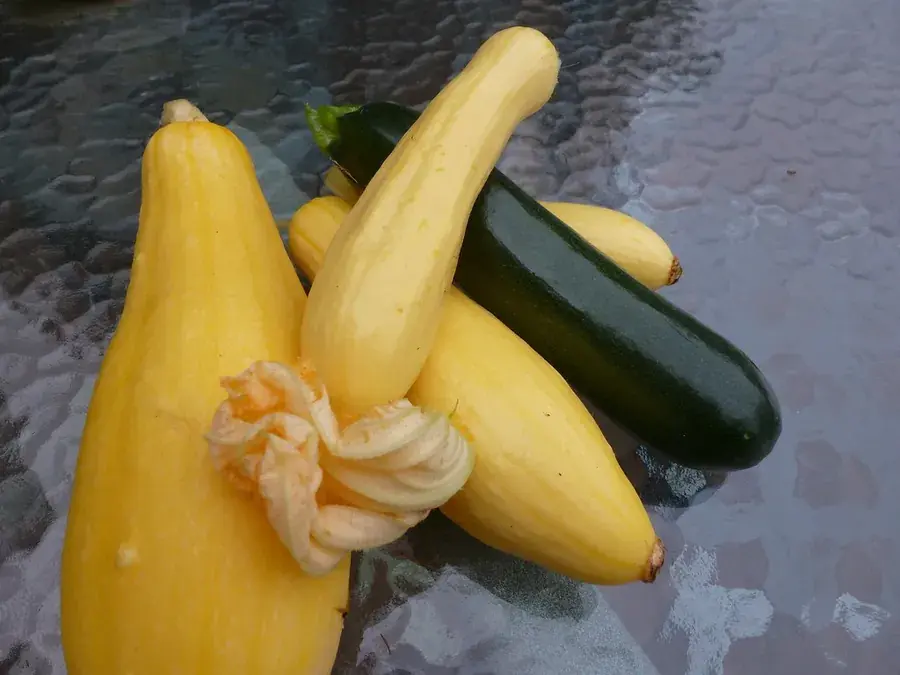 TenderSquash and pumpkinsPicked Jul–Sep
Zucchini
Picked small every other day it is a delicacy; left a week it is a baseball bat, and the freezer is the only answer.
Freezing · PicklingPick, store, put up →
Roots · 7
- HardyRootsPicked Jul–Oct
Beets
Two crops in one bed — the roots for the cold room, the greens for tonight.
Pickling · Pressure · FreezingPick, store, put up → - HardyRootsPicked Jul–Nov
Carrots
The root that gets sweeter the longer autumn goes on — and keeps until spring if you treat it right.
Cold storage · Pressure · FreezingPick, store, put up → - Very hardyRootsPicked Mar–Nov
Parsnips
The one root that wants a hard frost before it is worth eating — and the last crop you can dig in spring.
Cold storage · FreezingPick, store, put up → - Half-hardyRootsPicked Jul–Oct
Potatoes
The crop children remember digging — and the one that needs two weeks in the dark before it goes anywhere.
Cold storage · Pressure · FreezingPick, store, put up → - HardyRootsPicked May–Nov
Radishes
Three weeks from seed to plate in spring — and a different vegetable altogether in autumn.
Cold storage · Pickling · FermentingPick, store, put up → - HardyRootsPicked Sep–Nov
Rutabagas
The winter root of the north — a sack of them in the cold room is December sorted.
Cold storage · FreezingPick, store, put up → - HardyRootsPicked Jun–Nov
Turnips
The fastest root in the garden — six weeks from seed, with greens thrown in.
Cold storage · Freezing · PicklingPick, store, put up →
Onions and garlic · 3
 Very hardyOnions and garlicPicked Jun–Aug
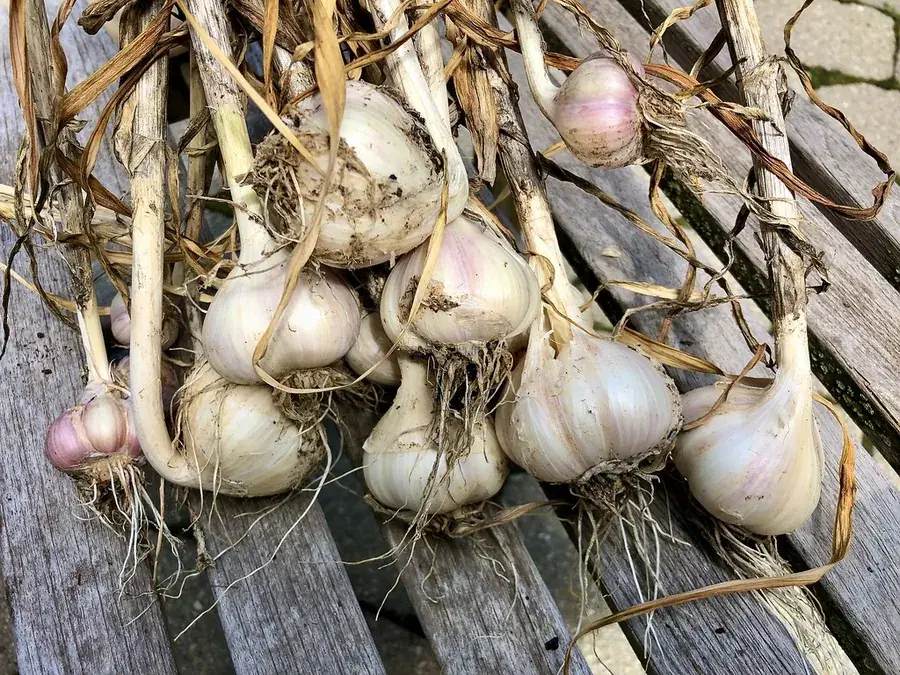
Garlic
The one crop you plant in October — and the textbook case of what not to put in a jar of oil.
Curing · Cold storage · FreezingPick, store, put up →- Very hardyOnions and garlicPicked Aug–Dec
Leeks
The allium that stands in the garden through December, waiting to be dug for soup.
Cold storage · FreezingPick, store, put up → 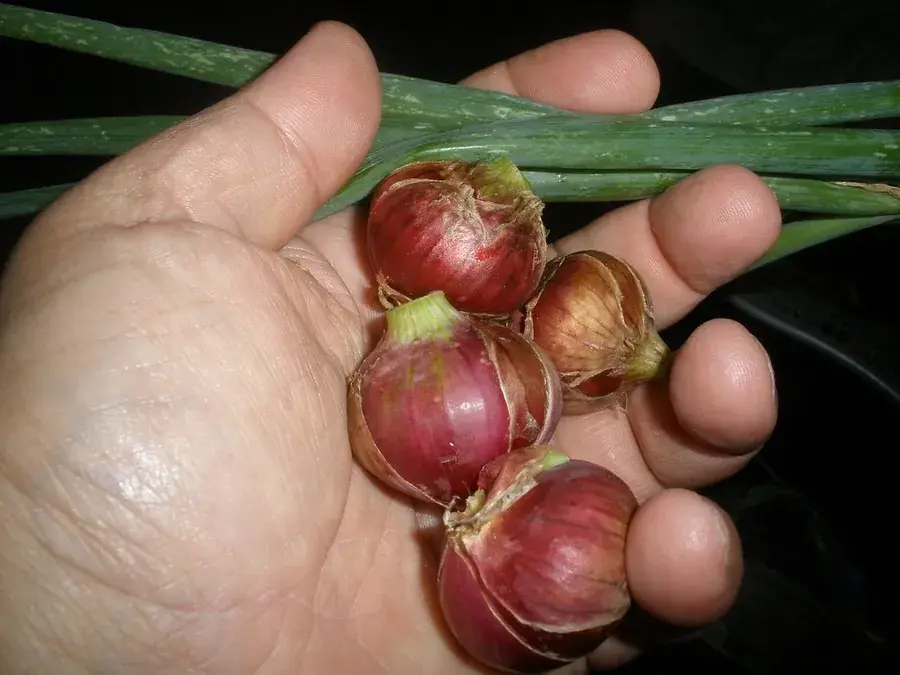 Half-hardyOnions and garlicPicked Aug–Sep
Onions
The crop whose storage life is decided in the three weeks after you pull it.
Curing · Cold storage · FreezingPick, store, put up →
Cabbages and kin · 5
- HardyCabbages and kinPicked Jul–Oct
Broccoli
One big head, then weeks of side shoots — if you cut it before the buds turn yellow.
FreezingPick, store, put up → - Very hardyCabbages and kinPicked Sep–Dec
Brussels sprouts
Not worth picking until it has frozen a few times — then the sweetest thing left standing in November.
Cold storage · Freezing · PicklingPick, store, put up → - HardyCabbages and kinPicked Jul–Nov
Cabbage
The head that keeps all winter in a cold room — and turns into sauerkraut when it will not.
Cold storage · Fermenting · FreezingPick, store, put up → - Half-hardyCabbages and kinPicked Jul–Oct
Cauliflower
The fussiest brassica: tie the leaves over the head, cut it while it is tight, and freeze what you cannot eat.
Freezing · PicklingPick, store, put up → - Very hardyCabbages and kinPicked Jun–Dec
Kale
The last green standing — sweeter after frost and still pickable from under the snow.
Freezing · Drying · Cold storagePick, store, put up →
Leafy greens · 3
- Half-hardyLeafy greensPicked May–Oct
Lettuce
Eat it the week it is ready — it is the one crop that cannot be put up for winter.
Eat it freshPick, store, put up → - Very hardyLeafy greensPicked Apr–Nov
Spinach
The hardiest green there is: sown in September, picked in April, and the first thing in the freezer in June.
FreezingPick, store, put up → - Half-hardyLeafy greensPicked Jun–Oct
Swiss chard
A beet grown for its leaves — cut it and it comes again from May until a hard frost.
Freezing · PicklingPick, store, put up →
Peas and beans · 3
- TenderPeas and beansPicked Sep–Oct
Dry beans
The crop that stores itself: leave the pods to rattle, shell them on the step, and eat them in February.
Drying · Pressure · FreezingPick, store, put up → 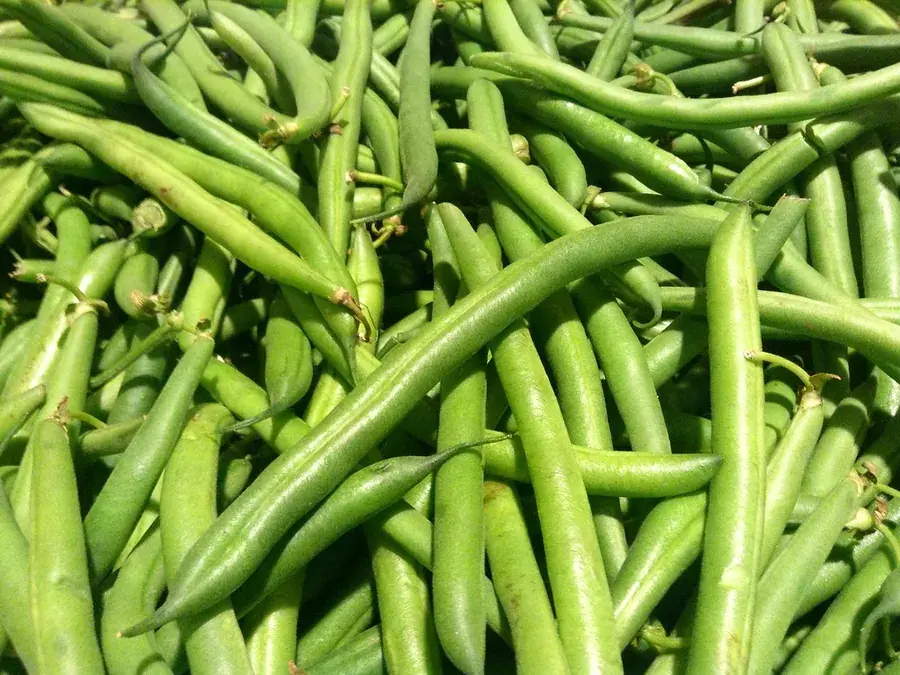 TenderPeas and beansPicked Jul–Sep
Green beans
Pick them young and pick them often — and never, ever water-bath a jar of plain beans.
Freezing · Pressure · PicklingPick, store, put up →- Half-hardyPeas and beansPicked Jun–Oct
Peas
The first sowing of the year and the first thing in the freezer — pick them every day or they turn to starch.
Freezing · Drying · PressurePick, store, put up →
Corn · 1
 TenderCornPicked Jul–Sep
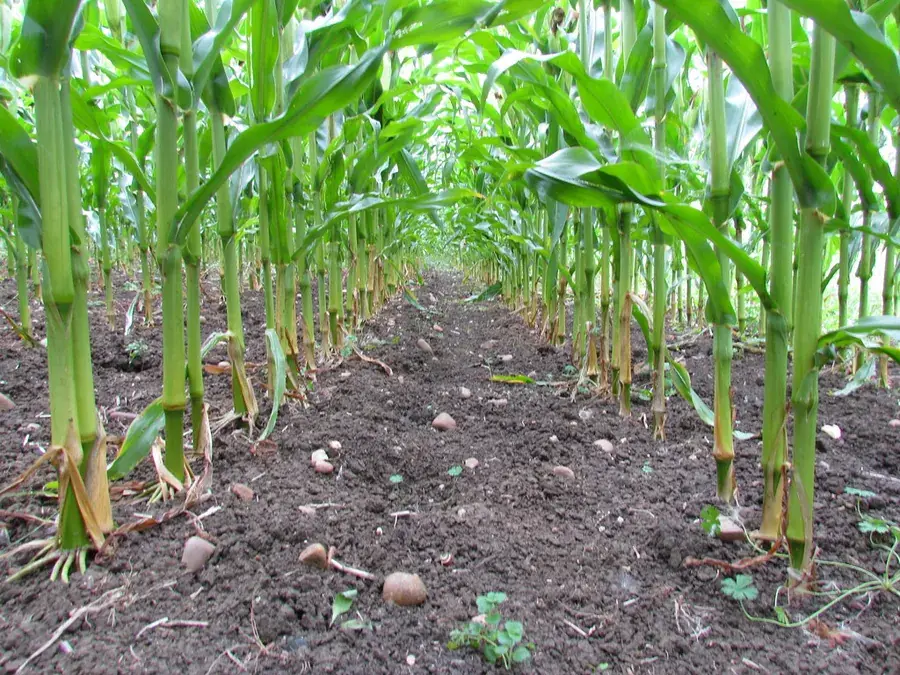
Sweet corn
Twenty minutes from stalk to pot is the rule — and the freezer is the only way to keep August.
Freezing · Pressure · DryingPick, store, put up →
Tree fruit · 2
- Half-hardyTree fruitPicked Aug–Oct
Apples
The one harvest that can feed a family until March — if you know which apples keep and which don’t.
Cold storage · Water-bath · FreezingPick, store, put up → 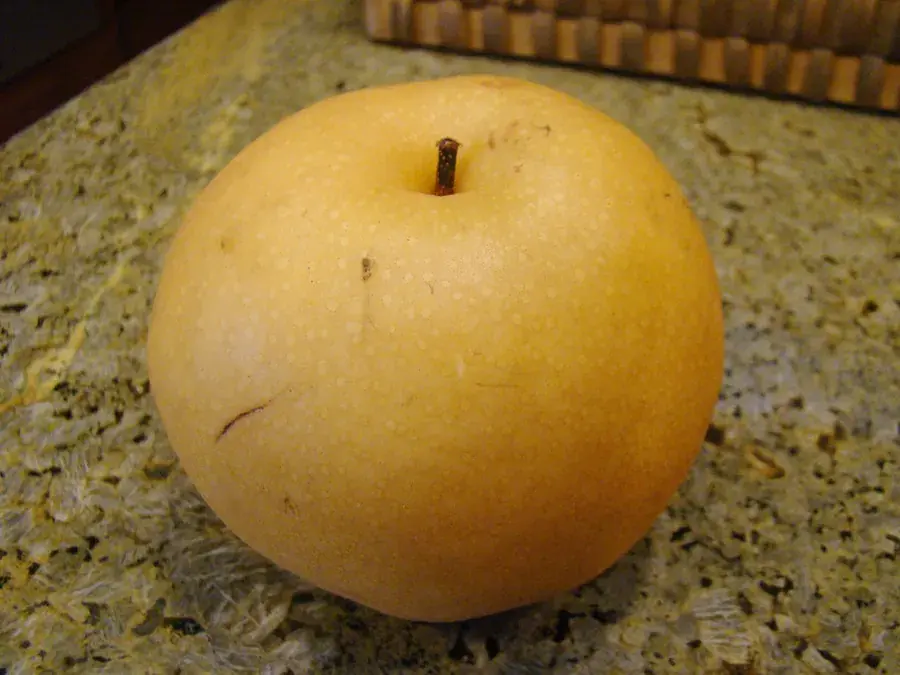 Half-hardyTree fruitPicked Aug–Sep
Pears
The fruit you must pick before it is ripe — a pear left to soften on the tree is mush outside and grit at the core.
Water-bath · Cold storage · DryingPick, store, put up →
Berries · 3
 Very hardyBerriesPicked Jun–Jul
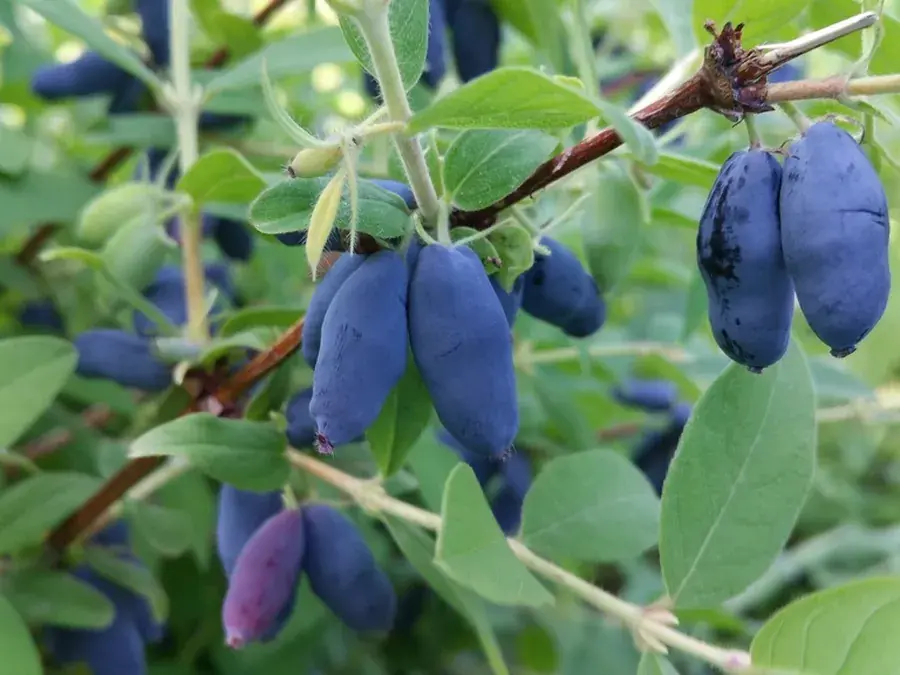
Haskap (honeyberry)
The Canadian berry: hardy to zone 2, ripe before the strawberries, and the first jam of the year.
Freezing · Water-bath · DryingPick, store, put up →- Half-hardyBerriesPicked Jul–Oct
Raspberries
Pick every second day or lose them — and tray-freeze the surplus the same afternoon.
Freezing · Water-bath · DryingPick, store, put up → 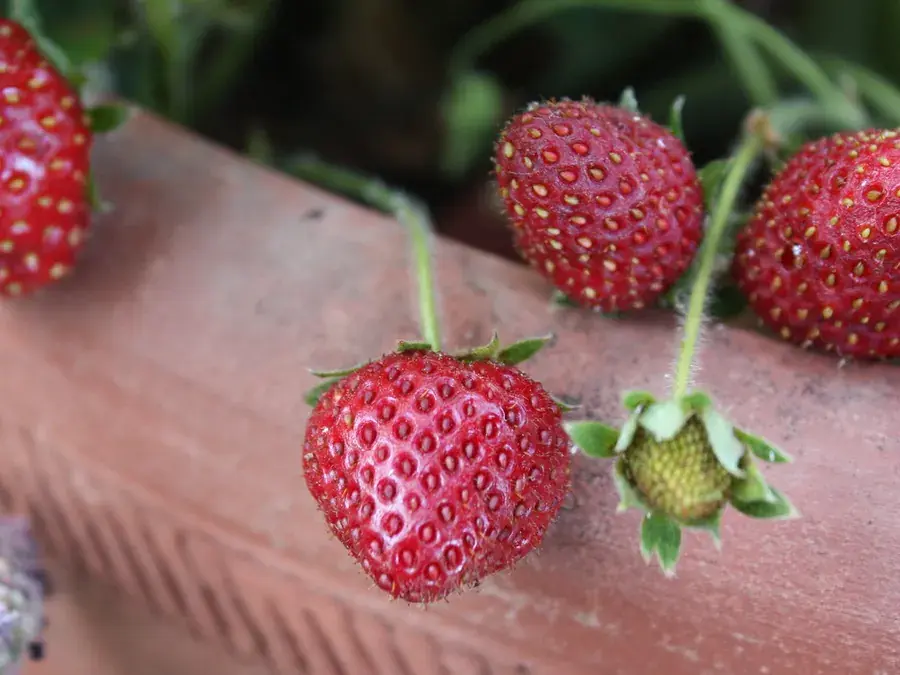 Half-hardyBerriesPicked Jun–Sep
Strawberries
Three weeks of June glory from a June-bearer, or a trickle until frost from a day-neutral — either way, the freezer is the answer.
Freezing · Water-bath · DryingPick, store, put up →
Perennials · 1
 Very hardyPerennialsPicked Apr–Jun
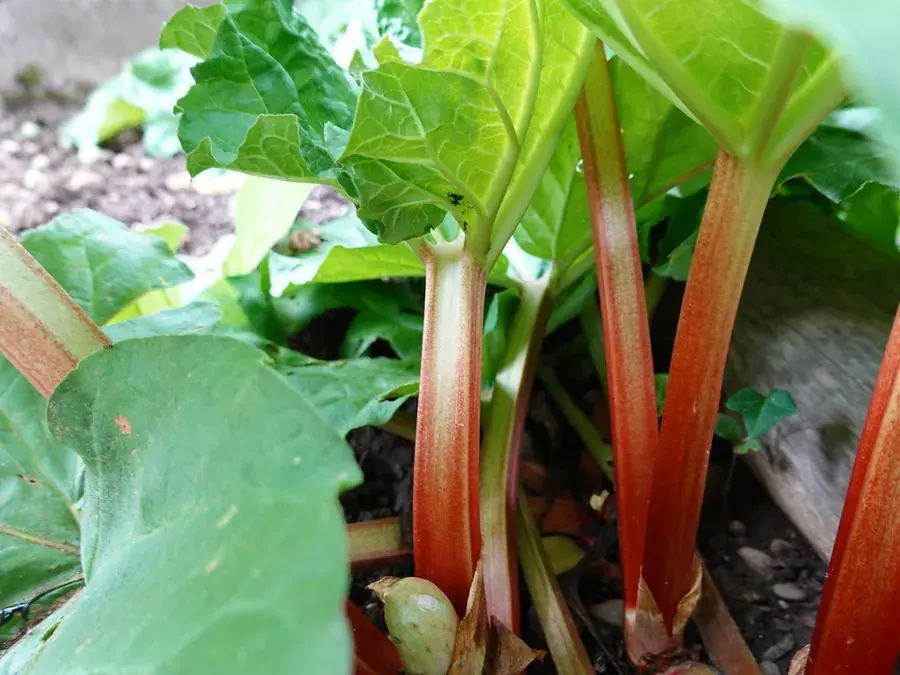
Rhubarb
The first harvest of the Canadian year and the toughest plant in the garden — eat the stalks, never the leaves.
Freezing · Water-bathPick, store, put up →
Herbs · 5
 TenderHerbsPicked Jul–Sep
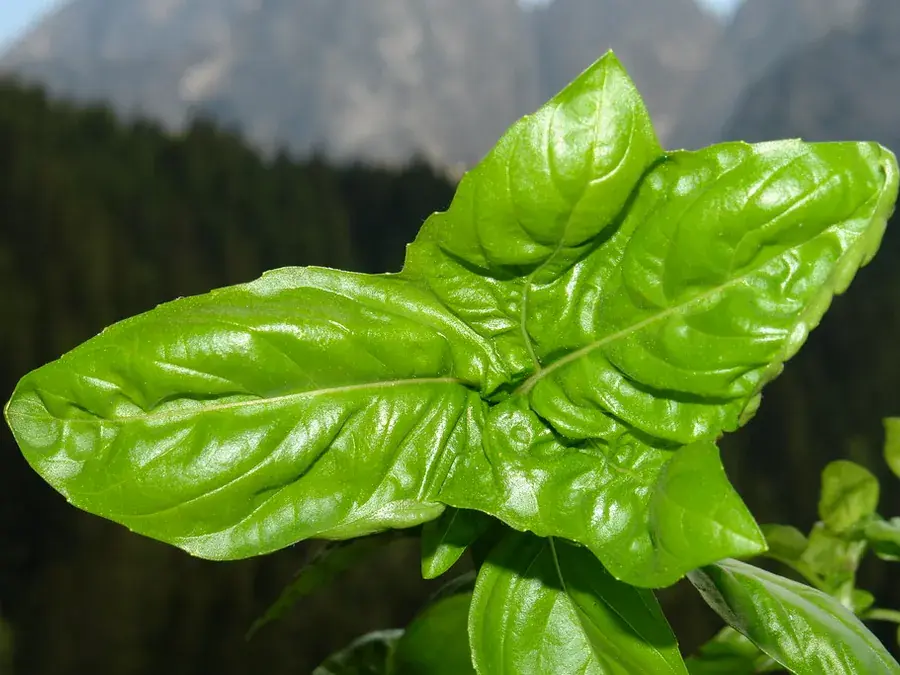
Basil
The most tender thing in the garden and the worst herb to dry — pesto in the freezer is the whole plan.
FreezingPick, store, put up →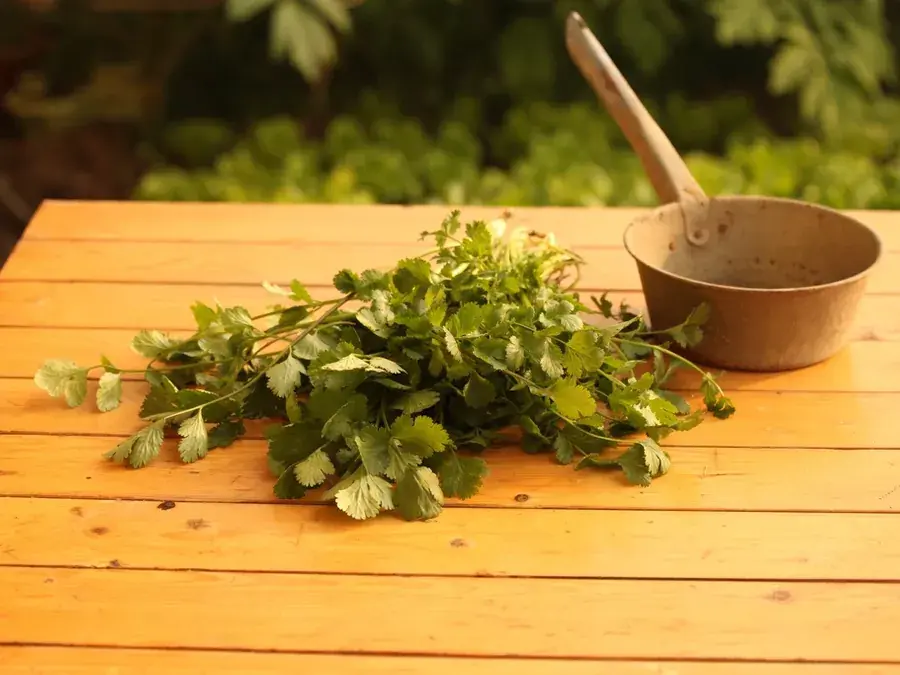 Half-hardyHerbsPicked Jun–Sep
Cilantro (coriander)
Leaves in the cool months, seed in the heat: cilantro bolts the moment summer arrives, and that is the second harvest.
Freezing · DryingPick, store, put up →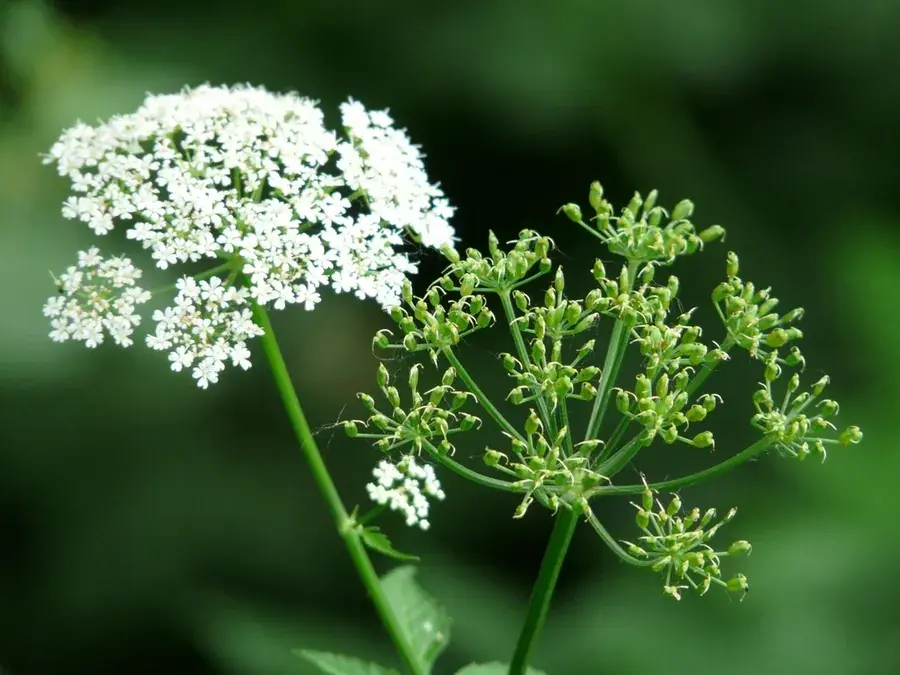 Half-hardyHerbsPicked Jun–Sep
Dill
Two crops from one plant — feathery dill weed in June, and the seed heads that make a pickle a pickle in August.
Freezing · Drying · PicklingPick, store, put up →- HardyHerbsPicked Jun–Oct
Parsley
The herb that stands green through the first snows — and the one that is worthless dried.
Freezing · DryingPick, store, put up → - HardyHerbsPicked Jun–Oct
Thyme, oregano, sage and rosemary
The woody Mediterranean herbs: they dry as well as basil dries badly, and three of the four will sleep through a Canadian winter.
Drying · FreezingPick, store, put up →
Putting up
Canning, pickling, fermenting, freezing and drying — which for what, and the tested recipes →
Seeds
Which seeds come true, which cross, and how to dry and keep them →