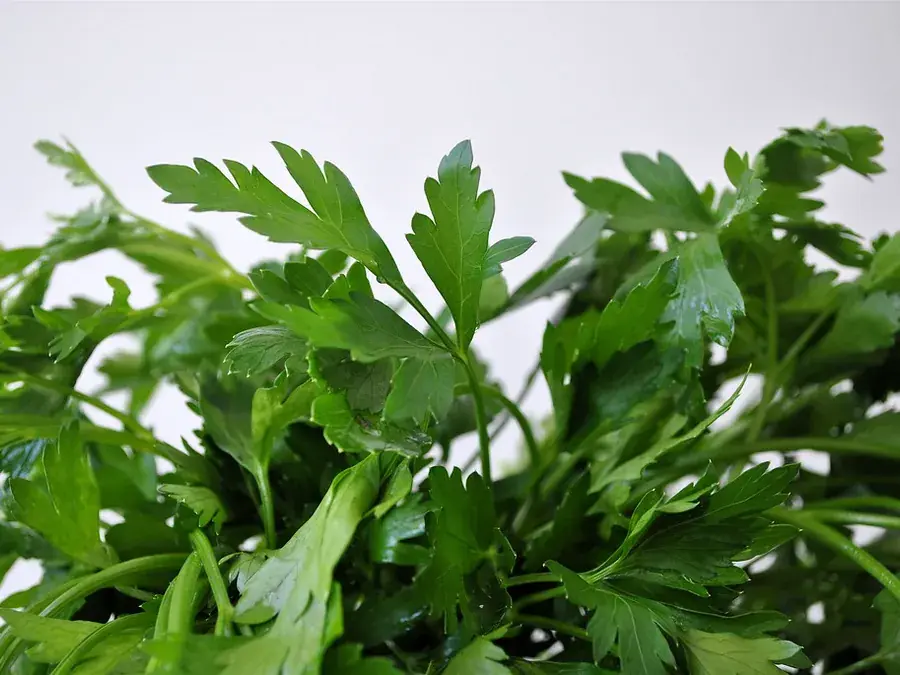
Photo cookbookman17 on Flickr · CC BY 2.0
Parsley
Petroselinum crispum
The herb that stands green through the first snows — and the one that is worthless dried.
- Ready when
- When the plant has 20 cm stalks with three or more full leaf segments, about 70–90 days from sowing. The outer stalks are the ones to take; the centre keeps producing. Flat-leaf (Italian) parsley has the stronger flavour for cooking; curly holds up better as a garnish and in the cold.
- How to pick
- Cut outer stalks at the base, close to the crown, leaving the inner ones to grow on; never shear the whole plant to a stub in midsummer. Pick in the morning. In October cut it back by a third for the freezer and leave the rest to stand.
- On a frost night
- Leave it. Parsley shrugs off frost, keeps growing into November, and tastes exactly the same after a freeze; it is usually the last green thing standing in the bed. Before the ground freezes, cut a big batch for the freezer, then cover the crowns with 10–15 cm of straw or leaves — in zone 5, and often in zone 4 under snow, it comes back in April and gives a few weeks of early leaves before it bolts. Or pot one up for the kitchen windowsill, where it sulks but survives.
Where it keeps
Storing parsley
| Where | Temperature | Humidity | Keeps | How |
|---|---|---|---|---|
| Fridge, stems in water | 0–4 °C32–39 °F | high | 1–2 weeks | Stand the bunch in a jar of water with a loose bag over the top, or roll it in a damp towel inside a bag. |
| Kitchen counter | 15–22 °C59–72 °F | moderate | 2–3 days | In a glass of water like flowers. |
| In the garden under mulch | -5–5 °C23–41 °F | high | Through November in most years; through winter to a spring flush in zone 5 | Pick as needed until it is buried; then straw or leaves 10–15 cm deep over the crowns. |
Putting it up
What to do with too many parsley
Freeze it: chop the leaves, pack them into ice-cube trays, top up with water (or a little oil) and bag the cubes; or chop and freeze flat in a bag so you can break off what you need; or freeze whole sprigs in a bag for soup. Thawed parsley is limp, so it is a cooking herb from the freezer, not a garnish. Drying is the method that does not work — parsley loses most of its flavour dried, and the brittle green dust in the jar tastes of nothing — though if you insist, do it fast under 45 °C in a thin layer. Parsley in oil follows the herbs-in-oil rule: four days in the fridge, or frozen.
The fastest route and the one that keeps flavour best.
A dehydrator or a low oven; light, keeps for a year.
- Drying
Dried herbs, air-dried and dehydrated
Bunches of thyme hanging from a nail, basil laid flat in the dehydrator: the whole herb bed in six jars before the frost takes it.
A loose grocery bag of fresh herbs dries down to one or two 250 ml jars · 20 minutes active
The recipe →
Saving seed
A biennial — flowers in its second year
Parsley flowers in its second year, in June, from a crown that overwintered; the seed ripens on the umbels in late summer and is gathered when the heads turn brown, dried in a paper bag, and rubbed out. It is insect-pollinated and different parsleys (curly, flat, Hamburg root) cross if they flower together, so let only one kind go to seed in a season. Second-year leaves are bitter, so a seed plant is a seed plant, not a kitchen plant. Sowing the seed is the hard part: it germinates slowly and unevenly, two to five weeks, and old seed worse than fresh — soak it in warm water for 24 hours before sowing, and sow more than you need.
Keeps: Short: 1–3 years. Use fresh seed and soak it.
The seed-saving guide →Next year
Planning parsley for next season
Start indoors 6–8 weeks before the last frost after a 24-hour soak, and transplant young — it has a taproot and resents being moved once it is big — or direct sow two to three weeks before the last frost and be patient for a month. Full sun or light shade, rich moist soil, 20–30 cm apart, and water in drought; it is unfussy once up. It is in the carrot family, so rotate it away from last year’s carrot, parsnip, dill and cilantro beds. Leave one overwintered plant to flower in June: the umbels feed hoverflies and parasitic wasps that work the rest of the garden, and the seed sows itself. Black swallowtail caterpillars will find it; plant enough for both of you. In zones 3–4 start it indoors and expect the fall mulch to work in some winters and not others.
Parsley at a glance
- Botanical name
- Petroselinum crispum
- Group
- Herbs
- Picked
- June, July, August, September, October
- Frost
- Hardy: takes −4 to −6 °c and often sweetens.
- Best put up as
- freezing, drying
- Seed
- A biennial — flowers in its second year
Questions people ask about parsley
Is parsley frost hardy?
Yes. It takes repeated frosts without damage, stays green and usable into November in most of southern Canada, and tastes the same after a freeze. Nothing to cover on a frost night. Mulch the crowns with straw before the ground freezes and in zone 5 — often zone 4 under snow — it comes back for a spring flush before bolting.
Does parsley come back every year?
Once, sort of. Parsley is a biennial: the plant that overwinters comes back in April, gives three or four weeks of leaves, then throws up a flower stalk in June and the leaves turn bitter. Treat it as a new sowing every spring and the overwintered plants as a bonus — and as the seed and insect plants for the garden.
Why is my parsley seed not germinating?
It is slow, not dead: parsley takes two to five weeks to come up and old seed longer and worse. Soak the seed in warm water for 24 hours before sowing, keep the soil evenly moist the whole time (a board over the row helps outdoors), and use seed less than two years old. Starting it indoors under lights six to eight weeks before the last frost gets around most of the trouble.
Can you freeze parsley?
Yes — it is the right way to keep it. Chop it into ice-cube trays with water and bag the cubes, or chop and freeze flat in a bag to break pieces off, or freeze whole sprigs for the stock pot. It comes out limp and dark green but tastes right in anything cooked. Not for garnish.
Can you dry parsley?
You can, and it is not worth it: most of parsley’s flavour goes with the water, and dried parsley is green dust. The herbs that dry well are the woody ones — thyme, oregano, sage, rosemary. Freeze parsley instead.
How do you save parsley seed?
From a plant that has overwintered: it flowers in June of its second year and the seed browns on the umbels in August. Cut the heads when brown, dry them in a paper bag, rub the seed out and store it cool and dry — and use it within a year or two, because parsley seed does not keep. Let only one kind of parsley flower at a time, or they cross.
What is eating my parsley, and is it safe for kids?
If it is a fat green caterpillar with black and yellow bands, it is a black swallowtail, and the best thing you can do is leave it, plant more parsley, and watch for the butterfly. The parsley itself is safe to pick and eat raw; the one thing to teach is that parsley, carrot, dill and cilantro have wild look-alikes in the ditch that are not safe, so garden parsley is the only parsley a child picks.
Your own frost dates
When does this come in where you are?
Enter a town, postal code or ZIP and the garden year, the frost watch and this week’s guide are built from your own weather.
Also in herbs
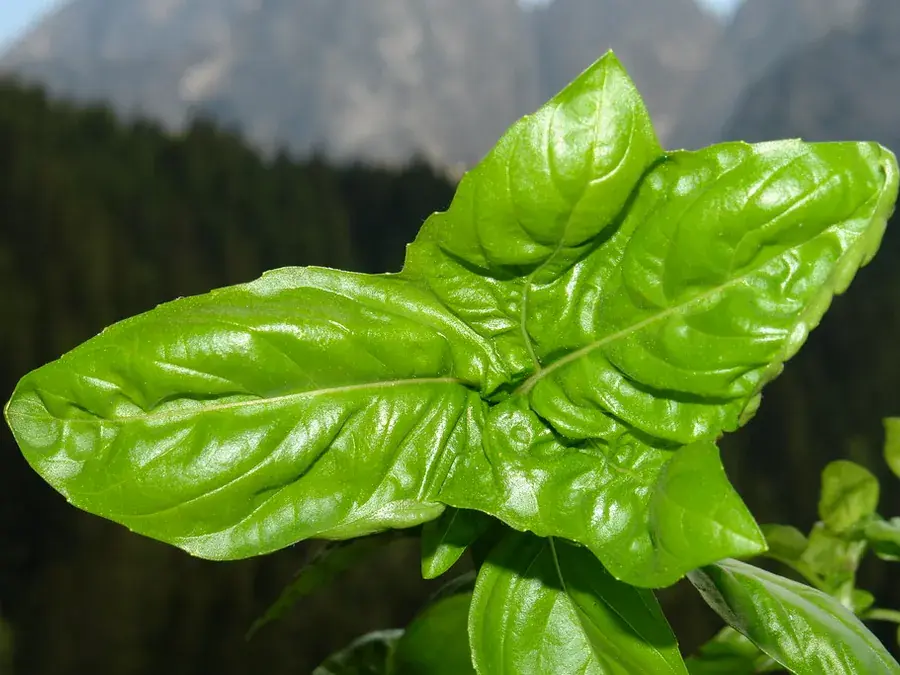 TenderHerbsPicked Jul–Sep
Basil
The most tender thing in the garden and the worst herb to dry — pesto in the freezer is the whole plan.
FreezingPick, store, put up →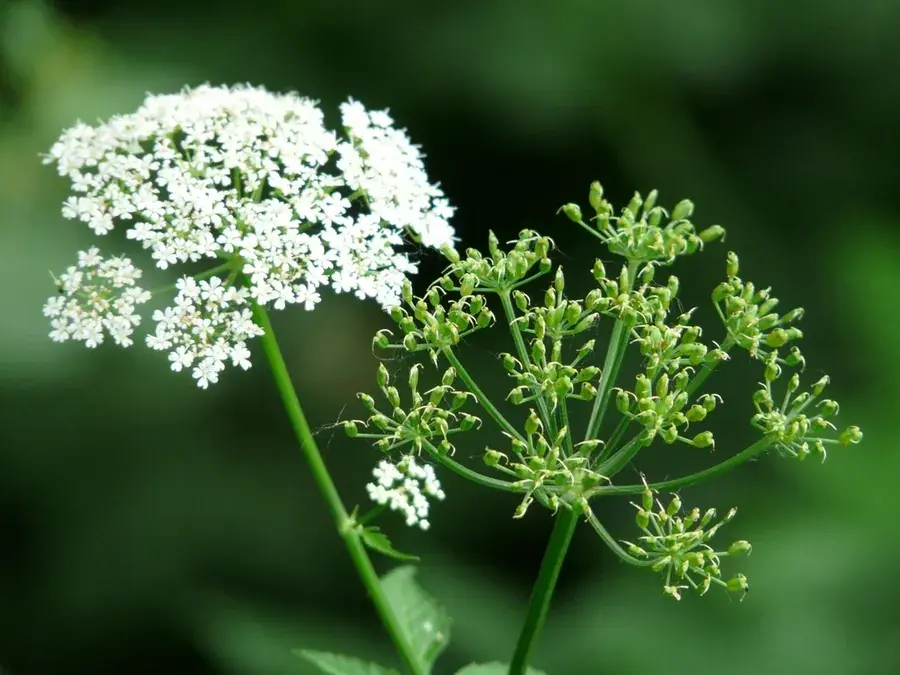 Half-hardyHerbsPicked Jun–Sep
Dill
Two crops from one plant — feathery dill weed in June, and the seed heads that make a pickle a pickle in August.
Freezing · Drying · PicklingPick, store, put up →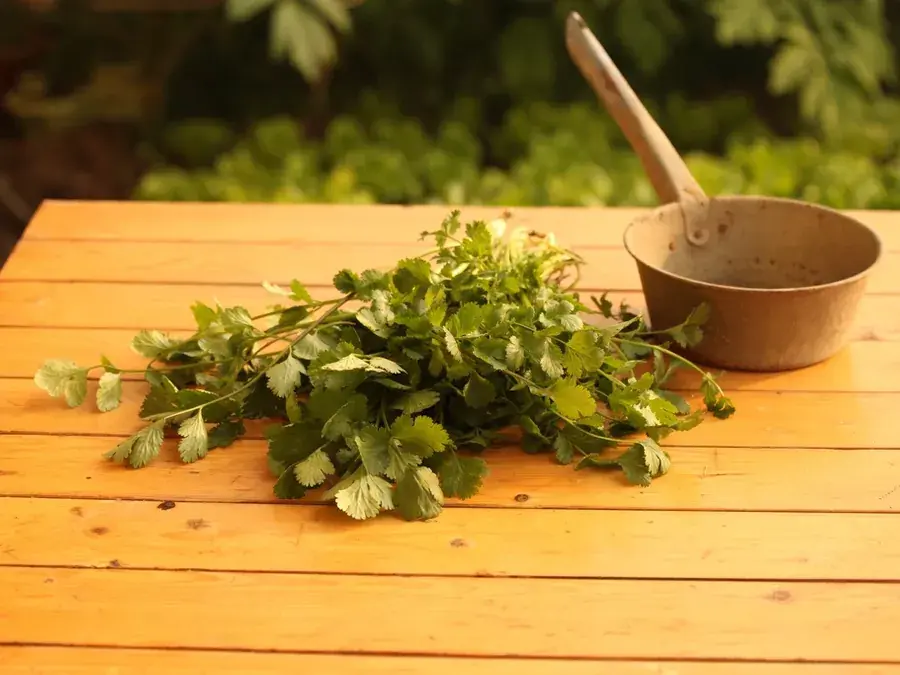 Half-hardyHerbsPicked Jun–Sep
Cilantro (coriander)
Leaves in the cool months, seed in the heat: cilantro bolts the moment summer arrives, and that is the second harvest.
Freezing · DryingPick, store, put up →
Checked against these sources ·
- University of Minnesota Extension: Growing parsley
- OSU Extension: Five cold-hardy herbs to grow at home
- NC State Extension: Winterizing the herb garden
- Penn State Extension: Freezing herbs
- Community Seed Network (SARE): Seed saving guide
Harvest months are typical for zones 4–6 and move by weeks north and south. Storage figures are for the ideal; a house without a cold room will get the shorter end of each range.