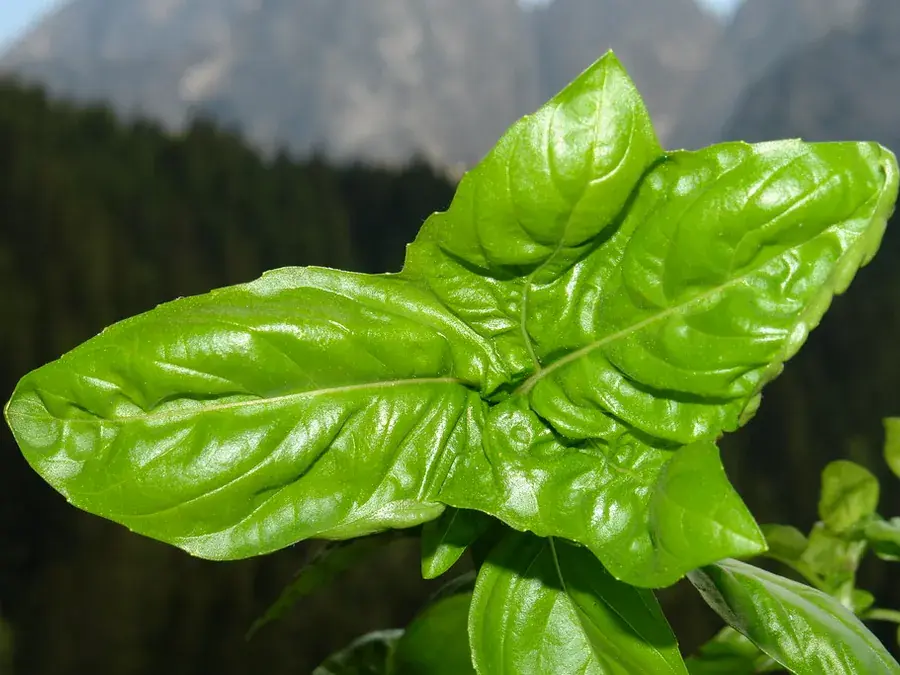
Photo prof.bizzarro on Flickr · CC BY 2.0
Basil
Ocimum basilicum
The most tender thing in the garden and the worst herb to dry — pesto in the freezer is the whole plan.
- Ready when
- From the time a plant is 15–20 cm tall with six or more pairs of leaves, and continuously from then on. Flavour is highest just as the flower buds form and before they open, and falls off once it flowers and sets seed, so the moment you see a flower spike, pinch it out. Pick mid-morning after the dew has dried.
- How to pick
- Cut whole stems back to just above a pair of leaves rather than plucking single leaves; each cut stem branches into two and the plant gets bushier all summer. Never take more than a third at once in midseason. The final harvest, when cold is coming, is the whole plant.
- On a frost night
- Basil is finished by the first frost and damaged well before it. Below about 10 °C it stops growing, and a single night near 5 °C blackens the leaves — the same cold injury a fridge does to it. When the forecast shows a night in the low single digits, do not cover it: cut every plant at the base that afternoon and spend the evening making pesto. There is nothing to save by waiting.
Where it keeps
Storing basil
| Where | Temperature | Humidity | Keeps | How |
|---|---|---|---|---|
| Kitchen counter, stems in water | 15–22 °C59–72 °F | moderate | 3–5 days | Like a bunch of flowers: stems in a glass of water, out of direct sun, a loose plastic bag over the top. Change the water daily. Not the fridge. |
| Fridge, if you must | 4–8 °C39–46 °F | moderate | 1–3 days before the leaves blacken | Dry leaves wrapped in a tea towel inside a bag on the warmest shelf. Cold injury starts below 10 °C, so this is damage control, not storage. |
Putting it up
What to do with too many basil
Basil is the herb that proves the rule: it turns black and tastes of hay when dried, and it blackens in the fridge, so the freezer is the only good home for it. Pesto is the best form — leave the cheese out and stir it in when you thaw — frozen in ice-cube trays or pressed flat in a bag, with a film of oil on top against browning. Chopped basil covered with oil in ice-cube trays is the quick version. Whole leaves blanched for 15 seconds, cooled and frozen flat keep their green for soup. Now the rule that matters: anything made of basil, garlic and oil must stay frozen or be eaten from the fridge within four days. Oil shuts out air, and basil and garlic are low-acid, which is exactly the setting where Clostridium botulinum grows; a jar of basil in oil on the counter or in the back of the fridge for weeks is a real hazard, and no tested process exists for canning pesto. Basil vinegar, by contrast, is acid and safe on the shelf.
The fastest route and the one that keeps flavour best.
- Freezing
Basil pesto cubes, frozen
Pick the basil before the first frost night takes it, blitz it, freeze it in cubes. One cube on hot pasta in February is the whole point of the herb bed.
About 375 ml of pesto, 24 ice-cube-tray cubes, from 2 cups of leaves · 20 minutes active
The recipe → - Drying
Dried herbs, air-dried and dehydrated
Bunches of thyme hanging from a nail, basil laid flat in the dehydrator: the whole herb bed in six jars before the frost takes it.
A loose grocery bag of fresh herbs dries down to one or two 250 ml jars · 20 minutes active
The recipe →
Saving seed
Crosses with its neighbours — needs isolation
Let one or two plants flower at the end of August and stand until the flower spikes go brown and dry. Strip the spikes into a bowl, crumble the dry calyxes between your fingers and the small black seeds fall out; blow the chaff away. Basil is insect-pollinated and different basils cross with each other — Genovese next to Thai or lemon basil gives you muddled seedlings — so save seed from a single variety, or from the plant furthest from the others. Most garden basils are open-pollinated and come true; a few disease-resistant ones are hybrids and the packet will say so.
Keeps: About 5 years, stored cool and dry.
The seed-saving guide →Next year
Planning basil for next season
Warmth is everything: start seed indoors 4–6 weeks before the last frost under lights, and do not plant out until a week or two after it, when nights stay above 10 °C and the soil is warm — a basil put out in a cold May never recovers. Full sun, fertile soil, 25–30 cm apart, steady water, and pinch the tops from the start. Sow a second batch in June for September. Basil downy mildew now reaches most of eastern Canada in late summer; resistant varieties (the packet will say) and airy spacing are the answer. In zones 3–4 it is a transplant-only, under-cover-until-late-June crop, and still the first thing to go in September.
Basil at a glance
- Botanical name
- Ocimum basilicum
- Group
- Herbs
- Picked
- July, August, September
- Frost
- Tender: finished by the first frost.
- Best put up as
- freezing
- Seed
- Crosses with its neighbours — needs isolation
Questions people ask about basil
What temperature kills basil?
Frost kills it outright, but it is damaged long before that: below about 10 °C it stops growing, and one night around 5 °C blackens the leaves. In most of southern Canada that means the first week or two of September is basil’s last. When a single-digit night is forecast, cut the whole plant and make pesto rather than covering it.
How do you store fresh basil?
Not in the fridge — cold turns the leaves black within a day or two. Stand the stems in a glass of water on the counter out of direct sun, with a loose bag over the top, and change the water daily; it keeps three to five days that way and often roots. If it must go in the fridge, wrap dry leaves in a tea towel and use them within a day.
Can you freeze basil?
Yes, and it is the only good way to keep it. Make pesto without the cheese and freeze it in ice-cube trays or flat in bags; or chop the leaves, pack them in ice-cube trays and cover with oil; or blanch whole leaves 15 seconds and freeze them flat. Thawed basil is limp and dark but tastes right in anything cooked. Keep the oil versions frozen until the day you use them.
Can you dry basil?
You can, and you will wish you had not: dried basil goes black-brown and loses nearly all its flavour, which is why the jar in the shop tastes of nothing. Thyme, oregano and sage dry well; basil, parsley, chives and cilantro do not. Freeze it instead.
Is basil in oil safe?
Only frozen, or in the fridge for no more than four days. Oil keeps air away from the basil and garlic, and both are low-acid, which is the combination that lets botulism bacteria grow without any sign of spoilage. Pesto follows the same rule — four days refrigerated or into the freezer — and there is no safe way to can it at home. If you want basil on the shelf, make basil vinegar: the acid does the work.
How do you save basil seeds?
Let a plant or two flower in late summer and dry on the stem until the spikes are brown. Crumble the dry flower heads between your fingers, pick out the small black seeds and blow away the chaff. Basil crosses with other basils by insects, so save from one variety grown on its own, and expect the seed to keep about five years.
What can kids do with basil?
Pinching off the flower buds is a perfect small job — it needs doing every few days all summer and it keeps the plant producing. Basil is safe to eat raw straight off the plant, and a leaf rubbed between the fingers is the best smell in the garden. Tearing leaves for the pesto bowl beats chopping, and a child can run the salad spinner.
Your own frost dates
When does this come in where you are?
Enter a town, postal code or ZIP and the garden year, the frost watch and this week’s guide are built from your own weather.
Also in herbs
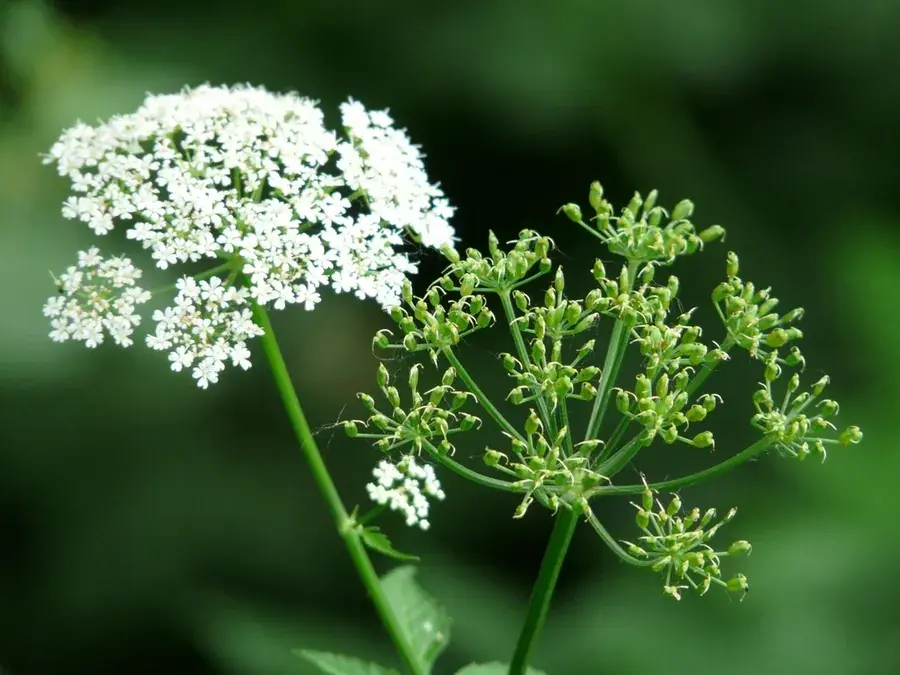 Half-hardyHerbsPicked Jun–Sep
Dill
Two crops from one plant — feathery dill weed in June, and the seed heads that make a pickle a pickle in August.
Freezing · Drying · PicklingPick, store, put up →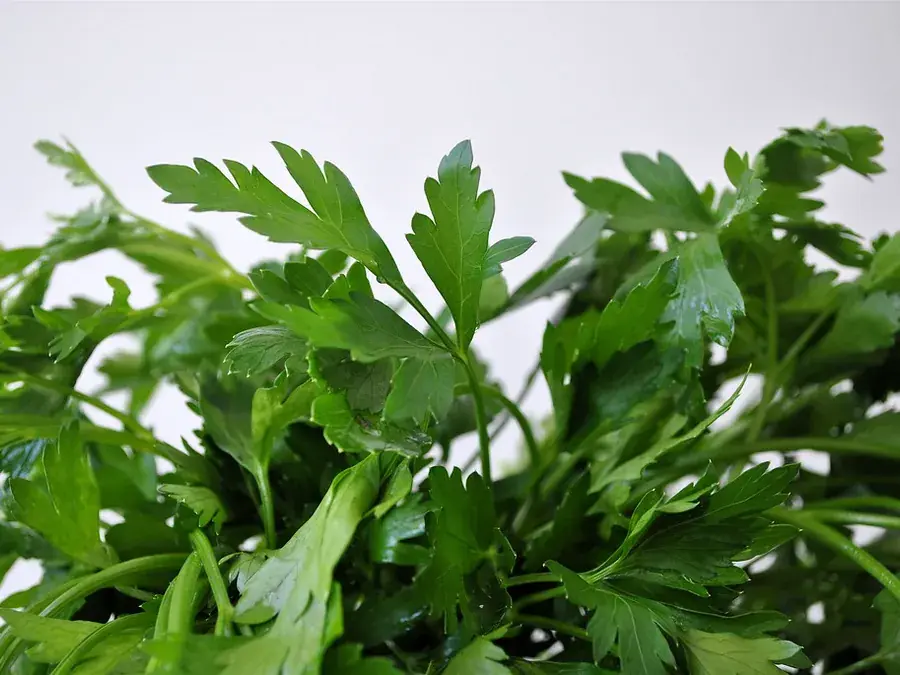 HardyHerbsPicked Jun–Oct
Parsley
The herb that stands green through the first snows — and the one that is worthless dried.
Freezing · DryingPick, store, put up →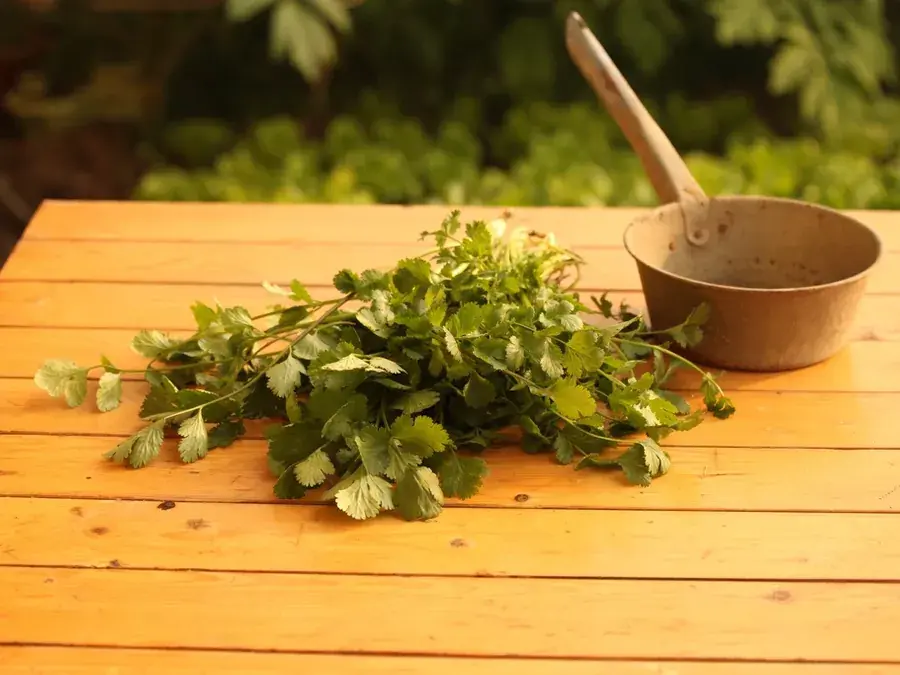 Half-hardyHerbsPicked Jun–Sep
Cilantro (coriander)
Leaves in the cool months, seed in the heat: cilantro bolts the moment summer arrives, and that is the second harvest.
Freezing · DryingPick, store, put up →
Checked against these sources ·
- Iowa State University Extension: Growing basil in the home garden
- OSU Extension: Herbs and vegetables in oil (SP 50-701)
- Penn State Extension: Freezing herbs
- University of Saskatchewan: Drying herbs
- University of Minnesota Extension: A quick guide to herbs
Harvest months are typical for zones 4–6 and move by weeks north and south. Storage figures are for the ideal; a house without a cold room will get the shorter end of each range.