Photo Unknown photographer via Openverse · CC0 (public domain)
Dill
Anethum graveolens
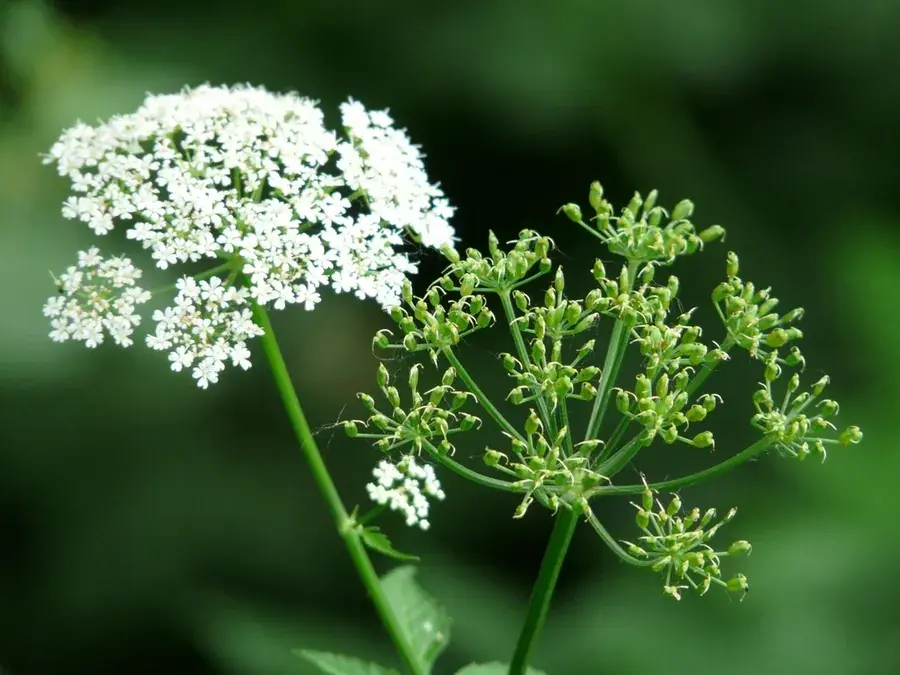
Two crops from one plant — feathery dill weed in June, and the seed heads that make a pickle a pickle in August.
- Ready when
- Leaves (dill weed) from the time the plant is 20 cm tall until the flower stalk starts to rise, with the flavour at its best just as the first flower buds open — after that the plant puts everything into seed. Heads for pickling at the stage most recipes mean: the flowers finished, the seeds formed but still green and soft, the head flat and flexible. Seed for the jar or next year when the heads turn tan-brown and the seeds come off at a touch, about two or three weeks after flowering.
- How to pick
- Snip fronds from the outside of the plant in the morning. For pickle heads cut a 20–30 cm length of stalk with the umbel on it. For seed, cut the heads a little before they are fully brown — the ripe seed falls off at a shake — and hang them upside down inside a paper bag with a few holes in it in a warm, airy room for one to two weeks, then shake the bag. Umbels ripen at different times on one plant, so go over it twice.
- On a frost night
- Dill takes a light frost of −1 to −2 °C without much harm — seedlings sown in early spring come through several — but a hard frost blackens the foliage and ends it. The evening before a hard frost, cut the remaining fronds for the freezer and any brown seed heads into a paper bag. Leave a few heads standing: the seed that falls now is next year’s first dill, up in April before you could have sown it.
Where it keeps
Storing dill
| Where | Temperature | Humidity | Keeps | How |
|---|---|---|---|---|
| Fridge crisper | 0–4 °C32–39 °F | high | 3–5 days for fronds; a week for heads | Stems in a jar of water with a bag over the top, or fronds rolled in a damp towel inside a bag. |
| Pantry, for seed | 10–20 °C50–68 °F | dry | A year for flavour, longer for sowing | Fully dry seed in a sealed jar out of the light. |
Putting it up
What to do with too many dill
Dill weed freezes: chop the fronds and pack them into ice-cube trays with water, or wrap three or four whole stems in plastic and foil and freeze them for snipping. It darkens a little and loses a touch of flavour frozen, and a great deal more dried — dill weed has enough moisture to mould in a bunch and most of its flavour is in oils that go in the drying, so dry it only on screens, fast, and expect a shadow of the fresh herb. The seed, on the other hand, dries perfectly in a paper bag and keeps a year in a jar. The famous use is the dill pickle, which is a water-bath pickle made by a tested recipe with 5 % vinegar and the dill head added at the amount given; dill is a flavouring there, and the vinegar does the preserving. Dill in oil is subject to the same rule as every herb in oil: refrigerate four days or freeze.
The fastest route and the one that keeps flavour best.
A dehydrator or a low oven; light, keeps for a year.
Vinegar does the preserving; the canner just seals the jar.
- Pickling
Quick fresh-pack dill pickles
Kosher-style dills without the weeks of fermenting: an overnight salt soak, a hot spiced brine, and a short bath.
7–9 × 500 ml (pint) jars · 1 hour over two days active
The recipe → - Pickling
Dilly beans (pickled green beans)
Whole beans standing to attention in a garlicky dill brine — the first jar most families let the children pack.
About 8 × 500 ml (pint) jars · 45 minutes active
The recipe → - Fermenting
Brine-fermented dill pickles
Real deli pickles: cucumbers, dill, garlic and a salt brine, soured by the same bacteria that make kraut. No vinegar bite, just depth.
About 2 × 1 L jars of pickles per 4 L (1 gallon) crock · 30 minutes active
The recipe → - Drying
Dried herbs, air-dried and dehydrated
Bunches of thyme hanging from a nail, basil laid flat in the dehydrator: the whole herb bed in six jars before the frost takes it.
A loose grocery bag of fresh herbs dries down to one or two 250 ml jars · 20 minutes active
The recipe →
Saving seed
Crosses with its neighbours — needs isolation
Dill is the easiest seed in the garden to save because it saves itself: let a few heads ripen and shatter and you will have volunteers forever. For a jar of seed, cut heads as they go brown, dry them upside down in a paper bag, shake, and winnow the chaff. It is an annual, insect-pollinated, and different dill varieties (Bouquet, Mammoth, Dukat, Fernleaf) cross with each other if they flower together — grow one variety for seed, or accept a mix. Whether dill crosses with fennel is argued over; keep them apart if you are saving either.
Keeps: 3–5 years, stored cool and dry.
The seed-saving guide →Next year
Planning dill for next season
Direct sow — dill has a taproot and sulks when transplanted — a week or two before the last frost, 5 mm deep in full sun, and again every two to three weeks until midsummer for a steady supply of fronds. For pickle heads, sow a batch the week you plant the cucumbers: dill takes about eight to ten weeks from sowing to flower heads, which lines the heads up with the cucumber flush in August. Thin to 15–30 cm, do not feed it much, and let the last patch of the year self-sow where you want dill next spring. It is in the carrot family, so keep it out of the beds where carrots, parsnips, parsley and cilantro grew last year. Black swallowtail caterpillars eat dill; sow enough to share. In zones 3–4 it does everything it does elsewhere, a fortnight later.
Dill at a glance
- Botanical name
- Anethum graveolens
- Group
- Herbs
- Picked
- June, July, August, September
- Frost
- Half-hardy: scorched by a light frost, killed at −3 °c.
- Best put up as
- freezing, drying, pickling
- Seed
- Crosses with its neighbours — needs isolation
Questions people ask about dill
When do you harvest dill heads for pickles?
When the yellow flowers have finished and the seeds have formed but are still green and soft, with the head flat and flexible rather than brown and brittle — usually two weeks after flowering. That is the stage the tested pickle recipes mean by a ‘dill head’. If your cucumbers are ready and the dill is not, use the fronds plus a teaspoon of dill seed per jar from last year’s harvest.
How do you harvest and dry dill seed?
Cut the heads when they turn tan and the first seeds come off at a touch — a little early is better than losing them to the wind. Hang the heads upside down inside a paper bag with air holes in a warm room for one to two weeks, then shake the bag and winnow off the chaff. Store the seed in a jar; it keeps a year for cooking and three to five for sowing.
Can you freeze dill?
Yes, and it is better than drying it. Chop the fronds into ice-cube trays with water and top up, or wrap small bundles of whole stems in plastic and foil and snip from them frozen. The colour darkens a little but the flavour holds well in anything cooked. Add dill at the end of cooking either way; heat drives the flavour off.
Can you dry dill?
The seed, perfectly; the leaves, poorly. Dill weed holds a lot of water and moulds in a hanging bunch, and the flavour is in oils that evaporate as it dries, so dried dill weed is faint at best. If you must, dry it fast in a thin layer on a screen or in a dehydrator under 45 °C. Otherwise freeze the fronds and dry the heads.
Does dill come back every year?
The plant is an annual and dies with the hard frosts, but it self-sows so reliably that most gardens have dill forever once they have had it once. Leave a few heads to ripen and shatter in September; the seedlings come up in April, weeks before you could have sown them, and they are the best dill of the year. Pull the ones you do not want.
Is dill frost hardy?
Half-way. Seedlings sown before the last frost come through light frosts, and in autumn the plant takes −1 to −2 °C without much damage; a hard frost blackens it. Dill does not need covering — cut the last fronds for the freezer and the brown heads for seed the evening before a hard frost and let the rest go.
Is dill safe for kids in the garden?
Yes — the whole plant is edible, the flowers included, and a child who chews a few green dill seeds has found one of the garden’s best snacks. The thing to look for together is the black swallowtail caterpillar, green with black and yellow bands, which eats dill, parsley and carrot tops: plant enough to share and watch it turn into a butterfly in the fall rather than pulling it off.
Your own frost dates
When does this come in where you are?
Enter a town, postal code or ZIP and the garden year, the frost watch and this week’s guide are built from your own weather.
Also in herbs
 TenderHerbsPicked Jul–Sep
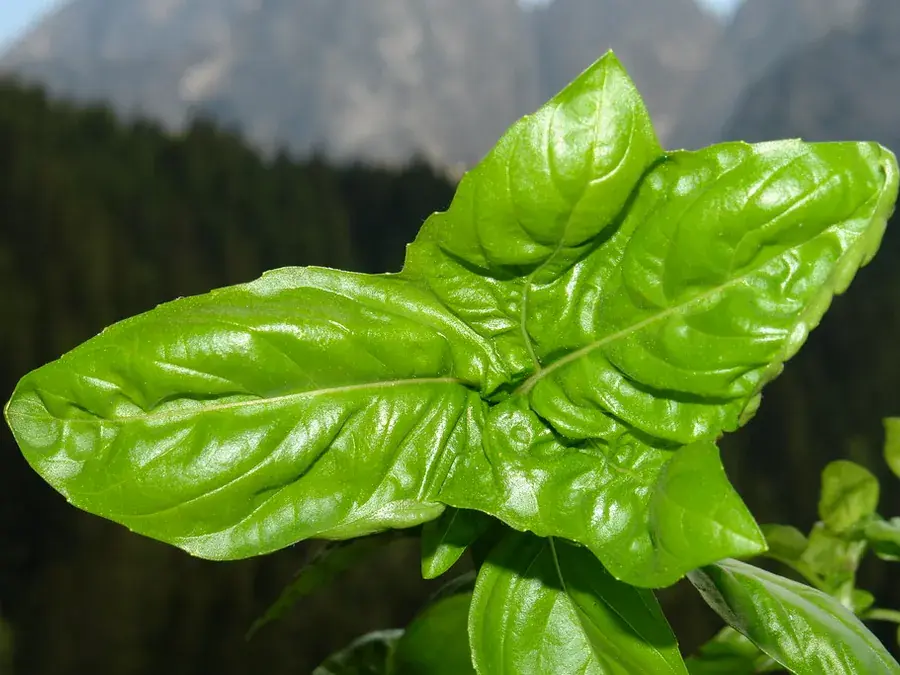
Basil
The most tender thing in the garden and the worst herb to dry — pesto in the freezer is the whole plan.
FreezingPick, store, put up →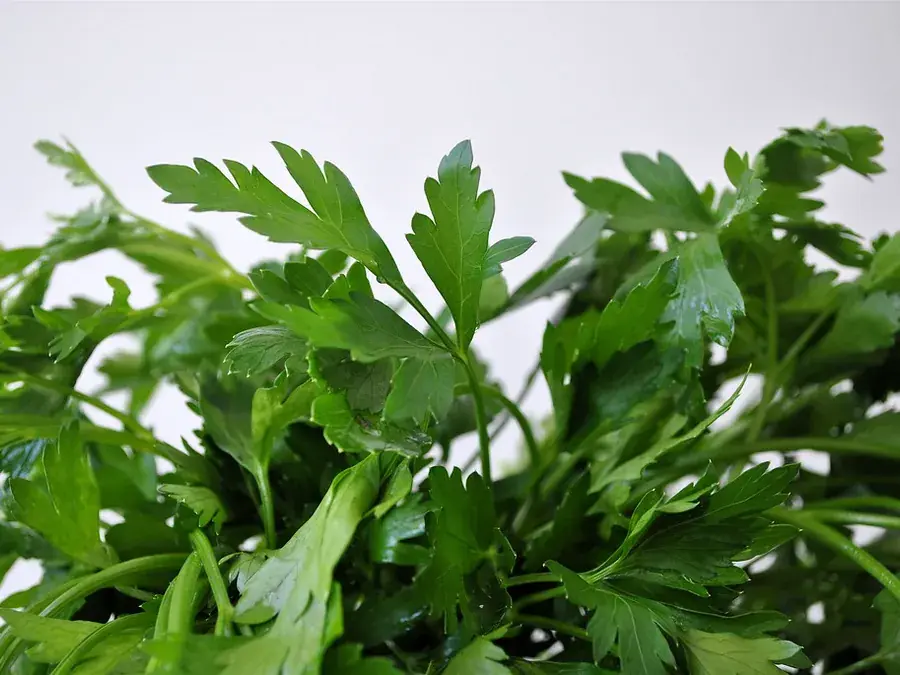 HardyHerbsPicked Jun–Oct
Parsley
The herb that stands green through the first snows — and the one that is worthless dried.
Freezing · DryingPick, store, put up →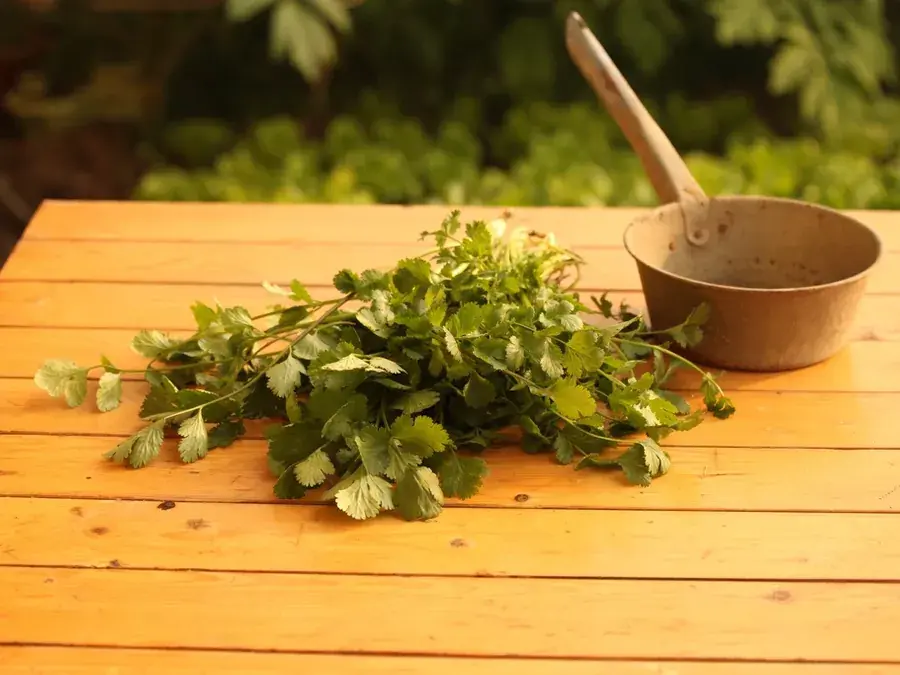 Half-hardyHerbsPicked Jun–Sep
Cilantro (coriander)
Leaves in the cool months, seed in the heat: cilantro bolts the moment summer arrives, and that is the second harvest.
Freezing · DryingPick, store, put up →
Checked against these sources ·
- University of Minnesota Extension: Growing dill
- Utah State University Extension: Dill in the garden
- UW–Madison Extension: Dill
- Penn State Extension: Freezing herbs
- Community Seed Network (SARE): Seed saving guide
Harvest months are typical for zones 4–6 and move by weeks north and south. Storage figures are for the ideal; a house without a cold room will get the shorter end of each range.