Brine-fermented dill pickles
Real deli pickles: cucumbers, dill, garlic and a salt brine, soured by the same bacteria that make kraut. No vinegar bite, just depth.
Makes
About 2 × 1 L jars of pickles per 4 L (1 gallon) crock
Active time
30 minutes
Total
3–6 weeks of fermenting
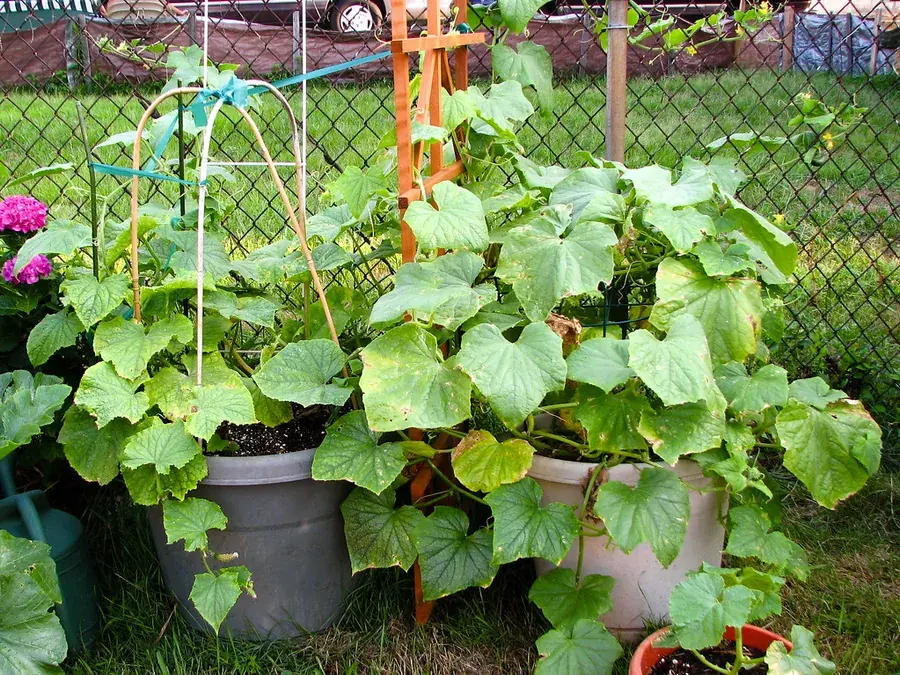
Photo versageek on Flickr · CC BY-SA 2.0
Before you start
What keeps this jar safe
- The brine as mixed is strong — 125 ml salt to 2 L water works out near 7% — because the cucumbers are mostly water and dilute it as they ferment to somewhere around 4%. That is why you cannot cut the salt and why the cucumber weight per container matters.
- Canning or pickling salt only; iodized or anti-caking salt clouds the brine and can slow the ferment.
- Keep everything under the brine and skim scum as soon as you see it. Soft, slimy or foul-smelling pickles are spoiled — do not can or eat them.
- The 5% vinegar is part of the tested recipe; it gives the ferment a safe start. Do not leave it out.
- Use the tested canning times only on properly soured pickles. Half-fermented cucumbers are not acidic enough for a water bath.
This follows NCHFP: Dill pickles (fermented). Quantities, acid and times are theirs; do not scale the vegetables without scaling everything, and do not change the vinegar, lemon juice or processing time.
Ingredients
- 1.8 kg (4 lb) pickling cucumbers about 10 cm (4 inches) long, per 4 L (1 gallon) of container
- 2 tablespoons (30 ml) dill seed, or 4–5 heads of fresh or dried dill
- 125 ml (½ cup) canning or pickling salt
- 60 ml (¼ cup) vinegar, 5% acidity
- 2 L (8 cups) water
- Optional: 2 cloves garlic, 2 dried hot red peppers, 2 teaspoons (10 ml) whole mixed pickling spice
Processing
- Jars
- 500 ml (pint) · 1 L (quart) in brackets
- Headspace
- 1.25 cm (½ inch)
- Time at 0–300 m (0–1,000 ft)
- 10 min
- Higher up
- 1 L jars: 15 min. At 305–1,830 m (1,001–6,000 ft): 500 ml 15 min, 1 L 20 min. Above 1,830 m: 500 ml 20 min, 1 L 25 min. Alternative that keeps them crisper: low-temperature pasteurization — jars in water at 49–60 °C, then heat to 82–85 °C (180–185 °F) and hold exactly 30 minutes with a thermometer, never hotter.
Method
- 1
Pick or buy cucumbers no more than a day old; limp ones make hollow pickles. Scrub them gently and cut a thin slice (about 2 mm, 1/16 inch) off the blossom end — it carries an enzyme that softens pickles. Leave a stub of stem.
- 2
Put half the dill and spices (and garlic and peppers, if using) in the bottom of a scrubbed 4 L crock, food-grade bucket or wide glass jar. A child can hand you the cucumbers to stand upright and pack snugly, then add the rest of the dill and spice on top.
- 3
Stir the salt into the water and vinegar until it dissolves, and pour it over the cucumbers so they are covered.
- 4
Set a plate that fits inside the container on top and weight it with a sealed jar of water so the cucumbers stay 2.5–5 cm (1–2 inches) under the brine. Cover with a clean tea towel.
- 5
Keep the container at 21–24 °C (70–75 °F) for about 3–4 weeks. At 13–18 °C (55–65 °F) it takes 5–6 weeks. Avoid anything above 27 °C (80 °F) — the pickles soften and spoil.
- 6
Look in several times a week and skim any white film or scum off the surface at once; rinse the plate and weight before putting them back. If the pickles go soft, slimy or smell bad, throw the batch out.
- 7
They are done when the bubbling has stopped and a pickle cut in half is the same translucent olive colour all the way through, with no white core. Taste one.
- 8
For the fridge: leave them in their brine, covered, and keep skimming. To can: pour the brine into a pot, bring to a boil and simmer 5 minutes, straining through coffee filters if you want it clear. Pack the pickles into hot jars, cover with the hot brine leaving 1.25 cm (½ inch) headspace, free the bubbles, wipe the rims and fit the lids fingertip-tight. Process in a boiling-water canner: 500 ml jars 10 minutes, 1 L jars 15 minutes at 0–300 m. Cool 12–24 hours and check the seals.
Keeps: In the fridge in their brine, 4–6 months, as long as you keep skimming the surface. Canned, best within a year; refrigerate after opening.
Variations: A few grape, oak, horseradish or black-currant leaves in the crock add tannin and help with crunch.
Tested source: NCHFP: Dill pickles (fermented). Checked October 2026. If a jar did not seal, refrigerate it and use it within a few days. Never taste anything from a jar that is bulging, leaking, spurting or smells wrong — when in doubt, throw it out without tasting.
The crop
Cucumbers: when to pick, how to store, what else to make →
Pickling is the only real way to keep a cucumber, and it comes in two flavours. Fresh-pack (quick) pickles are cucumbers in a hot 5% vinegar brine, water-bath processed by a tested recipe — dills, bread-and-butters, relish. Fermented pickles are the old way: cucumbers in a salt brine in a crock for three to four weeks at 21–24 °C (cooler takes five or six), turning sour on their own, then refrigerated or canned. Both start the same way — small, fresh, unwaxed pickling cucumbers, with a 1.5 mm (1/16 in) slice taken off the blossom end, because the blossom carries an enzyme that softens the whole jar. Use 5% vinegar and never dilute it, pickling salt, and the recipe’s exact ratios. What does not work is freezing: a frozen cucumber thaws limp, water-logged and off-flavoured. The one exception is ‘freezer pickles’, where slices are salted and sugared in vinegar first and the texture is part of the deal. Canning plain cucumbers in water is not a thing.
More for cucumbers
- Pickling
Quick fresh-pack dill pickles
Kosher-style dills without the weeks of fermenting: an overnight salt soak, a hot spiced brine, and a short bath.
7–9 × 500 ml (pint) jars · 1 hour over two days active
The recipe → - Pickling
Bread-and-butter pickles
Sweet, turmeric-yellow cucumber and onion slices — the pickle most children will actually eat, and the one that uses up the big cucumbers.
About 8 × 500 ml (pint) jars · 1¼ hours active
The recipe →