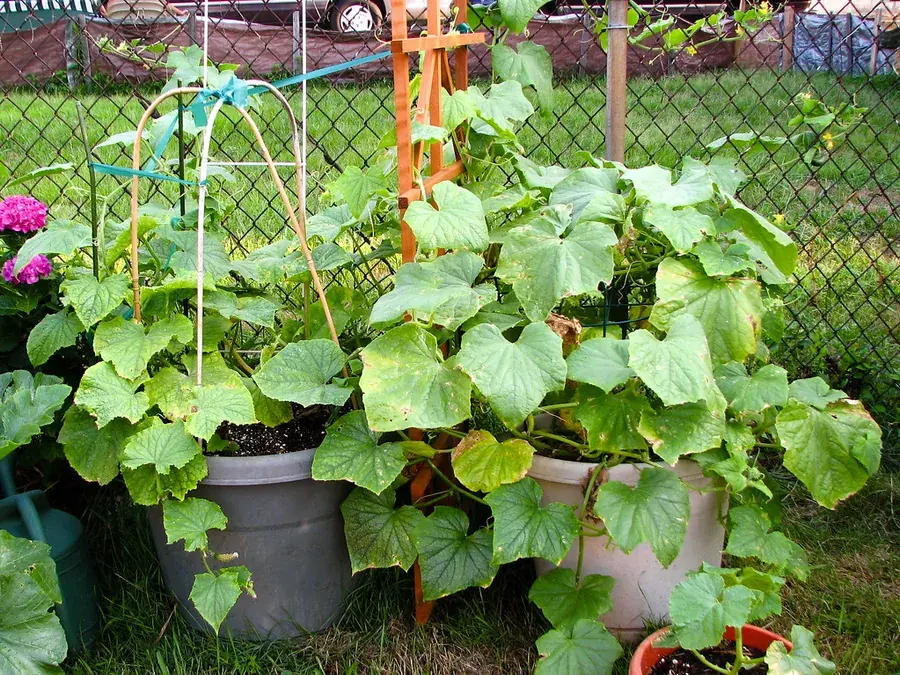
Photo versageek on Flickr · CC BY-SA 2.0
Cucumbers
Cucumis sativus
Eaten within a week or pickled within a day — a cucumber has no middle option.
- Ready when
- Pickling types at 5–10 cm (2–4 in) for gherkins and 10 cm (4 in) for dills; slicers at 15–20 cm (6–8 in), dark green, firm and still slightly bumpy. Too late looks like this: pale or yellowing skin, a fat belly, big seeds inside, and a plant that has stopped setting new fruit because it thinks it has done its job.
- How to pick
- Cut or snap the stem just above the fruit every two days in August — missing one for a week costs you a dozen more. Pick in the morning when they are cool and crisp, and do not pick when the vines are wet, which spreads disease. For pickles, pick and brine the same day: cucumbers go soft fast, and the pickling guides say use them within 24 hours.
- On a frost night
- Cucumber vines collapse at 0 °C and the fruit left on them goes water-soaked and soft. By the time frost threatens most vines are finished anyway from mildew and beetles; if yours are still going, pick everything usable the evening before and cover the vines with a sheet if you want one more week. There is no ripening indoors — a cucumber is picked immature and stays what it was.
Where it keeps
Storing cucumbers
| Where | Temperature | Humidity | Keeps | How |
|---|---|---|---|---|
| Cool room or basement | 10–13 °C50–55 °F | high | About a week | In a perforated bag or a box with a damp towel. Cucumbers like cool and humid, which is colder than a kitchen and warmer than a fridge. |
| Fridge crisper | 4–7 °C39–45 °F | high | Up to a week | In a perforated bag. Pitting and soft spots after a week are cold damage, not age. |
Putting it up
What to do with too many cucumbers
Pickling is the only real way to keep a cucumber, and it comes in two flavours. Fresh-pack (quick) pickles are cucumbers in a hot 5% vinegar brine, water-bath processed by a tested recipe — dills, bread-and-butters, relish. Fermented pickles are the old way: cucumbers in a salt brine in a crock for three to four weeks at 21–24 °C (cooler takes five or six), turning sour on their own, then refrigerated or canned. Both start the same way — small, fresh, unwaxed pickling cucumbers, with a 1.5 mm (1/16 in) slice taken off the blossom end, because the blossom carries an enzyme that softens the whole jar. Use 5% vinegar and never dilute it, pickling salt, and the recipe’s exact ratios. What does not work is freezing: a frozen cucumber thaws limp, water-logged and off-flavoured. The one exception is ‘freezer pickles’, where slices are salted and sugared in vinegar first and the texture is part of the deal. Canning plain cucumbers in water is not a thing.
Vinegar does the preserving; the canner just seals the jar.
Salt and time; the bacteria make the acid for you.
- Pickling
Quick fresh-pack dill pickles
Kosher-style dills without the weeks of fermenting: an overnight salt soak, a hot spiced brine, and a short bath.
7–9 × 500 ml (pint) jars · 1 hour over two days active
The recipe → - Pickling
Bread-and-butter pickles
Sweet, turmeric-yellow cucumber and onion slices — the pickle most children will actually eat, and the one that uses up the big cucumbers.
About 8 × 500 ml (pint) jars · 1¼ hours active
The recipe → - Fermenting
Brine-fermented dill pickles
Real deli pickles: cucumbers, dill, garlic and a salt brine, soured by the same bacteria that make kraut. No vinegar bite, just depth.
About 2 × 1 L jars of pickles per 4 L (1 gallon) crock · 30 minutes active
The recipe →
Saving seed
Crosses with its neighbours — needs isolation
Cucumbers have separate male and female flowers and are pollinated by bees, so every cucumber variety in bee range crosses with every other (not with squash or melons — different species). Most modern slicers and many picklers are F1 hybrids and will not come true either, so start with an open-pollinated variety and only one of them, or isolate by 250–800 m (800 ft to ½ mile), or hand-pollinate a few flowers and tape them shut. Seed is nowhere near ready at eating size: leave the chosen fruit on the vine until it is fat, yellow or orange and softening, then wait a few more weeks — roughly 45–60 days after the flower. Scoop the seeds and pulp into a jar with water, ferment 1–3 days at 21–27 °C, pour off the floaters, rinse the heavy seeds, and dry on a plate for a week or two.
Keeps: About 5 years.
The seed-saving guide →Next year
Planning cucumbers for next season
Cucurbit family — keep cucumbers, squash, pumpkins and melons off the same bed for two or three years. Full sun, rich soil, steady water, and a trellis: trellised cucumbers are straighter, cleaner and easier for children to find. Direct sow 1–2 weeks after the last frost once the soil at 2.5 cm (1 in) is 21 °C (70 °F); seed in cold soil rots. Sow 30 cm (12 in) apart along a trellis, or three to a hill 1 m (3 ft) apart. If you must start indoors, do it in pots no more than 3–4 weeks before planting out and move them without disturbing the roots. In zones 3–4 use black plastic or a dark mulch to warm the soil and pick a 50–55-day variety.
Cucumbers at a glance
- Botanical name
- Cucumis sativus
- Group
- Fruiting vegetables
- Picked
- July, August, September
- Frost
- Tender: finished by the first frost.
- Best put up as
- pickling, fermenting
- Seed
- Crosses with its neighbours — needs isolation
Questions people ask about cucumbers
Why are my cucumbers bitter?
Bitterness is cucurbitacin, a compound the plant makes in its leaves and stems and pushes into the fruit when it is stressed — hot, dry spells are the usual cause. It concentrates at the stem end and just under the skin, so cut off the stem end and peel and most of it goes. Water deeply once a week in hot weather and look for ‘bitter-free’ varieties, which also attract fewer cucumber beetles.
Can you freeze cucumbers?
Not usefully. A frozen cucumber thaws limp and water-logged with an off flavour, which is why cucumbers appear on the official list of foods that do not freeze well. The exception is freezer pickles, where sliced cucumbers are salted, then packed in a sweet vinegar syrup and frozen; the texture changes but that is the point. For everything else, pickle them.
What is the difference between pickling and slicing cucumbers?
Pickling types are shorter, blockier, thinner-skinned and bumpier, bred to stay crisp in brine and to be picked small — 5–10 cm. Slicers are longer, smoother and thicker-skinned for eating fresh. You can pickle a slicer in a pinch, but it goes soft; you can eat a pickler fresh any day and many people prefer them.
Why do pickle recipes say to cut off the blossom end?
The blossom end carries enzymes that keep softening the cucumber after it is in the jar, and one soft cucumber turns into a jar of mush. Slice a thin 1.5 mm (1/16 in) piece off the end opposite the stem before brining. It is the single most useful pickle tip there is, along with using cucumbers within a day of picking.
How do I save cucumber seeds?
From an open-pollinated variety grown with no other cucumbers within 250 m, or from flowers you hand-pollinated and taped shut. Leave the fruit until it is fat, yellow-orange and soft, then a few weeks more. Scoop seeds and pulp into water, ferment 1–3 days, rinse the sinkers, dry for a week or two. Good for about five years.
Are cucumbers a good crop for kids?
One of the best: fast, nothing poisonous on the plant, and a trellis puts the fruit at eye level where a four-year-old can find the ones the grown-ups missed. Teach them to pick the small, dark ones and to snap the stem rather than pull the vine. A cucumber eaten warm off the plant, skin and all, is a different food from a fridge one.
Your own frost dates
When does this come in where you are?
Enter a town, postal code or ZIP and the garden year, the frost watch and this week’s guide are built from your own weather.
Also in fruiting vegetables
 TenderFruiting vegetablesPicked Jul–Oct
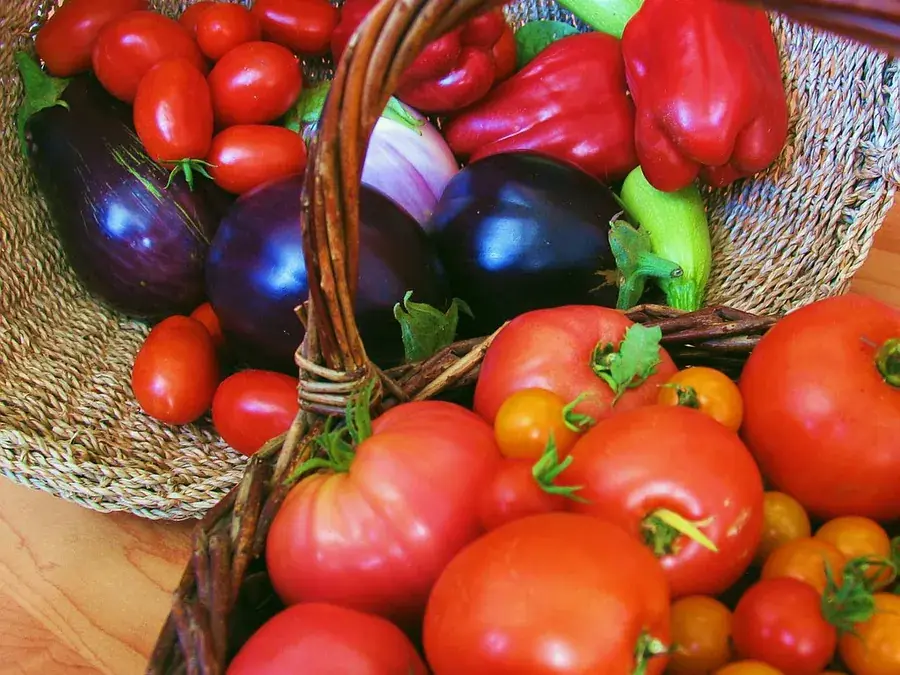
Tomatoes
The crop every garden ends up with too many of at once — and the one most worth putting up.
Water-bath · Freezing · DryingPick, store, put up →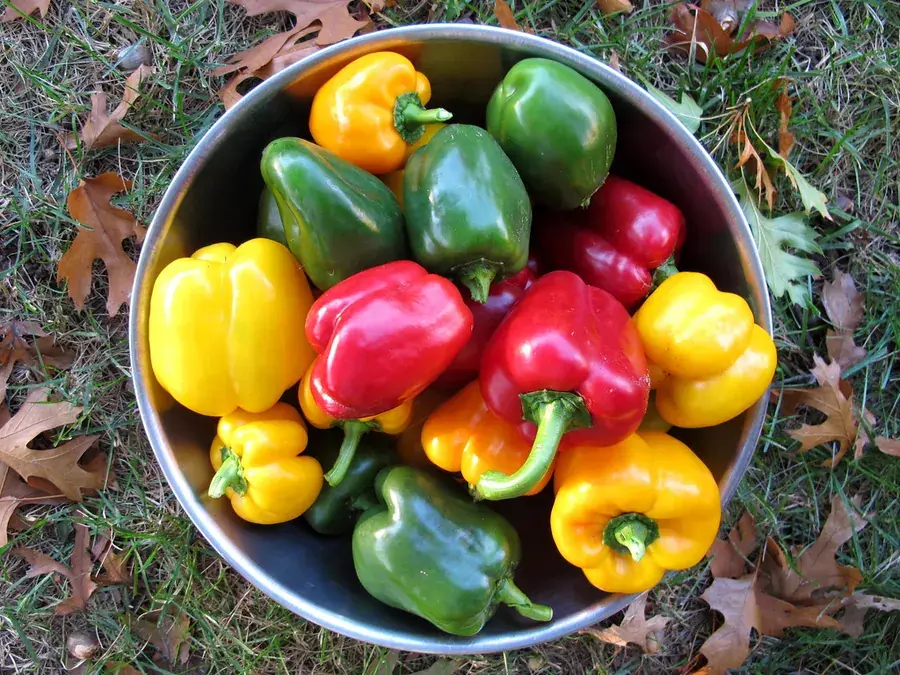 TenderFruiting vegetablesPicked Jul–Oct
Sweet peppers
Slow to colour, quick to freeze — the pepper harvest is a race between the plant and the first frost.
Freezing · Pickling · PressurePick, store, put up →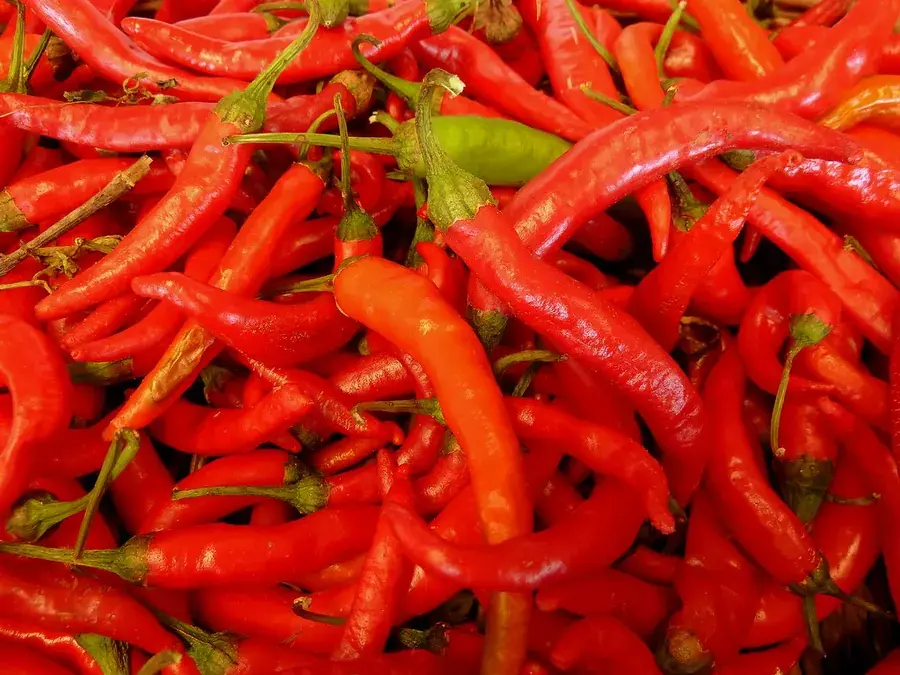 TenderFruiting vegetablesPicked Aug–Oct
Hot peppers
A handful of plants gives a year of heat — dried on a string, pickled in rings, or fermented into sauce.
Drying · Pickling · FermentingPick, store, put up →
Checked against these sources ·
- NCHFP: General information on pickling
- NCHFP: Foods that do not freeze well
- University of Minnesota Extension: Growing cucumbers in home gardens
- Iowa State University Extension: Why are some of my cucumbers bitter?
- Seed Savers Exchange: Cucumber growing and seed saving guide
Harvest months are typical for zones 4–6 and move by weeks north and south. Storage figures are for the ideal; a house without a cold room will get the shorter end of each range.