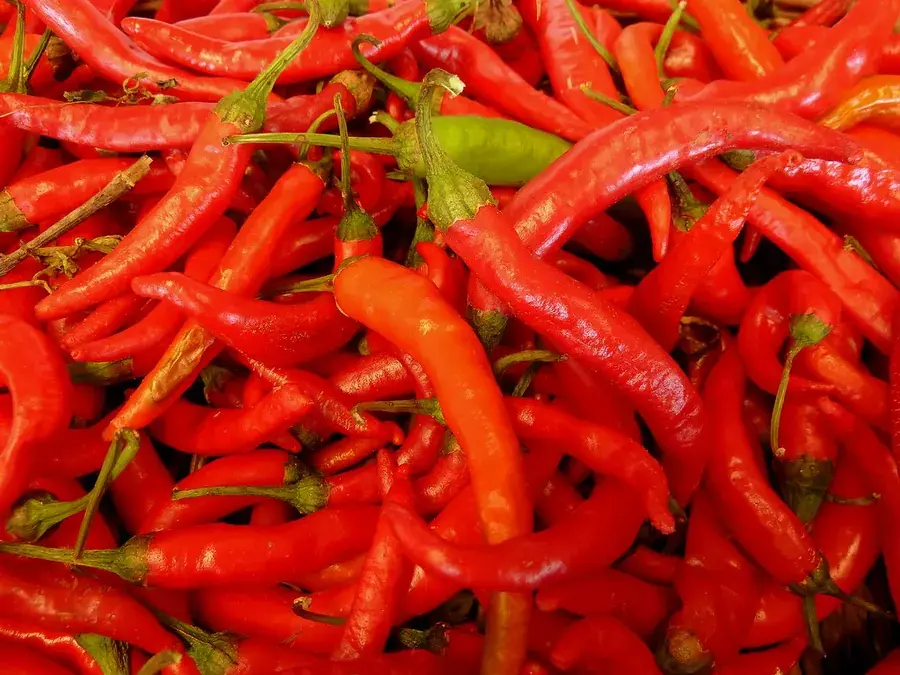
Hot peppers
Capsicum annuum / C. chinense
A handful of plants gives a year of heat — dried on a string, pickled in rings, or fermented into sauce.
- Ready when
- Full size, firm and glossy. Jalapeños are picked green and shiny, often when fine tan ‘corking’ lines appear on the skin; cayennes, Thai and habanero types are picked when fully coloured and just starting to soften. Heat climbs as the fruit ripens, so a red jalapeño is hotter than a green one from the same plant.
- How to pick
- Snip with scissors, stem on, and wear gloves — the capsaicin is in the seeds and the white ribs, and it gets on your fingers through the stem end when you twist fruit off. Do not touch your face, and wash your hands with soap and warm water afterwards; water alone does not shift it.
- On a frost night
- Hot peppers die at 0 °C like any pepper. The evening a frost is forecast, pick everything full-sized: green jalapeños are what you pickle anyway, and red ones that are already turning will finish colouring a little indoors. Fully ripe red cayennes and Thai types are the ones to string up and dry. If the plant is still loaded, pull it whole and hang it upside down somewhere airy — the fruit keeps colouring and drying on the dead plant for weeks. Wear gloves for the whole job.
Where it keeps
Storing hot peppers
| Where | Temperature | Humidity | Keeps | How |
|---|---|---|---|---|
| Cool room or garage | 10–13 °C50–55 °F | high | 2–3 weeks | In a perforated bag or open basket. Thin-walled types start air-drying on their own, which is fine. |
| Fridge crisper | 4–7 °C39–45 °F | high | 2 weeks | In a perforated bag. Expect soft spots and pitting after that — turn them into something before it happens. |
Putting it up
What to do with too many hot peppers
Drying is what hot peppers were made for. Thin-walled kinds — cayenne, Thai, chile de árbol, small red annuums — can be slit, threaded on heavy string and hung somewhere airy for three to four weeks; a ristra is just that, done neatly with fully ripe red pods (green ones shrivel and go a dull orange). Thick-fleshed jalapeños and habaneros mould before they dry in a Canadian October, so give them a dehydrator: 60 °C (140 °F) for two hours, then 54 °C (130 °F) until they are leathery to brittle. Pickled jalapeño rings and pickled hot peppers are tested water-bath recipes — 5% vinegar at the stated ratio, 10 minutes for 500 ml jars near sea level — and so is a cayenne-style pepper sauce made with vinegar. Fermented hot sauce is the current favourite and it is safe done right: a measured salt brine, peppers kept under the brine, three or four weeks at 20–22 °C until the bubbling stops and a pH strip or meter reads 4.6 or lower, then refrigerated. What does not work is treating a ferment as shelf-stable, or canning plain hot peppers in a water bath: fermentation on its own does not make a pantry-safe food, and plain peppers are low-acid and must be pressure-canned. Freezing is the lazy option and it is fine — whole, stems off, no blanching.
A dehydrator or a low oven; light, keeps for a year.
Vinegar does the preserving; the canner just seals the jar.
Salt and time; the bacteria make the acid for you.
The fastest route and the one that keeps flavour best.
- Pickling
Home-style pickled jalapeños
Taqueria-style jalapeño strips with carrot and onion in a plain vinegar brine — the tested, lime-free way to put up a hot-pepper glut.
About 6 × 500 ml (pint) jars · 1 hour active
The recipe → - Fermenting
Fermented hot sauce (refrigerator only)
Brined peppers, soured for a few weeks and blended: the sauce every pepper-grower ends up making. Ours stays in the fridge, because nobody has published a tested canning time for it.
About 500 ml of sauce from 500 g of peppers · 30 minutes active
The recipe → - Drying
Dried hot peppers and chili flakes
A year of chili flakes from a single plant: slice, dry, and crumble. Gloves on, windows open, children at a distance.
1 kg of fresh hot peppers gives about 100–150 g dried — a full 500 ml jar of flakes · 30 minutes active
The recipe → - Water-bath canning
Green tomato salsa verde
The frost-night answer for a counter full of green tomatoes: a sharp, cumin-scented salsa verde in small jars.
About 6 × 250 ml (half-pint) jars · 1 hour active
The recipe → - Freezing
Roasted peppers, frozen
Char them while the grill is still out, then pull a bag of smoky strips for pizza or chili all winter. Sweet or hot, same method.
About 1 kg of fresh peppers gives 500–600 g of roasted strips, enough for four 250 ml tubs · 40 minutes active
The recipe → - Water-bath canning
Choice salsa, water-bath canned
The tested salsa that lets you choose the peppers and onions — mild or fierce — as long as the measured cups and the lemon juice stay exactly as written.
About 6 × 500 ml (pint) jars · 1¼ hours active
The recipe → - Pickling
Zucchini relish
Bernardin’s hot-dog relish for the zucchini that got away — a touch of horseradish and one hot pepper give it its bite.
About 6 × 500 ml (pint) jars · 1½ hours over two days active
The recipe →
Saving seed
Crosses with its neighbours — needs isolation
Many hot varieties — jalapeños, cayennes, Hungarian wax, most habaneros — are open-pollinated and come true if they have not crossed. The problem is that they cross readily with each other and with sweet peppers when bees move between plants, so a mixed pepper bed gives mixed seed. Isolate varieties by 90–500 m (300–1,600 ft) or bag a few flower clusters in organza and mark those fruit. Take seed from fully coloured, slightly soft fruit, up to two weeks past ripe. Wear gloves and work outdoors or by an open window: the dust from dried hot-pepper seed is unpleasant to breathe. Dry the seed on a plate for a week or two.
Keeps: About 3 years.
The seed-saving guide →Next year
Planning hot peppers for next season
Nightshade rotation — not after tomatoes, potatoes, peppers, eggplant or tomatillos for three years. Full sun, the hottest and best-drained bed you have, 45 cm (18 in) apart. Start indoors 8–10 weeks before the last frost on a heat mat; the Capsicum chinense types (habanero, Scotch bonnet) are slower than jalapeños, so start them at the early end. Plant out two weeks after the last frost when nights stay above 10 °C. In zones 3–4 grow jalapeño, cayenne and Hungarian wax types in black pots or against a south wall — habaneros rarely ripen outdoors there without a tunnel.
Hot peppers at a glance
- Botanical name
- Capsicum annuum / C. chinense
- Group
- Fruiting vegetables
- Picked
- August, September, October
- Frost
- Tender: finished by the first frost.
- Best put up as
- drying, pickling, fermenting, freezing
- Seed
- Crosses with its neighbours — needs isolation
Questions people ask about hot peppers
How do you dry hot peppers at home?
Thin-walled peppers like cayenne and Thai: slit each one, thread on heavy string through the stems, and hang in an airy room for three to four weeks until brittle. Thick-walled ones like jalapeños: halve or slice and dry in a dehydrator at 60 °C (140 °F) for two hours, then 54 °C (130 °F) until leathery to brittle — they mould on a string in our autumn humidity. Store dried peppers whole in a jar away from light and grind as you need them.
Is fermented hot sauce safe to make at home?
Yes, with a few rules. Use a measured brine — roughly 1 to 3 tablespoons of salt per litre of water — keep the peppers fully under the brine, and ferment at about 20–22 °C for three to four weeks until the bubbling stops and a pH strip or meter reads 4.6 or lower — if it is still above 4.6, keep fermenting and check again every day or two. Blend, bottle and keep it in the fridge (up to about 9 months); a home ferment is not shelf-stable on its own. If you want jars for the pantry, use a tested vinegar-based pepper sauce recipe and water-bath it.
Can you freeze hot peppers?
Yes, and it is the fastest way: wash, pull the stems, and bag them whole or chopped with no blanching. They thaw soft but the heat and flavour are all there, so slice a frozen jalapeño straight into chilli or salsa. Label the bag — frozen hot peppers look a lot like frozen sweet ones.
How do you pickle jalapeños?
Follow a tested recipe exactly, because peppers are low-acid and the vinegar is what makes the jar safe. The NCHFP pickled jalapeño rings use about 1.4 kg (3 lb) of jalapeños to 1.8 L (7½ cups) of 5% cider vinegar with a little water and pickling salt, after an 18-hour pickling-lime soak and three rinse-and-soak cycles exactly as written, processed 10 minutes in a boiling-water bath for 500 ml (pint) jars near sea level. Never dilute the vinegar to make them milder — pick a milder pepper instead.
How do I save hot pepper seeds?
From an open-pollinated variety and a plant that was not next to other peppers — hot and sweet peppers cross freely through bees, so isolate by 90 m or more or bag a few flowers. Take seed from fully ripe, softening fruit, wearing gloves, and dry on a plate for a week or two. Keeps about three years.
What should kids know about hot peppers?
Grown-ups pick and cut hot peppers, not kids. The heat is an oil called capsaicin that sits in the seeds and white ribs; it does not wash off with plain water, so rubbing an eye after touching one hurts for a long time. The rule in our garden is look, do not touch, and nobody tastes a pepper until a grown-up says which plant it came from. Harvest day is a good day to wear gloves and show them why.
Your own frost dates
When does this come in where you are?
Enter a town, postal code or ZIP and the garden year, the frost watch and this week’s guide are built from your own weather.
Also in fruiting vegetables
 TenderFruiting vegetablesPicked Jul–Oct
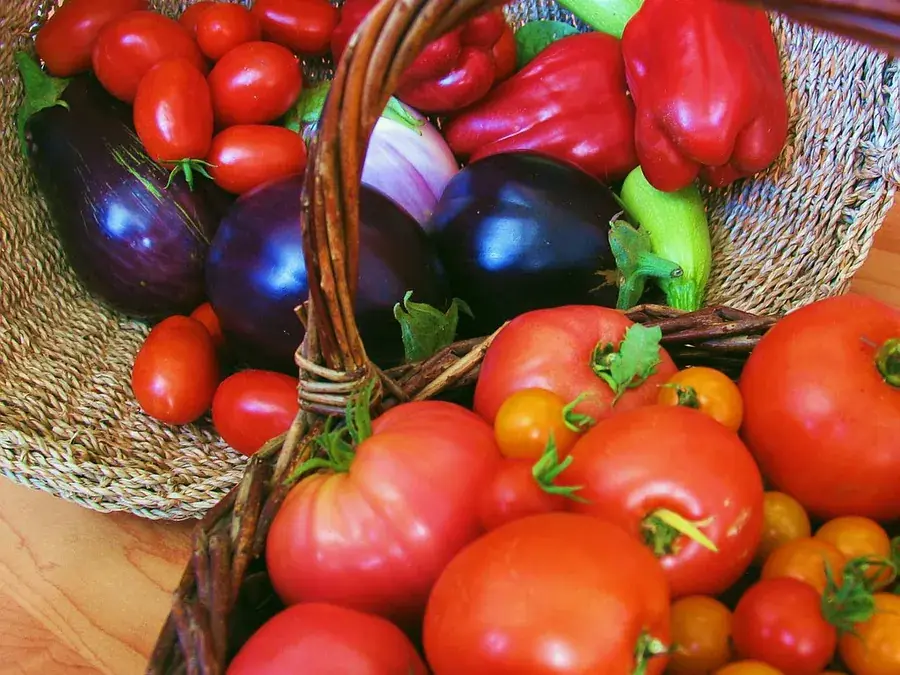
Tomatoes
The crop every garden ends up with too many of at once — and the one most worth putting up.
Water-bath · Freezing · DryingPick, store, put up →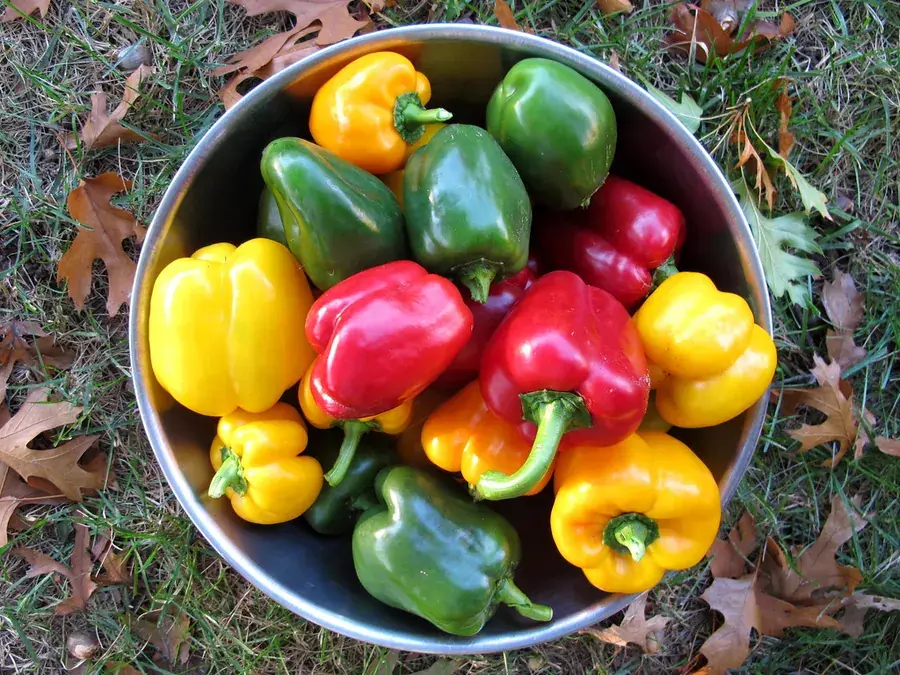 TenderFruiting vegetablesPicked Jul–Oct
Sweet peppers
Slow to colour, quick to freeze — the pepper harvest is a race between the plant and the first frost.
Freezing · Pickling · PressurePick, store, put up →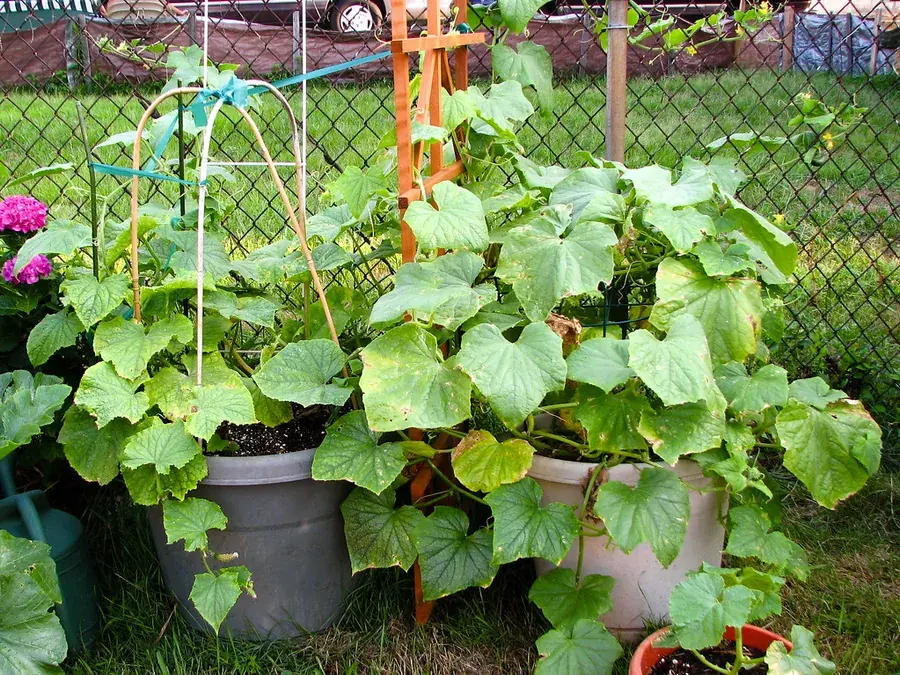 TenderFruiting vegetablesPicked Jul–Sep
Cucumbers
Eaten within a week or pickled within a day — a cucumber has no middle option.
Pickling · FermentingPick, store, put up →
Checked against these sources ·
- NCHFP: Pickled jalapeño rings
- Penn State Extension: Preserving those colorful garden peppers
- University of Minnesota Extension: Preserving food at home — fermentation
- New Mexico State University: Using chile to make ristras and chile sauce
- Seed Savers Exchange: Pepper growing and seed saving guide
Harvest months are typical for zones 4–6 and move by weeks north and south. Storage figures are for the ideal; a house without a cold room will get the shorter end of each range.