Photo OakleyOriginals on Flickr · CC BY 2.0
Sweet peppers
Capsicum annuum
Slow to colour, quick to freeze — the pepper harvest is a race between the plant and the first frost.
- Ready when
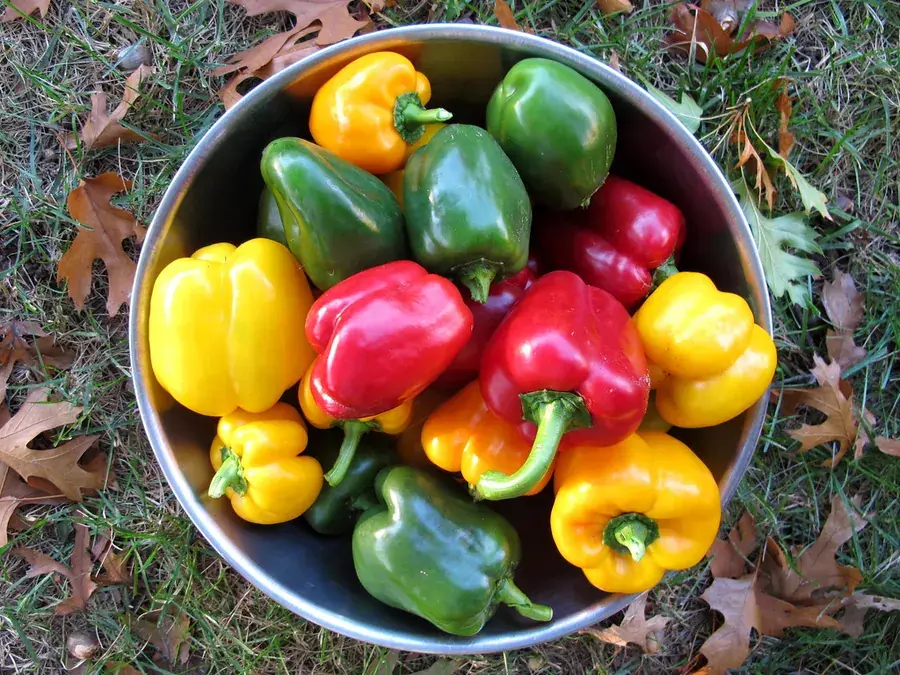
- Full size for the variety, thick-walled, glossy and firm; it snaps off cleanly rather than bending. Green peppers are simply unripe fruit and are perfectly good — bells, jalapeños and most frying types are picked green by the tonne. Leave them on the plant and they turn red, yellow, orange or purple and get sweeter, but each one takes two to three extra weeks and the plant sets fewer new fruit while it waits.
- How to pick
- Cut with scissors or secateurs, leaving a short stub of stem; pulling tears the brittle branches and often takes a chunk of plant with it. Picking green keeps the plant producing; letting a few colour gives you the sweet ones. Handle gently — a bruised pepper rots in days.
- On a frost night
- Peppers die at 0 °C and sulk well before it — a few nights near 5 °C and the plants stop doing much. The evening a frost is forecast, pick every full-sized fruit, green or coloured; peppers do not ripen after picking, so a green one stays green and you may as well eat it that way. A sheet over the plants gets you through one light frost if you want to gamble on a few more coloured ones. If the plant is loaded and the forecast is bad, pull the whole plant and hang it upside down in the garage for a week — the fruit stays firm while you work through it.
Where it keeps
Storing sweet peppers
| Where | Temperature | Humidity | Keeps | How |
|---|---|---|---|---|
| Cool room, garage or basement | 10–13 °C50–55 °F | high | 2 weeks | In a perforated plastic bag or an open box with a damp towel over it. Peppers want cool and humid, not cold. |
| Fridge crisper | 4–7 °C39–45 °F | high | 1–2 weeks | In a perforated bag. The fridge is colder than peppers like; after a couple of weeks the skins pit and soften. |
Putting it up
What to do with too many sweet peppers
Peppers are the easiest vegetable in the garden to freeze: wash, core, slice or dice, and bag them raw — no blanching needed. Raw-frozen peppers stay crisper than blanched ones and go straight from the freezer into a pan, a soup or a stir-fry. Roasting first is the other great option — blister them under the broiler at 200 °C (400 °F) for 6–8 minutes, peel, and freeze the strips. Pickled peppers and pepper relish are classic and safe when you follow a tested recipe exactly, because peppers are a low-acid vegetable and the vinegar ratio is what makes the jar safe. What does not work is canning plain peppers in a water bath, or making your own ‘peppers in oil’ for the pantry: plain peppers must be pressure-canned (35 minutes for 250 ml or 500 ml jars at 10 psi, weighted gauge, near sea level), and oil-packed peppers are a botulism risk unless they are made by the tested NCHFP Marinated Peppers recipe, water-bath processed as written.
The fastest route and the one that keeps flavour best.
Vinegar does the preserving; the canner just seals the jar.
Jars heated above boiling under pressure — the only safe way to can plain vegetables.
A dehydrator or a low oven; light, keeps for a year.
- Freezing
Roasted peppers, frozen
Char them while the grill is still out, then pull a bag of smoky strips for pizza or chili all winter. Sweet or hot, same method.
About 1 kg of fresh peppers gives 500–600 g of roasted strips, enough for four 250 ml tubs · 40 minutes active
The recipe → - Water-bath canning
Choice salsa, water-bath canned
The tested salsa that lets you choose the peppers and onions — mild or fierce — as long as the measured cups and the lemon juice stay exactly as written.
About 6 × 500 ml (pint) jars · 1¼ hours active
The recipe → - Pickling
Zucchini relish
Bernardin’s hot-dog relish for the zucchini that got away — a touch of horseradish and one hot pepper give it its bite.
About 6 × 500 ml (pint) jars · 1½ hours over two days active
The recipe →
Saving seed
Most garden varieties are hybrids
Check the packet first: many of the big blocky bell varieties sold in Canada are F1 hybrids and will not come true. From an open-pollinated variety, let the fruit go fully coloured and just starting to soften, then scrape the seeds out, rinse, and dry on a plate for a week or two until one snaps when you bend it. Peppers mostly self-pollinate, but bees do move pollen between plants, and sweet peppers cross with hot ones — a sweet pepper grown next to jalapeños can give you a hot ‘bell’ next year. Keep varieties 90–500 m (300–1,600 ft) apart, or bag a few flower clusters in organza before they open and mark those fruit for seed.
Keeps: About 3 years.
The seed-saving guide →Next year
Planning sweet peppers for next season
Nightshade family — not where tomatoes, potatoes, peppers, eggplant or tomatillos grew in the last three years. Full sun, the warmest spot you have, fertile soil that holds water, 45 cm (18 in) apart. Peppers are slow: start seed indoors 8–10 weeks before the last frost on a heat mat (they germinate best at 27–32 °C), and plant out two weeks after the last frost once nights stay above 10 °C — set out cold, they stall for the season. In zones 3–4 choose early varieties (60–70 days from transplant), use black plastic or a dark mulch to warm the soil, and plan on eating most of them green.
Sweet peppers at a glance
- Botanical name
- Capsicum annuum
- Group
- Fruiting vegetables
- Picked
- July, August, September, October
- Frost
- Tender: finished by the first frost.
- Best put up as
- freezing, pickling, pressure canning, drying
- Seed
- Most garden varieties are hybrids
Questions people ask about sweet peppers
Will green peppers turn red after picking?
No. Peppers are non-climacteric, which means they do not keep ripening once they are off the plant — that is why green bells sit next to red ones in the shop. A pepper picked part-way through its colour change may deepen a little on the counter, but a solid green one stays green. Pick green ones to eat green, and leave the ones you want coloured on the plant as long as the frost allows.
Can you freeze peppers without blanching?
Yes, and it is the best way to do them. Wash, core, slice or dice, spread on a tray to freeze, then bag. Raw-frozen peppers keep a better texture than blanched ones and are ready for anything cooked. A whole, cored pepper frozen on its own makes a stuffed pepper in February.
How do you store peppers after picking?
Cool and humid, not cold: 10–13 °C in a perforated bag in a basement or cool room keeps them two weeks. The fridge crisper works for a week or two, but after that the skins pit and soften because peppers are sensitive to cold. Do not wash them until you use them.
Can I can peppers at home?
Yes, two ways. Pickled peppers and pepper relish are water-bath canned by a tested recipe with 5% vinegar — never cut the vinegar. Plain peppers are a low-acid vegetable and must be pressure-canned: 35 minutes for 250 ml or 500 ml jars at 10 psi (weighted gauge) near sea level. There is no safe water-bath method for plain peppers, and no safe pantry method for home-made peppers in oil.
How do I save pepper seeds?
Only from an open-pollinated variety — many bells are F1 hybrids. Let the fruit colour fully, scrape out the seeds, and dry them on a plate for a week or two. Peppers cross with other peppers, hot ones included, so isolate varieties by 90 m or more or bag a few flowers. Seed keeps about three years.
Are peppers a good crop for kids?
Sweet peppers are one of the best: no thorns, nothing poisonous on the plant except that the leaves are not food, and a ripe red one eaten in the garden like an apple wins over most four-year-olds. The only rule is to check with a grown-up before biting into any pepper, because a hot one looks a lot like a sweet one and the heat does not wash off a tongue with water.
Your own frost dates
When does this come in where you are?
Enter a town, postal code or ZIP and the garden year, the frost watch and this week’s guide are built from your own weather.
Also in fruiting vegetables
 TenderFruiting vegetablesPicked Jul–Oct
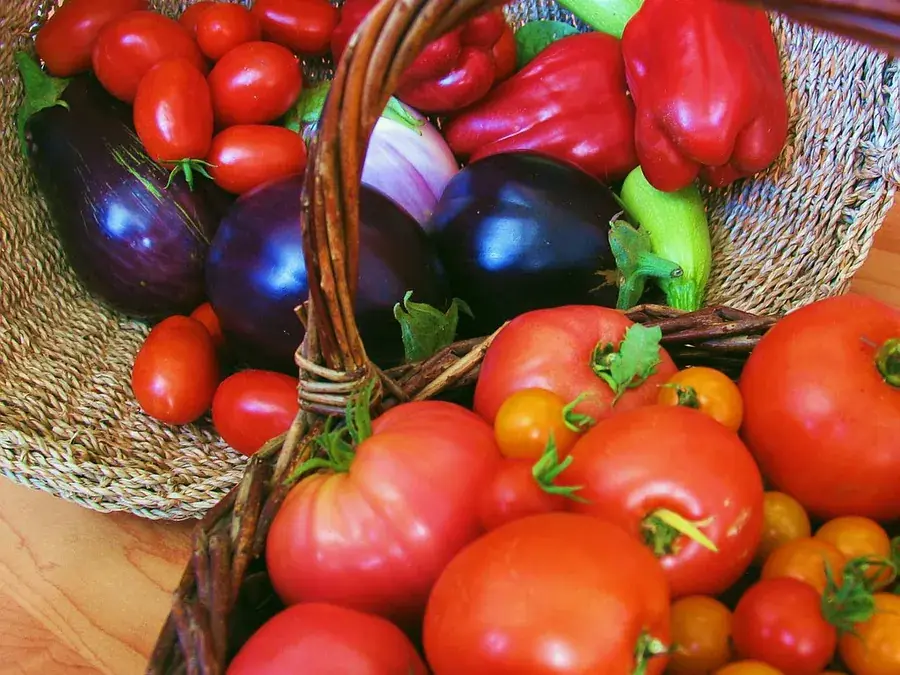
Tomatoes
The crop every garden ends up with too many of at once — and the one most worth putting up.
Water-bath · Freezing · DryingPick, store, put up →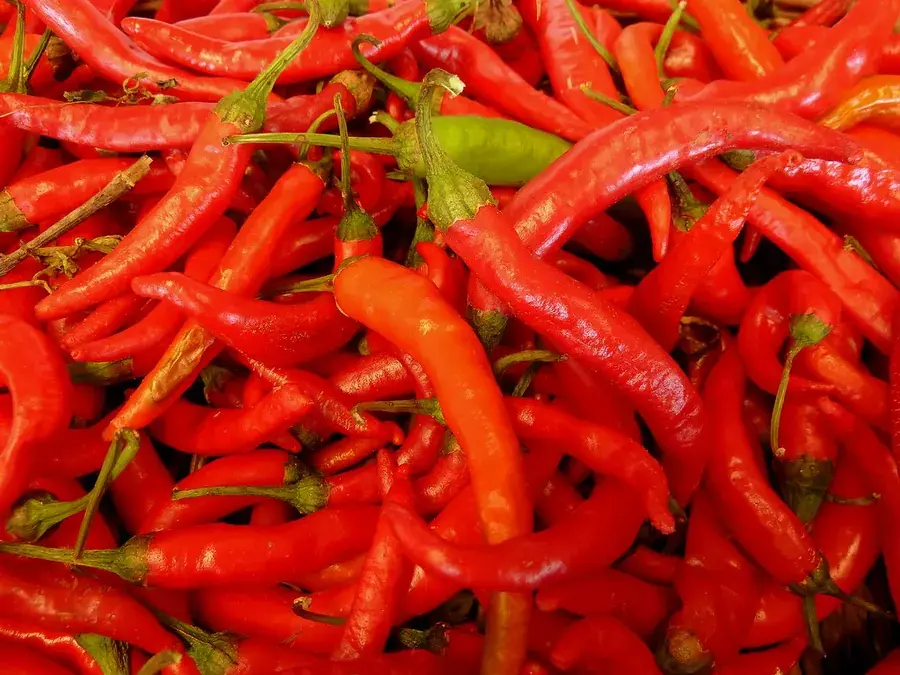 TenderFruiting vegetablesPicked Aug–Oct
Hot peppers
A handful of plants gives a year of heat — dried on a string, pickled in rings, or fermented into sauce.
Drying · Pickling · FermentingPick, store, put up →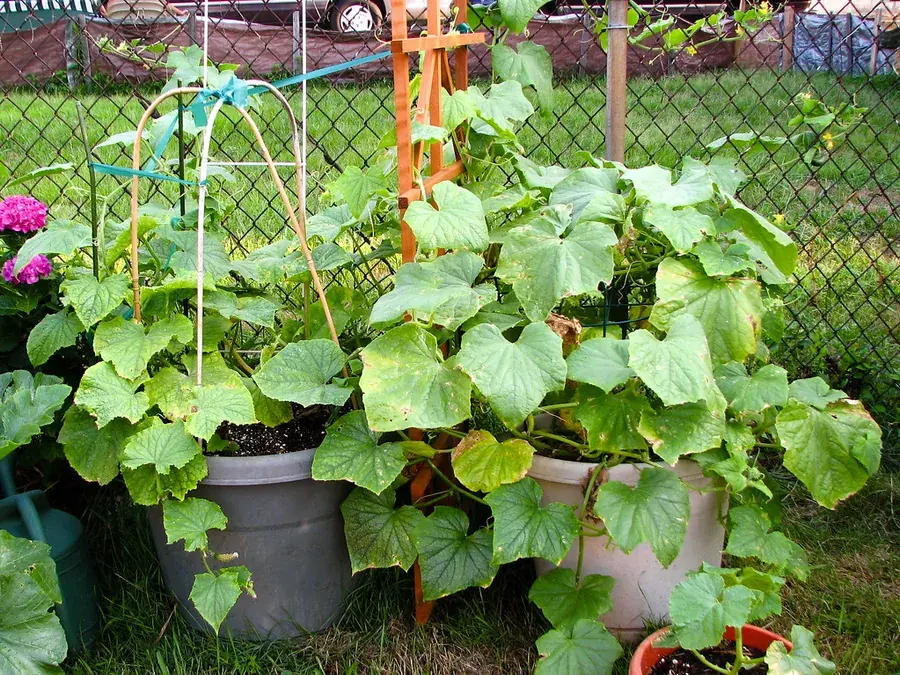 TenderFruiting vegetablesPicked Jul–Sep
Cucumbers
Eaten within a week or pickled within a day — a cucumber has no middle option.
Pickling · FermentingPick, store, put up →
Checked against these sources ·
- NCHFP: Freezing bell or sweet peppers
- NCHFP: Canning peppers (pressure)
- Penn State Extension: Preserving those colorful garden peppers
- University of Minnesota Extension: Growing peppers in home gardens
- Seed Savers Exchange: Pepper growing and seed saving guide
Harvest months are typical for zones 4–6 and move by weeks north and south. Storage figures are for the ideal; a house without a cold room will get the shorter end of each range.