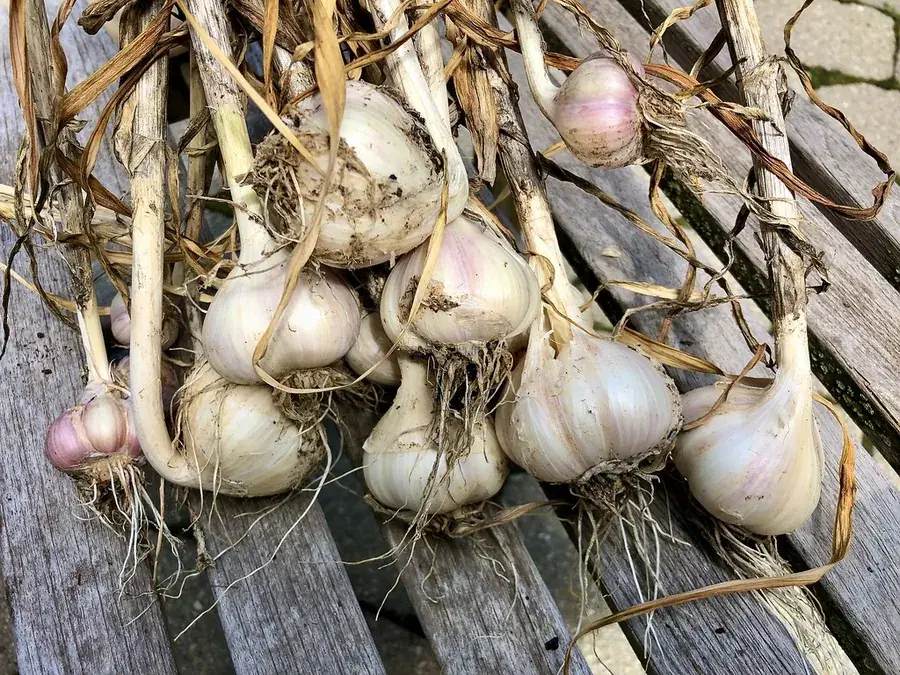
Photo Crawford Brian on Flickr · CC BY 2.0
Garlic
Allium sativum
The one crop you plant in October — and the textbook case of what not to put in a jar of oil.
- Ready when
- Scapes (hardneck only) in late June, when the curling flower stalk has made one full loop — snap it off at the top leaf and eat it; left on, it costs you up to a third of the bulb. Bulbs in mid-July to early August, when the lower third to half of the leaves have browned and the top four or five are still green. Each green leaf is a wrapper on the bulb: wait too long and the wrappers rot away, the cloves burst apart, and the bulb will not store. Dig one and look — the cloves should fill the skin and be easy to tell apart.
- How to pick
- Loosen with a fork well out from the stem and lift the whole plant; never pull by the stalk, and never let the bulbs lie in the sun. Leave the soil on, the roots on and the tops on. Handle gently. Hardneck tops are stiff and come straight out; softneck tops will braid.
- Curing
- Cure 2–4 weeks whole — leaves, roots and all — in the shade with plenty of moving air: hung in bunches of 5–10 from a rafter, or laid one deep on screens in a garage or covered porch, out of rain and sun. It is done when the outer wrappers are papery, the roots are dry and the cut stem is hard right through. Then brush off the soil (don’t wash), cut the roots to 1 cm (½ in) and the stem to 2–3 cm (1 in), and take off one dirty wrapper layer at most. Set aside the biggest, best bulbs for planting before you start eating.
- On a frost night
- Nothing to do — garlic is the hardiest thing in the garden. Cloves planted this month root through October, sit frozen under the mulch at −30 °C, and come up green in April; a few leaves showing before snow is normal and not a problem. The only garlic frost matters to is garlic still curing outside in July–August, which should be under cover anyway, and cured bulbs left in a shed that freezes hard, which crack. Stored garlic stays above 0 °C.
Where it keeps
Storing garlic
| Where | Temperature | Humidity | Keeps | How |
|---|---|---|---|---|
| Cold room, unheated porch or basement | 0–4 °C32–39 °F | dry | 5–7 months for hardneck; 8–9 months for softneck | Mesh bags or open baskets at 60–70% humidity. Cold storage keeps longest, but garlic taken out of it sprouts fast, so bring a month’s worth into the kitchen at a time. |
| Kitchen pantry or cupboard | 15–18 °C59–64 °F | dry | 3–5 months at 15–18 °C (hardneck at the short end); 1–2 months in a warm kitchen | A basket or paper bag in the dark with airflow — not a sealed jar. This is the practical house option; hardneck bulbs start to soften from February. |
| Fridge — only for peeled cloves | 0–4 °C32–39 °F | moderate | About a week | Peeled cloves in a closed container, for the week. Whole bulbs do not go in the fridge: the 4–10 °C range is exactly what tells a clove it is spring, and it sprouts. |
Putting it up
What to do with too many garlic
Cured garlic is the preserve; the jar is for the surplus and the softening bulbs of late winter. Peeled cloves freeze whole or chopped, loose in a bag, with no blanching — soft when thawed but full-flavoured. Sliced garlic dries well at 55–60 °C and grinds to powder. Pickled garlic is safe only from a tested recipe (Ball or Bernardin, 5% vinegar, water-bath processed) — the vinegar is what makes it safe, and some cloves turn blue or green in it, which is harmless. Plain garlic cannot be canned: no safe processing time exists, pressure canner or not. And garlic in oil is the classic home botulism case — a low-acid vegetable in an oxygen-free medium at room temperature — so any garlic-in-oil, garlic butter or garlic confit you make goes straight to the fridge and is used within four days, or into the freezer in small portions. Health Canada allows a week refrigerated at 4 °C; the NCHFP says four days; there is no way to tell by look, smell or taste when it has gone wrong.
Two weeks of warmth and air that turn a fresh crop into a keeper.
The oldest method: the right cold, the right damp, and darkness.
The fastest route and the one that keeps flavour best.
A dehydrator or a low oven; light, keeps for a year.
Vinegar does the preserving; the canner just seals the jar.
- Pickling
Refrigerator pickled garlic (garlic in vinegar)
Whole peeled cloves kept under full-strength vinegar in the fridge — the safe way to have mellow pickled garlic through the winter without a canner.
A 250 ml (half-pint) jar holds about 2 heads of garlic (around 25 cloves); scale up jar by jar · 20 minutes active
The recipe → - Fermenting
Fermented hot sauce (refrigerator only)
Brined peppers, soured for a few weeks and blended: the sauce every pepper-grower ends up making. Ours stays in the fridge, because nobody has published a tested canning time for it.
About 500 ml of sauce from 500 g of peppers · 30 minutes active
The recipe → - Freezing
Basil pesto cubes, frozen
Pick the basil before the first frost night takes it, blitz it, freeze it in cubes. One cube on hot pasta in February is the whole point of the herb bed.
About 375 ml of pesto, 24 ice-cube-tray cubes, from 2 cups of leaves · 20 minutes active
The recipe → - Pickling
Dilly beans (pickled green beans)
Whole beans standing to attention in a garlicky dill brine — the first jar most families let the children pack.
About 8 × 500 ml (pint) jars · 45 minutes active
The recipe → - Fermenting
Brine-fermented dill pickles
Real deli pickles: cucumbers, dill, garlic and a salt brine, soured by the same bacteria that make kraut. No vinegar bite, just depth.
About 2 × 1 L jars of pickles per 4 L (1 gallon) crock · 30 minutes active
The recipe → - Pickling
Home-style pickled jalapeños
Taqueria-style jalapeño strips with carrot and onion in a plain vinegar brine — the tested, lime-free way to put up a hot-pepper glut.
About 6 × 500 ml (pint) jars · 1 hour active
The recipe → - Water-bath canning
Green tomato salsa verde
The frost-night answer for a counter full of green tomatoes: a sharp, cumin-scented salsa verde in small jars.
About 6 × 250 ml (half-pint) jars · 1 hour active
The recipe →
Saving seed
Grown from tubers, cloves, crowns or runners, not seed
Garlic is grown from cloves, and the clove you plant is a clone of the plant it came from, so a home crop improves year on year as you select it. Set aside the biggest, soundest bulbs at curing time — a tenth to a sixth of the crop — keep them whole, cool and dry, and break them into cloves only the day you plant; the biggest cloves grow the biggest bulbs. Hardneck varieties also make bulbils in the scape head: sown like seed they take two or three years to make a full bulb, but they are disease-free and the quickest way to multiply a variety. Don’t plant supermarket garlic — much of it is softneck from a warm climate, sometimes treated against sprouting, and it can bring nematodes and white rot into a clean bed.
Keeps: Cloves are planted the autumn they are harvested; a cured bulb kept dry at 15–18 °C is good for planting until about November.
The seed-saving guide →Next year
Planning garlic for next season
This is the October job: plant garlic 4–6 weeks before the ground freezes — a week or two after the first killing frost — which is early October in zones 3–4 and mid-to-late October in zones 5–6. Allium rotation: not where onions, leeks or garlic grew in the last three years. Full sun and rich, well-drained soil with compost dug in; wet feet rot the cloves over winter. Cloves pointed end up, 5 cm (2 in) deep to the base (7 cm / 3 in in zone 3), 15 cm (6 in) apart in rows 30 cm (12 in) apart, then 10 cm (4 in) of straw or shredded leaves over the bed. Pull the mulch back in April as shoots appear, feed with compost, snap the scapes in June, and stop watering two weeks before harvest. Hardneck is the type for Canada — hardier, bigger cloves, scapes — and ‘Music’, the Porcelains and the Rocamboles are the standards from Quebec to the Prairies.
Garlic at a glance
- Botanical name
- Allium sativum
- Group
- Onions and garlic
- Picked
- June, July, August
- Frost
- Very hardy: takes −8 °c and below; overwinters.
- Best put up as
- curing, cold storage, freezing, drying, pickling
- Seed
- Grown from tubers, cloves, crowns or runners, not seed
Questions people ask about garlic
When do you plant garlic in Canada?
In autumn, 4–6 weeks before the ground freezes — a week or two after the first killing frost. That is early October in zones 3–4 and mid-to-late October in zones 5–6; even early November works in southern Ontario if the soil is still open. Cloves 5 cm deep, 15 cm apart, pointed end up, under 10 cm of straw or leaves.
When should I harvest garlic?
Mid-July to early August, when the bottom third to half of the leaves have browned and four or five are still green. Dig a test bulb: the cloves should fill the skin and be easy to tell apart. Too early and the bulbs are small; too late and the wrappers rot and the cloves split, which means they will not store. Scapes come off in late June, once they have curled.
How do I cure and store garlic?
Hang the whole plants in the shade with good airflow for two to four weeks until the wrappers are papery and the stem is dry through, then trim and brush. Store either cold (0–4 °C) or at cool room temperature (15–18 °C), always dry and airy: at a cool 15–18 °C garlic keeps about three to five months (hardneck at the short end), and longer in the cold; in a warm 20–30 °C kitchen, only a month or two. Not the fridge — 4–10 °C makes it sprout.
Can I store garlic in oil?
Only in the fridge for four days, or in the freezer. Garlic is low-acid and oil keeps air out, which is exactly what Clostridium botulinum needs; a jar of garlic in oil on the counter can produce botulism toxin with no change in look, smell or taste. The NCHFP says four days refrigerated, Health Canada allows a week at 4 °C; freezing in small portions is the safe way to keep it longer.
Can you freeze garlic?
Yes, and it is the easiest way to deal with a surplus: peel the cloves and freeze them whole or chopped, loose in a bag, no blanching. They are soft when thawed but the flavour is all there. Garlic in oil can also be frozen in small portions — it just cannot sit at room temperature or in the fridge for more than four days.
Should I grow hardneck or softneck garlic?
Hardneck in most of Canada: it is hardier, gives bigger, easier-to-peel cloves, and produces scapes in June. Softneck stores longer (six to nine months against hardneck’s three to seven) and braids, but needs a milder winter. Plant certified or locally grown seed garlic, not supermarket bulbs.
What should kids know about garlic?
Planting garlic is the best autumn job there is for a child: break the bulb into cloves, count them, push each one pointed end up into a hole, and tuck the bed in with straw for the winter. Nothing is poisonous — the cloves, scapes and leaves are all food — and in April the green spears coming up through the snow are the first thing alive in the garden.
Your own frost dates
When does this come in where you are?
Enter a town, postal code or ZIP and the garden year, the frost watch and this week’s guide are built from your own weather.
Also in onions and garlic
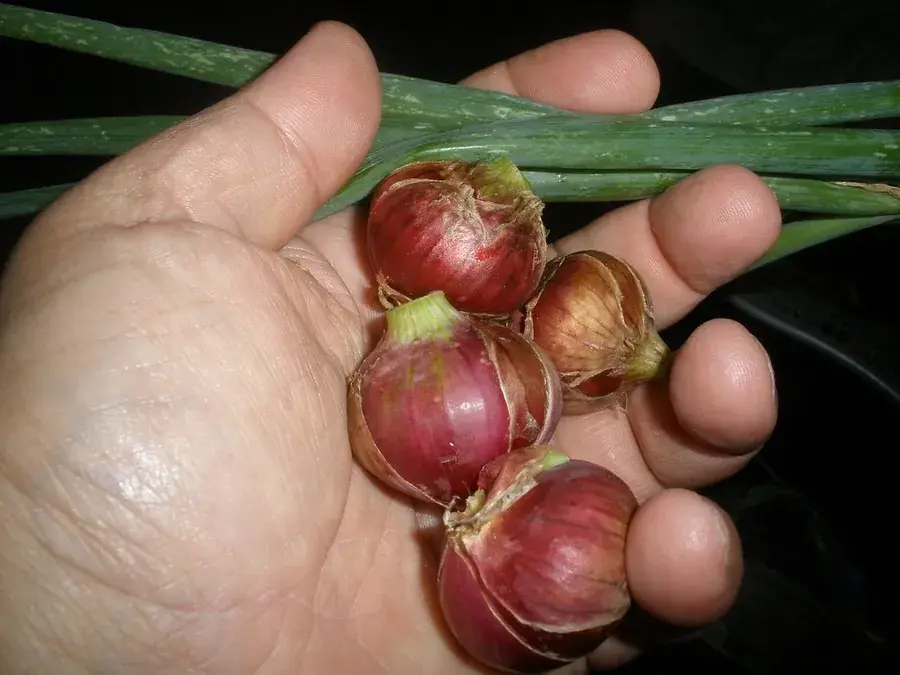 Half-hardyOnions and garlicPicked Aug–Sep
Onions
The crop whose storage life is decided in the three weeks after you pull it.
Curing · Cold storage · FreezingPick, store, put up →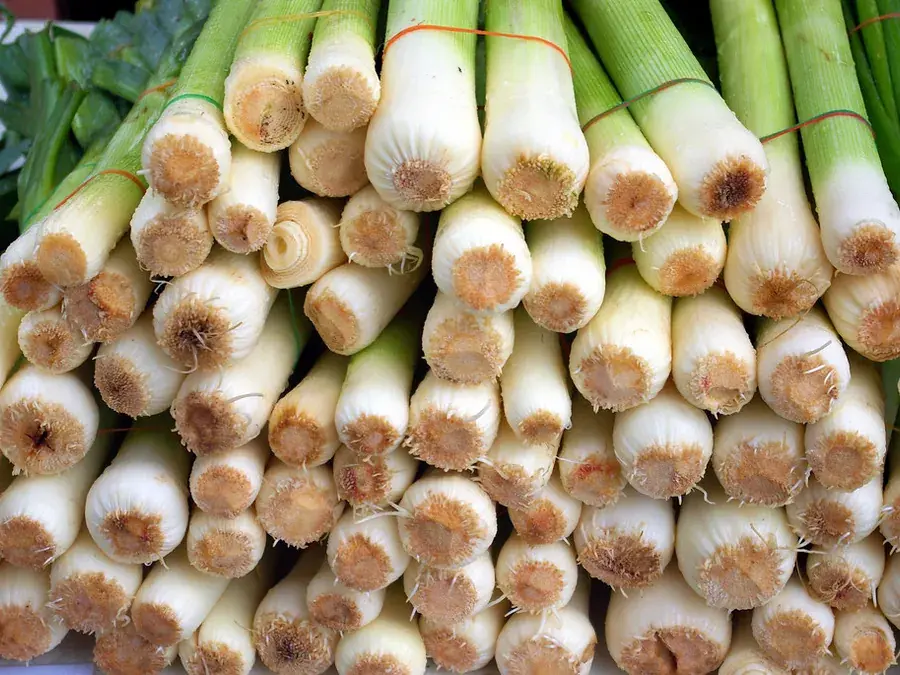 Very hardyOnions and garlicPicked Aug–Dec
Leeks
The allium that stands in the garden through December, waiting to be dug for soup.
Cold storage · FreezingPick, store, put up →
Checked against these sources ·
- University of Minnesota Extension: Growing garlic in home gardens
- Ontario Ministry of Agriculture: Garlic production
- NCHFP: Freezing garlic-in-oil
- Health Canada: Food safety tips for vegetables and herbs preserved in oil
- UC ANR: Garlic — safe methods to store, preserve and enjoy
Harvest months are typical for zones 4–6 and move by weeks north and south. Storage figures are for the ideal; a house without a cold room will get the shorter end of each range.