Basil pesto cubes, frozen
Pick the basil before the first frost night takes it, blitz it, freeze it in cubes. One cube on hot pasta in February is the whole point of the herb bed.
Makes
About 375 ml of pesto, 24 ice-cube-tray cubes, from 2 cups of leaves
Active time
20 minutes
Total
Overnight to freeze solid
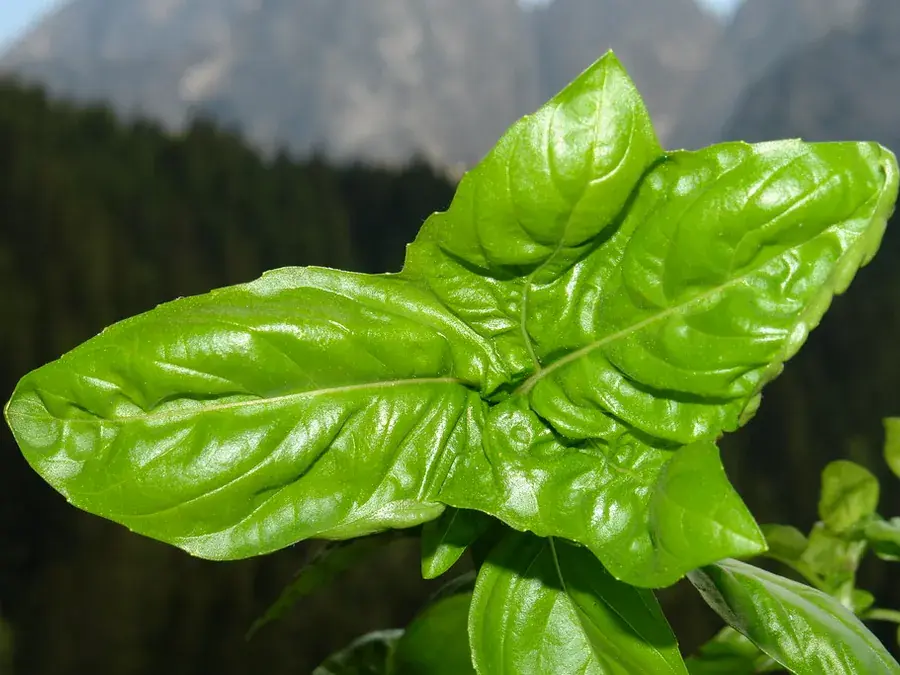
Photo prof.bizzarro on Flickr · CC BY 2.0
Before you start
What matters for this one
- Pesto is garlic and herbs in oil, and oil keeps the air out: exactly the conditions in which Clostridium botulinum grows at room temperature or in a slow fridge. Fresh pesto is a fridge food for no more than 3 days; anything beyond that must be frozen.
- Never leave the jar on the counter or in a cupboard, and do not top it with oil and call it preserved.
- Thaw in the fridge and eat within a day or two; do not refreeze.
- Wash and dry the basil thoroughly — soil on the leaves is the usual source of spores, and water in the paste shortens even its fridge life.
This follows NCHFP: Freezing pesto. Quantities, acid and times are theirs; do not scale the vegetables without scaling everything, and do not change the vinegar, lemon juice or processing time.
Ingredients
- 500 ml (2 cups) packed fresh basil leaves, stems removed
- 125 ml (½ cup) olive oil
- 60 ml (¼ cup) pine nuts, walnuts or sunflower seeds
- 2 cloves garlic
- ¼ teaspoon (1 ml) salt
- Optional, best added after thawing: 125 ml (½ cup) finely grated Parmesan
Method
- 1
Pick the basil in the morning, before it is wilted by sun or blackened by frost. Have a child strip the leaves off the stems into a colander; rinse and spin or pat them completely dry — water makes grey pesto.
- 2
Put the basil, nuts, garlic and salt in a food processor and pulse until finely chopped, scraping down the sides.
- 3
With the motor running, pour in the oil in a thin stream until you have a loose, spoonable paste. Leave the cheese out if you plan to freeze it — it stirs in better after thawing, and the pesto freezes cleaner without it.
- 4
Spoon into an ice-cube tray, smooth the tops and film the surface with a little extra oil to slow browning. Or pack into small freezer jars with 1.25 cm (½ inch) headspace.
- 5
Freeze overnight. Pop the cubes out and move them into a labelled freezer bag, squeezing out the air. Any pesto not going into the freezer goes in the fridge now and gets eaten within 3 days.
- 6
To use, drop a cube or two into hot drained pasta or a soup pot, or thaw in the fridge and stir in the cheese.
Keeps: Up to a year at −18 °C (0 °F); the colour darkens before the flavour fades. In the fridge, 3 days, no more.
Variations: Swap half the basil for parsley or arugula to stretch a thin harvest; make a garlic-scape version in June with the same method. For plain frozen basil, chop the leaves, pack into cube trays with just enough water or oil to bind, and freeze — the same 3-day fridge rule applies to the oil version.
Tested source: NCHFP: Freezing pesto. Checked October 2026. If a jar did not seal, refrigerate it and use it within a few days. Never taste anything from a jar that is bulging, leaking, spurting or smells wrong — when in doubt, throw it out without tasting.
The crop
Basil: when to pick, how to store, what else to make →
Basil is the herb that proves the rule: it turns black and tastes of hay when dried, and it blackens in the fridge, so the freezer is the only good home for it. Pesto is the best form — leave the cheese out and stir it in when you thaw — frozen in ice-cube trays or pressed flat in a bag, with a film of oil on top against browning. Chopped basil covered with oil in ice-cube trays is the quick version. Whole leaves blanched for 15 seconds, cooled and frozen flat keep their green for soup. Now the rule that matters: anything made of basil, garlic and oil must stay frozen or be eaten from the fridge within four days. Oil shuts out air, and basil and garlic are low-acid, which is exactly the setting where Clostridium botulinum grows; a jar of basil in oil on the counter or in the back of the fridge for weeks is a real hazard, and no tested process exists for canning pesto. Basil vinegar, by contrast, is acid and safe on the shelf.
More for basil
- Drying
Dried herbs, air-dried and dehydrated
Bunches of thyme hanging from a nail, basil laid flat in the dehydrator: the whole herb bed in six jars before the frost takes it.
A loose grocery bag of fresh herbs dries down to one or two 250 ml jars · 20 minutes active
The recipe →