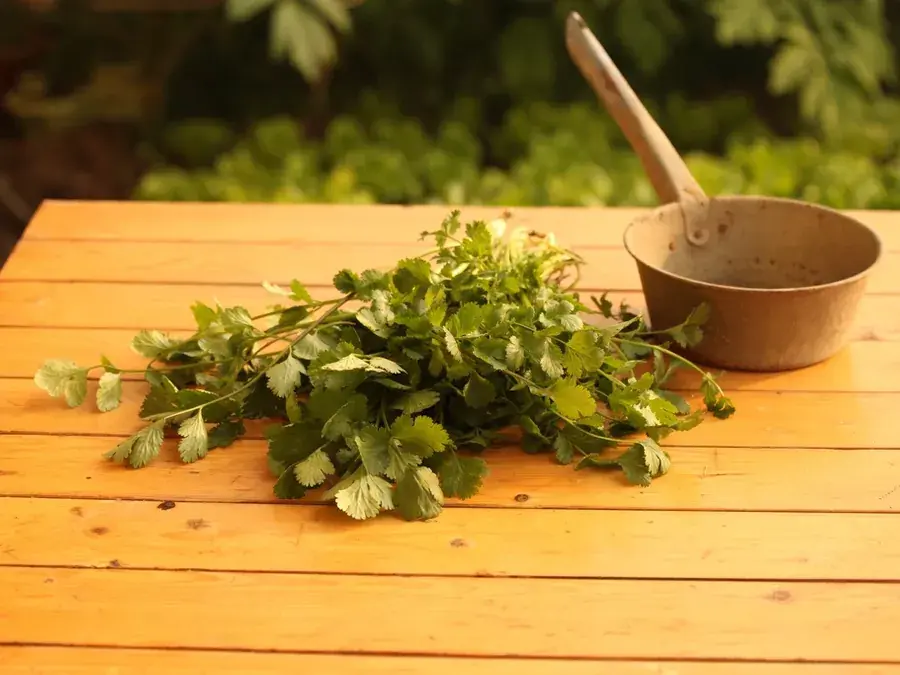
Photo Unknown photographer via Openverse · CC0 (public domain)
Cilantro (coriander)
Coriandrum sativum
Leaves in the cool months, seed in the heat: cilantro bolts the moment summer arrives, and that is the second harvest.
- Ready when
- Leaves when the plant is 10–15 cm tall, while the leaves are still broad and flat and before the central stem starts to stretch — once the stem rises and the new leaves go thin and ferny, the plant is bolting and the leaf flavour fades. In warm weather that happens within four to six weeks of sowing, which is why cilantro is sown little and often. Seed (coriander) when the round heads turn brown and the seeds smell warm and citrusy rather than green, two or three weeks after the white flowers.
- How to pick
- Snip outer leaves, or cut the whole plant 3 cm above the crown and let it regrow once or twice. For seed, cut whole heads when half of them have browned, before they shatter, and dry them upside down in a paper bag for a week; rub the heads between your hands and winnow. Whole coriander keeps far better than ground.
- On a frost night
- Leave it. Autumn cilantro is the best of the year: the plants take light frosts down to about −3 °C and keep making leaves through October, with none of the bolting that ruins a July sowing. Before a hard freeze, cut what is left for the freezer and cut any seed heads that are still ripening into a paper bag. Seed that has already fallen will come up on its own in spring.
Where it keeps
Storing cilantro (coriander)
| Where | Temperature | Humidity | Keeps | How |
|---|---|---|---|---|
| Fridge, stems in water | 0–4 °C32–39 °F | high | About a week | Stems in a jar of water with a loose bag over the top; change the water every two days. A bunch in a damp towel in a bag lasts about as long. |
| Pantry, for seed | 10–20 °C50–68 °F | dry | A year or more whole | Fully dry seed in a sealed jar; grind as you need it. |
Putting it up
What to do with too many cilantro (coriander)
The leaves freeze and do not dry. Chop them into ice-cube trays with water or a little oil (oil cubes stay frozen until the day they are used), or freeze whole washed sprigs in a bag; thawed cilantro is limp but tastes like itself in salsa, soup and curry. Dried cilantro leaf has almost no flavour at all, so there is no point. The seed is the opposite: dry it fully on the plant or in a paper bag and it keeps a year or more whole, toasted and ground as you go. Fresh cilantro goes into canned salsa only in the amount the tested recipe gives — the herbs are low-acid ingredients and the recipe’s proportions are what make the jar safe — and never stirred into a jar after processing.
The fastest route and the one that keeps flavour best.
A dehydrator or a low oven; light, keeps for a year.
- Water-bath canning
Green tomato salsa verde
The frost-night answer for a counter full of green tomatoes: a sharp, cumin-scented salsa verde in small jars.
About 6 × 250 ml (half-pint) jars · 1 hour active
The recipe →
Saving seed
Crosses with its neighbours — needs isolation
This is the one herb where saving seed and harvesting the crop are the same job. Let the plants flower, wait for the heads to brown, cut them into a paper bag, dry a week, rub out the seed and winnow. Cilantro is an annual, insect-pollinated, and crosses only with other cilantro — grow one variety if you want the slow-bolt trait kept — and it self-sows so freely that an August patch left to shatter is next year’s May crop. Keep the kitchen seed and the sowing seed in the same jar; they are the same thing.
Keeps: About 5 years, stored cool and dry.
The seed-saving guide →Next year
Planning cilantro (coriander) for next season
Treat it as a cool-season crop and stop fighting the bolting. Direct sow (it has a taproot) two to three weeks before the last frost and every two to three weeks until early June; skip high summer, when a sowing goes to flower in a month whatever you do; then sow again from early August for the fall crop, which is the best of the year. Slow-bolt varieties — the packet will say — buy a week or two. Light afternoon shade in summer, 15–20 cm apart, steady water. It is in the carrot family, so rotate it with the parsley, dill and carrots as a group. Leave one patch to seed itself where you want cilantro in April. In zones 3–4 the summers are cool enough that a June sowing may hold, but the spring and fall sowings are still the reliable ones.
Cilantro (coriander) at a glance
- Botanical name
- Coriandrum sativum
- Group
- Herbs
- Picked
- June, July, August, September
- Frost
- Half-hardy: scorched by a light frost, killed at −3 °c.
- Best put up as
- freezing, drying
- Seed
- Crosses with its neighbours — needs isolation
Questions people ask about cilantro (coriander)
Why does my cilantro bolt so fast?
Because it is a cool-season annual and heat and long days tell it to flower; in July a sowing can go from leaf to flower in four weeks no matter how it is watered. The answers are timing and acceptance: sow every two or three weeks in spring and again from August, pick slow-bolt varieties, give summer sowings afternoon shade — and let the bolted plants make coriander seed, which is the second crop, not a failure.
How do you harvest coriander seed?
Let the plant flower and wait two or three weeks for the round seed heads to turn brown and smell warm rather than green. Cut whole heads into a paper bag before they shatter, dry them a week, rub the heads between your hands and blow off the chaff. Store the seed whole and grind it as you need it; the same jar is next year’s sowing seed.
Can you freeze cilantro?
Yes, and it is the only way to keep the leaves. Chop them into ice-cube trays with water or oil, or freeze whole sprigs flat in a bag; the thawed herb is limp but the flavour is there in salsa, soup and curry. Oil cubes must stay frozen until they are used. Dried cilantro leaf, by contrast, tastes of nothing.
Can you dry cilantro?
The seed, yes — that is coriander, and it dries perfectly on the plant or in a paper bag. The leaves, no: dried cilantro loses essentially all its flavour, which is why you never see a good jar of it. Freeze the leaves and dry the seed.
Is cilantro frost hardy?
Enough to make autumn its best season: the plants take light frosts to around −3 °C and go on producing leaves into October, and fall sowings do not bolt. A hard freeze ends it. Nothing to cover — cut the last leaves for the freezer and the seed heads for the jar the evening before a hard frost.
Why does cilantro taste like soap to some kids?
Genetics, not fussiness: a known variation in smell receptors makes the leaf taste soapy to a share of people, and no amount of exposure changes it. Let that child grow it for the coriander seed instead, which tastes different and warm, and which they can harvest, dry and grind themselves. The plant is safe to eat at every stage.
Your own frost dates
When does this come in where you are?
Enter a town, postal code or ZIP and the garden year, the frost watch and this week’s guide are built from your own weather.
Also in herbs
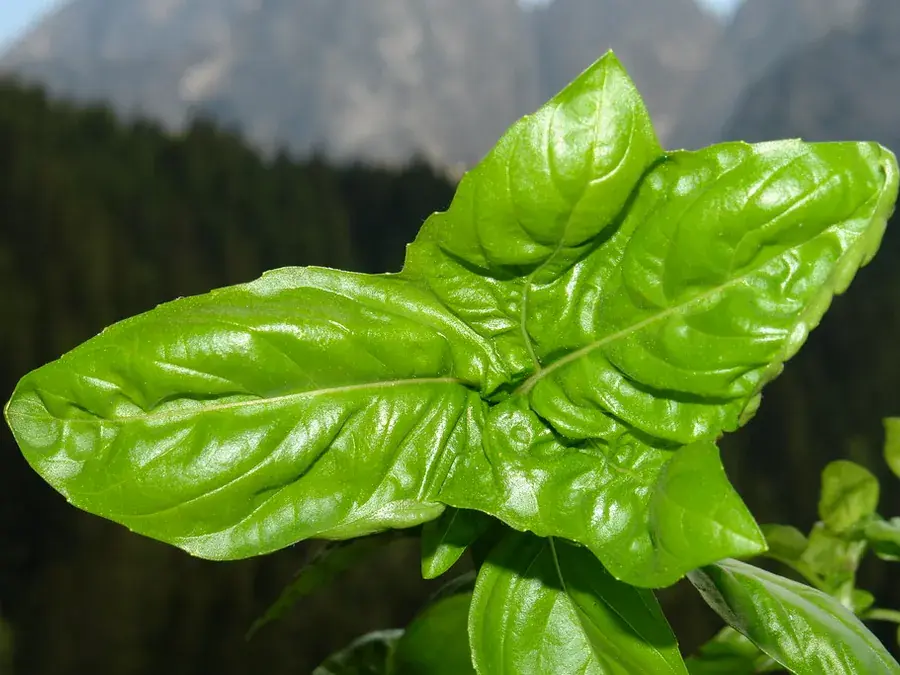 TenderHerbsPicked Jul–Sep
Basil
The most tender thing in the garden and the worst herb to dry — pesto in the freezer is the whole plan.
FreezingPick, store, put up →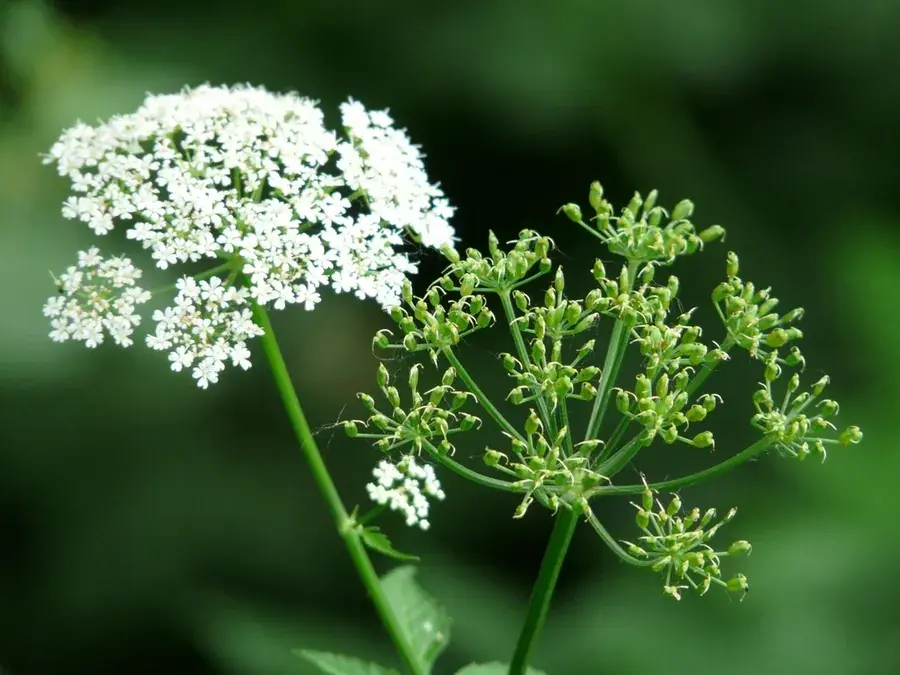 Half-hardyHerbsPicked Jun–Sep
Dill
Two crops from one plant — feathery dill weed in June, and the seed heads that make a pickle a pickle in August.
Freezing · Drying · PicklingPick, store, put up →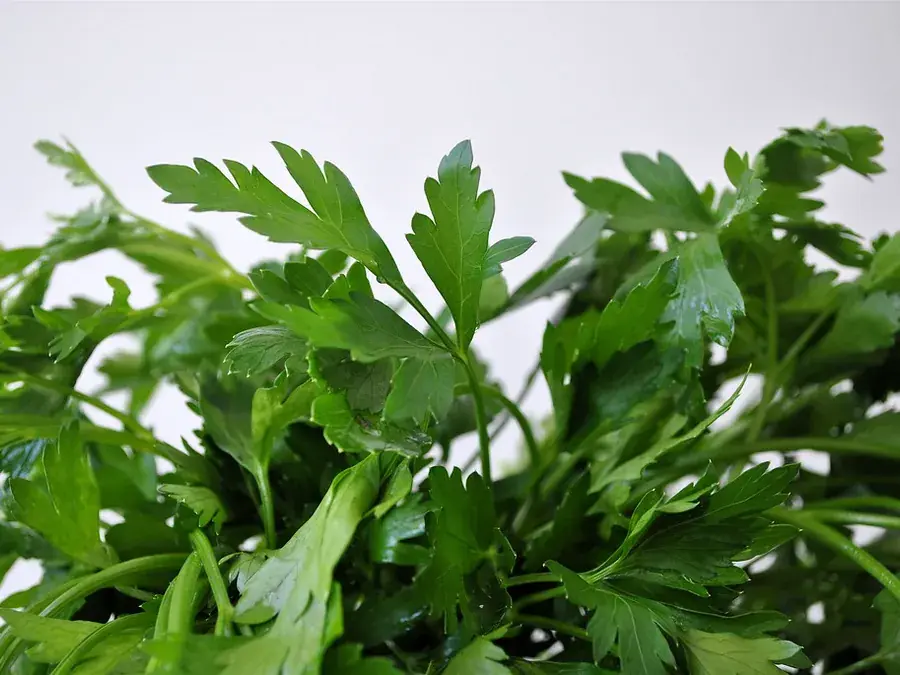 HardyHerbsPicked Jun–Oct
Parsley
The herb that stands green through the first snows — and the one that is worthless dried.
Freezing · DryingPick, store, put up →
Checked against these sources ·
- OSU Extension: How to grow cilantro for leaves — or coriander seeds
- University of Maryland Extension: Cilantro/coriander
- Nebraska Extension: Harvesting and drying herbs
- OSU Extension: Herbs and vegetables in oil (SP 50-701)
- Community Seed Network (SARE): Seed saving guide
Harvest months are typical for zones 4–6 and move by weeks north and south. Storage figures are for the ideal; a house without a cold room will get the shorter end of each range.