Rutabagas
Brassica napus
The winter root of the north — a sack of them in the cold room is December sorted.
- Ready when
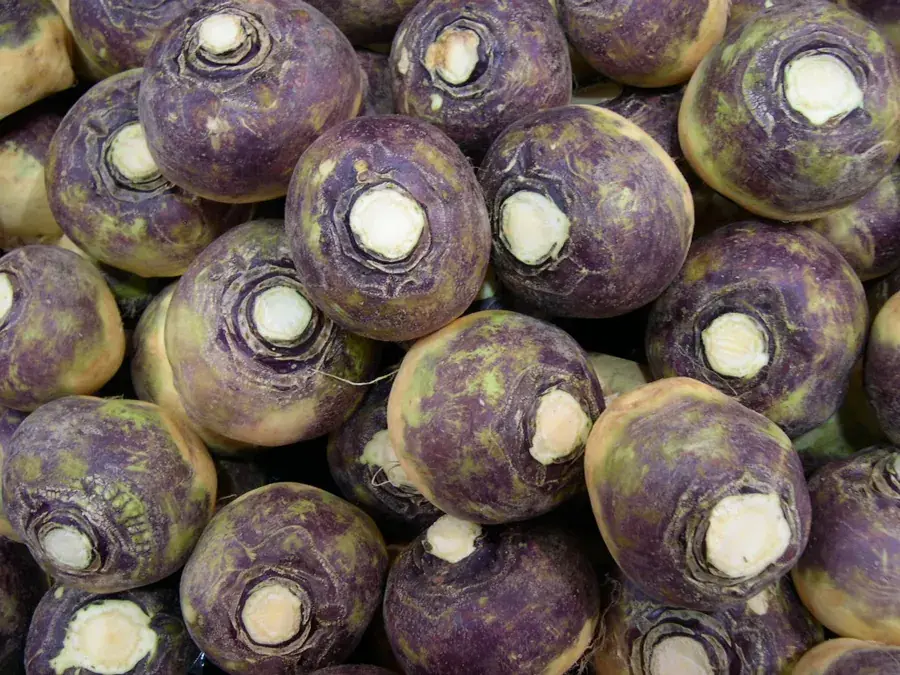
- 90–100 days from sowing: roots 10–13 cm (4–5 in) across with a purple shoulder standing out of the soil. Smaller is fine; much bigger and the centre can go pithy. They put on most of their size in September’s cool weather, so don’t dig them in August because they look big enough.
- How to pick
- Lift with a fork — the tap root goes down — and cut the tops to 2–3 cm (1 in). Trim the thin side roots. Don’t wash; let them dry on the surface for an hour and brush off the soil. Handle them like eggs if they are going into store: bruises rot.
- On a frost night
- Leave them in. Rutabagas improve after frost — most gardeners wait for at least one hard frost before digging — and the roots stand around −6 °C without harm; the tops look terrible after that but the root underneath is fine. Dig the crop before the ground starts to freeze solid, usually early to mid-November in zones 4–5, because a root frozen hard in the soil goes soft and splits in store.
Where it keeps
Storing rutabagas
| Where | Temperature | Humidity | Keeps | How |
|---|---|---|---|---|
| Cold room or root cellar | 0–4 °C32–39 °F | high | 4–6 months | Loose in crates, in damp sand, or in perforated bags. The shop ones are dipped in wax to stop them shrivelling; at home, high humidity does the same job. They smell of cabbage, so give them their own corner. |
| Cooler in an unheated garage or porch | 0–5 °C32–41 °F | high | 2–4 months | An insulated box or cooler with damp sand or newspaper; bring it in when the garage is going well below −5 °C for days. |
| Fridge crisper | 0–4 °C32–39 °F | high | 1–2 months | Perforated bag. One rutabaga is several meals, so the fridge is realistic for a small crop. |
Putting it up
What to do with too many rutabagas
Rutabaga is a storage crop, full stop — the cold room does it better than any jar. For the freezer, cube, blanch 3 minutes (NCHFP), cool and bag; or cook and mash with butter and freeze the mash, which is the better product. There is no tested home-canning process for rutabaga, and its flavour gets stronger and more sulphurous in a canner, so don’t try. Grated rutabaga goes well into fermented kraut mixes with cabbage, kept in the fridge once sour.
The oldest method: the right cold, the right damp, and darkness.
The fastest route and the one that keeps flavour best.
Saving seed
A biennial — flowers in its second year
Rutabagas are biennials: keep a few of the best roots in damp sand at 0–4 °C over winter (they rarely survive in the ground in zones 3–5), replant them in April with the crown at soil level, and the 1.5 m (5 ft) stalks of yellow flowers set long pods by July. Pick the pods when they go tan and thresh them in a bag. Brassica napus also includes canola and Siberian kale, which will cross with a flowering rutabaga; turnips, cabbage and broccoli are different species and will not. Seed Savers Exchange asks for 250–800 m (800 ft to ½ mile) between varieties. Grow at least five plants together — they are poor self-pollinators.
Keeps: 4 years.
The seed-saving guide →Next year
Planning rutabagas for next season
Cabbage family, so not where any brassica (cabbage, broccoli, kale, turnip, radish) grew in the last three or four years. Fertile, moisture-holding soil and even water; drought makes them woody. Direct sow in early summer — 90–100 days before your first fall frost, late May to mid-June in zones 4–5 — 1 cm (½ in) deep, thinned to 15–20 cm (6–8 in) in rows 45 cm (18 in) apart. Don’t sow in April: a spring rutabaga matures in summer heat and tastes of it. A floating row cover beats flea beetle and root maggot. In zone 3 sow by the first week of June; rutabagas are one of the most reliable storage crops there.
Rutabagas at a glance
- Botanical name
- Brassica napus
- Group
- Roots
- Picked
- September, October, November
- Frost
- Hardy: takes −4 to −6 °c and often sweetens.
- Best put up as
- cold storage, freezing
- Seed
- A biennial — flowers in its second year
Questions people ask about rutabagas
When should I harvest rutabagas?
In October or November, after at least one hard frost and before the ground starts to freeze solid. They are 90–100 days from sowing and 10–13 cm (4–5 in) across when ready, but they size up and sweeten in September’s cool weather, so there is nothing to gain by digging early.
How do I store rutabagas for the winter?
Cut the tops to 2–3 cm, don’t wash, and keep them at 0–4 °C with high humidity — loose in crates, in damp sand or in perforated bags — where they last four to six months. Without a cold room, a cooler of damp sand in an unheated garage gives two to four months and the fridge crisper one to two.
Can you freeze rutabaga?
Yes. Cube and blanch 3 minutes, then cool and bag; or boil until tender, mash with butter, cool and freeze, which reheats better. Raw rutabaga does not freeze. There is no tested recipe for canning it.
Are rutabagas frost hardy?
Yes. They take around −6 °C without damage and are sweeter for it — the usual advice is to wait for a hard frost before digging. The tops blacken but the root is fine. What they do not take is being frozen solid in the ground, so dig before the soil freezes hard, usually early to mid-November in zones 4–5.
Why are shop rutabagas waxed?
The paraffin coating stops the root losing moisture and shrivelling in a dry shop. At home you don’t need it: high humidity in the cold room (damp sand, perforated bags) does the same job. Peel a waxed one before cooking; a home-grown one just needs peeling as normal.
How do I save rutabaga seeds?
Store the best roots in damp sand over winter and replant them in April; they flower in June and the pods dry by late July of the second year. They are Brassica napus, so they will cross with canola and Siberian kale but not with turnips or cabbage. Grow at least five plants together. Seed keeps four years.
What should kids know about rutabagas?
Rutabaga is safe to eat raw in thin sticks — sweet and a bit peppery — and cut into oven chips it wins over most children. A big one hollowed out makes the original Halloween lantern: turnip and rutabaga lanterns came before pumpkins, and carving one is a fine wet-October job with an adult on the knife.
Your own frost dates
When does this come in where you are?
Enter a town, postal code or ZIP and the garden year, the frost watch and this week’s guide are built from your own weather.
Also in roots
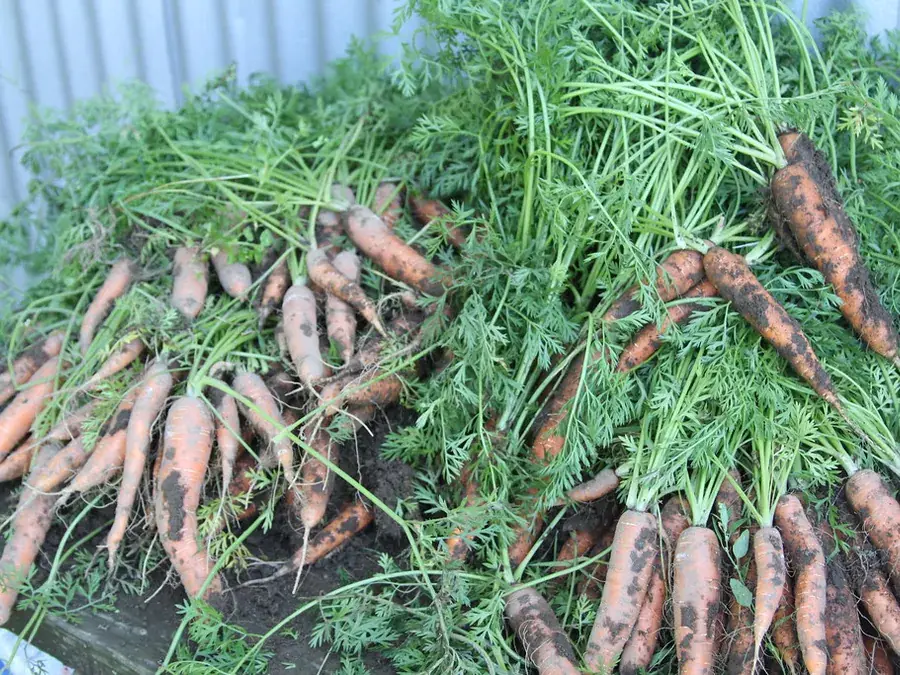 HardyRootsPicked Jul–Nov
Carrots
The root that gets sweeter the longer autumn goes on — and keeps until spring if you treat it right.
Cold storage · Pressure · FreezingPick, store, put up →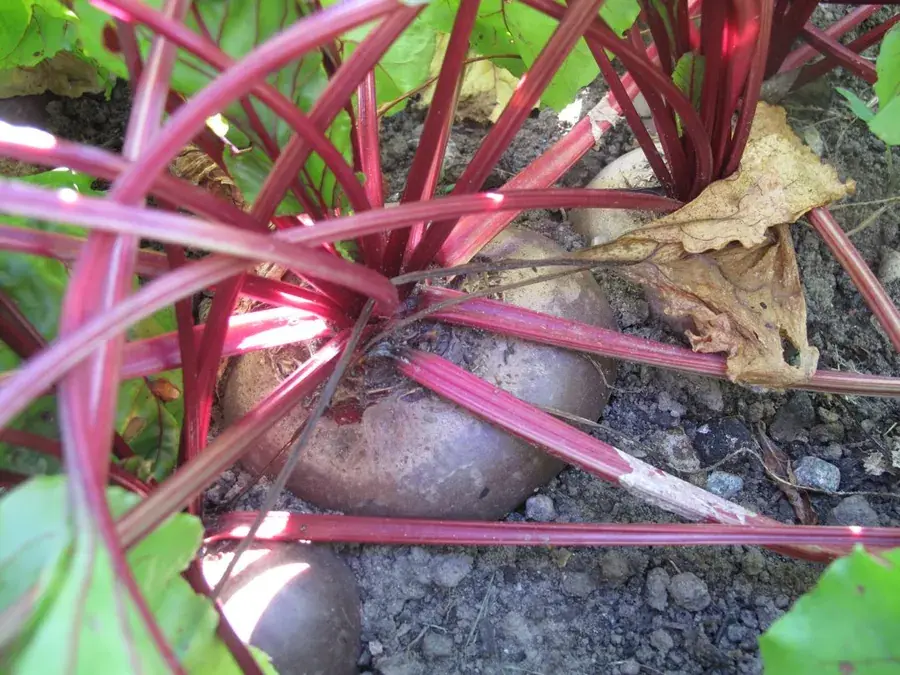 HardyRootsPicked Jul–Oct
Beets
Two crops in one bed — the roots for the cold room, the greens for tonight.
Pickling · Pressure · FreezingPick, store, put up →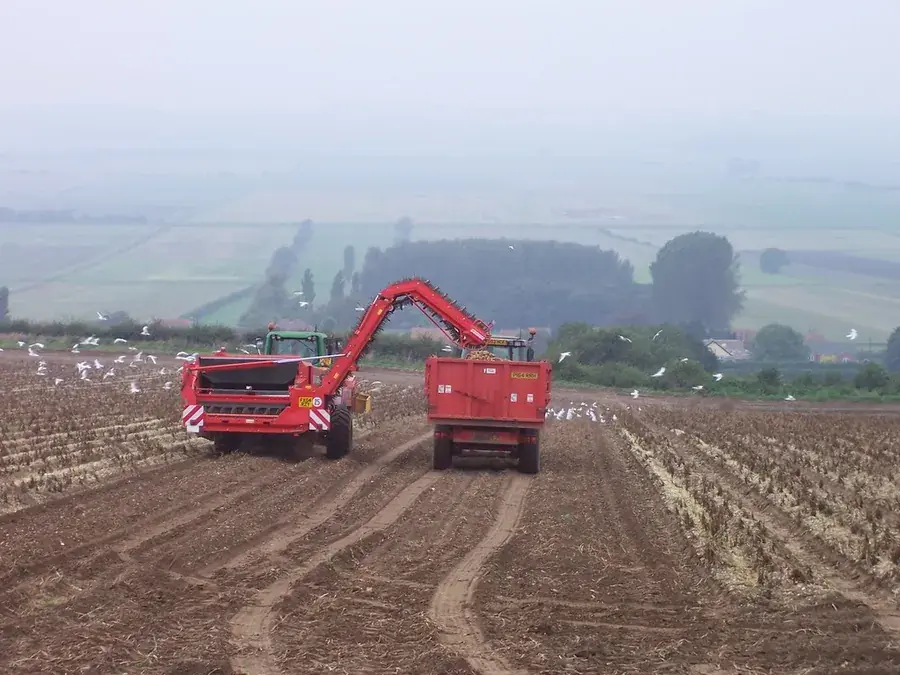 Half-hardyRootsPicked Jul–Oct
Potatoes
The crop children remember digging — and the one that needs two weeks in the dark before it goes anywhere.
Cold storage · Pressure · FreezingPick, store, put up →
Checked against these sources ·
- University of Minnesota Extension: Growing turnips and rutabagas
- Utah State University Extension: Rutabagas and turnips in the garden
- NCHFP: Freezing rutabagas
- Seed Savers Exchange: Identifying brassica species
- Iowa State University Extension: Late season harvest in the vegetable garden
Harvest months are typical for zones 4–6 and move by weeks north and south. Storage figures are for the ideal; a house without a cold room will get the shorter end of each range.