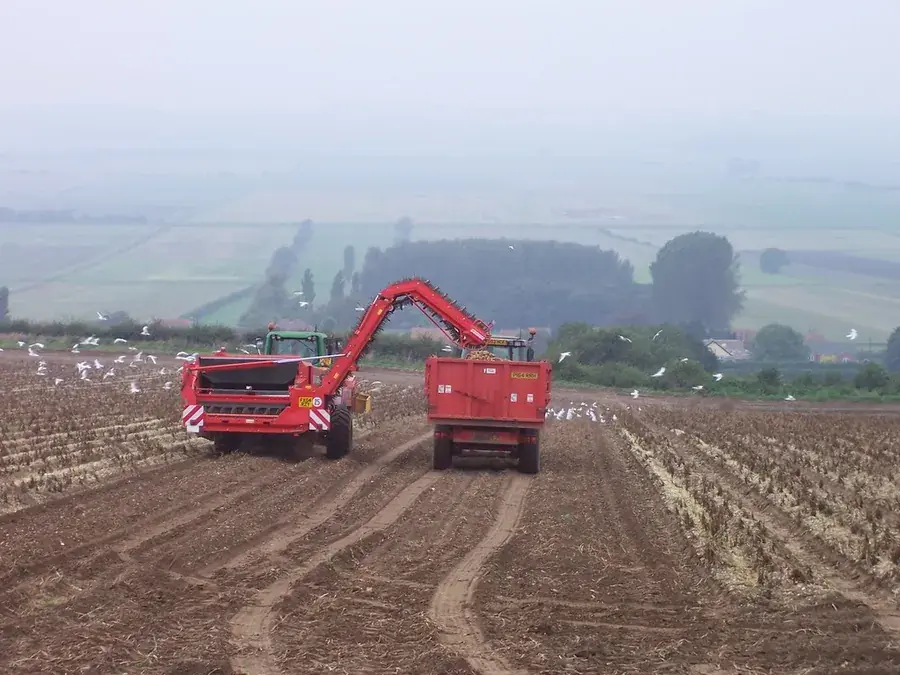
Photo D H Wright on Flickr · CC BY 2.0
Potatoes
Solanum tuberosum
The crop children remember digging — and the one that needs two weeks in the dark before it goes anywhere.
- Ready when
- New potatoes any time after the plants flower, 7–8 weeks from planting — dig gently at the side of a hill with your hands and take a few. Storage potatoes wait until the tops have yellowed and died back, then another two weeks in the ground so the skins set; a mature skin does not rub off under your thumb.
- How to pick
- Dig on a dry day with a fork, starting 30 cm (12 in) out from the stem and lifting toward it so you spear as few as possible. Let them sit on the soil for an hour to dry, then brush — don’t wash. Anything cut or speared goes to the kitchen this week, not the cellar. Keep every tuber out of sunlight from the moment it is up: light greens the skin within a day.
- Curing
- Cure 1–2 weeks at 10–15 °C in high humidity and total darkness — a basement floor or a cool shed with a blanket over the crate. The skins thicken and small cuts heal, which is the difference between a crop that keeps until April and one that rots by Christmas.
- On a frost night
- The tops are tender: −1 to −2 °C blackens the leaves, which is harmless to the crop — it just ends the season, and the plants were dying back anyway. The tubers are safe under 10–15 cm (4–6 in) of soil through light frosts. Dig everything before a hard freeze or before the ground freezes, because a frozen tuber turns watery and rots in store. If a hard frost has already caught a hilled row, use anything that was near the surface first.
Where it keeps
Storing potatoes
| Where | Temperature | Humidity | Keeps | How |
|---|---|---|---|---|
| Cold room or root cellar | 4–7 °C39–45 °F | high | 5–7 months | Slatted crates, baskets or paper sacks — never sealed plastic — in the dark with some air movement. Not with onions, and not near apples: the ethylene starts them sprouting. Check monthly and rub off sprouts. |
| Cool basement corner or under the stairs | 7–12 °C45–54 °F | moderate | 2–4 months | A covered crate or paper sack in the dark. Warmer than ideal, so they sprout sooner; use them up by late winter. |
| Kitchen cupboard | 10–20 °C50–68 °F | moderate | 2–4 weeks | Paper bag, dark. The fridge is worse than the cupboard: below 4 °C the starch turns to sugar, so the potatoes taste sweet and brown too fast and unevenly when fried. |
Putting it up
What to do with too many potatoes
A potato is its own preserve: cured, then kept cold and dark, it lasts most of the winter. If you do can, potatoes are low-acid and must be pressure-canned — peeled, cubed, boiled 2 minutes, covered with fresh boiling water (the cooking water carries too much starch) and processed 35 minutes for 500 ml and 40 for litres at 10 lb weighted gauge; never water-bath. Raw potatoes do not freeze — they go black and spongy — but blanched new potatoes (3–5 minutes), mashed potato, and par-cooked chips and hash browns freeze well. Dried potato slices need blanching first.
The oldest method: the right cold, the right damp, and darkness.
Jars heated above boiling under pressure — the only safe way to can plain vegetables.
The fastest route and the one that keeps flavour best.
A dehydrator or a low oven; light, keeps for a year.
- Pressure canning
Potatoes, cubed and pressure canned
Hot-packed cubes that go straight from jar to frying pan: the fastest home-fries you will ever make, from the potatoes that would not keep.
About 9 × 500 ml (pint) jars from 6 kg (13 lb) of potatoes, or 7 × 1 L (quart) jars from 9 kg (20 lb) · 1¼ hours active
The recipe →
Saving seed
Grown from tubers, cloves, crowns or runners, not seed
Potatoes are grown from tubers, not seed, and every extension service says the same thing: buy certified seed potatoes each spring. A tuber carries the viruses and scab of the plant it grew on, and saved seed goes downhill over a few years — smaller crop, more disease. If you save your own anyway, mark the healthiest, most productive plants in summer, keep egg-sized tubers from only those plants, store them cold and dark, and set them in light for two weeks before planting so they green and sprout. Grocery potatoes are often treated to stop sprouting and may carry disease, so they are a poor bet. The small green ‘true seed’ balls that sometimes form after flowering are not worth growing — the plants do not come true.
Keeps: Seed tubers keep one winter at 4–7 °C in the dark and are planted the following spring.
The seed-saving guide →Next year
Planning potatoes for next season
Rotate with the nightshade family: not where potatoes, tomatoes, peppers or eggplant grew in the last three years, to keep blight and scab down. Loose, slightly acidic soil (pH 5.0–6.0) grows cleaner skins — no lime, no fresh manure. Plant seed pieces with at least one eye each 2–3 weeks before the last frost once the soil is 7–10 °C, 10 cm (4 in) deep and 30 cm (12 in) apart in rows 75–90 cm (30–36 in) apart, and hill soil up around the stems twice as they grow to keep the tubers dark and increase the crop. In zones 3–4 choose an early or mid-season variety (65–85 days) and chit the seed indoors in light for two weeks for a head start.
Potatoes at a glance
- Botanical name
- Solanum tuberosum
- Group
- Roots
- Picked
- July, August, September, October
- Frost
- Half-hardy: scorched by a light frost, killed at −3 °c.
- Best put up as
- cold storage, pressure canning, freezing, drying
- Seed
- Grown from tubers, cloves, crowns or runners, not seed
Questions people ask about potatoes
When should I harvest potatoes?
New potatoes from about 7–8 weeks after planting, once the plants flower — take a few from the side of the hill and leave the plant growing. Storage potatoes come out two weeks after the tops have died back, when the skin no longer rubs off with your thumb, usually September into October. Dig before a hard freeze and before the ground freezes.
How do I store potatoes for the winter?
Cure them first: 1–2 weeks at 10–15 °C, high humidity, total darkness. Then keep them at 4–7 °C in the dark in slatted crates or paper sacks, with air movement, away from onions and apples; a cold room holds them five to seven months. Without one, a cool basement corner or under the stairs at 7–12 °C gives two to four months. Not the fridge.
Can you freeze potatoes?
Not raw — they turn black and spongy. Blanched new potatoes (3–5 minutes), mashed potato, par-cooked chips and hash browns, and cooked potato dishes all freeze well. Potatoes in frozen soups and stews go mealy, so add them fresh when you reheat.
Are green potatoes safe to eat?
The green is chlorophyll from light exposure, and it comes with solanine, which tastes bitter and can upset the stomach. Cut away small green patches and any sprouts generously; a potato that is green through or tastes bitter goes in the compost. Keep tubers hilled in the garden and in the dark in store and it does not happen.
Can I save my own seed potatoes?
You can, but certified seed is the safe bet: saved tubers carry viruses and scab forward, and yields fall over a few seasons. If you do save, choose egg-sized tubers from your healthiest plants, store them cold and dark, and set them in light for two weeks before planting to sprout. Never plant supermarket potatoes.
Are potatoes frost hardy?
The plants are not: −1 to −2 °C blackens the leaves, and in spring a frosted shoot has to regrow (hill soil over emerging shoots if a frost is forecast). The tubers underground are fine through light frosts in autumn, and the dead tops do not matter. Dig the crop before a hard freeze reaches into the soil.
What should kids know about potatoes?
The potato dig is the best day of the garden year for a child: hands in the loosened soil, treasure coming up by the handful, and counting and sorting by size at the end. The rules are that the leaves, stems and the little green fruits are not food (they hold the same solanine-type alkaloids as the tomato plant), green potatoes get cut away or composted, and the harvest goes straight into a box out of the sun.
Your own frost dates
When does this come in where you are?
Enter a town, postal code or ZIP and the garden year, the frost watch and this week’s guide are built from your own weather.
Also in roots
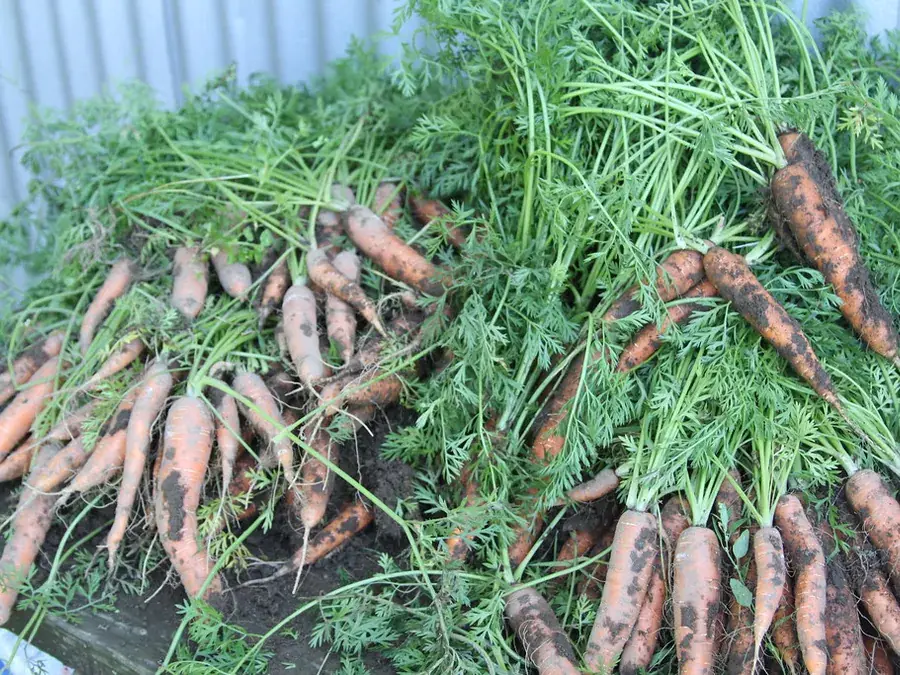 HardyRootsPicked Jul–Nov
Carrots
The root that gets sweeter the longer autumn goes on — and keeps until spring if you treat it right.
Cold storage · Pressure · FreezingPick, store, put up →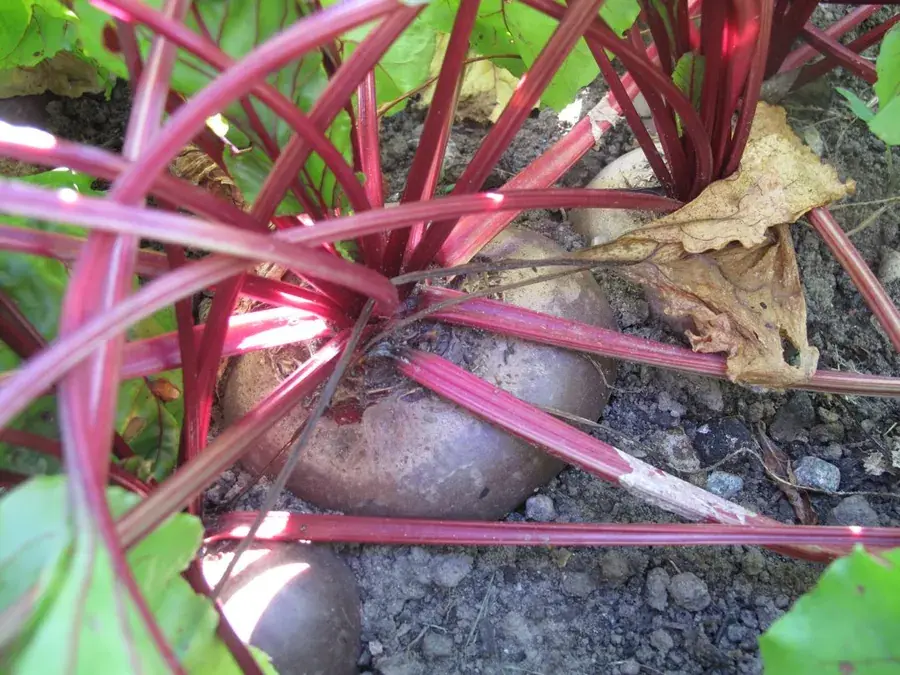 HardyRootsPicked Jul–Oct
Beets
Two crops in one bed — the roots for the cold room, the greens for tonight.
Pickling · Pressure · FreezingPick, store, put up →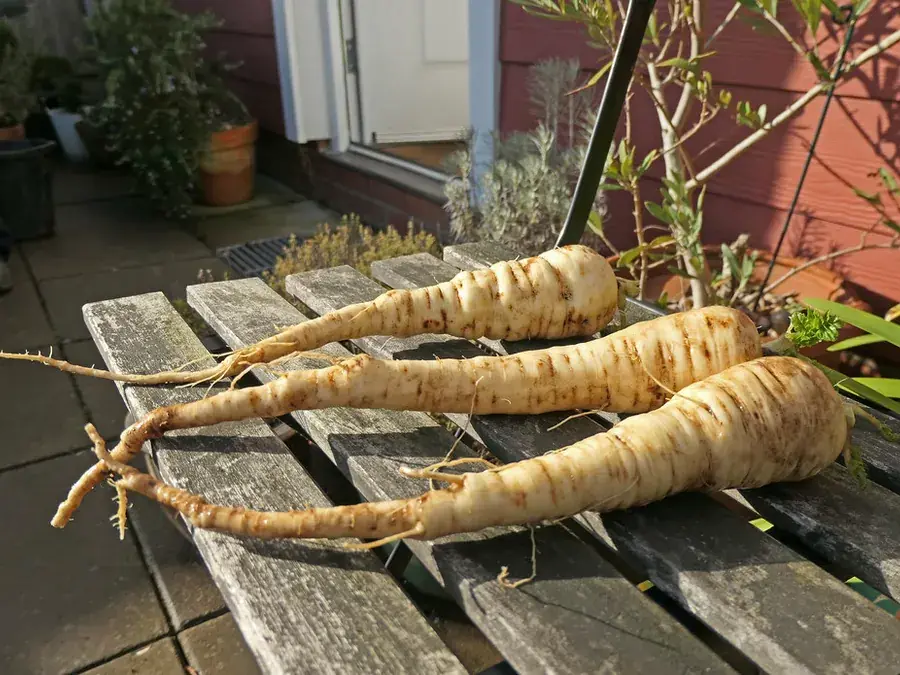 Very hardyRootsPicked Mar–Nov
Parsnips
The one root that wants a hard frost before it is worth eating — and the last crop you can dig in spring.
Cold storage · FreezingPick, store, put up →
Checked against these sources ·
- University of Minnesota Extension: Growing potatoes in home gardens
- Penn State Extension: Potatoes in the garden and the kitchen
- Utah State University Extension: How to grow potatoes in your home garden
- NCHFP: Canning white potatoes
- NCHFP: Preserving potatoes
Harvest months are typical for zones 4–6 and move by weeks north and south. Storage figures are for the ideal; a house without a cold room will get the shorter end of each range.