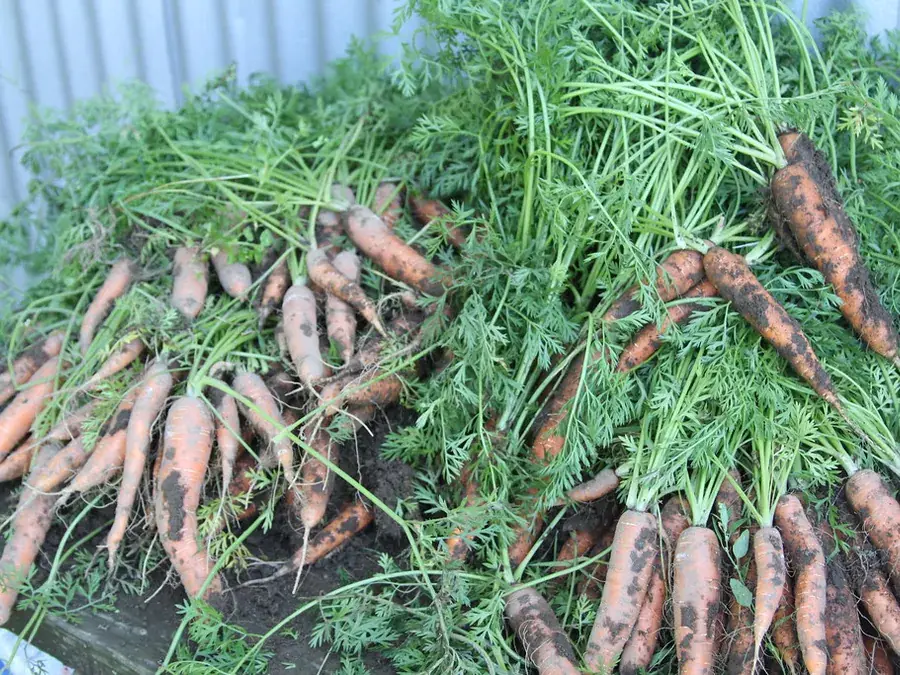
Carrots
Daucus carota subsp. sativus
The root that gets sweeter the longer autumn goes on — and keeps until spring if you treat it right.
- Ready when
- Shoulders 2–3 cm (¾–1¼ in) across at the soil line — brush the soil back to look rather than pulling to check. The days-to-maturity on the packet (55–75) is a guide; the real test is size, and a carrot left long past full size goes woody at the core. A July sowing dug in October after a couple of frosts is the best carrot of the year.
- How to pick
- Loosen the row with a fork first or the tops snap off and the carrot stays put. Pull on a dry day if they are for storage. Twist or cut the tops to 1 cm (½ in) straight away — leaves left on pull water out of the root and it goes limp within a day. Don’t wash carrots that are going into store; rub the loose soil off and leave the rest.
- On a frost night
- Leave them. Carrot tops take −4 to −6 °C with nothing worse than a scorched leaf, the roots below ground are untouched, and a few frosts turn starch to sugar so the carrots taste better for it. What hurts them is the soil freezing solid around the root. Once nights below −7 °C are forecast to run for days, either dig the lot or pile 30 cm (12 in) of straw or leaves over the row and keep digging under it.
Where it keeps
Storing carrots
| Where | Temperature | Humidity | Keeps | How |
|---|---|---|---|---|
| In the ground under mulch | -2–4 °C28–39 °F | high | Until the ground freezes hard — into December in zones 5–6 | 30 cm (12 in) of straw or dry leaves over the row, held down with boards or a tarp; dig from one end as you need them. Mark the row — it vanishes under snow. |
| Cold room or root cellar | 0–2 °C32–36 °F | high | 4–6 months | Tops off, unwashed, in layers of damp sand or sawdust in a bin, or in perforated plastic bags in a crate. Look through them monthly and pull anything going soft. |
| Fridge crisper or a cooler in an unheated garage | 0–4 °C32–39 °F | high | 1–3 months | Tops off in a perforated bag in the crisper; or packed in damp sand in a cooler in the garage, brought indoors if the garage is going to sit below −5 °C for long. |
Putting it up
What to do with too many carrots
Carrots are best not put up at all: a cold room or a mulched row keeps them crisp into spring with no work. For jars, carrots are a low-acid vegetable and must be pressure-canned — 25 minutes for 500 ml jars and 30 for litres at 10 lb on a weighted gauge at sea level — never water-bathed, because boiling water does not reach the temperature that kills botulism spores. Pickled carrots are a different thing: the tested NCHFP and Bernardin recipes carry enough 5% vinegar to go in a boiling-water canner, so follow one exactly and don’t water the brine down. Freezing is good for cooking carrots if you blanch first (2 minutes for slices and sticks, 5 for small whole roots); unblanched carrots turn rubbery and lose flavour within weeks. Dried carrot shreds are fine for soup.
The oldest method: the right cold, the right damp, and darkness.
Jars heated above boiling under pressure — the only safe way to can plain vegetables.
The fastest route and the one that keeps flavour best.
Vinegar does the preserving; the canner just seals the jar.
A dehydrator or a low oven; light, keeps for a year.
- Pickling
Pickled carrots
Sweet-sour carrot coins with mustard and celery seed — a bright lunchbox pickle from the roots that will not all fit in the cold room.
About 4 × 500 ml (pint) jars · 45 minutes active
The recipe → - Pressure canning
Carrots, pressure canned
For the carrots that will not fit in the cold room: sweet, soft, and ready for soup, stew or a toddler’s plate in a minute.
About 9 × 500 ml (pint) jars from 5 kg (11 lb) of topped carrots, or 7 × 1 L (quart) jars from 8 kg (17½ lb) · 1 hour active
The recipe → - Pickling
Home-style pickled jalapeños
Taqueria-style jalapeño strips with carrot and onion in a plain vinegar brine — the tested, lime-free way to put up a hot-pepper glut.
About 6 × 500 ml (pint) jars · 1 hour active
The recipe →
Saving seed
A biennial — flowers in its second year
Carrots flower in their second year, so you keep the best roots over winter (in the ground under mulch where winters are mild, or in damp sand at 0–4 °C), replant them 45 cm (18 in) apart in spring, and cut the umbels when they turn brown and dry in late summer. The catch is Queen Anne’s lace: it is the same species, it grows along every roadside in eastern Canada, and garden carrots cross with it freely, giving thin, pale, bitter roots. Seed Savers Exchange wants 250–800 m (800 ft to ½ mile) from wild carrot and other varieties, which most gardens cannot manage; bagging a few umbels and hand-pollinating is the realistic route. Save from at least five plants. For most families, carrot seed is one to buy.
Keeps: 3–6 years in a cool, dry, airtight jar — the low end if the jar is opened often.
The seed-saving guide →Next year
Planning carrots for next season
Rotate with the umbel family (parsnip, celery, dill, parsley) and give carrots a bed where none grew last year, which keeps carrot rust fly down. Deep, loose, stone-free soil — a raised bed or one forked 30 cm (12 in) deep — grows straight roots; fresh manure forks them. Direct sow 2–3 weeks before the last frost once the soil is above 7 °C, 5 mm (¼ in) deep, and keep the surface damp for the 1–3 weeks germination takes (a board over the row until they show helps). Thin to 5–8 cm (2–3 in). Sow again in early July for storage carrots that size up in cool weather. In zones 3–4 use a 60–65-day Nantes type and a floating row cover against rust fly.
Carrots at a glance
- Botanical name
- Daucus carota subsp. sativus
- Group
- Roots
- Picked
- July, August, September, October, November
- Frost
- Hardy: takes −4 to −6 °c and often sweetens.
- Best put up as
- cold storage, pressure canning, freezing, pickling, drying
- Seed
- A biennial — flowers in its second year
Questions people ask about carrots
When should I harvest carrots?
When the shoulder is 2–3 cm (¾–1¼ in) across at the soil line — brush the soil back to check. Spring-sown carrots are ready from July; the storage crop from a July sowing is dug in October or November, and it is sweeter after a few frosts. Dig before the ground freezes solid unless the row is under a thick mulch.
How do I store carrots for the winter without a cold room?
Tops off, unwashed, in perforated bags in the fridge crisper for one to three months, or packed in damp sand in a cooler in an unheated garage. Easier still, leave them in the bed under 30 cm (12 in) of straw or leaves and dig as needed until the ground freezes hard. A proper cold room at 0–2 °C with high humidity keeps them four to six months.
Can you freeze carrots?
Yes, blanched: 2 minutes for slices and sticks, 5 minutes for small whole carrots, then cool, drain and bag. They are soft when thawed, so use them in soups, stews and purée. Carrots frozen raw go rubbery and taste off within a few weeks.
Can carrots stay in the ground over winter?
Into early winter, yes, under a heavy mulch; the roots are fine at −4 to −6 °C and sweeter for it. What damages them is the soil freezing hard around them, so in zones 3–5 most gardeners dig the last of the crop in November or December. In zone 6–7 a mulched row can be dug through much of the winter.
Can I water-bath can carrots?
Plain carrots, no — they are low-acid and must be pressure-canned (25 minutes for 500 ml jars, 30 for litres at 10 lb weighted gauge at sea level). Pickled carrots from a tested recipe with 5% vinegar are water-bath canned, because the vinegar makes the jar acidic enough. Never swap one method for the other.
How do I save carrot seeds?
Overwinter a few of the best roots and replant them in spring; they flower and set seed in late summer of the second year. The problem is that carrots cross with Queen Anne’s lace, which is the same species and grows wild across southern Canada, so saved seed often gives thin, bitter roots unless you isolate or hand-pollinate. Seed keeps three to six years.
What should kids know about carrots?
Pulling carrots is a great job for small hands once an adult has loosened the row with a fork, and a garden carrot rinsed under the tap is safe to eat on the spot. The rule to teach is that carrots come from the garden only: the wild ‘carrot’ (Queen Anne’s lace) has deadly look-alikes, poison hemlock and water hemlock, so nobody pulls a white-flowered plant from the ditch to eat.
Your own frost dates
When does this come in where you are?
Enter a town, postal code or ZIP and the garden year, the frost watch and this week’s guide are built from your own weather.
Also in roots
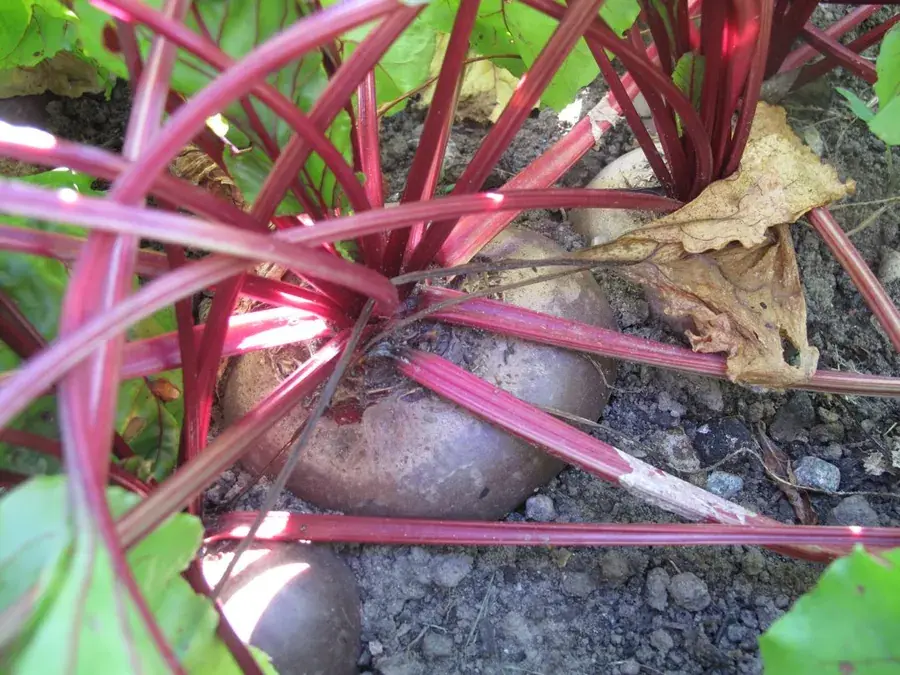 HardyRootsPicked Jul–Oct
Beets
Two crops in one bed — the roots for the cold room, the greens for tonight.
Pickling · Pressure · FreezingPick, store, put up →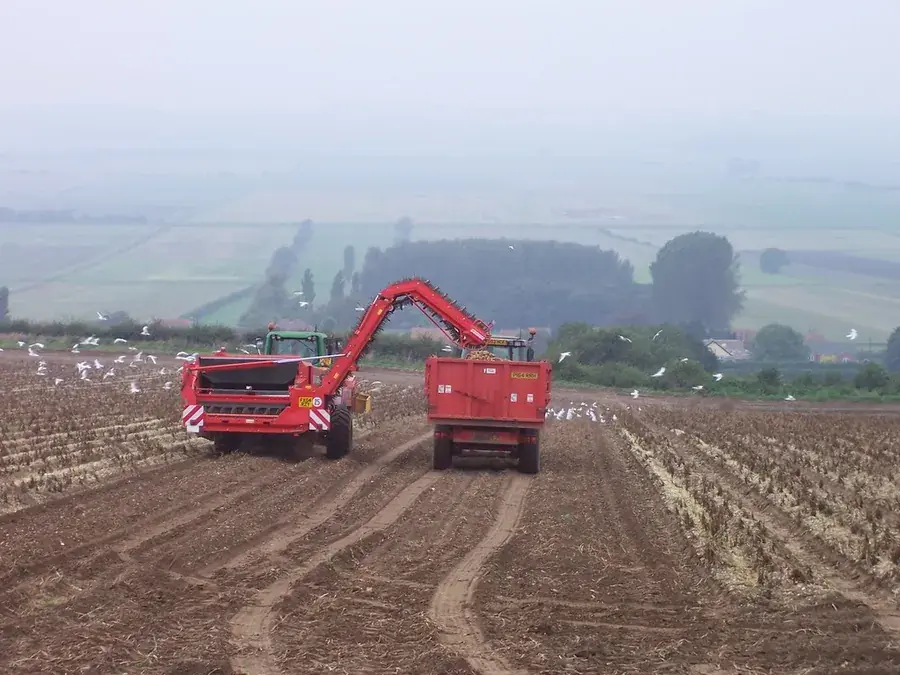 Half-hardyRootsPicked Jul–Oct
Potatoes
The crop children remember digging — and the one that needs two weeks in the dark before it goes anywhere.
Cold storage · Pressure · FreezingPick, store, put up →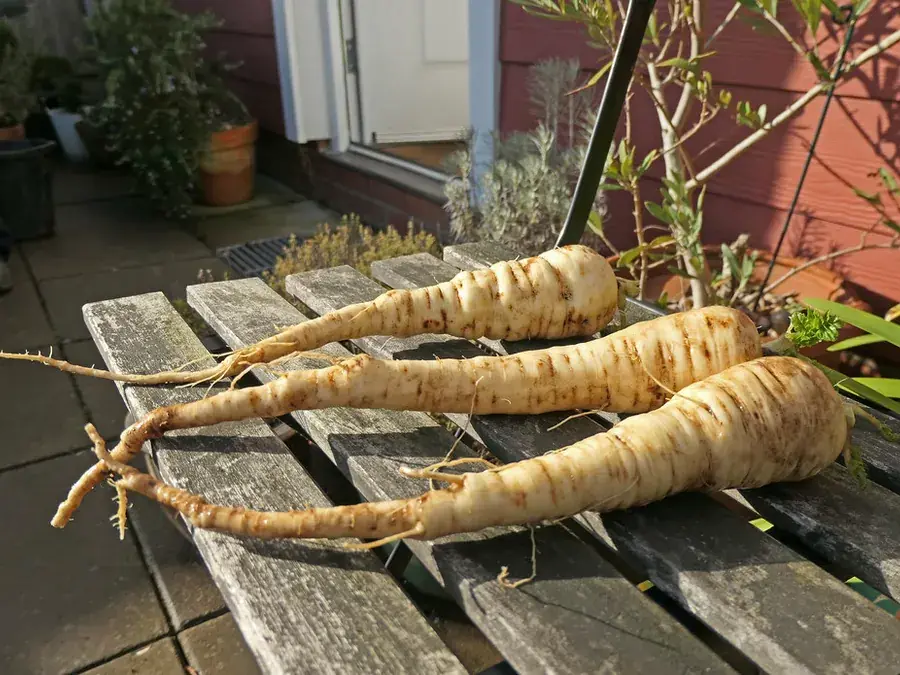 Very hardyRootsPicked Mar–Nov
Parsnips
The one root that wants a hard frost before it is worth eating — and the last crop you can dig in spring.
Cold storage · FreezingPick, store, put up →
Checked against these sources ·
- NCHFP: Canning carrots
- NCHFP: Freezing carrots
- Seed Savers Exchange: Carrot growing and seed saving guide
- University of Illinois Extension: Carrots
- University of Minnesota Extension: Growing carrots and parsnips
Harvest months are typical for zones 4–6 and move by weeks north and south. Storage figures are for the ideal; a house without a cold room will get the shorter end of each range.