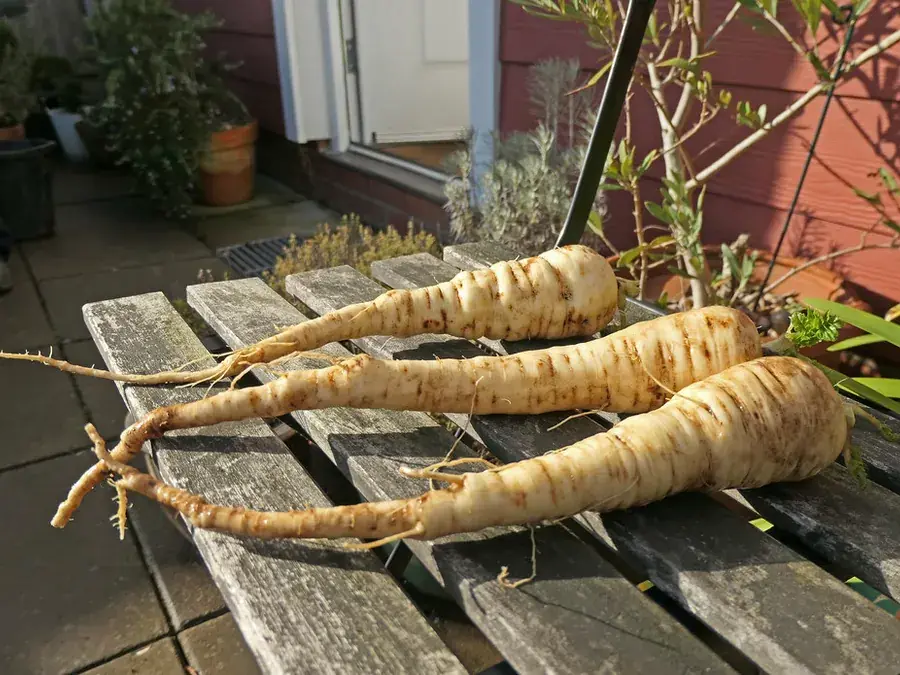
Photo amandabhslater on Flickr · CC BY-SA 2.0
Parsnips
Pastinaca sativa
The one root that wants a hard frost before it is worth eating — and the last crop you can dig in spring.
- Ready when
- Not before the first hard frosts — an early-dug parsnip is starchy and flat. The roots are full-sized (3–5 cm / 1–2 in at the shoulder, 20–30 cm / 8–12 in long) by late September in most gardens, so size is not the question; cold is. Anything left in the ground must come out in spring before the leaves regrow, usually by mid-April, because the root goes woody and hollow as the second-year flower stalk forms.
- How to pick
- Dig, don’t pull: the roots go deep and snap. Work a fork in alongside, lever, and lift. Trim the tops to 1 cm (½ in). Wear gloves and long sleeves when you handle the foliage on a sunny day — the sap makes skin react to sunlight, and the burn and blisters show up a day or two later and can leave a mark for months. It is the same reaction as wild parsnip, just milder in the garden plant. Overcast days and evenings are the safe time to weed and harvest.
- On a frost night
- Do nothing — this is what you were waiting for. Parsnips need two to four weeks near 0 °C to turn their starch to sugar, and the roots stand −10 °C and far below under snow; gardeners in zone 3 leave them in all winter. The one thing worth doing before the ground freezes is a thick mulch of straw or leaves over the row, so you can still get a fork in through December and again at the first thaw.
Where it keeps
Storing parsnips
| Where | Temperature | Humidity | Keeps | How |
|---|---|---|---|---|
| In the ground under mulch | -2–4 °C28–39 °F | high | All winter — dig into December and again March–April | 30 cm (12 in) of straw or leaves over the row before the ground freezes, with a stake to mark it. Dig in thaws; the roots do not mind being frozen in the soil. |
| Cold room or root cellar | 0–2 °C32–36 °F | high | 2–4 months | Tops off, unwashed, in damp sand or perforated bags, like carrots. Dig for storage only after they have had their frosts; they sweeten further in the first two weeks at 0 °C. |
| Fridge crisper | 0–4 °C32–39 °F | high | 2–4 weeks | Perforated bag, tops off. They shrivel faster than carrots, so this is the short-term spot. |
Putting it up
What to do with too many parsnips
Parsnips do not need preserving in a climate where the ground is their cold room. If you want some in the freezer, cube and blanch 2 minutes (NCHFP) — they go into soups and mash well, though the texture softens; roasting first and freezing the roasted chunks gives a better result. There is no tested home-canning process for plain parsnips: the NCHFP and USDA guides give pressure-canning times for carrots, beets and potatoes but none for parsnips, so don’t borrow the carrot time and hope. There is no tested pickled parsnip either. Dig, store cold, and eat them fresh from November to April.
The oldest method: the right cold, the right damp, and darkness.
The fastest route and the one that keeps flavour best.
Saving seed
A biennial — flowers in its second year
Parsnips flower in their second summer, and they are the easiest biennial there is to save in the north: leave two or three good roots in the ground over winter and they throw 1.5 m (5 ft) stalks of yellow umbels in June. Let the flat, papery seeds turn brown and start to drop, cut the heads into a paper bag and rub the seed free. They are insect-pollinated and cross with wild parsnip — the same species, common along Ontario and Quebec roadsides — so look around first; Seed Savers Exchange asks for 250–800 m (800 ft to ½ mile) isolation. The real reason to save your own is that bought parsnip seed is often already too old to germinate well.
Keeps: 1–2 years at most — the shortest of the common garden seeds. Buy or save fresh every year and sow thickly.
The seed-saving guide →Next year
Planning parsnips for next season
Same family as carrots, so rotate them together, away from where either grew last year. Deep, loose soil without fresh manure or stones. Direct sow 2–3 weeks before the last frost when the soil is 10 °C or more; parsnip seed is slow (2–4 weeks) and germinates poorly once it is a year old, so sow fresh seed thickly, 1 cm (½ in) deep, with a few radish seeds to mark the row, and thin to 8–10 cm (3–4 in). They need the whole season — 100–120 days — and will not size up from a July sowing. In zones 3–4 that spring sowing is the only one; a floating row cover keeps carrot rust fly off.
Parsnips at a glance
- Botanical name
- Pastinaca sativa
- Group
- Roots
- Picked
- March, April, October, November
- Frost
- Very hardy: takes −8 °c and below; overwinters.
- Best put up as
- cold storage, freezing
- Seed
- A biennial — flowers in its second year
Questions people ask about parsnips
When should I harvest parsnips?
After the first hard frosts — late October into November in most of southern Canada — because the cold is what converts the starch to sugar; the roots are full size well before that. Dig through the winter under mulch whenever the ground is workable, and finish by mid-April before the leaves regrow and the root turns woody.
Can parsnips stay in the ground all winter?
Yes, that is the normal way to keep them. The roots take −10 °C and colder under snow without harm. Mulch the row with 30 cm (12 in) of straw or leaves before the ground freezes so you can still dig in December and again at the March thaw. Anything still in by late April goes hollow as the plant bolts.
Why did my arms burn after weeding the parsnips?
Parsnip leaves and stems carry a sap that makes skin react to sunlight — the same thing wild parsnip does, in a milder form. Sap on bare skin in bright sun leaves a red, sometimes blistered patch a day or two later that can mark the skin for months. Weed and harvest in gloves and long sleeves, or on cloudy days and evenings, and wash sap off straight away.
Can you freeze parsnips?
Yes: peel, cut into 1 cm (½ in) cubes, blanch 2 minutes, cool, drain and bag. They soften when thawed, so they are for soup, mash and roasting rather than anything crisp. Roasted parsnip chunks frozen on a tray reheat better than blanched ones.
How do I save parsnip seeds?
Leave a few roots in the ground over winter; they flower in June of the second year and the seed is dry by August. Cut the heads into a paper bag and rub the seed out. They cross with wild parsnip within 800 m, so check the roadsides nearby. Use the seed within a year — parsnip seed dies faster than any other common vegetable.
Are parsnips frost hardy?
The hardiest root in the garden. Frost does not just leave them alone, it improves them: two to four weeks near freezing turns starch to sugar. The roots survive −10 °C and below in the ground, and under snow and mulch they come through a zone 3 winter. Nothing needs covering on a frost night.
What should kids know about parsnips?
A frosted parsnip is one of the sweetest things in the garden and children who refuse them in June eat them roasted in December. The rule is that only grown-ups handle the leaves on sunny days, because the sap can burn skin in sunlight; kids can do the digging once the tops are cut off, and the roots themselves are safe to handle, wash and eat.
Your own frost dates
When does this come in where you are?
Enter a town, postal code or ZIP and the garden year, the frost watch and this week’s guide are built from your own weather.
Also in roots
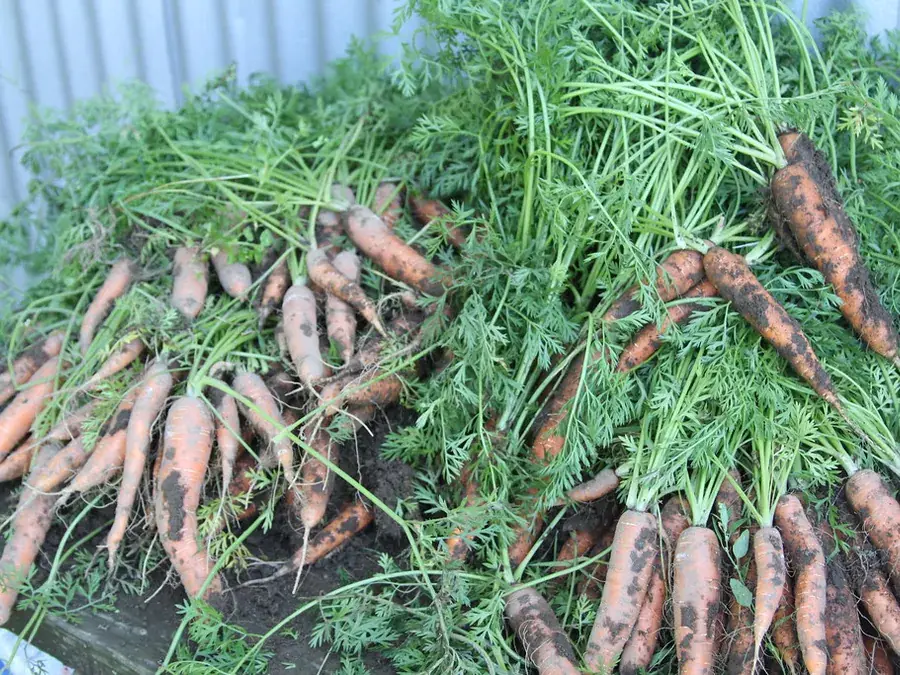 HardyRootsPicked Jul–Nov
Carrots
The root that gets sweeter the longer autumn goes on — and keeps until spring if you treat it right.
Cold storage · Pressure · FreezingPick, store, put up →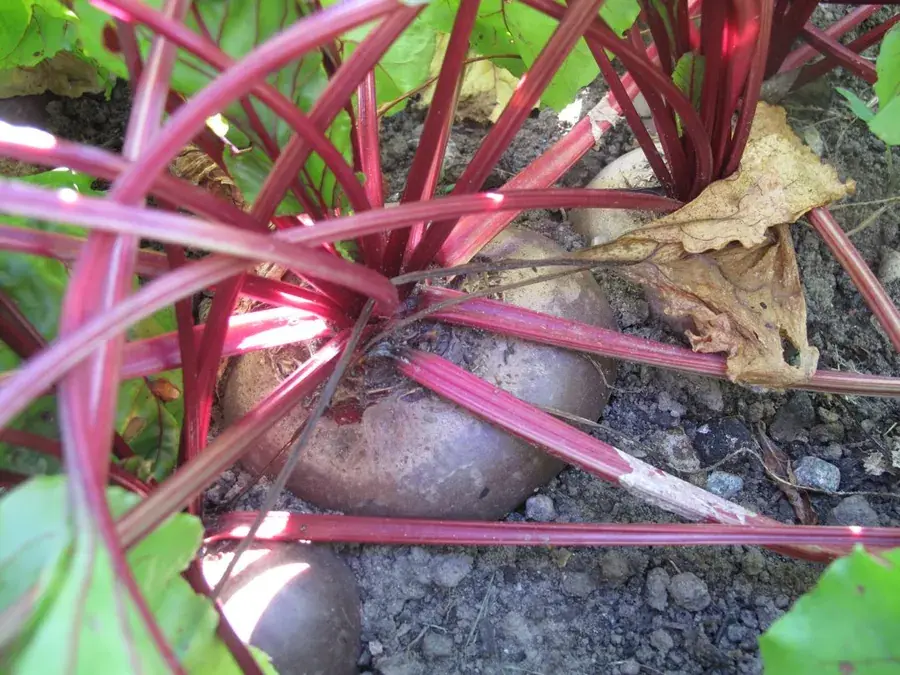 HardyRootsPicked Jul–Oct
Beets
Two crops in one bed — the roots for the cold room, the greens for tonight.
Pickling · Pressure · FreezingPick, store, put up →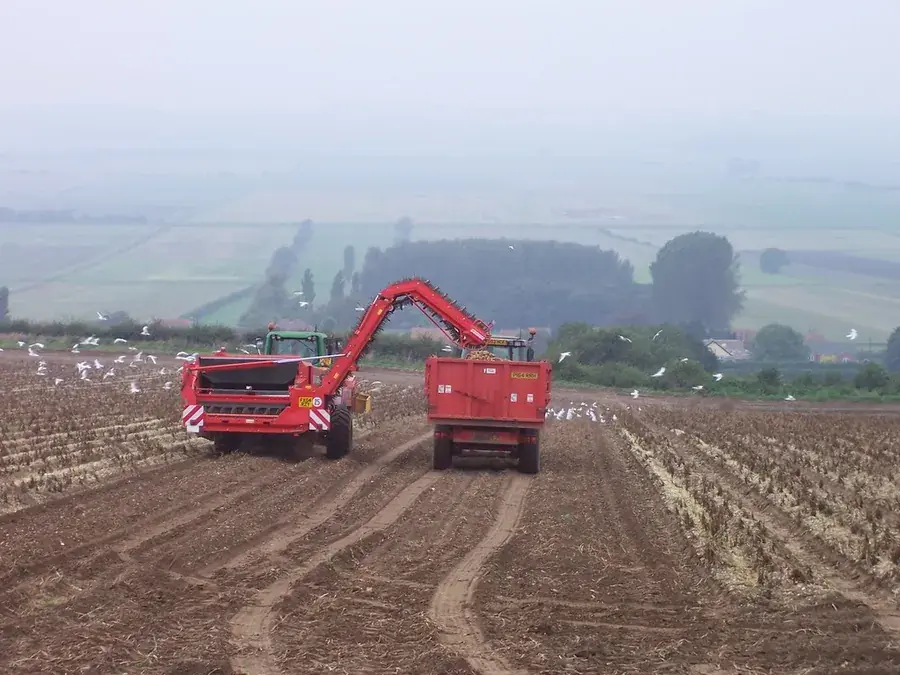 Half-hardyRootsPicked Jul–Oct
Potatoes
The crop children remember digging — and the one that needs two weeks in the dark before it goes anywhere.
Cold storage · Pressure · FreezingPick, store, put up →
Checked against these sources ·
- University of Minnesota Extension: Growing carrots and parsnips
- Oregon State University Extension: Grow your own root vegetables
- NCHFP: Freezing turnips or parsnips
- University of Wisconsin Horticulture: Wild parsnip and phytophotodermatitis
- Seed Savers Exchange: Crop-specific seed saving chart
Harvest months are typical for zones 4–6 and move by weeks north and south. Storage figures are for the ideal; a house without a cold room will get the shorter end of each range.