Photo Dag Endresen on Flickr · CC BY 2.0
Beets
Beta vulgaris
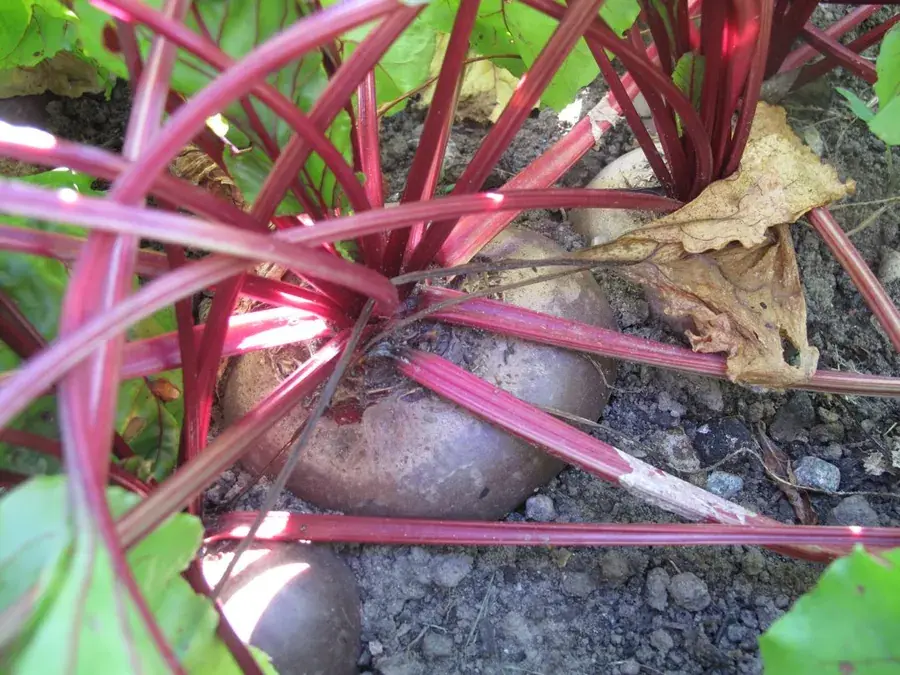
Two crops in one bed — the roots for the cold room, the greens for tonight.
- Ready when
- Roots 4–7 cm (1½–3 in) across — the shoulder shows above the soil, which is how you check without pulling. Small beets are tender; anything over 8 cm (3 in) tends to be woody unless the variety is bred for size. Greens are ready from the thinnings onward; take a leaf or two per plant and the root keeps growing.
- How to pick
- Pull by the base of the leaves on a dry day, loosening with a fork in heavy soil. Twist the tops off leaving 2–3 cm (1 in) of stem — cutting into the crown or trimming the tap root makes the beet bleed its colour and shortens its life in store. Don’t wash. Cook the greens the same day; they wilt fast.
- On a frost night
- A light frost to about −3 °C does nothing but nip the leaves, and the roots are sweeter after it. But a beet sits half out of the ground, so a hard freeze (−5 °C and below) damages the exposed shoulder and that beet rots in storage. The night a hard frost is forecast, either dig them or pull soil and mulch up over the shoulders. Beets do not overwinter in the ground in zones 3–5: dig before the soil freezes.
Where it keeps
Storing beets
| Where | Temperature | Humidity | Keeps | How |
|---|---|---|---|---|
| Cold room or root cellar | 0–2 °C32–36 °F | high | 3–5 months | Tops twisted off, in damp sand or sawdust in a bin, or in perforated bags. Beets shrivel faster than carrots, so keep the sand moist. |
| Fridge crisper | 0–4 °C32–39 °F | high | 1–2 months for roots; 3–5 days for greens | Roots in a perforated bag; greens separately in a bag with a damp towel. |
| Cooler in an unheated garage or porch | 0–5 °C32–41 °F | high | 2–3 months | A cooler or insulated box of damp sand; bring it in if the garage is going to sit below −3 °C for long. |
Putting it up
What to do with too many beets
Pickled beets are what most people want from a beet glut, and they are safely water-bath canned because the tested recipes (NCHFP, Bernardin) carry enough 5% vinegar to bring the jar well under pH 4.6 — 30 minutes in a boiling-water canner for 500 ml jars. Plain beets are another matter: they are low-acid and must be pressure-canned, 30 minutes for 500 ml and 35 for litres at 10 lb weighted gauge, with the jars filled with fresh boiling water rather than the red cooking liquid. Never water-bath plain beets. Cooked beets freeze well sliced or cubed; raw beets do not. Beet greens are treated like spinach — blanch 2 minutes, squeeze, freeze.
Vinegar does the preserving; the canner just seals the jar.
Jars heated above boiling under pressure — the only safe way to can plain vegetables.
The fastest route and the one that keeps flavour best.
The oldest method: the right cold, the right damp, and darkness.
- Pickling
Pickled beets
Sweet-sour beet slices with cinnamon and clove — the pickle that makes a winter plate look like something.
About 8 × 500 ml (pint) jars · 1¼ hours active
The recipe →
Saving seed
A biennial — flowers in its second year
Beets flower in their second year after a cold spell. Keep the best roots in damp sand at 0–4 °C over winter (or in the ground under heavy mulch where the soil stays above about −9 °C), replant them 45 cm (18 in) apart in spring, and let the 1–2 m seed stalks ripen in late summer; strip the dry seed clusters by hand. Beets are wind-pollinated and the pollen travels — Seed Savers Exchange asks for 250–800 m (800 ft to ½ mile) between varieties — and they cross with Swiss chard, which is the same species, so a bolting chard plant in the bed ruins your beet seed. Save from at least five plants. Each ‘seed’ is a cluster of two to four, which is why beets always need thinning.
Keeps: 4–5 years.
The seed-saving guide →Next year
Planning beets for next season
Rotate with chard and spinach (the same family) and follow a legume or a well-composted bed; beets want neutral to slightly alkaline soil, and a boron shortage shows up as black corky spots inside the root. Direct sow 2–4 weeks before the last frost when the soil is 7–10 °C, 2 cm (¾ in) deep and 2–3 cm apart in rows 30 cm (12 in) apart, and thin to 8–10 cm (3–4 in) — eat the thinnings. Sow again every three weeks until early July; the July sowing gives the best storage roots. In zones 3–4 pick a 50–55-day variety and soak the seed overnight to speed germination.
Beets at a glance
- Botanical name
- Beta vulgaris
- Group
- Roots
- Picked
- July, August, September, October
- Frost
- Hardy: takes −4 to −6 °c and often sweetens.
- Best put up as
- pickling, pressure canning, freezing, cold storage
- Seed
- A biennial — flowers in its second year
Questions people ask about beets
When should I harvest beets?
At 4–7 cm (1½–3 in) across, about 50–65 days from sowing — you can see the shoulder above the soil. Spring sowings are ready from July; the storage crop comes out in October after a frost or two but before a hard freeze. Greens can be picked a leaf at a time all season.
How do I store beets for the winter?
Twist the tops off leaving 2–3 cm of stem, don’t wash, and pack them in damp sand or perforated bags at 0–2 °C with high humidity, where they keep three to five months. Without a cold room, the fridge crisper holds them one to two months and a cooler of damp sand in an unheated garage two to three. Keep the sand moist — beets shrivel faster than carrots.
Can you freeze beets?
Cooked, yes: boil whole until tender, slip the skins, slice or cube, cool and bag. They hold their colour and texture well for soups, salads and roasting. Raw beets freeze badly. Beet greens freeze like spinach, blanched 2 minutes.
Can I water-bath can beets?
Pickled beets from a tested recipe, yes — the 5% vinegar makes the jar acidic enough, and they process 30 minutes for 500 ml jars. Plain beets, no: they are low-acid and must be pressure-canned, 30 minutes for 500 ml and 35 for litres at 10 lb weighted gauge. Fill plain-beet jars with fresh boiling water, not the cooking liquid.
How do I save beet seeds?
Overwinter the best roots in damp sand at 0–4 °C and replant them in spring; they flower and set seed in their second summer. Beets are wind-pollinated and cross with Swiss chard and other beet varieties up to 800 m away, so only one Beta vulgaris can flower at a time. Seed keeps four to five years.
Are beets frost hardy?
Hardy to light frost: the leaves shrug off −2 to −3 °C and the roots are sweeter after it. The shoulder sits above the soil, though, so a hard freeze below −5 °C damages it and the beet will not store. Dig or mulch over the shoulders before a hard frost, and dig everything before the ground freezes.
What should kids know about beets?
Beets are safe to pull, rinse and eat raw in thin slices, and the greens are fine too. The juice dyes hands, aprons and chopping boards for a day, which children generally consider a feature. Pulling beets by their leafy handles and sorting them by size is a good job for a four-year-old.
Your own frost dates
When does this come in where you are?
Enter a town, postal code or ZIP and the garden year, the frost watch and this week’s guide are built from your own weather.
Also in roots
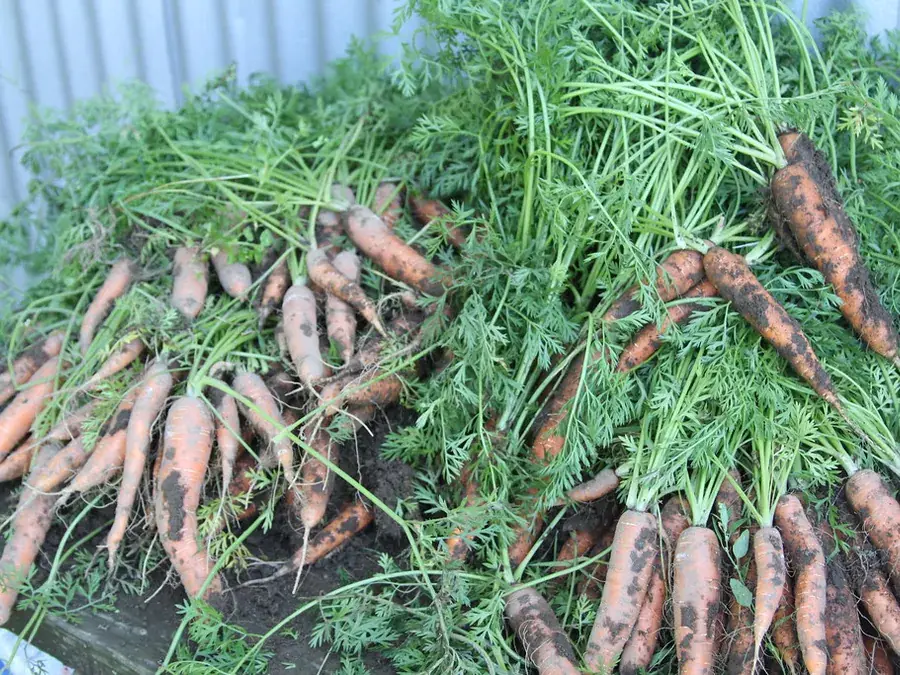 HardyRootsPicked Jul–Nov
Carrots
The root that gets sweeter the longer autumn goes on — and keeps until spring if you treat it right.
Cold storage · Pressure · FreezingPick, store, put up →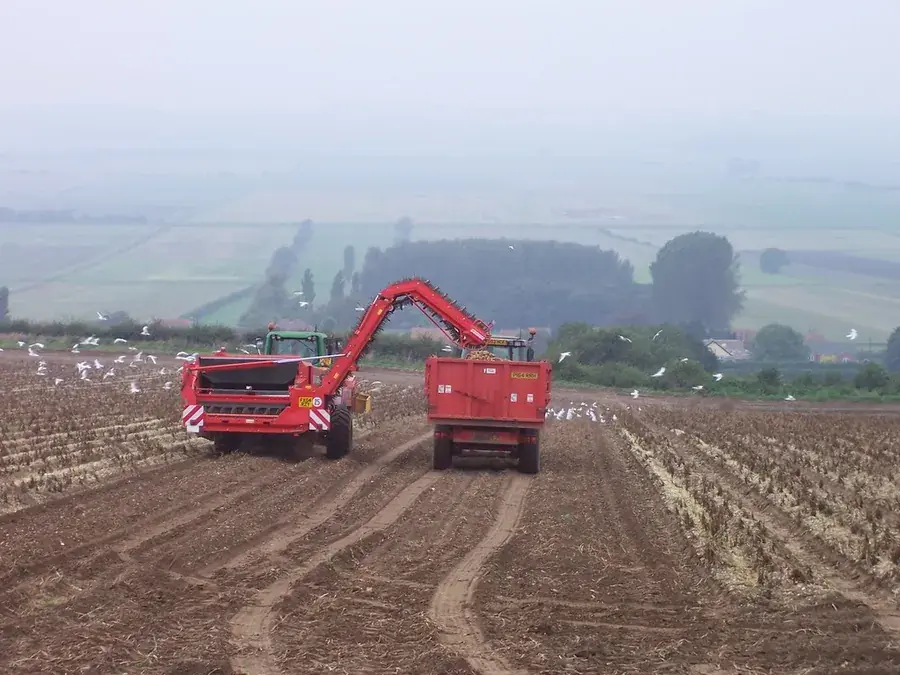 Half-hardyRootsPicked Jul–Oct
Potatoes
The crop children remember digging — and the one that needs two weeks in the dark before it goes anywhere.
Cold storage · Pressure · FreezingPick, store, put up →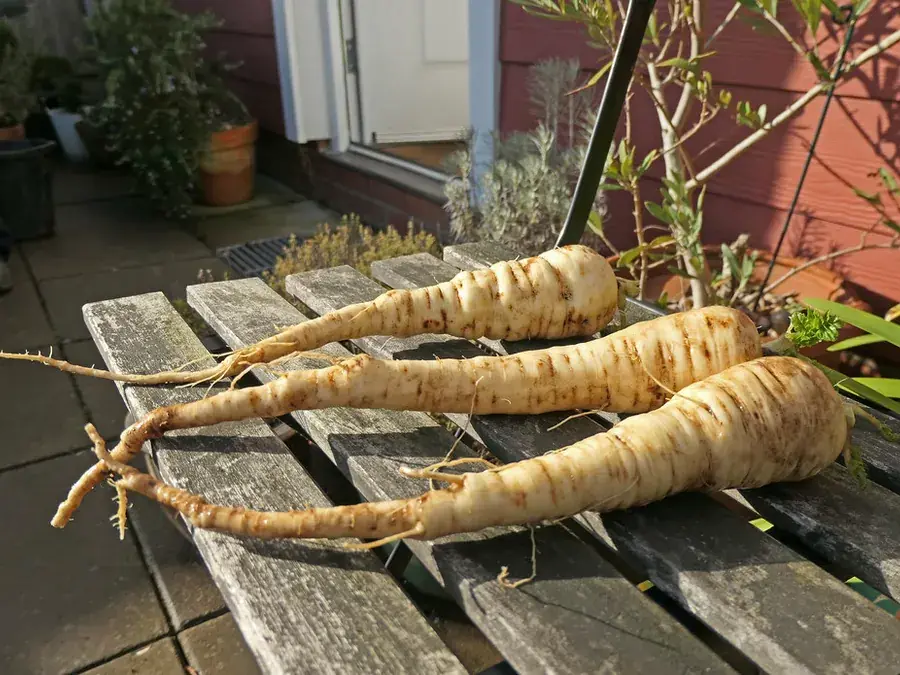 Very hardyRootsPicked Mar–Nov
Parsnips
The one root that wants a hard frost before it is worth eating — and the last crop you can dig in spring.
Cold storage · FreezingPick, store, put up →
Checked against these sources ·
- NCHFP: Pickled beets
- NCHFP: Canning beets (whole, cubed or sliced)
- Bernardin: Pickled beets
- Seed Savers Exchange: Beet growing and seed saving guide
- University of Minnesota Extension: Harvesting and storing home garden vegetables
Harvest months are typical for zones 4–6 and move by weeks north and south. Storage figures are for the ideal; a house without a cold room will get the shorter end of each range.