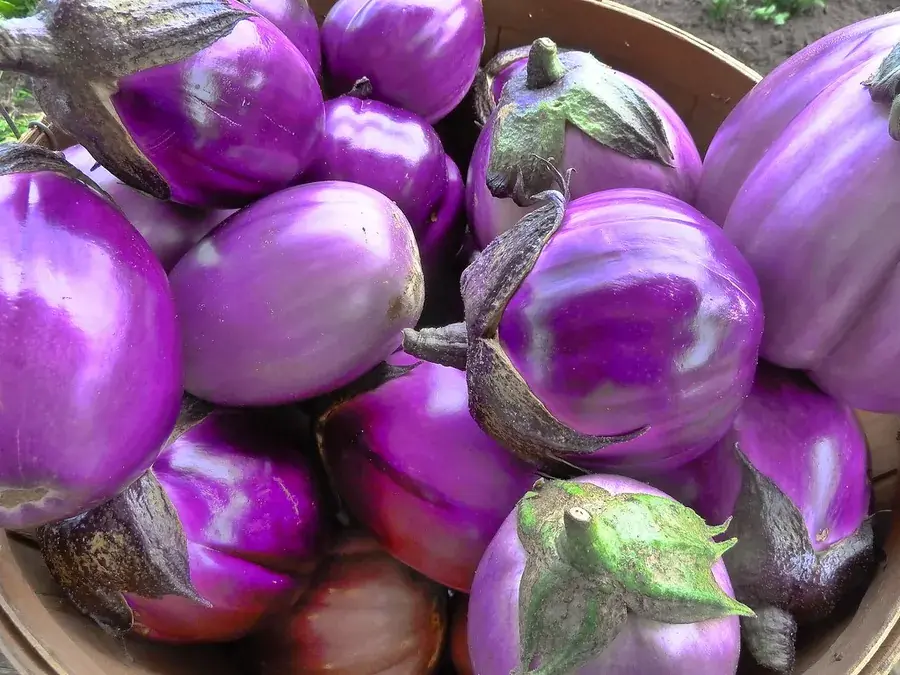
Eggplant
Solanum melongena
One of the most cold-shy plants in the garden, and the one that has to be cooked before it goes in the freezer.
- Ready when
- Full size for the variety, skin glossy and taut, and the flesh springs back when you press it with a thumb. A fruit that has gone dull, bronze or soft, or whose seeds have turned brown inside, is overripe and bitter. Pick young — a half-sized glossy eggplant eats better than a full-sized dull one — and picking keeps the plant setting.
- How to pick
- Cut with secateurs, leaving 2–3 cm of the stem and the green cap on; pulling tears the woody stem and often the branch. Wear gloves or watch your fingers — many varieties carry small spines on the cap. Handle like fruit, not a vegetable: a bruise turns brown in a day.
- On a frost night
- Eggplant is less cold-hardy than tomatoes: 0 °C kills the plant, and fruit left out on nights near 5 °C gets chilling damage — pitting and brown seeds — even without a frost. Once September nights drop under 10 °C regularly, pick everything glossy and of usable size, small included. A sheet over the plants buys one cool night; it is not worth fighting for more than that. There is no ripening indoors.
Where it keeps
Storing eggplant
| Where | Temperature | Humidity | Keeps | How |
|---|---|---|---|---|
| Cool room or basement | 10–12 °C50–54 °F | high | Up to a week | In a perforated bag or an open box with a damp towel. Eggplant wants 10–12 °C and high humidity — colder is damage, warmer is quick decay. |
| Fridge crisper | 4–7 °C39–45 °F | high | 3–5 days | In a perforated bag, and use it fast: below 10 °C the skin pits and bronzes and the seeds brown within about a week. Not with apples — ethylene makes it worse. |
Putting it up
What to do with too many eggplant
Eggplant does not store and does not freeze raw — it discolours and turns to sponge — so it is preserved cooked. Roasted whole or in halves until collapsed, the flesh scooped and frozen in 250 ml tubs, is the best form: baba ghanoush, pasta sauce and curry all winter. Breaded and fried or baked slices freeze well with freezer paper between them, ready for parmigiana. The tested freezing method for plain slices is 8 mm (⅓ in) rounds blanched 4 minutes in boiling water with 125 ml (½ cup) lemon juice per 4 L to stop the browning, cooled, drained and packed. What does not work is canning eggplant on its own in any form — it is low-acid and there is no tested process — or pickling it by a family recipe or an internet one: eggplant goes in a jar only by a tested pickle such as Bernardin’s aubergine pickles, which pre-boils eggplant sticks in a measured vinegar-and-water brine, water-bath processed. Marinated eggplant in oil is a refrigerator food to eat within days, never a pantry one.
Saving seed
Easy to save — comes true
Eggplant flowers self-pollinate, so an open-pollinated variety comes true — but check the packet, because many of the glossy black supermarket-type varieties are F1 hybrids. Bees do move pollen between plants, so keep varieties 90–500 m (300–1,600 ft) apart, or bag a few flowers in organza. Seed is not ripe at eating stage: leave the chosen fruit on the plant until it goes dull, yellowish or brownish, soft, and comes off with a tug — weeks past when you would eat it. Cube it and blend with water in a food processor on a gentle setting or mash it in a bucket; good seed sinks, pulp floats and pours off. Rinse in a sieve and dry on a plate or coffee filter for two weeks.
Keeps: 4–6 years.
The seed-saving guide →Next year
Planning eggplant for next season
Nightshade rotation — not where tomatoes, potatoes, peppers, eggplant or tomatillos grew in the last three years. Full sun, the warmest, best-drained bed you have, steady water (drought makes it bitter), 45–60 cm (18–24 in) apart. Eggplant is the slowest of the nightshades: start indoors 9–10 weeks before the last frost on a heat mat at 24–29 °C, and plant out two weeks after the last frost once nights hold above 10 °C — a seedling chilled in May can sulk all summer and set nothing. In zones 3–5 grow small-fruited, early varieties (Asian long types, baby and 60–65-day kinds) in black pots or through black plastic, under row cover until flowering.
Eggplant at a glance
- Botanical name
- Solanum melongena
- Group
- Fruiting vegetables
- Picked
- August, September
- Frost
- Tender: finished by the first frost.
- Best put up as
- freezing, pickling
- Seed
- Easy to save — comes true
Questions people ask about eggplant
When is eggplant ready to pick?
When it is glossy, taut and firm, at or a little under full size for the variety, and the flesh springs back from a thumb press. Dull skin, a bronze cast or softness mean it is overripe, with brown seeds and a bitter edge. Cut it with 2–3 cm of stem — do not pull — and pick small and often to keep the plant setting.
How do you store eggplant?
Briefly, and not too cold: 10–12 °C and humid is ideal, which usually means a cool basement or garage in a perforated bag, for up to a week. The fridge works for three to five days, but below 10 °C the skin pits and bronzes and the seeds brown within about a week, so plan to cook it soon after picking.
Can you freeze eggplant?
Only cooked or blanched. The easiest is to roast whole eggplants until they collapse, scoop the flesh and freeze it in 250 ml tubs. Breaded and baked slices freeze well with paper between them. Plain slices can be blanched 4 minutes in water with 125 ml lemon juice per 4 L, cooled and frozen. Raw eggplant frozen as-is browns and turns spongy.
Can you can or pickle eggplant?
Not plain — eggplant is low-acid and there is no tested home canning process for it on its own. It can be pickled by a tested recipe only, such as Bernardin’s aubergine pickles, which pre-boils eggplant sticks in a measured vinegar-and-water brine with a 15-minute water bath for 500 ml jars. Marinated eggplant in oil is a fridge food to eat within days, never a pantry jar.
Is eggplant frost tolerant?
No — it is the least cold-tolerant plant in the vegetable garden, less hardy than tomatoes. The plant dies at 0 °C, and the fruit is damaged by chilling on nights near 5 °C even without frost. Once September nights are regularly under 10 °C, pick what you have and cook it; covering buys one night at most.
How do I save eggplant seeds?
From an open-pollinated variety — many are F1 hybrids. Leave a fruit on the plant until it is dull, yellow-brown and soft, weeks past eating stage. Cube it and mash or blend gently with water; good seed sinks and pulp floats off. Rinse and dry for two weeks. Keep varieties 90 m apart or bag a few flowers. Good for four to six years.
What should kids know about eggplant?
It is a nightshade like tomato and potato: the fruit is food once cooked, and the leaves and stems are not. The caps and stems often carry small prickles, so picking is a gloves-on job for a six-year-old or a watch-and-carry job for a three-year-old. A purple eggplant is one of the few vegetables children will carry in from the garden just because it is beautiful, and that is a fair reason to grow one.
Your own frost dates
When does this come in where you are?
Enter a town, postal code or ZIP and the garden year, the frost watch and this week’s guide are built from your own weather.
Also in fruiting vegetables
 TenderFruiting vegetablesPicked Jul–Oct
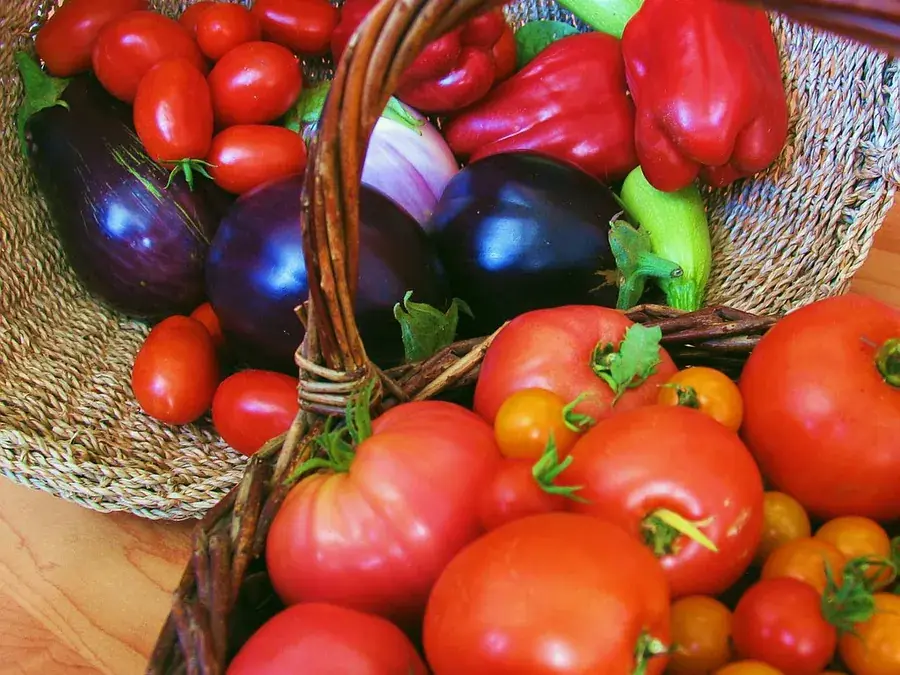
Tomatoes
The crop every garden ends up with too many of at once — and the one most worth putting up.
Water-bath · Freezing · DryingPick, store, put up →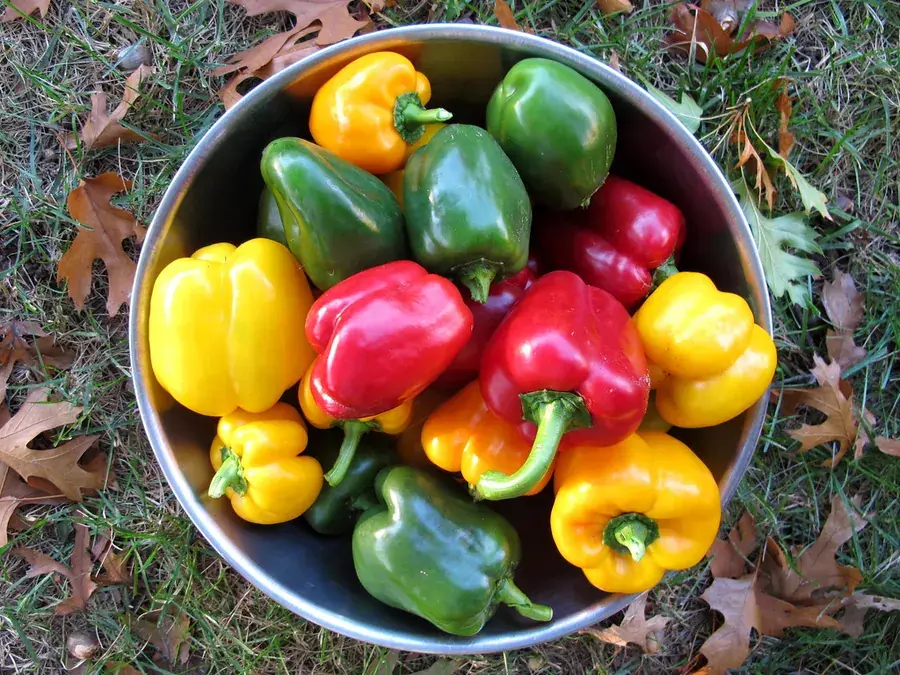 TenderFruiting vegetablesPicked Jul–Oct
Sweet peppers
Slow to colour, quick to freeze — the pepper harvest is a race between the plant and the first frost.
Freezing · Pickling · PressurePick, store, put up → TenderFruiting vegetablesPicked Aug–Oct
Hot peppers
A handful of plants gives a year of heat — dried on a string, pickled in rings, or fermented into sauce.
Drying · Pickling · FermentingPick, store, put up →
Checked against these sources ·
- University of Minnesota Extension: Growing eggplant in home gardens
- UC Davis Postharvest: Eggplant — recommendations for maintaining postharvest quality
- NCHFP: Freezing eggplant
- Bernardin: Aubergine pickles
- Seed Savers Exchange: Eggplant growing and seed saving guide
Harvest months are typical for zones 4–6 and move by weeks north and south. Storage figures are for the ideal; a house without a cold room will get the shorter end of each range.