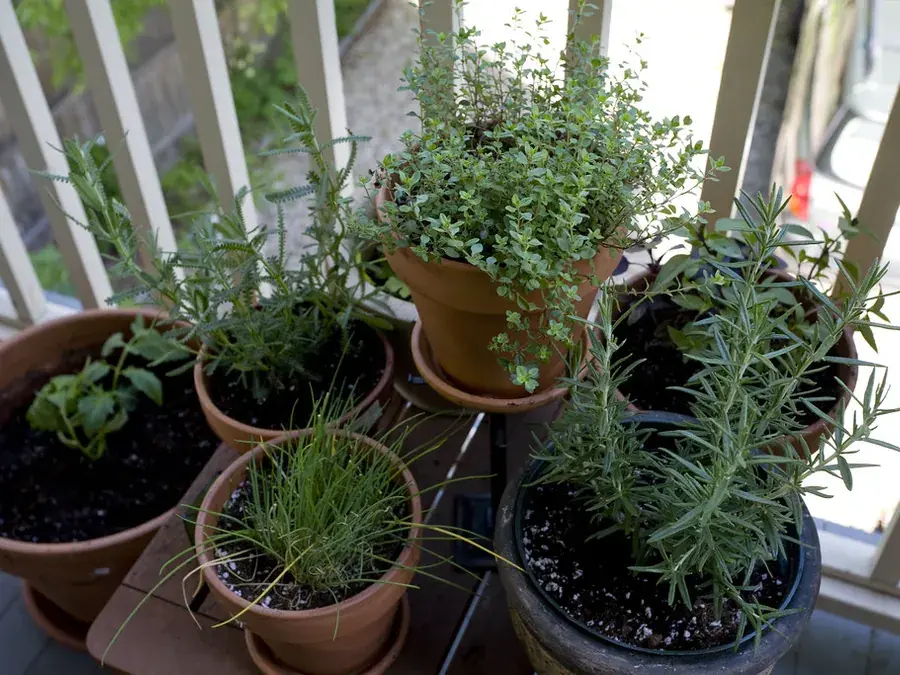
Thyme, oregano, sage and rosemary
Thymus vulgaris, Origanum vulgare, Salvia officinalis, Salvia rosmarinus
The woody Mediterranean herbs: they dry as well as basil dries badly, and three of the four will sleep through a Canadian winter.
- Ready when
- All four are at their best just before they flower, when the oils are highest: thyme and oregano in June and again in late summer, sage from about 75 days after planting with two main cuts a season, rosemary any time. Mid-morning, once the dew has dried. Take a light harvest from first-year plants and never more than a third to half of a plant at once — a fifth, for rosemary.
- How to pick
- Snip stems 10–15 cm long with scissors, cutting just above a pair of leaves so the plant branches; strip the leaves after drying, not before. For sage cut 15–20 cm from the tops of the stems. Make the last big cut of the hardy three by early to mid-September and take only sprigs after that.
- On a frost night
- Leave thyme, oregano and sage: frost does not hurt them, and sage and thyme can be picked under the snow all winter. What the frost night is for is the rosemary. It handles light frosts but not a Canadian winter — it is hardy only to about zone 8a, so no Canadian garden north of the coast keeps it outdoors — so pot it up two or three weeks before the first frost and bring it to a bright cool window, or take your last big harvest and let it go as an annual. Do not shear the hardy three after mid-September; a hard late cut pushes soft growth that winter kills.
Where it keeps
Storing thyme, oregano, sage and rosemary
| Where | Temperature | Humidity | Keeps | How |
|---|---|---|---|---|
| Fridge, in a bag | 0–4 °C32–39 °F | high | 1–2 weeks fresh; oregano cuttings in a jar for several weeks | Dry sprigs in a bag or a jar in the door. Woody herbs keep far better than soft ones. |
| Pantry, dried | 10–20 °C50–68 °F | dry | About a year before the flavour fades | Whole dried leaves in a sealed jar out of the light; crumble when you cook, not when you pack. |
| In the garden, under snow | -10–5 °C14–41 °F | high | Thyme and sage can be picked all winter | Brush the snow off and snip; the leaves are leathery and fine. |
Putting it up
What to do with too many thyme, oregano, sage and rosemary
These are the herbs that dry: tie small loose bunches and hang them upside down inside paper bags with holes punched in them, in a warm, dark, airy room for one to two weeks, or lay sprigs on screens, or run a dehydrator at 35–45 °C (95–115 °F) for a few hours. They are done when a leaf crumbles between your fingers and the stem snaps; strip the leaves and store them whole in jars, because flavour lives in the whole leaf and leaves the crumbled one. Rosemary and thyme also freeze well on the stem in a bag, and sage leaves frozen in butter are winter’s best roast-chicken butter. Herb-infused oil is the thing to be careful with: oil plus a low-acid herb is the botulism setting, so an oil you have put fresh or dried herbs or garlic into lives in the fridge for four days or in the freezer, never on the shelf. Herb vinegars are acid and are safe on the shelf. What does not work: drying in the sun, in a hot oven, or anywhere over 45 °C, which drives off the oils you were trying to keep.
A dehydrator or a low oven; light, keeps for a year.
The fastest route and the one that keeps flavour best.
- Drying
Dried herbs, air-dried and dehydrated
Bunches of thyme hanging from a nail, basil laid flat in the dehydrator: the whole herb bed in six jars before the frost takes it.
A loose grocery bag of fresh herbs dries down to one or two 250 ml jars · 20 minutes active
The recipe →
Saving seed
Grown from tubers, cloves, crowns or runners, not seed
These are grown from cuttings and divisions, not seed: thyme and oregano from seed are variable and seed-grown oregano is often bland, and rosemary cultivars do not come true. Take 10–15 cm softwood tip cuttings from flower-free shoots in late spring or early summer, strip the lower leaves, dip in rooting hormone, set them in damp perlite or a gritty mix under a plastic bag out of direct sun, and they root in two to four weeks — ten to twenty days for rosemary with bottom heat. Divide clumps of thyme and oregano in early spring as growth starts; layer or divide sage, which is short-lived and worth replacing every three to five years. Cut old woody thyme back hard in spring every few years to renew it.
Keeps: Not from seed in practice. June cuttings are garden plants by autumn; sage is the one worth sowing if you must, 6–8 weeks before the last frost.
The seed-saving guide →Next year
Planning thyme, oregano, sage and rosemary for next season
They want the opposite of the vegetable garden: full sun, lean soil, and sharp drainage above all — wet feet in winter, not cold, is what kills a Mediterranean herb in Canada, so a raised bed, a slope, a gravel mulch instead of wet leaves. No rich compost, no fertiliser to speak of. Thyme and sage are reliably hardy to zone 5 (sage to zone 4), and oregano is marginal in zone 5 without a winter mulch; all three usually make it through zone 4 with snow or a winter mulch of evergreen boughs laid on after the ground freezes and lifted in April; Greek oregano and ‘Profusion’ are the hardy, flavourful oreganos, and thyme varieties vary, so buy ones labelled hardy. Leave the winter-browned tips on until new growth shows in spring, then cut them back. Rosemary is a zone 7–8 plant (‘Arp’ and ‘Madeline Hill’ to zone 6 with shelter), so grow it in a pot of gritty mix that comes indoors to a cool bright window before the first frost, watered sparingly — or buy a new one each May. In zones 3–4 thyme and oregano under snow are usually fine, sage is a gamble, and rosemary is a houseplant.
Thyme, oregano, sage and rosemary at a glance
- Botanical name
- Thymus vulgaris, Origanum vulgare, Salvia officinalis, Salvia rosmarinus
- Group
- Herbs
- Picked
- June, July, August, September, October
- Frost
- Hardy: takes −4 to −6 °c and often sweetens.
- Best put up as
- drying, freezing
- Seed
- Grown from tubers, cloves, crowns or runners, not seed
Questions people ask about thyme, oregano, sage and rosemary
Does rosemary survive winter in Canada?
Not outdoors, except on the mildest parts of the coast. Rosemary is hardy to zone 7 or 8 (the toughest cultivars, ‘Arp’ and ‘Madeline Hill’, to zone 6 with shelter), so in the rest of the country it is a pot plant: bring it to a cool, bright window two or three weeks before the first frost, water sparingly, and expect it to sulk until spring. Many gardeners simply buy a new plant each May and dry the old one in September.
How do you dry thyme, oregano and sage?
Cut stems just before flowering, tie them in small loose bunches and hang them upside down inside paper bags with a few holes in a warm, dark, airy place for one to two weeks — or on screens, or in a dehydrator at 35–45 °C. They are dry when a leaf crumbles and a stem snaps. Strip the leaves, store them whole in sealed jars out of the light, and crumble them as you cook. They keep a year.
When do you harvest thyme, oregano and sage?
Any time for a sprig, but for drying cut them just before they flower, when the oils are strongest — June and again in late summer for thyme and oregano, two main cuts a season for sage. Mid-morning after the dew dries. Take no more than a third to half of the plant, go lightly on first-year plants, and make the last big cut by early to mid-September so the plant hardens before winter.
Can you freeze rosemary and thyme?
Yes: whole sprigs in a freezer bag, snipped off frozen as you need them, keep their flavour well, and sage leaves chopped into softened butter and frozen in a log are better than dried sage for roasts and stuffing. Freezing is the alternative, not the improvement — these are the herbs that genuinely dry well, so dry the bulk and freeze a bag for convenience.
Is herb-infused oil safe to keep?
Only in the fridge for up to four days, or in the freezer. Oil keeps air away from the herbs and garlic, which are low-acid, and that is the setting in which botulism bacteria grow without any smell or sign; dried herbs in oil are no safer than fresh. The shelf-stable versions in shops are acidified by a process you cannot copy at home. Herb vinegars are acid and keep safely on the shelf.
How do you winter thyme, oregano and sage?
Drainage first: they die of wet roots far more often than of cold, so plant them in a raised or sloping bed with a gravel mulch rather than wet leaves. Stop hard cutting by mid-September. After the ground freezes, lay evergreen boughs or straw over oregano and thyme in zones 4–5 and lift it in April. Leave the browned tips on until new growth shows in spring, then cut back. Sage is short-lived; replace it every three to five years from cuttings.
What can kids do with these herbs?
Rub a leaf of each between their fingers and name the smell — pizza (oregano), stuffing (sage), roast potatoes (rosemary), and thyme, which smells like all of them — and all four are safe to taste straight from the plant. Children are good at the two jobs that matter: stripping dried leaves off stems into a bowl, and tying the bunches. Sage leaves are furry and a favourite to stroke; a bee on a thyme flower in June is the first bee most kids watch up close.
Your own frost dates
When does this come in where you are?
Enter a town, postal code or ZIP and the garden year, the frost watch and this week’s guide are built from your own weather.
Also in herbs
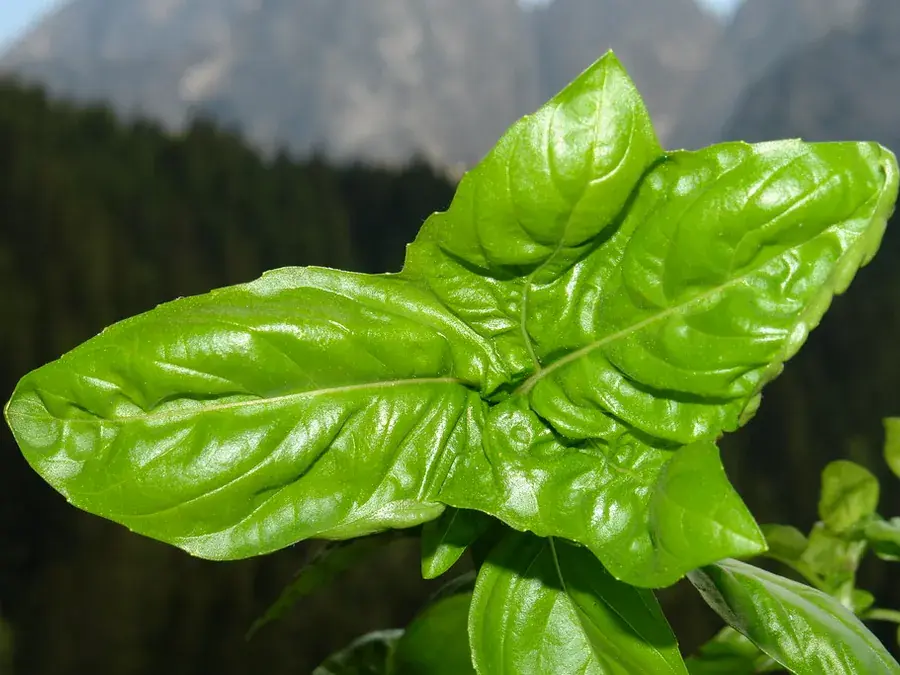 TenderHerbsPicked Jul–Sep
Basil
The most tender thing in the garden and the worst herb to dry — pesto in the freezer is the whole plan.
FreezingPick, store, put up →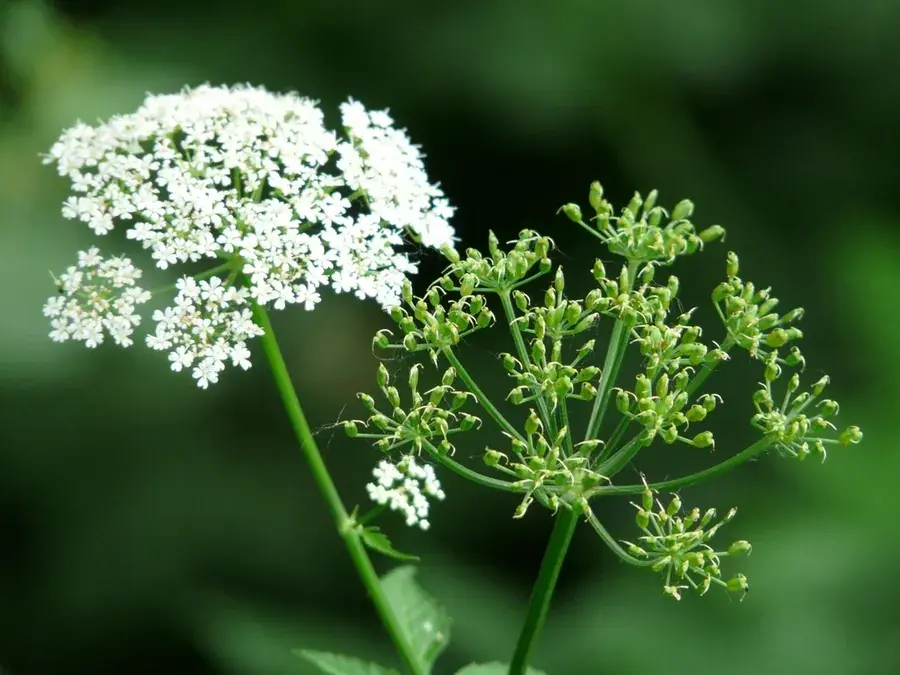 Half-hardyHerbsPicked Jun–Sep
Dill
Two crops from one plant — feathery dill weed in June, and the seed heads that make a pickle a pickle in August.
Freezing · Drying · PicklingPick, store, put up →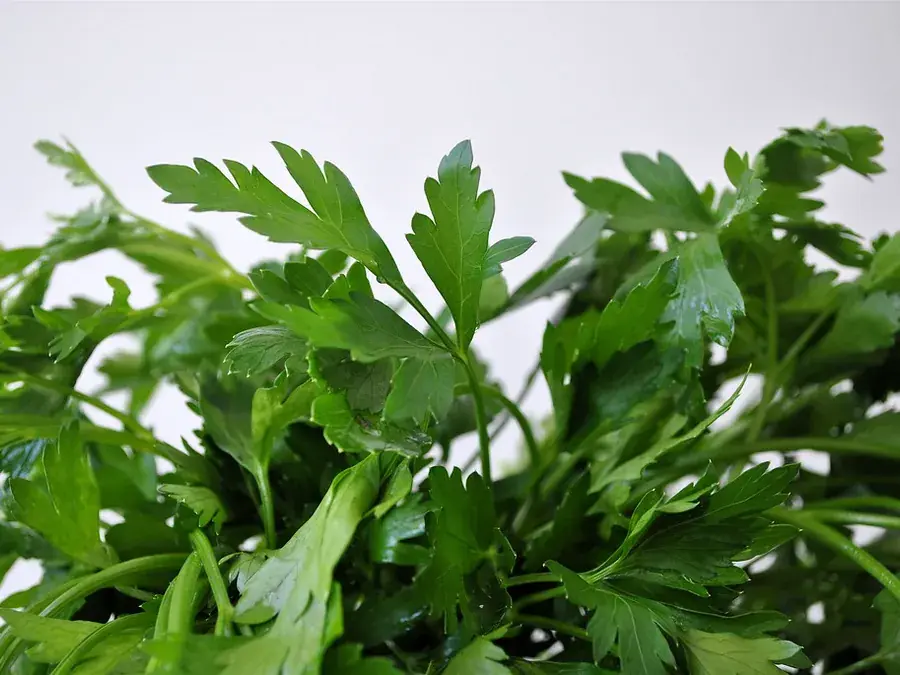 HardyHerbsPicked Jun–Oct
Parsley
The herb that stands green through the first snows — and the one that is worthless dried.
Freezing · DryingPick, store, put up →
Checked against these sources ·
- UW–Madison Extension: Sage, Salvia officinalis
- UW–Madison Extension: Rosemary
- Illinois Extension: Oregano
- Illinois Extension: Thyme
- OSU Extension: Herbs and vegetables in oil (SP 50-701)
Harvest months are typical for zones 4–6 and move by weeks north and south. Storage figures are for the ideal; a house without a cold room will get the shorter end of each range.