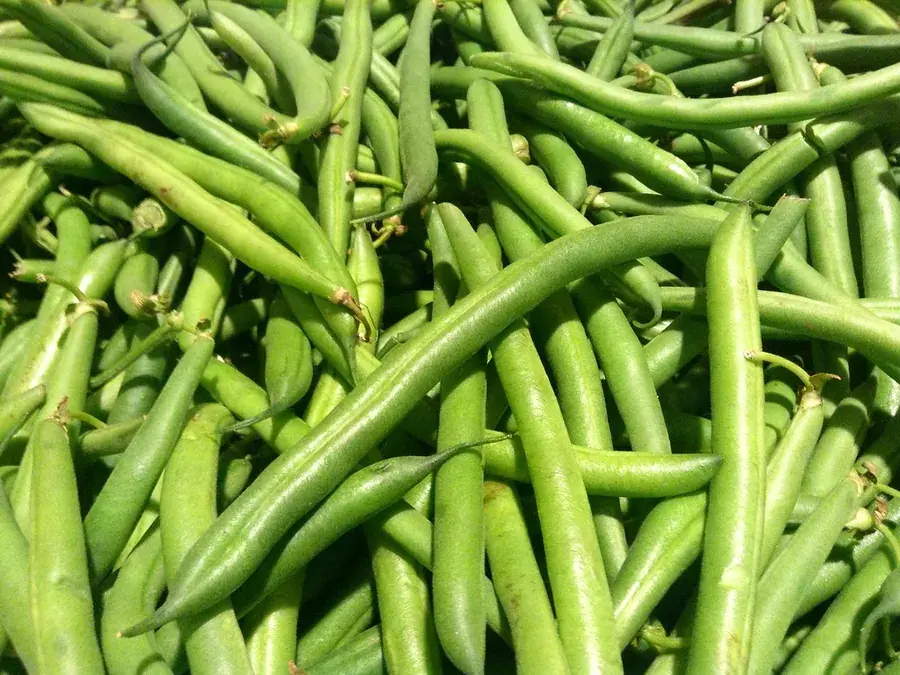
Photo JeepersMedia on Flickr · CC BY 2.0
Green beans
Phaseolus vulgaris
Pick them young and pick them often — and never, ever water-bath a jar of plain beans.
- Ready when
- Pods the thickness of a pencil, smooth, crisp enough to snap cleanly in half, with the seeds inside still small — no bulges along the pod. Most varieties are ready 50–60 days from sowing and 10–14 days after the flowers. Once the seeds show as lumps, the pod is tough and stringy; let those go on to dry beans or compost them.
- How to pick
- With two hands, holding the stem with one and snapping the pod off with the other, or the plant comes out of the ground. Pick every two or three days — a plant with mature pods left on it stops flowering, and a bush bean planting picked clean gives three or four flushes. Never pick or handle beans when the leaves are wet; it spreads rust and bacterial blight down the row. Pole beans keep producing until frost if you keep up with them.
- On a frost night
- Bring them in. Beans are killed at 0 °C: the leaves blacken and the pods go water-soaked and limp by morning. The evening a frost is forecast, pick every pod of eating size and anything close, and throw a sheet or row cover over the plants — a light frost under cover often leaves them producing for two or three more weeks of September. A pod frosted on the plant is not worth saving.
Where it keeps
Storing green beans
| Where | Temperature | Humidity | Keeps | How |
|---|---|---|---|---|
| Fridge crisper | 4–8 °C39–46 °F | high | About a week | Unwashed, in a perforated bag; beans chill-damage below 4 °C, so the crisper, not the back of the fridge. Wash just before use. |
| Kitchen counter | 15–21 °C59–70 °F | moderate | A few hours | Fresh-picked beans hold their quality only a few hours at room temperature; cook or chill them the same day. |
Putting it up
What to do with too many green beans
Green beans are the home freezer’s second crop after peas: snap or cut into 5–10 cm lengths, blanch 3 minutes, chill in ice water, drain, and tray-freeze before bagging. They also make the best pickle in this group — dilly beans, raw-packed with dill and garlic into sterilized jars (boiled 10 minutes) in a tested brine of equal parts 5 % vinegar and water with canning salt, processed 5 minutes in a boiling-water bath at 0–300 m by the NCHFP recipe. Plain beans in water are another matter entirely: they are a low-acid vegetable and must be pressure-canned, 20 minutes for 500 ml jars and 25 for litres at 10 lb (weighted gauge, 0–300 m). There is no safe boiling-water time for plain green beans, and no family recipe changes that — home-canned green beans top the historical list of foods behind botulism cases in North America, because for a century people water-bathed them. Drying green beans (‘leather britches’) works but gives a chewy, musty product; the freezer is better.
The fastest route and the one that keeps flavour best.
Jars heated above boiling under pressure — the only safe way to can plain vegetables.
Vinegar does the preserving; the canner just seals the jar.
- Pickling
Dilly beans (pickled green beans)
Whole beans standing to attention in a garlicky dill brine — the first jar most families let the children pack.
About 8 × 500 ml (pint) jars · 45 minutes active
The recipe → - Pressure canning
Green beans, pressure canned
The first thing most people pressure-can, and the jar that teaches the whole method: plain beans, salt if you like, nothing else.
About 9 × 500 ml (pint) jars from 4 kg (9 lb) of beans, or 7 × 1 L (quart) jars from 6.4 kg (14 lb) · 1 hour active
The recipe → - Freezing
Frozen green beans and peas
The two crops that come all at once and go over in days. Three minutes in boiling water for beans, a minute and a half for peas, and they are saved.
About 1 kg of beans fills three 1 L freezer bags; 1 kg of pea pods gives about 400 g of shelled peas · 30–45 minutes active
The recipe →
Saving seed
Easy to save — comes true
Beans self-pollinate before the flower opens, so any open-pollinated variety comes true and 3–6 m (10–20 ft) from another variety is enough (a few bumblebees will cross the odd flower; move to 30 m if purity really matters). Leave pods on your healthiest plants unpicked until they are tan, papery and rattle, which takes about six weeks past the eating stage; pull and hang the plants under cover if frost or a wet spell comes first. Shell by hand, spread the seed on a tray for another two weeks, and jar it when a bean shatters rather than dents under a hammer. Four days in the deep freeze at −18 °C kills any bean weevil eggs. Save from five to ten plants and never from a plant that showed mottled or yellowed leaves — several bean diseases ride on the seed.
Keeps: 3–4 years.
The seed-saving guide →Next year
Planning green beans for next season
Rotate: beans fix nitrogen, so follow corn or brassicas with them and put leafy crops after them; not where beans or peas grew last year, to keep root rot and blight down. Full sun, average soil, no extra nitrogen (it gives leaves instead of pods), and steady water once the flowers come. Direct sow a week after the last frost when the soil is 16 °C (60 °F) — beans sown into cold wet soil rot — 2–3 cm deep and 10 cm (4 in) apart in rows 60–90 cm apart, or 6–8 seeds around each pole. Sow bush beans again every three weeks until early July for a steady supply. In zones 3–4, one sowing of a 50–55 day bush variety in early June, under a row cover for the first weeks, is the dependable plan.
Green beans at a glance
- Botanical name
- Phaseolus vulgaris
- Group
- Peas and beans
- Picked
- July, August, September
- Frost
- Tender: finished by the first frost.
- Best put up as
- freezing, pressure canning, pickling
- Seed
- Easy to save — comes true
Questions people ask about green beans
When do I pick green beans?
When the pods are pencil-thick, smooth and snap cleanly, before the seeds inside show as bumps — usually 10–14 days after flowering. Pick every two or three days with two hands so you do not uproot the plant, and only when the leaves are dry. Pods left to swell turn tough and tell the plant to stop flowering.
Can you freeze green beans?
Yes: snap or cut into 5–10 cm pieces, blanch 3 minutes in boiling water, plunge into ice water, drain well, and freeze on a tray before bagging. They keep a year and go into soups, stews and casseroles without thawing. Unblanched beans toughen and lose flavour within a couple of months.
Can I water-bath can green beans?
Not plain ones, ever. Green beans are a low-acid vegetable: a sealed jar that has only reached boiling can grow Clostridium botulinum, and home-canned low-acid vegetables — green beans, corn, beets, asparagus — are the commonest cause of botulism in North America. Plain beans need a pressure canner — 20 minutes for 500 ml jars, 25 for litres, at 10 lb (weighted gauge, 0–300 m). The water-bath exception is pickled dilly beans, where the tested vinegar brine supplies the acid.
How do I make dilly beans?
Follow the NCHFP recipe: 1.8 kg (4 lb) of young straight beans trimmed to fit 500 ml jars, packed raw with a head of dill and a clove of garlic each, covered with a boiling brine of 1 litre (4 cups) 5 % white vinegar, 1 litre water and 125 ml (½ cup) canning salt, 1 cm headspace, processed 5 minutes in a boiling-water bath at 0–300 m. Do not reduce the vinegar or add extra beans to the jars. Wait two weeks before opening.
Are green beans frost hardy?
No. They are killed at 0 °C — leaves black, pods water-soaked. Pick everything of size the evening a frost is forecast and cover the plants with a sheet; a light frost under cover often leaves them producing for another two or three weeks. Frosted pods are not worth saving.
How do I save green bean seed?
Leave pods on a few of your best plants until they are tan and rattle, about six weeks past the eating stage; pull and hang the plants indoors if rain or frost comes first. Shell, dry two more weeks, freeze the seed four days to kill weevils, and jar it. Beans self-pollinate, so they come true, and the seed keeps 3–4 years. Children can do every step.
Your own frost dates
When does this come in where you are?
Enter a town, postal code or ZIP and the garden year, the frost watch and this week’s guide are built from your own weather.
Also in peas and beans
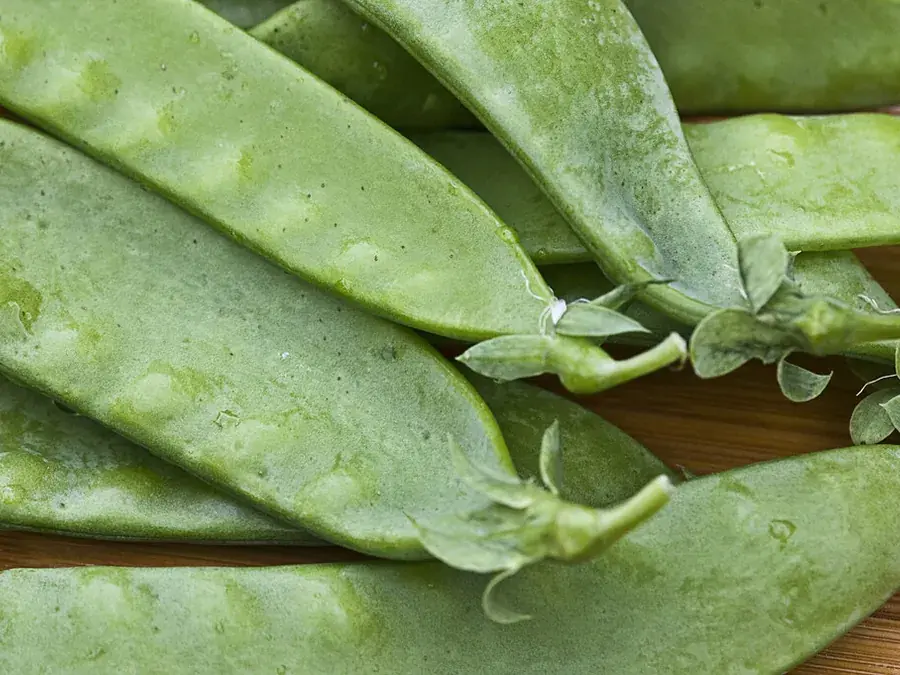 Half-hardyPeas and beansPicked Jun–Oct
Peas
The first sowing of the year and the first thing in the freezer — pick them every day or they turn to starch.
Freezing · Drying · PressurePick, store, put up →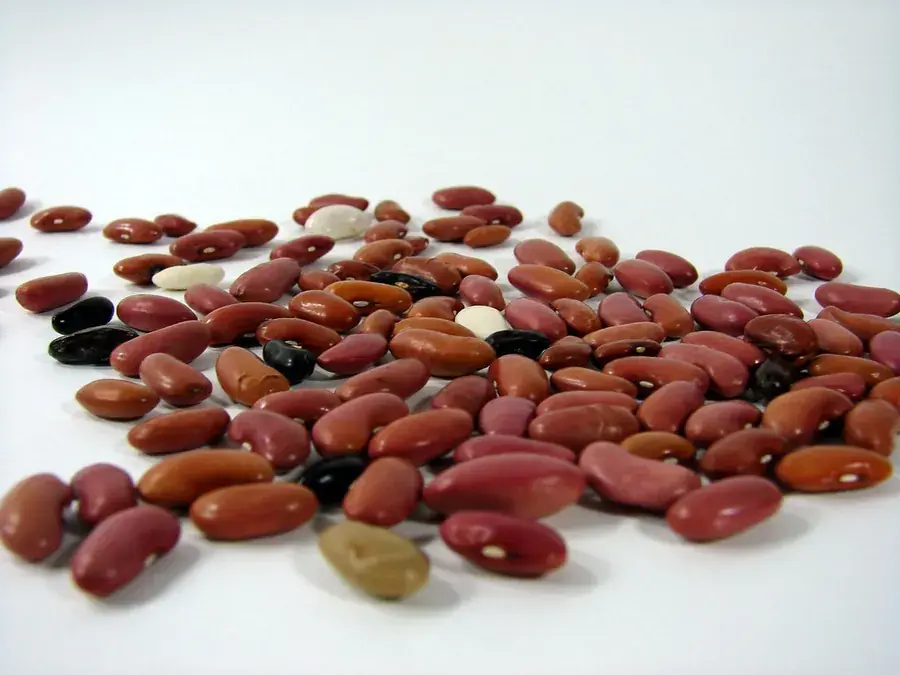 TenderPeas and beansPicked Sep–Oct
Dry beans
The crop that stores itself: leave the pods to rattle, shell them on the step, and eat them in February.
Drying · Pressure · FreezingPick, store, put up →
Checked against these sources ·
- NCHFP: Canning snap and Italian beans
- NCHFP: Pickled dilled beans
- NCHFP: Freezing green, snap or wax beans
- Colorado State University Extension: Botulism
- University of Minnesota Extension: Growing beans
- Seed Savers Exchange: Bean growing and seed saving
Harvest months are typical for zones 4–6 and move by weeks north and south. Storage figures are for the ideal; a house without a cold room will get the shorter end of each range.