Peas
Pisum sativum
The first sowing of the year and the first thing in the freezer — pick them every day or they turn to starch.
- Ready when
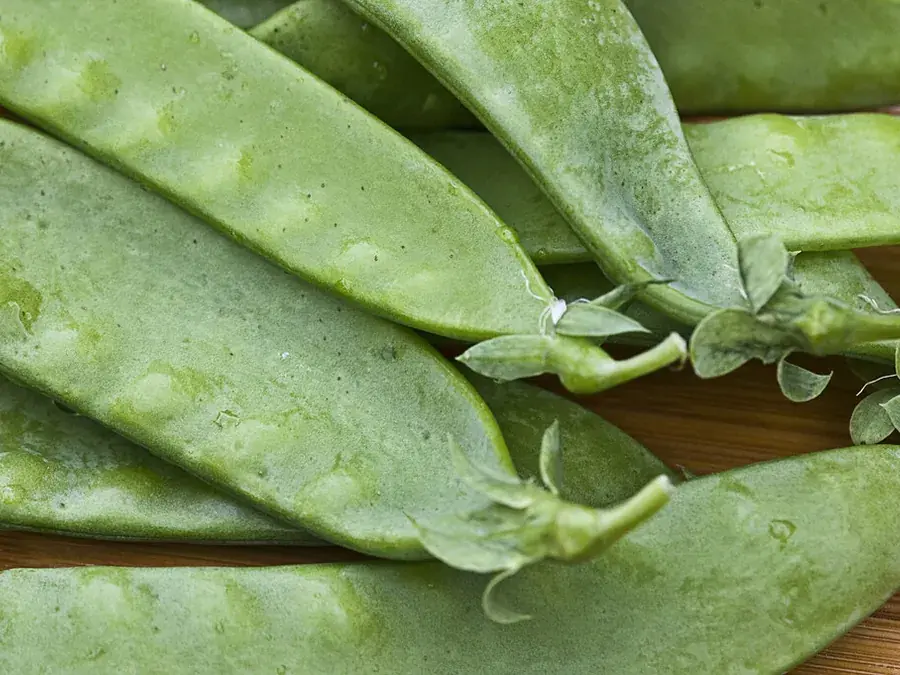
- Shelling peas: pods full and rounded but still bright green and shiny — open one; the peas should be sweet and just touching, not square-packed. Snap peas: pods plump, nearly full, crisp enough to snap. Snow peas: pods flat and 5–8 cm long, with the peas inside only just showing as bumps. Every type is ready about three weeks after flowering and goes starchy within days of being ready, so check the row daily once pods appear.
- How to pick
- With two hands: hold the vine with one and pull the pod with the other, or you will tear the plant out. Pick from the bottom up every day or two; a vine with mature pods left on it stops flowering. Pick in the cool of the morning and shell or chill within the hour — sugar turns to starch fast in a warm pod. Eat or freeze shelling peas the same day.
- On a frost night
- It depends on the stage. Spring seedlings are tough — they shrug off −4 °C and a dusting of snow, which is why peas go in a month before the last frost. A plant in flower or pod is a different thing: flowers and young pods are damaged at −2 °C and killed at −4 °C. For a fall crop in September or October, pick every pod that is near ready the evening a frost is forecast and throw a row cover or sheet over the row; a light frost under cover does no harm. After a hard frost, pull the vines for the compost or leave them to dry for seed.
Where it keeps
Storing peas
| Where | Temperature | Humidity | Keeps | How |
|---|---|---|---|---|
| Fridge crisper, in the pod | 0–4 °C32–39 °F | high | 3–5 days; shelled, up to a week, but sweetness fades daily | Unwashed pods in a perforated bag; shelled peas in a covered container. The freezer is the better place for anything you will not eat in two days. |
| Cold room | 0–2 °C32–36 °F | high | Up to a week | In the pod, in a shallow crate, misted. |
Putting it up
What to do with too many peas
Peas are the freezer crop that started the home freezer: shell, blanch 1½ minutes, chill in ice water, drain, and freeze loose on a tray before bagging, within an hour or two of picking. Snap and snow peas blanch 1½ minutes for small pods and 2 for large, strings removed, and come out soft but good in stir-fries. Shelling peas left to dry on the vine, or spread on screens until they are hard enough to shatter under a hammer, keep for years in jars as soup peas — the old Québécois habitant soup is made from exactly these. Canning plain peas is pressure-canner only, 40 minutes for both 500 ml and litre jars at 10 lb (weighted gauge, 0–300 m): peas are a low-acid vegetable and there is no safe water-bath time. Canned peas are olive-drab and soft; the freezer wins.
The fastest route and the one that keeps flavour best.
A dehydrator or a low oven; light, keeps for a year.
Jars heated above boiling under pressure — the only safe way to can plain vegetables.
- Freezing
Frozen green beans and peas
The two crops that come all at once and go over in days. Three minutes in boiling water for beans, a minute and a half for peas, and they are saved.
About 1 kg of beans fills three 1 L freezer bags; 1 kg of pea pods gives about 400 g of shelled peas · 30–45 minutes active
The recipe →
Saving seed
Easy to save — comes true
Peas are the classic beginner’s seed. The flowers pollinate themselves before they open, so almost any variety comes true, and 3–6 m (10–20 ft) between varieties is plenty. Mark your best plants early and leave their pods unpicked until they are brown, papery and rattle — about six weeks after the eating stage. If rain or frost threatens before that, pull the whole plants and hang them under cover until the pods are dry. Shell by hand (a good evening job for small fingers), spread the peas on a tray for two more weeks, and store them in a jar when a pea shatters rather than dents under a hammer. Four days in the deep freeze at −18 °C kills pea weevil larvae hiding inside the seed. Save from five to ten plants.
Keeps: 3–4 years.
The seed-saving guide →Next year
Planning peas for next season
Rotate: peas and beans fix their own nitrogen, so they follow heavy feeders (corn, brassicas) and lead into leafy crops; do not put them where peas grew last year. They want well-drained soil, a neutral pH, cool weather and something to climb — even bush types stand better on a bit of netting. Sow as soon as the soil can be worked, 4–6 weeks before the last frost and once the soil is 10 °C, 2–3 cm deep and 5 cm (2 in) apart in a wide double row; peas sown into cold wet soil rot, and peas sown late in May hit summer heat and give one small picking. A fall crop sown in mid to late July in zones 5–6 crops in September. In zones 3–4 sow the moment the frost is out and choose 55–60 day varieties.
Peas at a glance
- Botanical name
- Pisum sativum
- Group
- Peas and beans
- Picked
- June, July, September, October
- Frost
- Half-hardy: scorched by a light frost, killed at −3 °c.
- Best put up as
- freezing, drying, pressure canning
- Seed
- Easy to save — comes true
Questions people ask about peas
When should I pick peas?
About three weeks after flowering, and then every day or two. Shelling peas are ready when the pods are rounded and shiny and the peas inside are sweet and just touching; snap peas when the pods are plump and crisp; snow peas when the pods are flat and 5–8 cm long. A day or two past ready they go starchy and the vine stops flowering, so pick everything that is close.
Can you freeze peas?
Yes, and it is the best way to keep them. Shell, blanch 1½ minutes in boiling water, plunge into ice water, drain, and freeze loose on a tray before bagging — within an hour or two of picking, because the sugar turns to starch fast. Snap and snow peas blanch 1½–2 minutes with strings removed. Frozen peas go straight into the pot from the freezer.
Can I can peas?
Only in a pressure canner. Peas are a low-acid vegetable, so a sealed jar can grow botulism unless it has been heated above boiling: the tested time is 40 minutes for both 500 ml and litre jars at 10 lb (weighted gauge, 0–300 m). There is no water-bath time for plain peas. Canned peas are soft and khaki; freezing gives a far better result for less work.
Are peas frost hardy?
Seedlings are — they take −4 °C and light snow, which is why peas are sown a month before the last frost. Plants in flower or pod are not: blossoms and young pods are hurt at −2 °C and killed at −4 °C. For a fall crop, pick what is near ready and cover the row when frost is forecast.
How do I save pea seed?
Leave the pods on your best plants until they are brown and rattle, pull and hang the plants if wet weather comes first, then shell and dry the peas two more weeks until one shatters under a hammer. Peas self-pollinate, so they come true; 3–6 m from another variety is enough. Four days in the deep freeze kills pea weevil. Seed keeps 3–4 years.
Why are peas a good crop for kids?
Big seeds a toddler can push into the soil, a short wait, and a snack that grows at eye level — snap peas eaten off the vine are most children’s first garden food. Teach them the two-hand pick so the vine stays put. Shelling a bowl of peas on the step and sorting the dried seed by size for next year are both jobs a four-year-old takes seriously.
Your own frost dates
When does this come in where you are?
Enter a town, postal code or ZIP and the garden year, the frost watch and this week’s guide are built from your own weather.
Also in peas and beans
 TenderPeas and beansPicked Jul–Sep
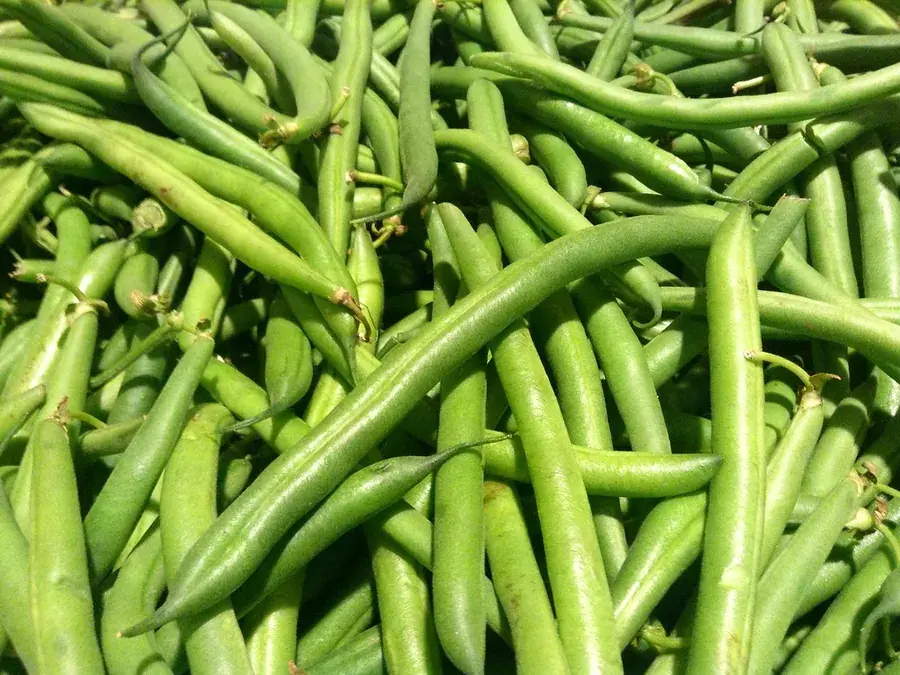
Green beans
Pick them young and pick them often — and never, ever water-bath a jar of plain beans.
Freezing · Pressure · PicklingPick, store, put up →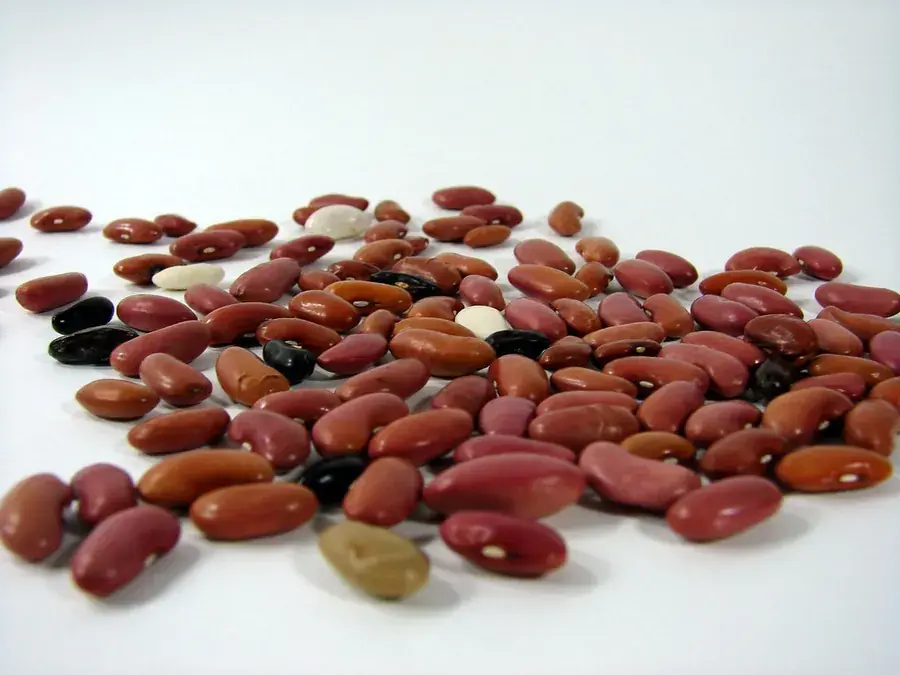 TenderPeas and beansPicked Sep–Oct
Dry beans
The crop that stores itself: leave the pods to rattle, shell them on the step, and eat them in February.
Drying · Pressure · FreezingPick, store, put up →
Checked against these sources ·
- NCHFP: Freezing green peas
- NCHFP: Freezing edible pea pods
- NCHFP: Canning peas, green or English, shelled
- University of Minnesota Extension: Growing peas
- Seed Savers Exchange: Pea growing and seed saving
Harvest months are typical for zones 4–6 and move by weeks north and south. Storage figures are for the ideal; a house without a cold room will get the shorter end of each range.